Business & Clients
PT Manager Saves The Goal, And The Live Analyser Proves The Deadlift Works
From the FASTER syllabus: this article is taught in full in PT Manager, free with any FASTER course →
In short: Today's first post gave the four-step method for working out which muscles an exercise trains, run on a deadlift. Today's second post gave Why Why So So, the process for finding the goal underneath a client's first answer. PT Manager is where both become one ongoing thing: the goal gets a weekly 1-5 check-in with a trend line instead of a memory, and the Live Analyser's live skeleton overlay shows whether the deadlift built to reach that goal is actually doing its job.
Two posts, one working relationship
Today's first post worked out which muscles a deadlift trains, using a method that runs on any exercise. Today's second post gave Why Why So So, the process for finding the goal underneath a client's first answer. Both are real skills, and neither one, by itself, tells a trainer three weeks from now whether either is still doing its job.
Where the goal stops being a memory
PT Manager's Coaching Room is where the goal a trainer dug out gets saved against the client, not left in a notebook or half-remembered by the next session. Every week the client rates that goal 1-5 from their own home screen, and the trainer sees the trend as a sparkline rather than trying to recall whether things have improved since the goal was first named.
Where the deadlift stops being a guess
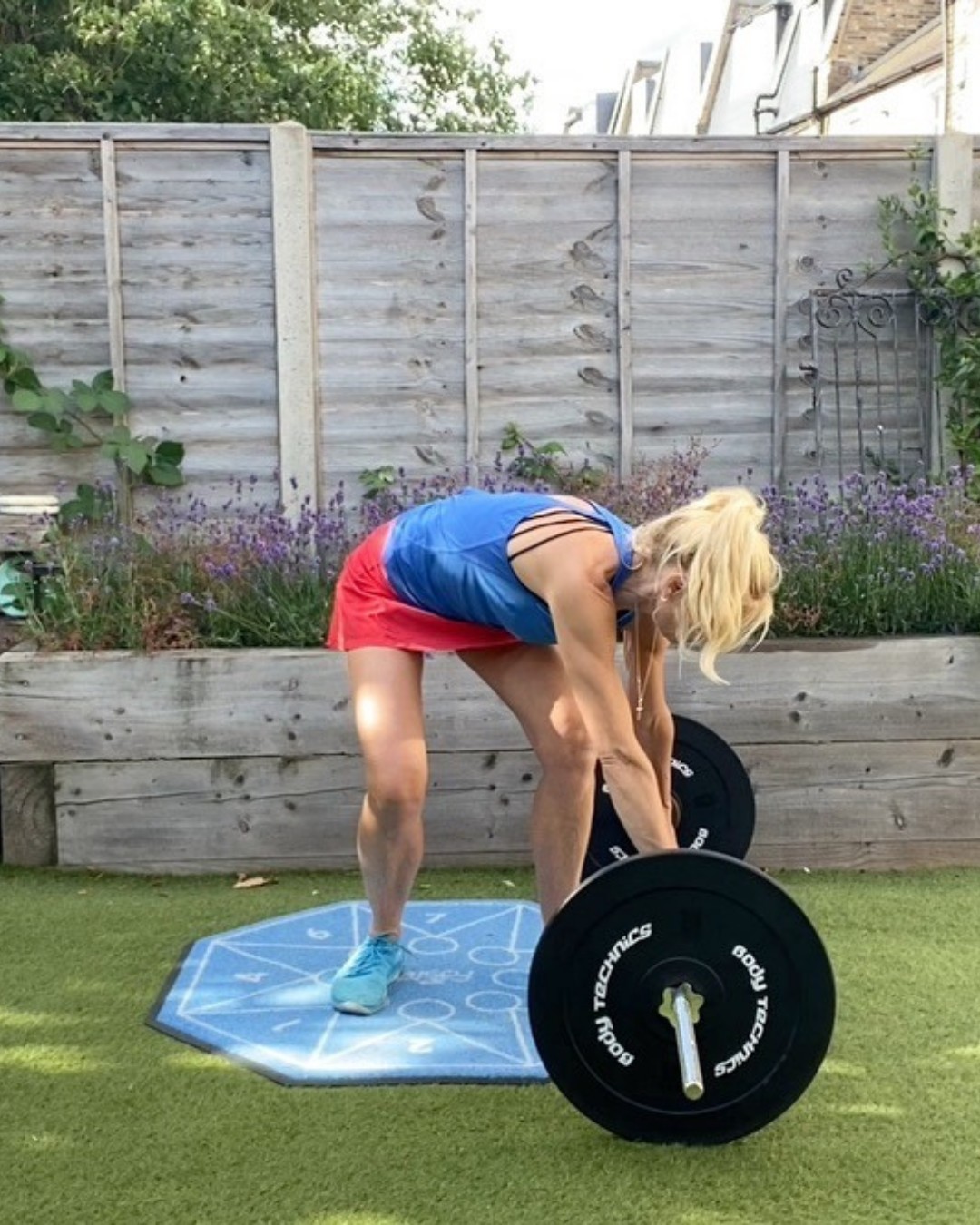
The Live Analyser lays a live skeleton over a client on camera and reads joint angle, depth and tempo as the lift happens, readable from about 3 metres, side-on. Seeing a movement beats describing it. A trainer watches the hip hinge that today's first post named the muscles of, happening in real time, rather than judging it from memory after the set is over.
Why the same place matters
A goal that's improving and a lift that isn't working are two different problems needing two different conversations. A trainer checking both in the same room, every week, catches the gap between them early. A trainer relying on memory for one and a stopwatch for the other usually finds out much later, from a client who has already quietly lost confidence.
What to do next
PT Manager opens the moment you sign up with any FASTER course, and the Coaching Room and the Live Analyser both open fully the day you pass one. Motor Skill Application Specialist, today's second post in full, is where Why Why So So is taught. Read more at PT Manager.
The FASTER Journal shares the next teaching point first. Sign up at /newsletter and it arrives the moment it's ready.
You just read one answer. The course is all of them.
PT Manager, free with any FASTER course — taught by the people who wrote it, with free return access for life. The price is on the page, payment plans at checkout, no sales calls.
Also worth a look: Motor Skill Application Specialist, today's second post in full.
See what the course covers →Frequently asked
Do I need a paid tier for the goal check-ins or the Live Analyser?
No. PT Manager opens the moment you sign up with FASTER, and adding real clients unlocks once you pass a course.
Does the client have to do anything for the weekly check-in?
They rate each open goal 1-5 from their own home screen; the trainer sees the trend without chasing them for it.
Does the Live Analyser need special kit?
A phone or tablet camera, side-on for a squat or a hinge, readable from about 3 metres.
Reading this for your own training? Every trainer on the FASTER register has been assessed by us — search by town or speciality, free.
Find a FASTER trainer →