An Assessment Is A Starting Point You And Your Client Agree, And Motor Skill Application Specialist Shows You How To Build One For One Person
Module 6 of the Motor Skill Application Specialist course sorts assessments into three types and teaches the trainer-defined test, built for one client's goal.
Read the article →Nothing matches that — try fewer words or another category.
Become a Personal Trainer
Learn How To Find Out Who Will Hire You Before You Spend A Penny On A Gym, And The Level 3 Course Has You Do It Before Your First Client
Market research, competitor research and a SWOT are the three research jobs the Level 3 Personal Training Certificate has you do before you take a first client.
Business & Clients
PT Manager's Assessment Builder Keeps The Test You Designed For One Client So The Retest Means Something, And It Pairs With Today's Two Posts
PT Manager's Assessment builder walks you through five steps, checks the test against seven principles and adds a retest column each round.
Become a Personal Trainer
Anatomy Feels Like A Lot To Remember Before You Qualify, And One Motor Unit Idea From The Level 3 Course Explains Why Hands Are Precise And Legs Are Strong
A motor unit is one nerve plus the muscle fibres it controls. The Level 3 personal training course explains why hands are precise and legs are powerful, in one simple idea.
Coaching & Programming
Finding Research Is A Skill You Can Learn Even If You Cannot Remember It All, And A FASTER Specialist Course Teaches It From Crappy Evidence To Awesome
A FASTER specialist course teaches personal trainers to find research, rank evidence from a chat with a friend to a body of papers, and save it in a personal library.
Business & Clients
Today's Two Posts Both Take The Remembering Off You, And PT Manager's What Needs Doing List Holds The Jobs You Keep Meaning To Get To
PT Manager's What needs doing list is a to-do list in your own words, with an optional date and an optional client. Tick a job off and it stays on record. Free with any FASTER course.
Coaching & Mindset
Agree The Rules With A Client Before Session One, And Core And Pelvic Floor Shows How Rules Hand Them A Say In Their Own Training
Rules give a client autonomy in their sessions. The FASTER Core and Pelvic Floor course shows how environment, rules and rapport shape the experience you give.
Business & Clients
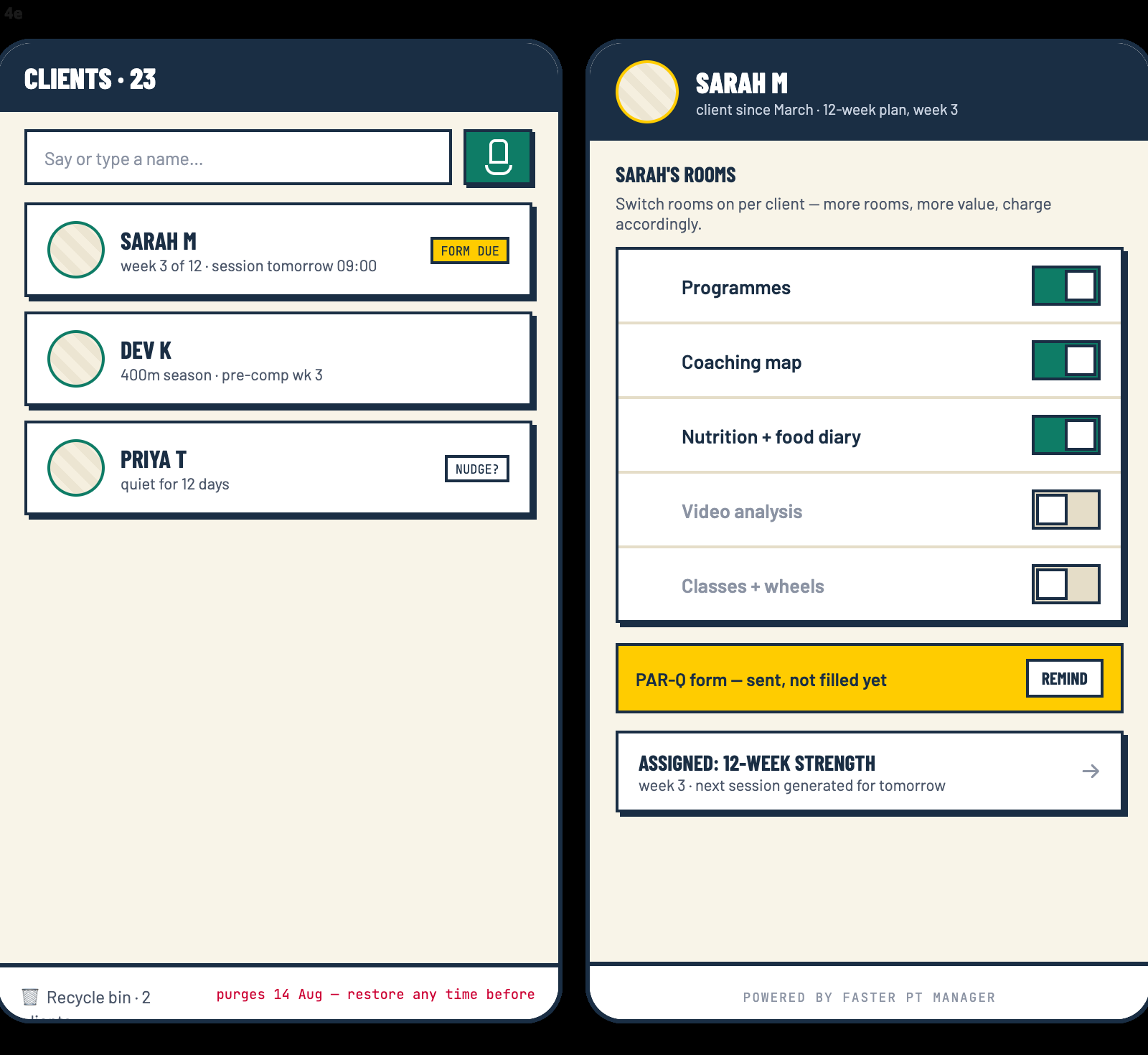
PT Manager's My Menu Gives Every Tool Its Own Switch, So The Home Page Shows Only The Rooms You Run
PT Manager's My menu gives each tool a switch. Switch a tool off and it leaves your menu, home and account. Switch it back on any time. Nothing is deleted.

Become a Personal Trainer
Three Numbers Tell A New Personal Trainer Whether The Business Is Working, And The Level 3 Course Has You Pick Them Before The First Client
KPIs are the numbers that show whether a personal training business is working. The Level 2/3 course has you choose them early, such as new clients, revenue and retention.
Coaching & Programming
An Emotion Is A Short-Lived Prediction, And A FASTER Specialist Course Teaches Trainers To Read The One In The Room
A FASTER specialist course teaches that emotions are fleeting predictions, not fixed facts. Here is the hug-and-the-last-cookie example, and what it means for a session.
Business & Clients
PT Manager's Daily Check-In Turns A Passing Mood Into A Pattern, And It Pairs With Today's Two Posts On Reviewing Sessions And Reading Emotions
PT Manager lets a client tap a 1 to 5 score for mood, sleep and stress each day, and rate how each goal is going that week. A trainer reads the pattern in the client record.
Become a Personal Trainer
Reviewing Each Session Is The Habit That Makes A New Personal Trainer Better Every Week, And The Level 3 Course Teaches It As A Short Routine
Reflective practice means summarising and evaluating each session you deliver. The Level 2/3 personal training course gives five reasons it matters for a new trainer's career.
Coaching & Mindset
Fatigue Is A Forecast Your Client's Brain Makes, And Motor Skill Application Specialist Teaches The Three Stages It Goes Through
Motor Skill Application Specialist teaches fatigue as the brain protecting the body by prediction. Six things a trainer can work on directly, and three stages of a hard set.
Become a Personal Trainer
The Consultation You Will Be Asked To Run Uses Four Methods, And A Form Is Only One Of Them
A personal training consultation uses a questionnaire, an interview, observation and physical measurements. Here is what each one finds out, from the Level 2/3 course.
Business & Clients
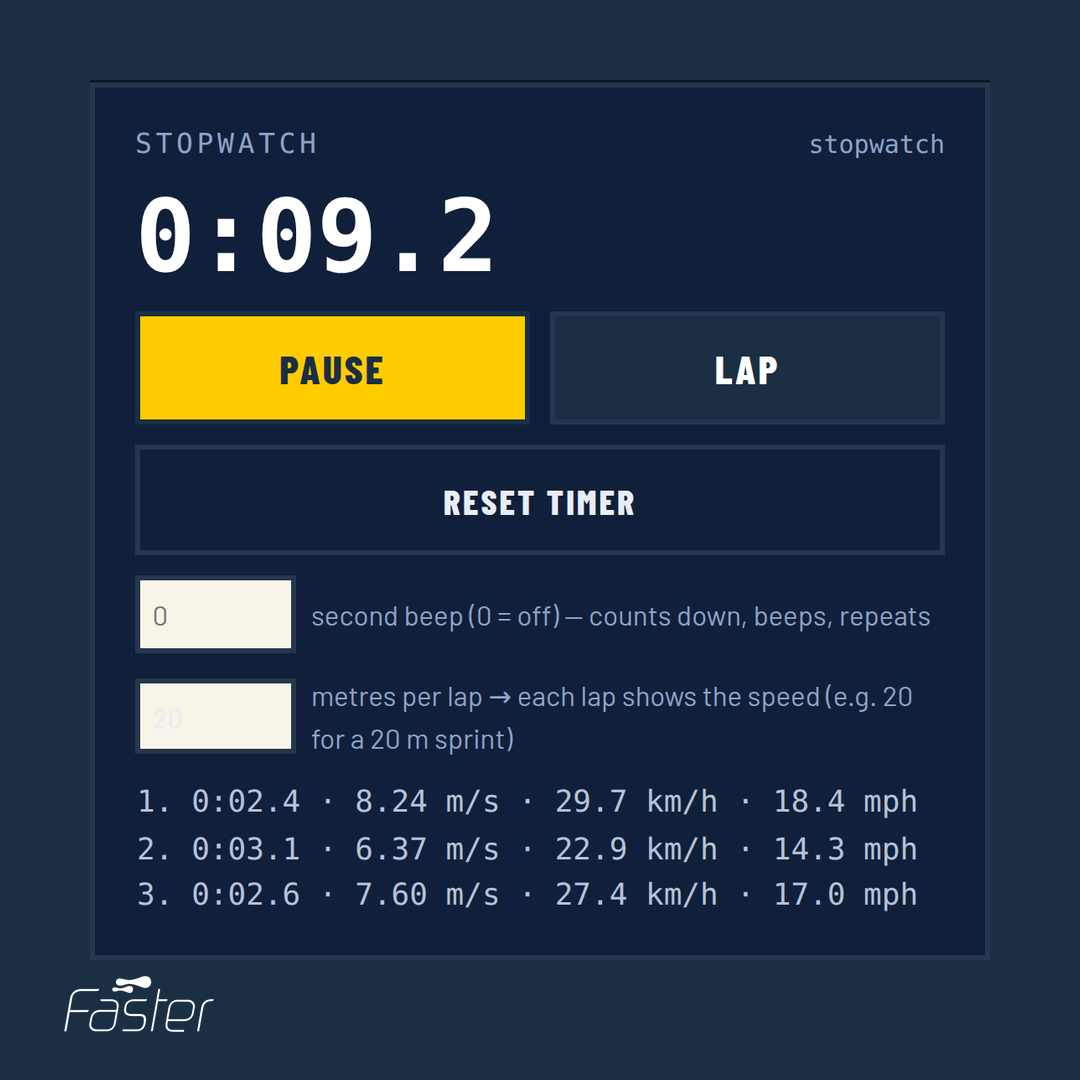
The Live Analyser Stopwatch In PT Manager Keeps Your Eyes On The Client While Laps And Splits Record Themselves
PT Manager's Live Analyser runs a stopwatch with laps and splits on your phone, with the camera on or off, so you can watch the client instead of the clock.
Programming
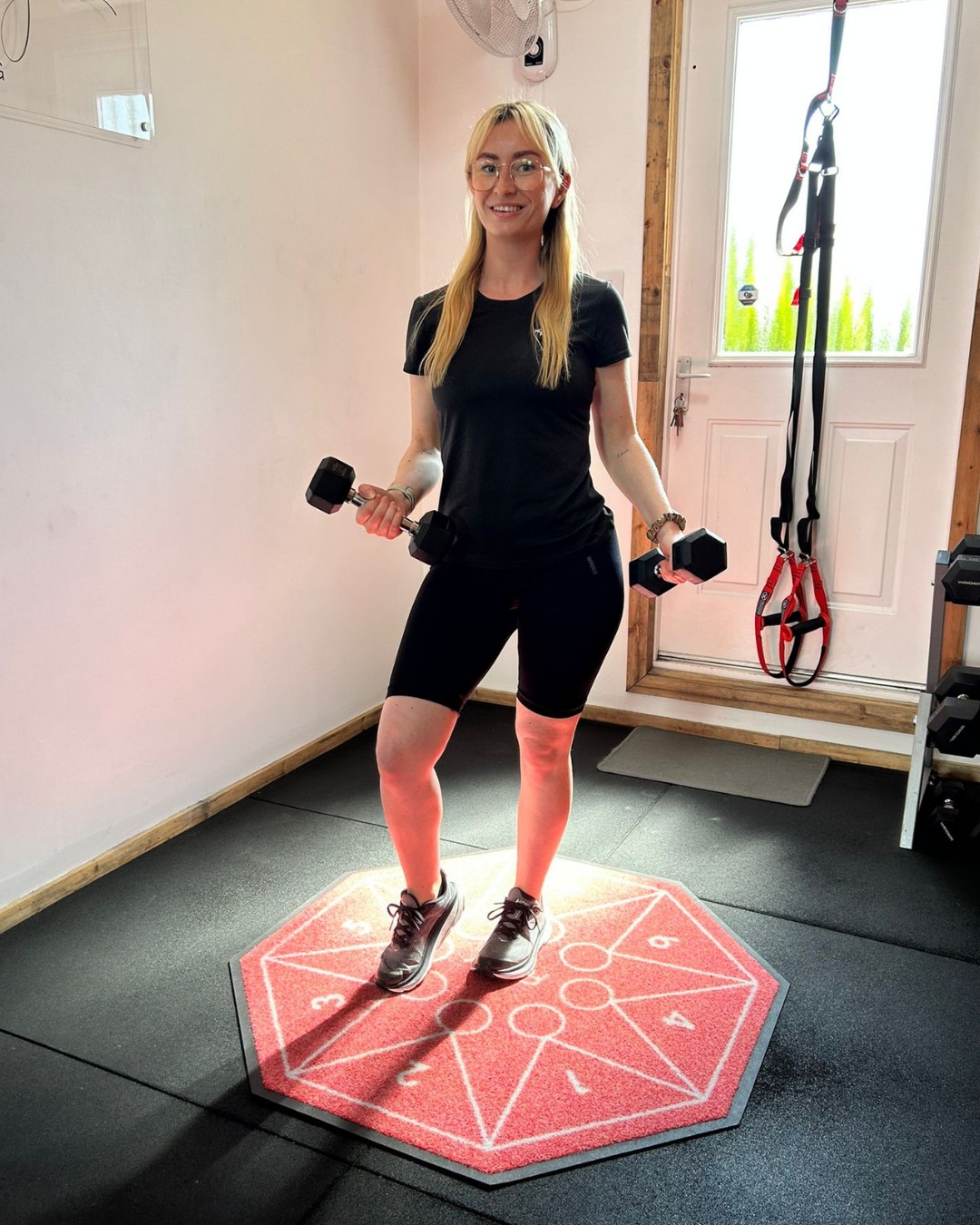
A Programme Starts With Who Does What, And Movement Coach Opens Its Five-Step Process By Clarifying Roles Before Any Exercise Gets Picked
Movement Coach builds a full programme in five steps, and step one is to clarify your role, the client's role and anyone else involved. Here is the whole list.
Business & Clients
PT Manager's Terms Sheet Prints Your Terms For A Client In The Room, And It Pairs With Today's Two Posts On Selling By Relationship And Clarifying Roles
PT Manager turns a trainer's own terms into a one-page sheet to print or share, with a signature block, and records each client's agreement with the version and time.

Become a Personal Trainer
Sales Strategies For A Personal Training Business Come In Named Types, And The Level 3 Course Has You Pick The Ones That Fit Your Own Clients
Criterion 3.1 of the Level 3 personal training route covers sales strategies for target markets. Relationship selling and solution selling, explained plainly.
Coaching & Mindset
A Client's Week Is Shaped Before They Reach The Session, And Core And Pelvic Floor Teaches You To Read Those Outside Influences First
Core & Pelvic Floor opens with the multilevel research on why some people are active and others are not. Learn the outside influences to check before you coach.
Become a Personal Trainer
Every Muscle Around A Joint Has One Of Five Jobs, And The Level 2 And 3 Course Has You Name Them So Anatomy Stops Feeling Like A Wall Of Latin
Criterion 5.10 of the Level 2/3 personal training route covers the five roles muscles play around a joint. Learn them with the elbow as the worked example.
Business & Clients
PT Manager's Nudges Page Lists The Clients Worth A Message Today With One Tap Each, And It Pairs With Today's Two Posts On Muscle Roles And Outside Influences
PT Manager has a Nudges page that lists who needs a message today, each with one tap and a Not today button. The wording blames circumstances, never the client.

Become a Personal Trainer
A Cash Flow Forecast Is Four Short Parts, And The Level 3 Course Has You Write One Before Your First Client So The First Year Has A Shape
Criterion 4.1 of the Level 2/3 personal training course defines a cash flow forecast. It has four parts, and a new trainer can write one before the first paying client.
Biomechanics
Looking At Movement In Fine Detail Until It Looks Like Intuition, And Motor Skill Application Specialist Teaches The HMAC To Get You There
The HMAC is FASTER's chart for seeing movement. Module 6 of Motor Skill Application Specialist teaches five skills and a five-column form, until seeing movement in real time feels like intuition.
Business & Clients
PT Manager's HMAC Charts Save The Movement You Looked At With Its Skills Ticked, And Today's Two Posts Say Where Money And Seeing Start
PT Manager has a Movement by FASTER page for HMAC charts. Name a movement, tick its skills, and keep the chart. The Motor Skill Application Specialist course teaches how to fill one in.
Become a Personal Trainer
A Personal Training Business Plan Has Seven Parts, And The Level 3 Course Has You Write One Before Your First Paying Client
Criterion 2.2 of the Level 2/3 personal training course lists the seven parts of a business plan. Here they are in plain words, and why a new trainer can write one before the first client.
Business & Clients
PT Manager's What You Are Making Page Counts The Money Your Business Plan Asked For, And Forms Hold The Goals Behind It
PT Manager's What you are making page shows what is coming in every month, what was paid in the last 30 days and what sells. Forms and interviews keep the consultation behind each client.
Coaching & Mindset
Two Short Whys And Two Short Sos Find The Goal A Client Can't Say First, And Core And Pelvic Floor Teaches The Method
Clients often open with 'lose weight' or 'a stronger core'. The Core & Pelvic Floor course teaches Why, Why, So, So, four short questions that find the goal underneath, plus five ways to read a client's confidence.
Become a Personal Trainer
A New Personal Trainer's First Business Goal Has Five Parts, And The Level 3 Course Has You Write It Before You Take A Client
Criterion 3.3 of the Level 2/3 personal training course asks for SMART objectives for launch and short-term growth. Here is the five-part goal a new trainer writes before the first paying client.
Biomechanics
Any Workout From Social Media Breaks Into A Sequence Of Joints, And Motor Skill Application Specialist Starts Module 1 There
Module 1 of the Motor Skill Application Specialist course has you take a popular workout video and list which joints move first, what they do and what slows or speeds each one.
Business & Clients
Break A Popular Workout Into Parts, Rebuild It Your Way, And PT Manager Keeps The Result As A Template For The Next Client
PT Manager's Programme templates room keeps the programme shapes a trainer reuses. Pick one for a client, get your own copy to change, and the template stays as it was.

Become a Personal Trainer
A Professional Social Media Profile Is A Short Job, And The Level 3 Course Has You Build One Before Your First Client
Criterion 6.6 of the Level 2/3 personal training course asks for a professional social media profile. Here is what it covers and why a new trainer can finish it before the first paying client.
Business & Clients
Today's Two Posts Both Start With What A Client Finds First, And PT Manager's Free Website Is Where They Find It
PT Manager gives a trainer a free website built from drag and drop blocks, in five themes, filled from the trainer's own brand, products and calendar, in return for a link back and a Trainer Register listing.
Coaching & Programming
Using Story Turns A Session Into Scenes, And A Client Leaves With A Feeling They Want Again
A FASTER specialist course teaches trainers to shape a session like a story, with the exercise as a character and the client as the protagonist. Here is the structure and the airport example behind it.
Become a Personal Trainer
A SWOT Analysis Is Six Short Steps, And The Level 3 Course Has You Write One For Your Own Personal Training Business
Criterion 5.3 of the Level 2/3 personal training course asks for a SWOT analysis of your own training business. Here is how the six steps read, and why a new trainer can do it before the first client.
Coaching & Programming
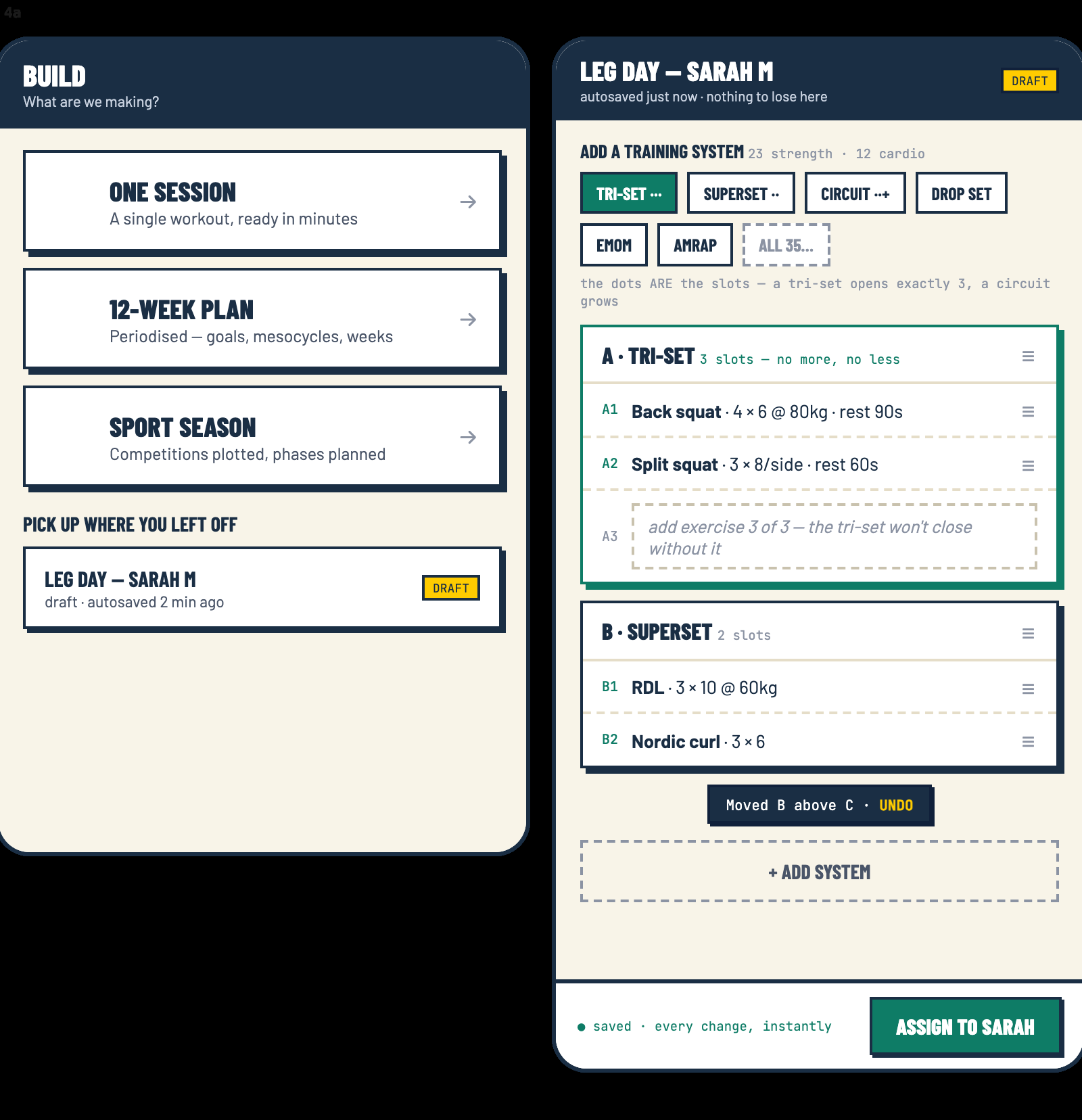
Build A Client Test In A Park Or A Hall In Five Steps, And Movement Coach Gives You The Order
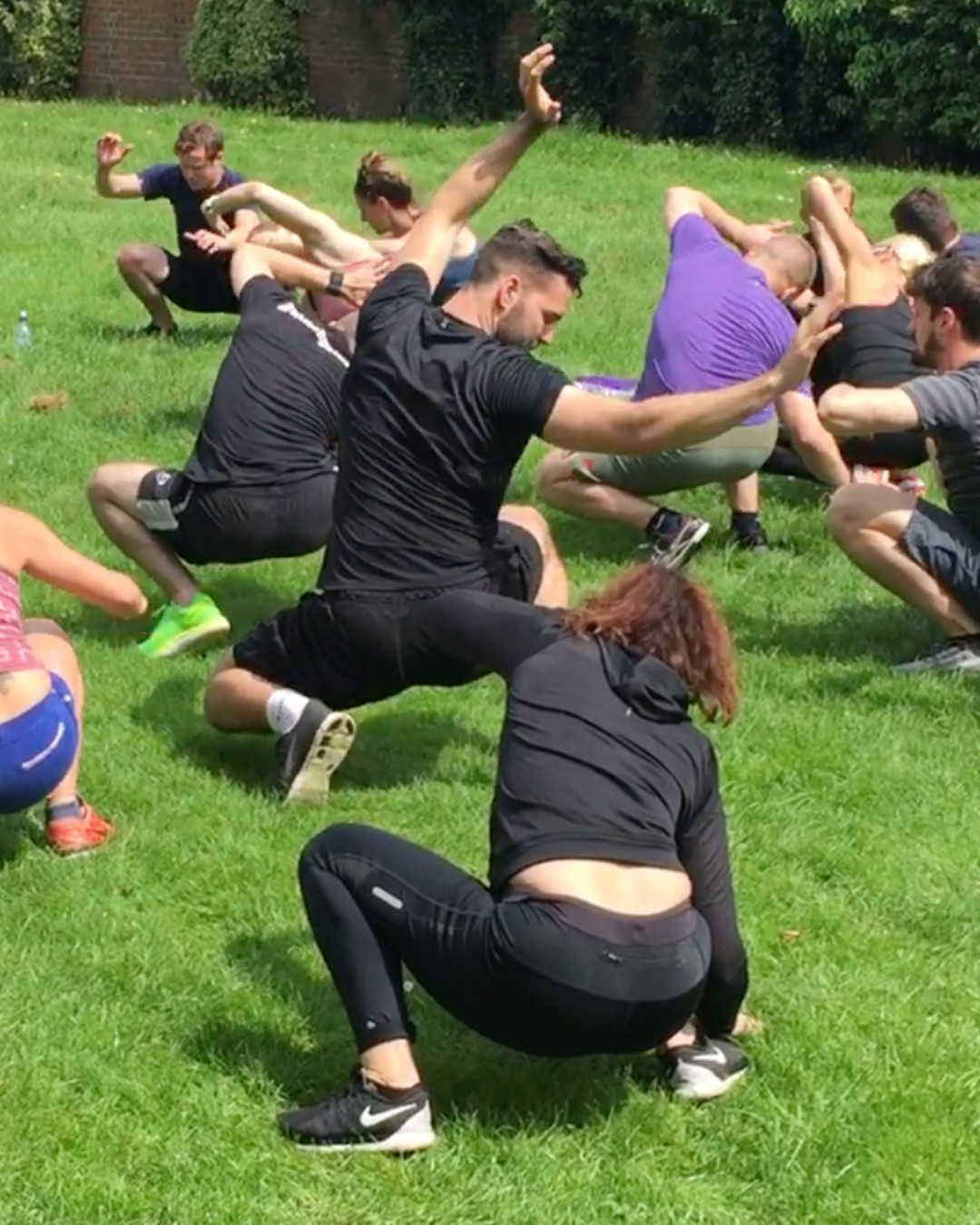
Movement Coach teaches a five-step order for building a self-made client test, plus seven principles that keep it fair: specificity, validity, reliability, objectivity, feasibility, safety and progression.
Business & Clients
PT Manager's Stopwatch And Measure Tools Let You Run The Same Client Test Again In The Same Way
PT Manager's Live Analyser carries a lap timer and measuring tools, so a self-built client test can be run again with the same method and the numbers compared.
Become a Personal Trainer
Planning A Safe Session On The Level 3 Course Means Five Short Lists, And Each One Is Easier Than It Sounds
Criterion 5.3 of the Level 2/3 personal training course asks for a safe session plan: pre-workout checks, warm-up, an alternative for each exercise and a cool down. Here is how it reads.
Business & Clients
PT Manager's Programme Builder Puts The Preparation First And The Cool Down Last, So The Session Reads In The Order It Runs
PT Manager's programme builder takes each stretch or mobility activity with a timing, preparation, between exercises, cool down or separate recovery, and shows the session in the order the client will do it.
Coaching & Programming
The Spine Moves In Three Directions, And Core & Pelvic Floor Turns Them Into Eight Combinations You Can Describe To A Client
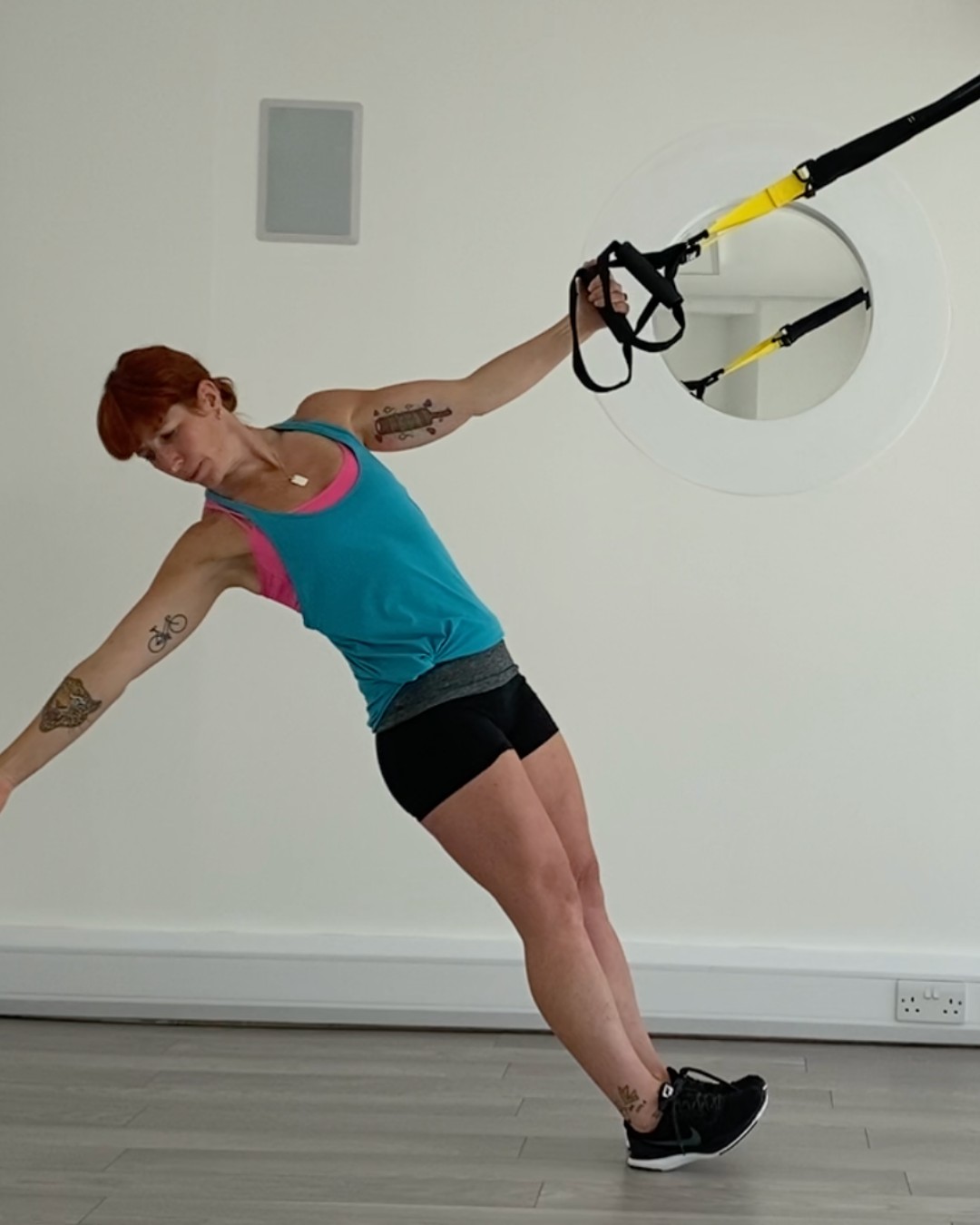
Core & Pelvic Floor names the spine's movements, how much each region gives, and the eight combinations of flexion or extension with side bend and rotation. A plain map a trainer can use in a session.
Biomechanics
A Bone Moving Needs Six Descriptions, And Motor Skill Application Specialist Teaches Them As A Simple Table
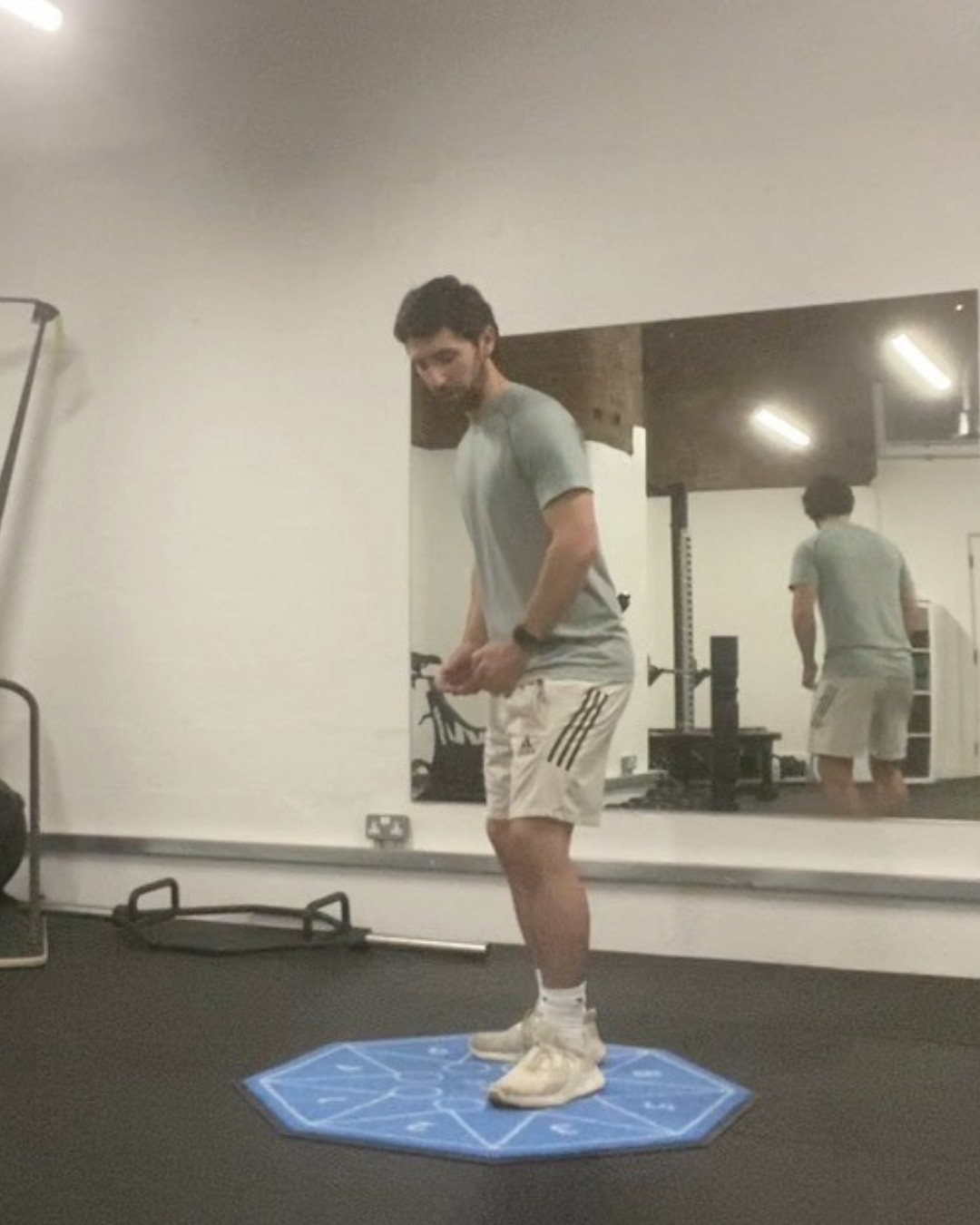
Bones travel through space and turn around their own axis. The Motor Skill Application Specialist course gives six descriptions from twelve options, so a trainer can say exactly what is moving.
Business & Clients
PT Manager's Movement Screen Reads Joint Angles Off The Analyser And Fills The Radar Wheel For You
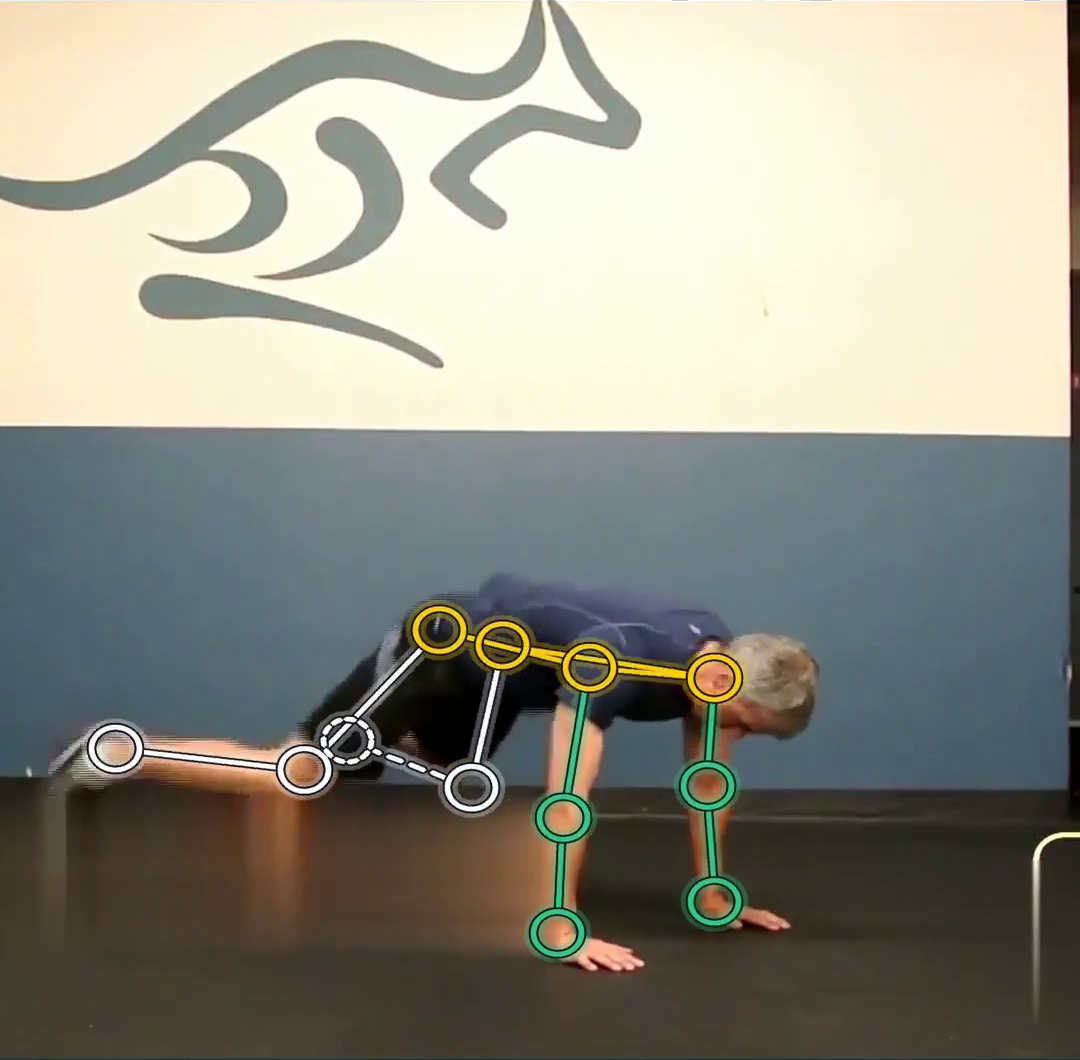
PT Manager's Movement screen takes joint angles measured in the analyser, turns them into scores out of 10 and draws them on a radar wheel, so a trainer does not score by hand.
Become a Personal Trainer
The Nutrition Unit In Level 3 Starts With Three Fuels And One Idea That Makes Sense Of The Whole Thing
Worried the science in a personal training course will be too much? The nutrition unit begins with carbohydrate, fat and protein as fuel. Here is how it reads and what it asks of you.
Become a Personal Trainer
Clients Keep Coming Back For How Training Feels, And Level 3 Teaches The Two Kinds Of Motivation Behind That
Wondering if you can finish a personal training course and keep clients afterwards? Level 3 teaches intrinsic and extrinsic motivation in plain words. Here is what it covers.
Biomechanics
Picture A Muscle's Route From One Bone To Another, And It Gets Easy To Predict When It Is Working
Knowing where a muscle starts and finishes lets a trainer predict when it is working. Movement Coach teaches origin, insertion and four muscle roles with a curl as the example.
Business & Clients
PT Manager's Movement Demonstrator Lets A Client Turn A Muscle's Route Around And Look At It
PT Manager's Movement demonstrator is a 3D model of the FASTER movement patterns with body and skeleton views and live joint angles, so a client can see what the trainer is describing.

Become a Personal Trainer
A Motor Unit Is One Nerve Running A Team Of Muscle Fibres, And The Level 3 Anatomy Unit Makes It Simple
Worried the anatomy in a personal training course will be too hard? A motor unit is one nerve and the muscle fibres it controls. Here is how the Level 3 course explains it.
Coaching
Let The Client Score Their Squat Out Of Ten, Then Coach The Ten They Have In Mind
A FASTER specialist course teaches a simple coaching move: the client scores their own movement from 1 to 10, and the trainer coaches towards their ten. Here is the structure.
Business & Clients
PT Manager's Live Skeleton Shows The Squat While The Client Tells You What It Felt Like
Today's first post covered the motor unit and the second covered a client scoring their own squat out of ten. PT Manager's live analysis puts a skeleton over the client in real time, so the score and the movement sit together.
Programming
Keep The Movement The Client Already Has, And A List Of Variables Gives You An Almost Unlimited Supply Of New Tasks
The Motor Skill Application Specialist course gives trainers a list of variables that change the environment a client works in while the movement pattern stays put. Here is how the list is built and how to use it.
Business & Clients
Today's Two Posts Both Start From What You Already Have, And PT Manager's Exercise Generator Names Every Combination
Today's first post covered the three numbers a new trainer tracks, and the second covered the variables that give one client endless new tasks. PT Manager's exercise generator turns a few movements into a full list of named combinations.
Become a Personal Trainer
Track Three Numbers From Your First Month, And A New Personal Training Business Tells You What To Do Next
Thinking about becoming a personal trainer and wondering how you will know it is paying? The Level 3 course teaches KPIs: three simple numbers that tell a new trainer where to put their time.
Business & Clients
Ask The Movement Question Once In A PT Manager Form, And Every New Client Answers It Before Session One
Today's first post covered four ways to get one idea across, and the second covered asking a client which movement they want to be stronger in. PT Manager's Forms room lets a trainer build that question once and send it to every new client.
Coaching & Programming
If A Client Wants A Stronger Core, Ask Which Movement They Want It Stronger In
Core & Pelvic Floor teaches trainers to ask which movements a client wants their core to feel stronger in, then choose exercises that transfer to those movements. Dynamic correspondence and training specificity, in plain words.

Become a Personal Trainer
Learn Four Ways To Get One Idea Across Before You Meet Your First Client
A personal trainer course teaches verbal, non-verbal, listening and demonstration techniques for getting one idea across. Here is what each one looks like with a real client, and why the range matters more than any single style.
Coaching & Programming
Put A Client Next To A Wall, And The Movement Slows Down Without A Word From You
Movement Trainer teaches that speed makes a movement more likely to succeed and less likely to be controlled, and that the space around a client can turn the speed up or down. A wall, a box of cones, a line on the floor or a gradient all do the coaching quietly.
Business & Clients
Today's Two Posts Both Shape The Space Around A Client, And PT Manager's Client View Is The One They Walk Into
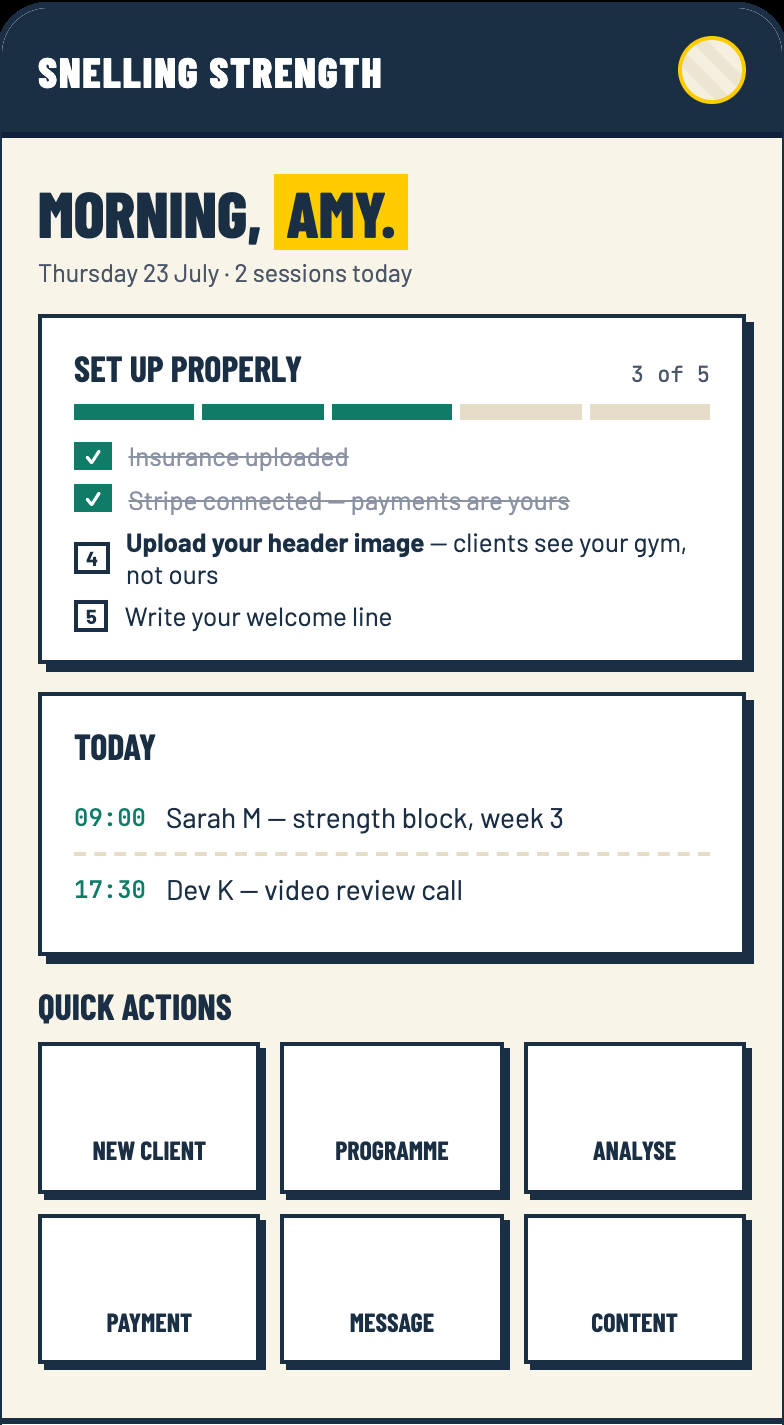
Today's first post ran the four-step muscle method on an exercise. Today's second showed how a wall, cones or a line can change how a client moves. PT Manager's My Brand and Client View sets up the space a client sees when they open their home screen, in the trainer's own name, colour and welcome line.
Workouts & Exercises
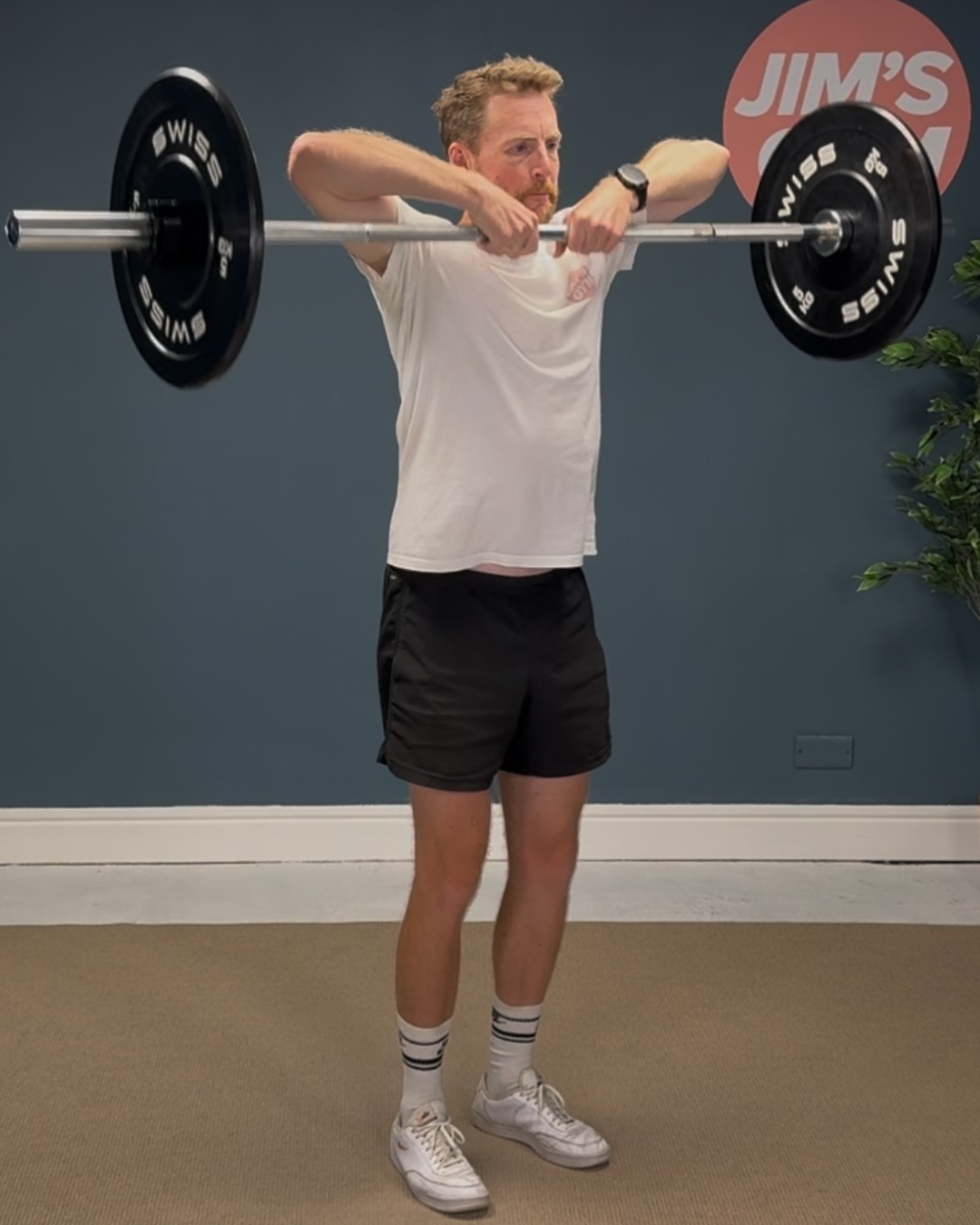
Hold Still, Then Move Fast, And A Plank Does Two Jobs In One Block
Movement Trainer's Skeletons and Blocks system names an Isometric-Integration Block: blend a static hold with a dynamic movement, no rest between the two, so one block trains stability and strength at the same time instead of treating them as separate sessions.
Business & Clients
Today's Two Posts Both Refused To Let Anything Go Slack, And PT Manager's Printed Card Holds The Zero
Today's first post found that a mountain climber's real work is a core that supports the trunk for the whole set. Today's second found a block built on the same idea: hold, move, hold again, with the rest deliberately set to zero. PT Manager's printed session card keeps that zero exactly where it's written, so nothing gets rounded up to a breather mid-set.
Become a Personal Trainer
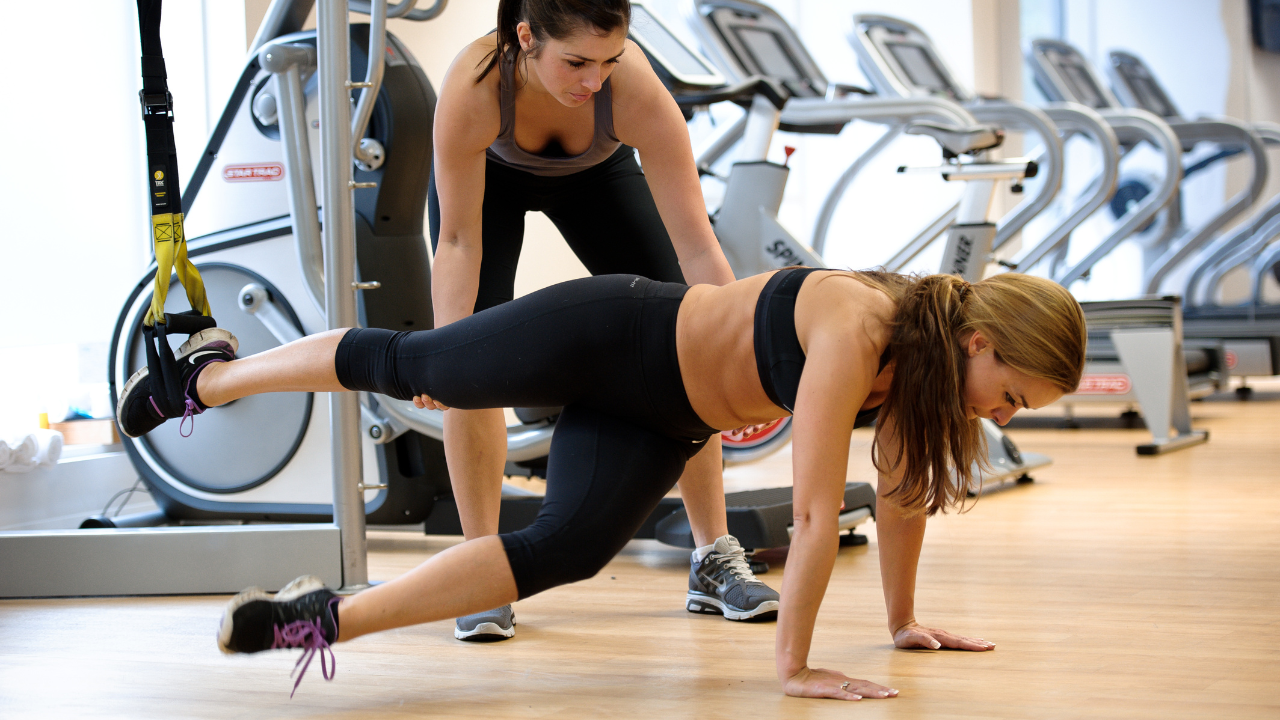
What Muscles Work In A Mountain Climber, And Why The Core Does More Than The Legs
A mountain climber looks like a leg exercise and isn't. The core holds the whole shape still while the hips do the actual work, and the shoulders carry a load they don't get credit for. The four steps that produce that answer are taught on our CIMSPA-recognised personal training course, and they work on any exercise.
Business & Clients
Today's Two Posts Both Watched The Same Chain Of Joints, And PT Manager's Tracker Draws It Live
Today's first post ran the four-step muscle method on a step-up and found one leg doing a different job to the other. Today's second named every joint that absorbs a landing, ankle to spine, in order. PT Manager's tracker draws that same chain live, over a real client, rather than asking a trainer to picture it from memory.
Biomechanics
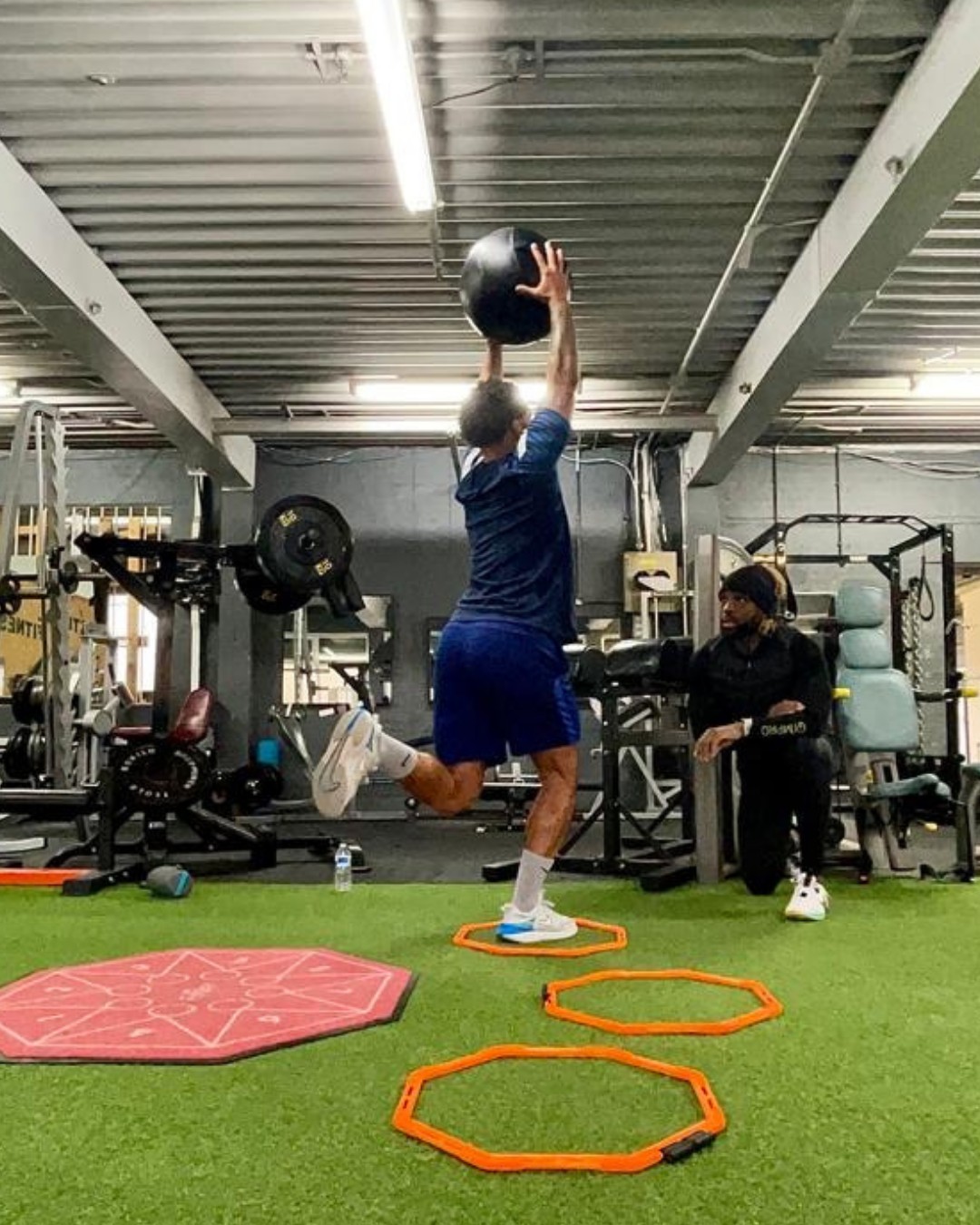
What Absorbs The Shock When A Client Lands, And Why The Spine Does Its Share Too
Movement Trainer teaches shock absorption as a chain, not a single joint: cartilage and synovial fluid in the knee and ankle, muscles and tendons controlling the drop, and the intervertebral discs in the spine taking their own share of every landing. Seeing the whole chain, not just the knee, is what the course builds.
Become a Personal Trainer
What Muscles Work In A Step-Up, And Why One Leg Does A Different Job To The Other
A step-up loads almost the whole rise onto one leg, the quads and glutes driving it and the glute medius holding the pelvis level while the other leg swings free. The four steps that produce that answer are taught on our CIMSPA-recognised personal training course, and they work on any exercise.
Research
Decide What You'll Trust Before You're Standing In Front Of A Client Who's Read Something You Haven't
Movement Trainer teaches a fixed set of criteria for what counts as evidence, applied the same way to everything a trainer reads, rather than chasing whatever the best available study happens to be each time a client asks a question. It's built so a trainer without a research background can still back every decision they make.
Business & Clients
Today's Two Posts Both Set The Standard Before They Need It, And PT Manager's Builder Keeps The Shape
Today's first post ran the same four-step method on a single-arm overhead squat that's already answered the same question about twenty-five other exercises. Today's second found that a fixed bar for evidence, set once, beats chasing the best available study every time a question comes up. PT Manager's programme builder works the same way: the shape of a training system is fixed before a single exercise goes into it.
Become a Personal Trainer
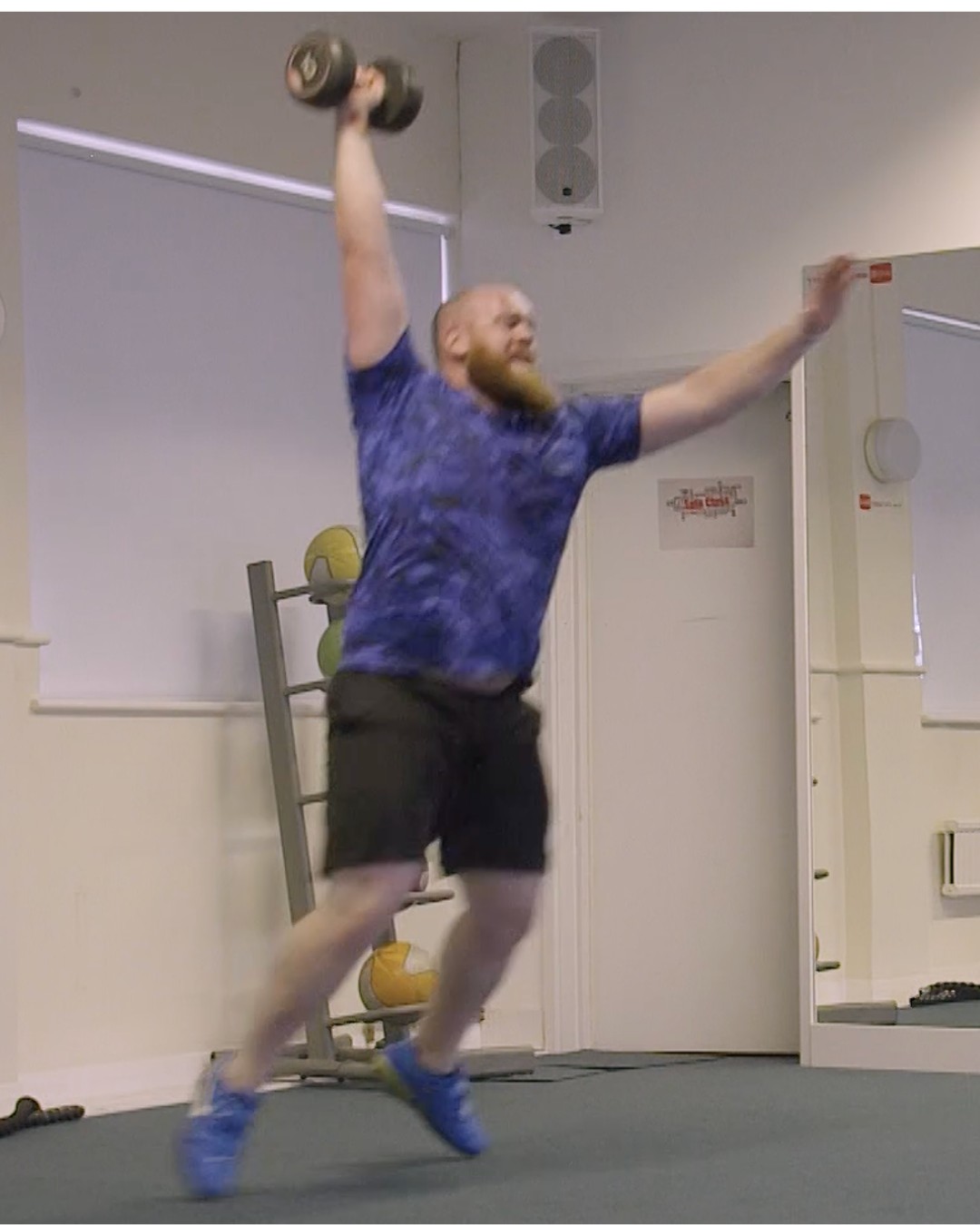
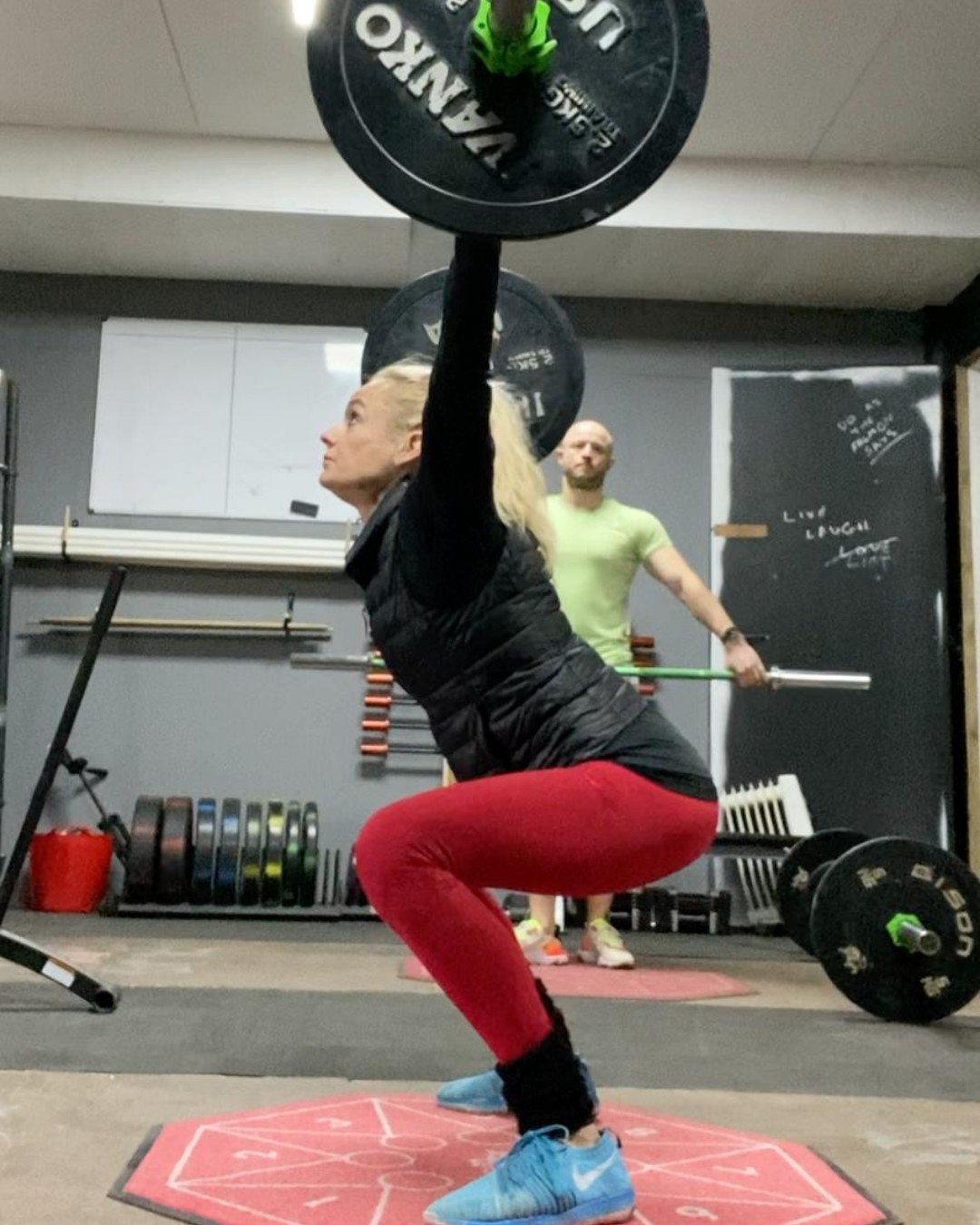
What Muscles Work In A Single-Arm Overhead Squat, And Why One Side Of The Trunk Works Harder Than The Other
A single-arm overhead squat works the shoulder and rotator cuff holding the load locked out, the quads and glutes through the squat, and the obliques resisting the trunk tipping toward the loaded side. The four steps that produce that answer are taught on our CIMSPA-recognised personal training course, and they work on any exercise.

Become a Personal Trainer
A Client Doesn't Stop Coming Because They're Lazy, They Stop For One Of Four Reasons
Level 3 sorts every reason a client drifts off into four categories, physical, emotional, motivational or time, found through open questions in the consultation rather than guessed at afterwards. One of the things you learn on our CIMSPA-recognised personal training course is how to ask for the real one.
Business & Clients
Today's Two Posts Both Only Had To Be Solved Once, And PT Manager's Client Record Keeps It That Way
Today's first post found that a client drops off for one of four reasons, and the real one is found by asking, never guessed at. Today's second found that a client's movement doesn't have to be relearned from scratch for a new situation, because it's built into a pattern first. PT Manager's client record is where the found answer actually lives, so nobody has to rediscover it next session.

Research
Your Client Isn't Learning A Squat, They're Learning A Pattern They Can Use Anywhere
Schema Theory explains why a client who's practised a squat with a light dumbbell can still squat on a balance board they've never stood on. Skill-Driven Mobility Coach teaches it as one of two ways motor skill learning actually works, and it changes what "teaching a movement" means.
Business & Clients
Today's Two Posts Both Found The Answer In What Stayed Still, And PT Manager Writes The Client's Number Down Every Week
Today's first post found that a Romanian deadlift is defined by the joint that barely moves, not the one that does. Today's second found a client's real measure of progress in the thing they never say out loud. PT Manager's weekly goal check-in does the same job on a client's own number: it asks for it every week, so it isn't left to memory.
Become a Personal Trainer
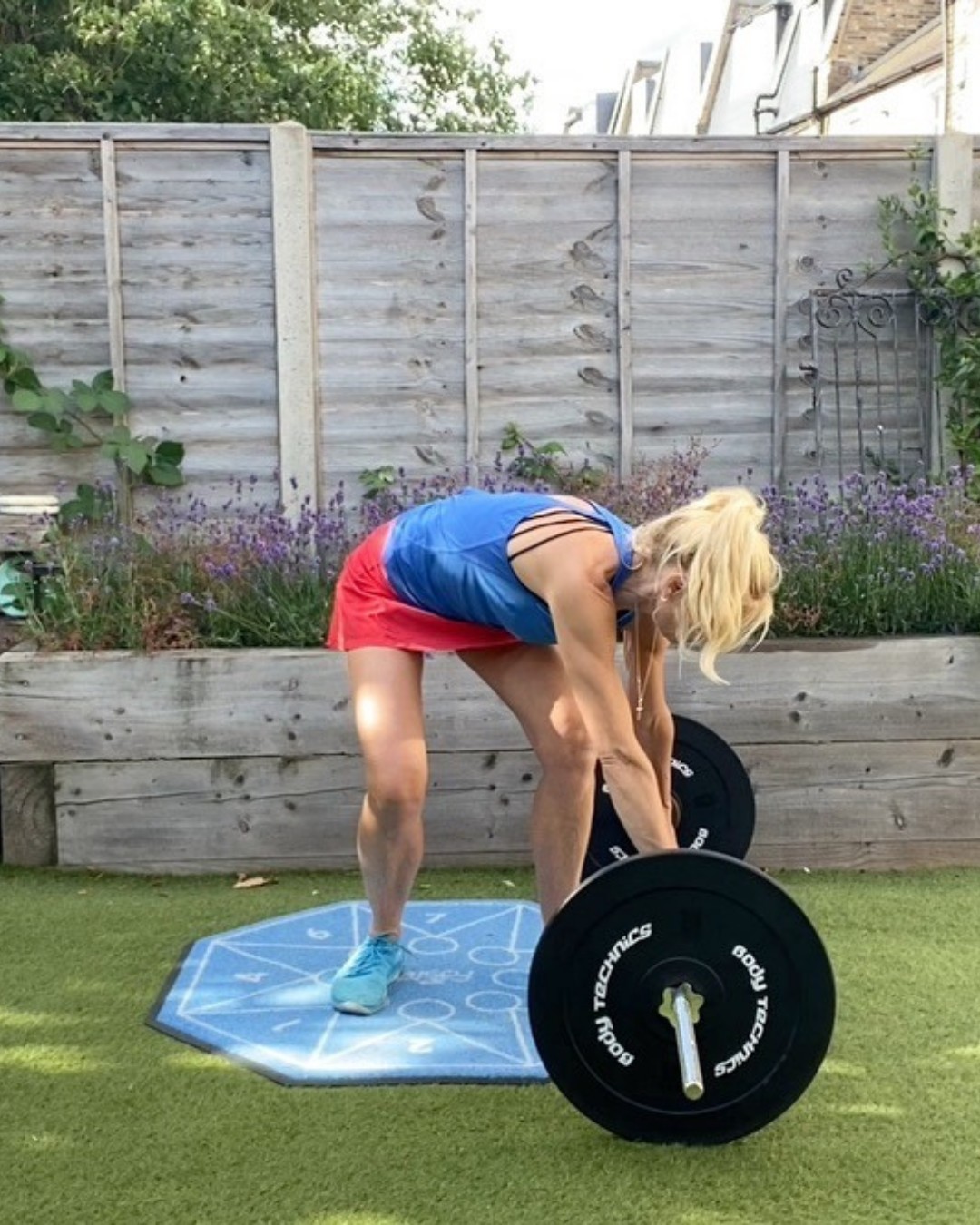
What Muscles Work In A Romanian Deadlift, And Why It Reads Different To A Deadlift From The Floor
A Romanian deadlift works the hamstrings and glutes through a hip hinge, with the erector spinae holding the spine and the grip and lats keeping the bar close. The four steps that produce that answer are taught on our CIMSPA-recognised personal training course, and they work on any exercise.
Business & Clients
Your Client Has A Second Scoreboard, And They've Never Told You What's On It
Movement Trainer's interview stage asks a trainer to find how a client will secretly measure themselves when nobody's looking, alongside what they're willing to give up and what would put them off. A programme built on the scale alone is built on half the answer.
Business & Clients
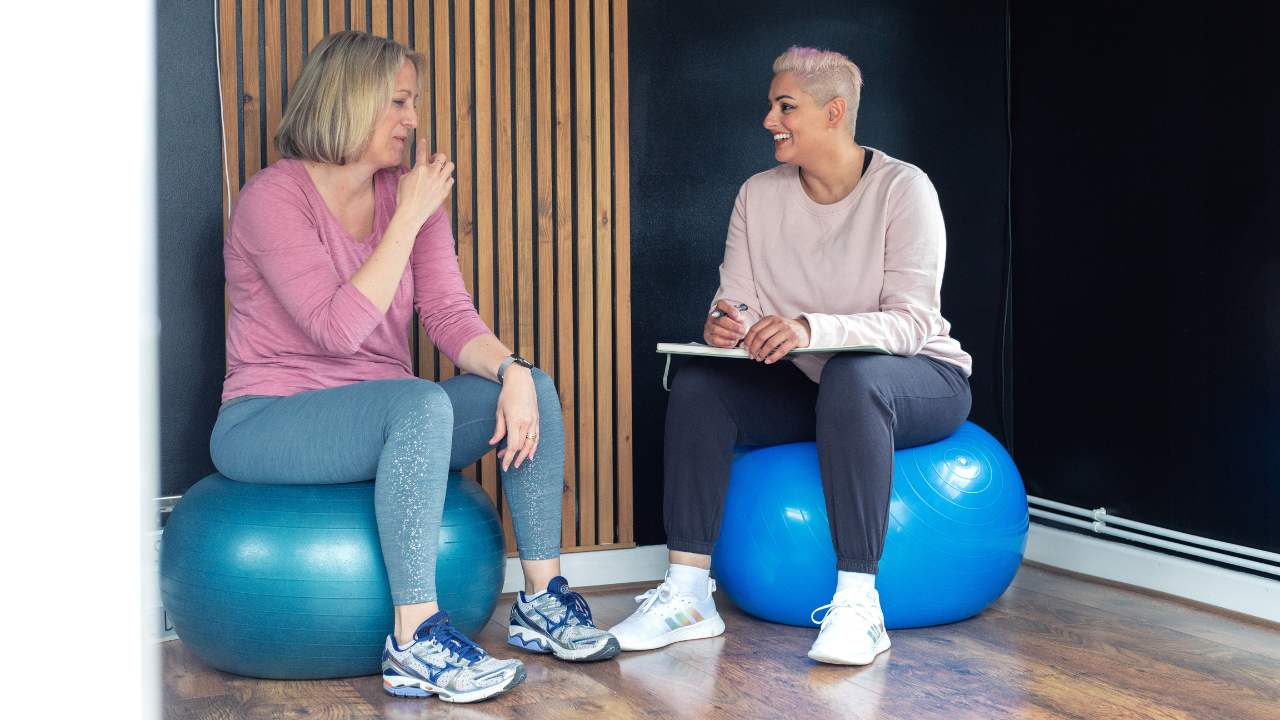
A Client's First Answer Is The Surface Goal, And The Interview Still Has Two Steps Left
Movement Trainer teaches the interview as three priorities in order: check scope of practice, find the real end goal behind what a client first says, then define the biomechanics that goal actually needs. Building an assessment before all three is done builds it on the wrong goal.
Business & Clients
Today's Two Posts Both Found The Half Doing The Quiet Work, And PT Manager Keeps It On The Record
Today's first post found the standing leg doing as much work as the one that kicks. Today's second found the real goal sitting behind the first sentence a client says. PT Manager's client room does the same job on paperwork: a form that's been sent but not filled shows it, so nothing goes missing by being forgotten.
Become a Personal Trainer
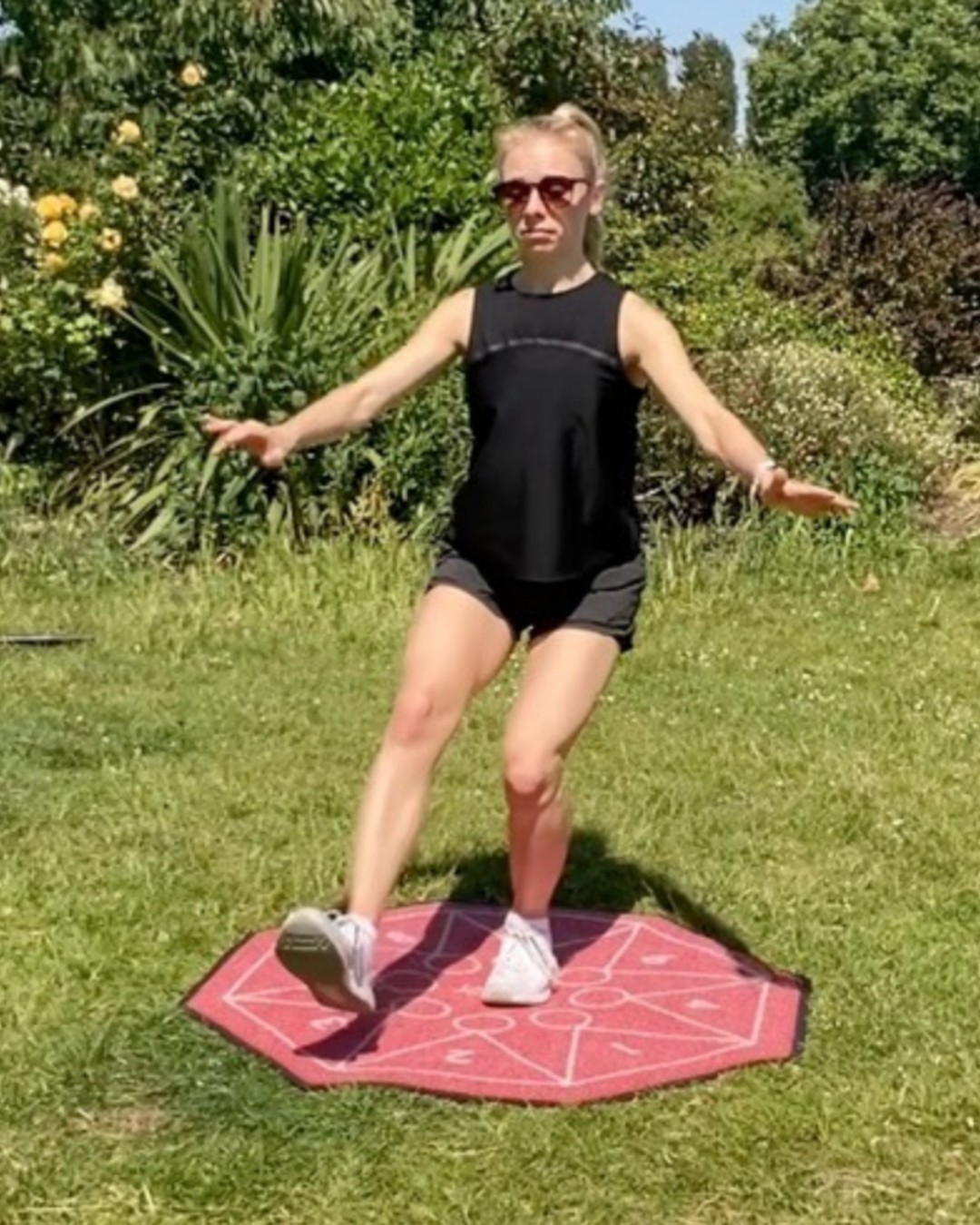
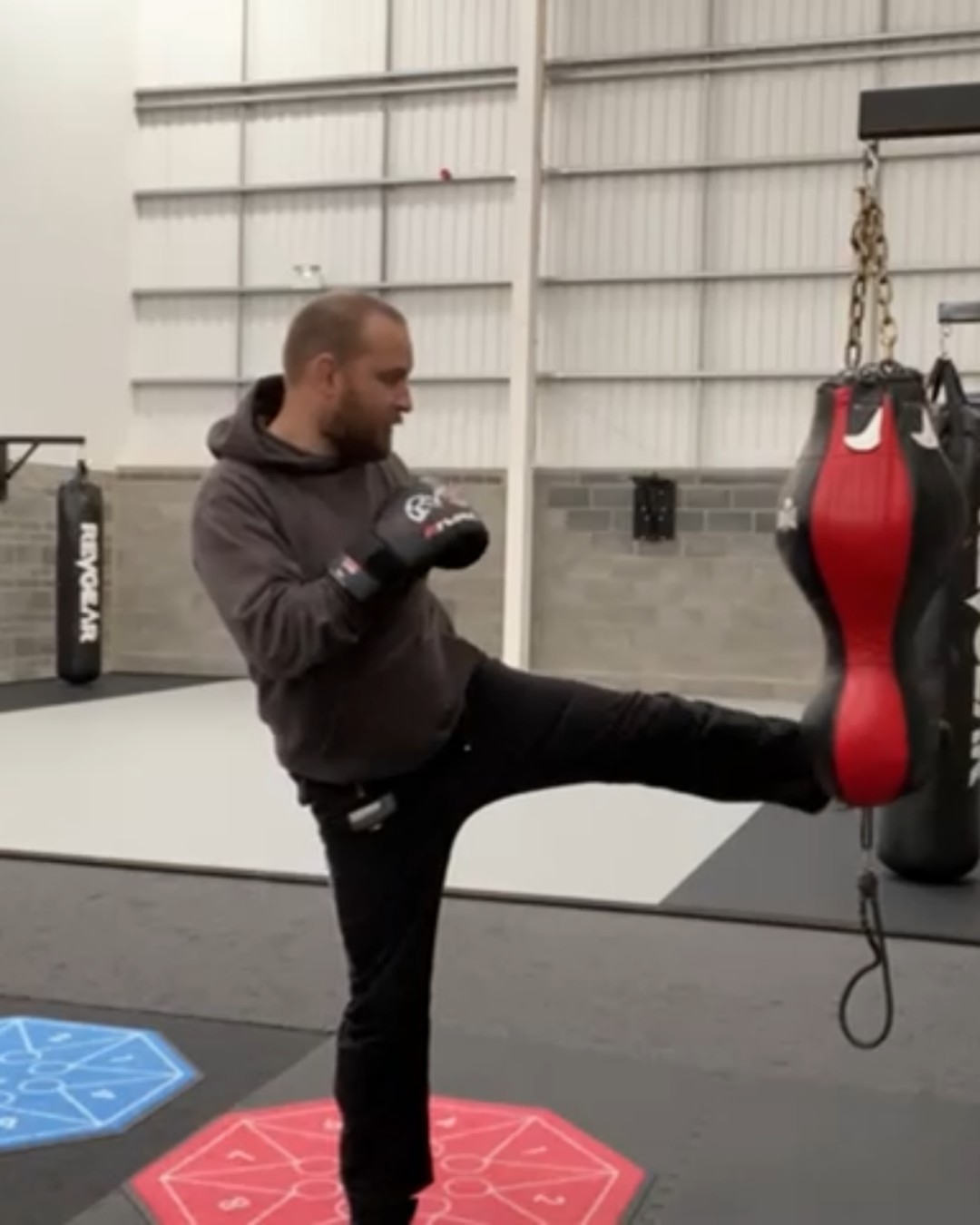
What Muscles Work In A High Kick, And Why The Standing Leg Does As Much As The One That Moves
A high kick asks the standing leg's glutes and hip to hold the whole body up on one foot while the kicking leg's hip flexors and quads do the visible work. The four steps that produce that answer are taught on our CIMSPA-recognised personal training course, and they work on any exercise.
Coaching & Mindset
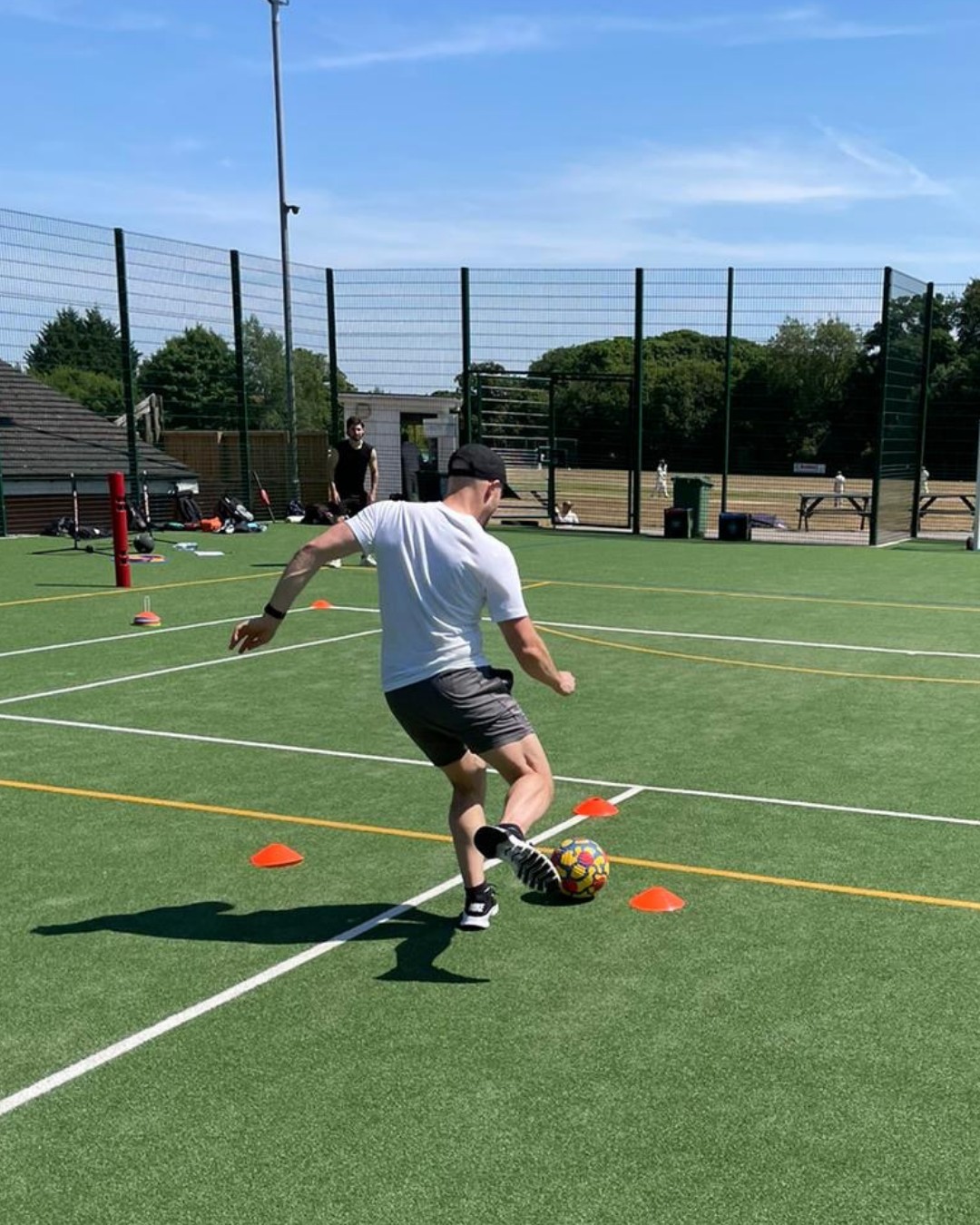
Brazil Didn't Teach Better Ball Control, They Shrunk The Ball
Movement Trainer teaches a constraint-led approach: change what's in the room, the task or the rules, and a client finds the movement without being told what to do. Futsal's smaller ball is the course's own example, and the same idea works on a gym floor with no exercise list to memorise.
Business & Clients
Today's Two Posts Both Look For What's Actually Happening, And PT Manager's Live Analyser Shows The Number
Today's first post named a hip job a walking lunge asks for that a lunge returning to standing doesn't. Today's second named which lever, the environment, the task or the individual, actually fixes a movement instead of a longer explanation. Both come down to knowing what's actually happening before you act on it, and PT Manager's Live Analyser puts a live number on it.
Become a Personal Trainer
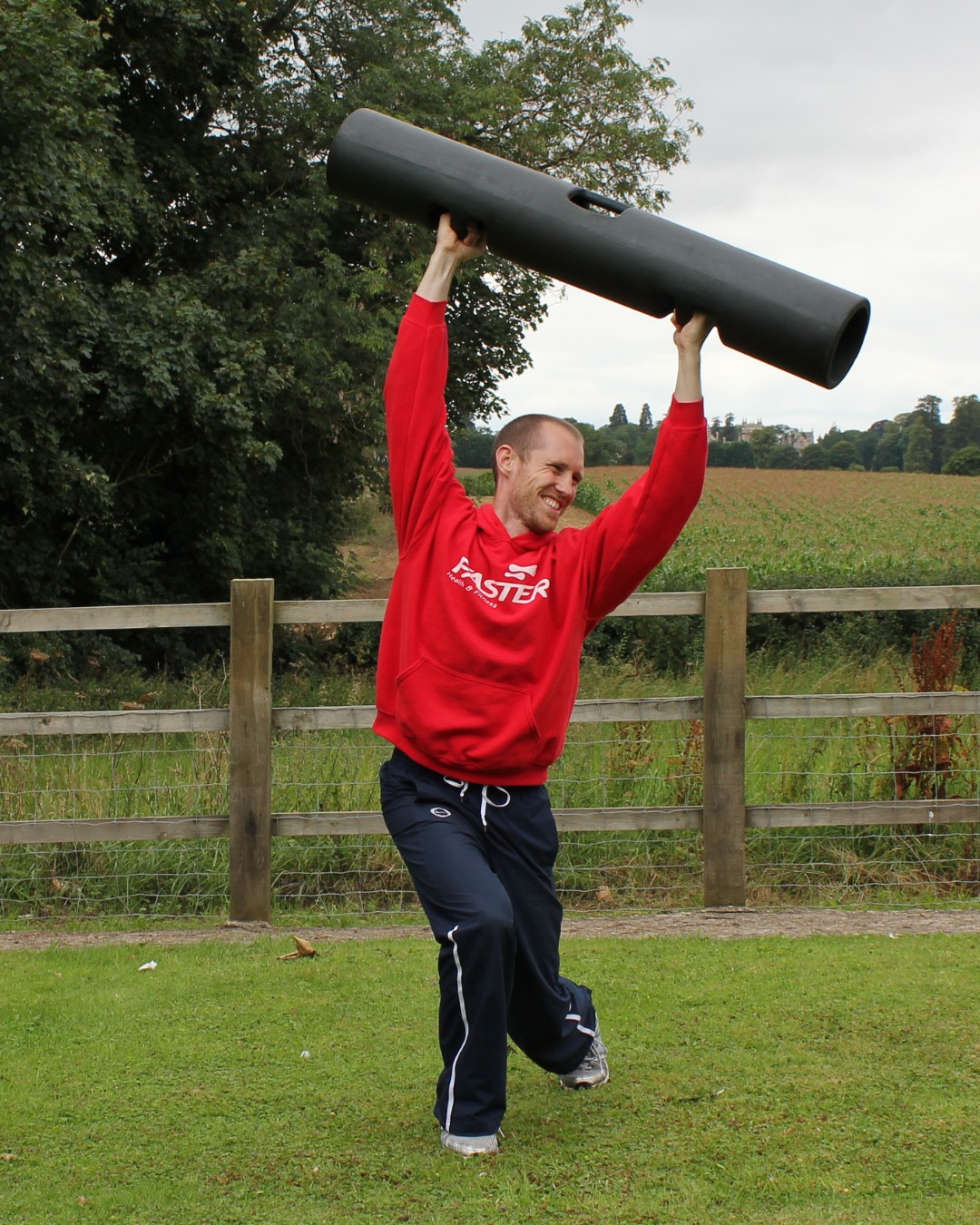
What Muscles Work In A Walking Lunge, And Why The Answer Isn't The Same As A Lunge
A walking lunge asks the glute medius and hamstrings to do a job a lunge that returns to standing never asks for, because the body is landing on a moving base instead of a fixed one. The four steps that produce that answer are taught on our CIMSPA-recognised personal training course, and they work on any exercise.
Coaching & Mindset
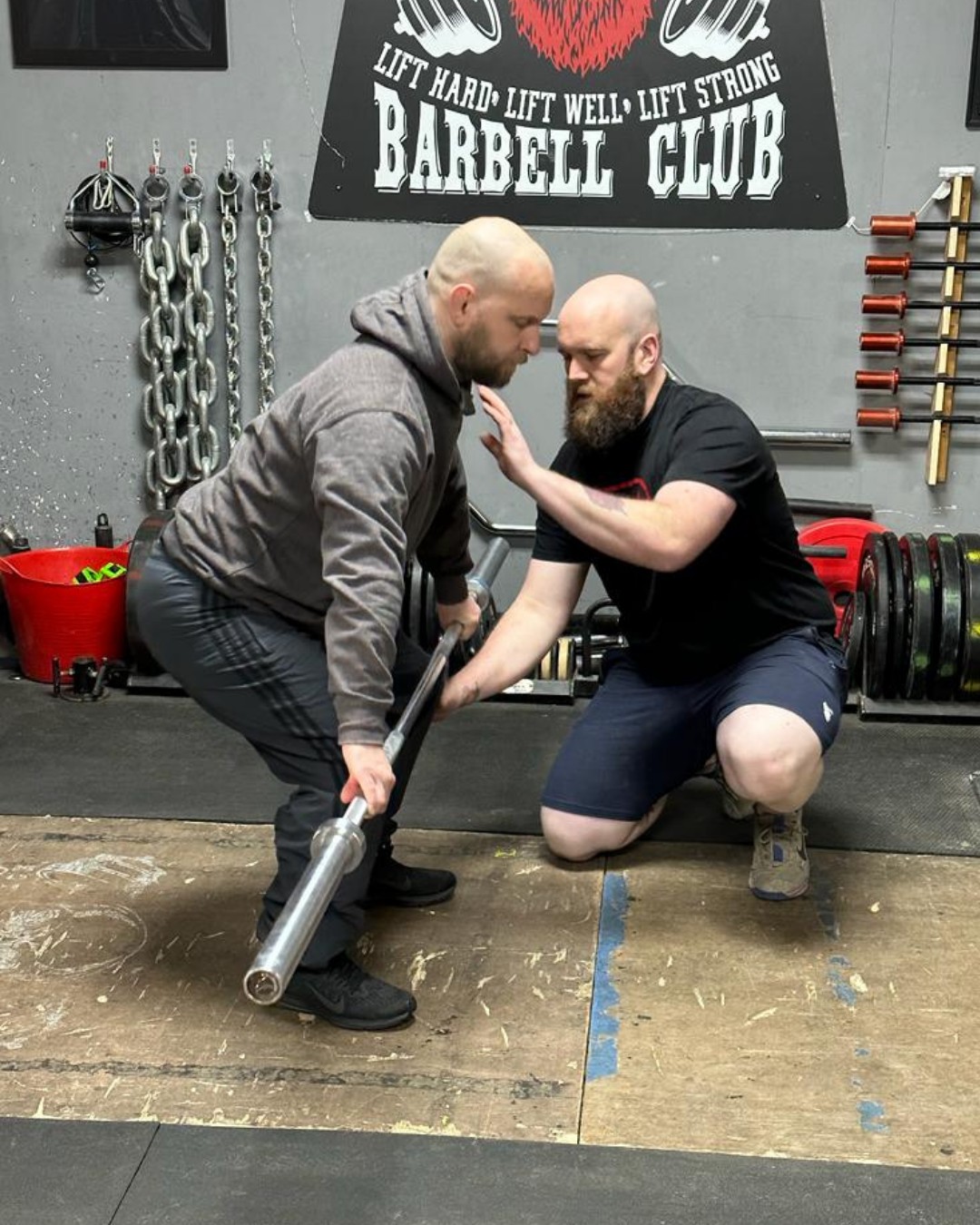
Fix One Piece Of A Movement Before You Mention The Next One
Movement Trainer teaches chunking: break a complex movement into smaller pieces and give feedback on one chunk at a time, rather than a full list of corrections in one go. A client can only hold so much in their head mid-set, and a trainer who knows that gets more changed, not less.
Business & Clients
Today's Two Posts Both Take Things One Piece At A Time, And PT Manager's Notes Stay Pinned To The Second
Today's first post held one still position and named the muscles doing the work, not the whole body's worth of exercises at once. Today's second broke a movement's feedback into single chunks instead of a full list. PT Manager's Analysis Notes does the same thing to a client's video: every note is stamped to the exact second it belongs to.
Become a Personal Trainer
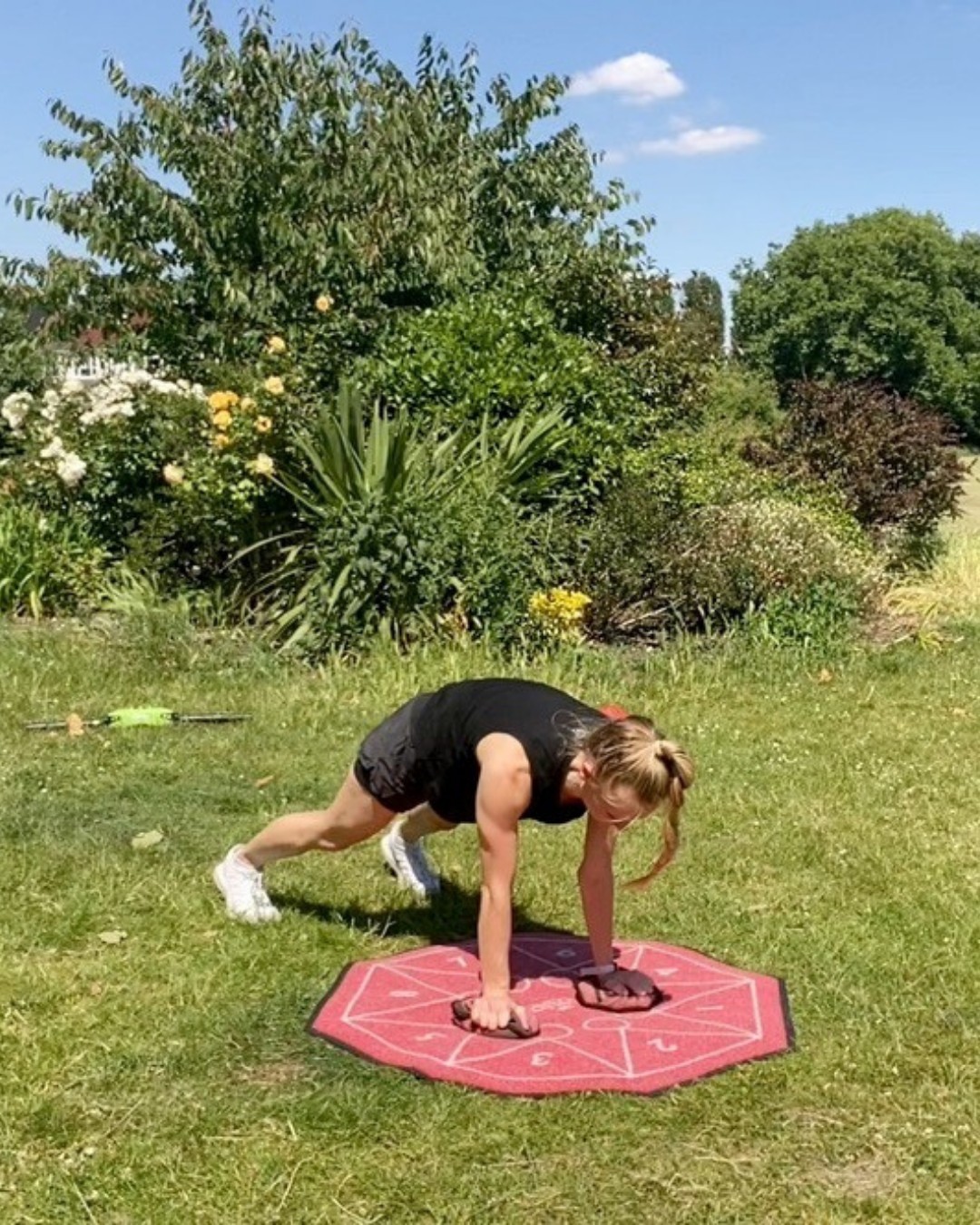
What Muscles Work In A Beast Position, And How To Work It Out For Any Exercise
A beast position is held by the shoulder stabilisers and hip flexors doing the same job a bear crawl does mid-step, except nothing moves. The four steps that produce that answer are taught on our CIMSPA-recognised personal training course, and they work on any exercise.
Workouts & Exercises
Rest One Minute After A Heavy Lift, And The Jump That Follows Gets Stronger
Movement Trainer's Skeletons and Blocks system names a Contrast Training Block: pair a heavy strength exercise with a plyometric one to exploit the post-activation potentiation effect. The rest sits in two different lengths for two different reasons, and getting that order right is the whole block.
Business & Clients
Today's Two Posts Both Named One Option From A List, And PT Manager's Dice Rolls The Same List
Today's first post named the exact muscles working in a bear crawl, one exercise out of an unlimited list the same method can be pointed at. Today's second named Contrast Training, one block out of ten named blocks in Skeletons and Blocks. PT Manager's Dice and Wheel puts both kinds of list onto something a trainer can roll instead of picking cold, mid-session.
Become a Personal Trainer
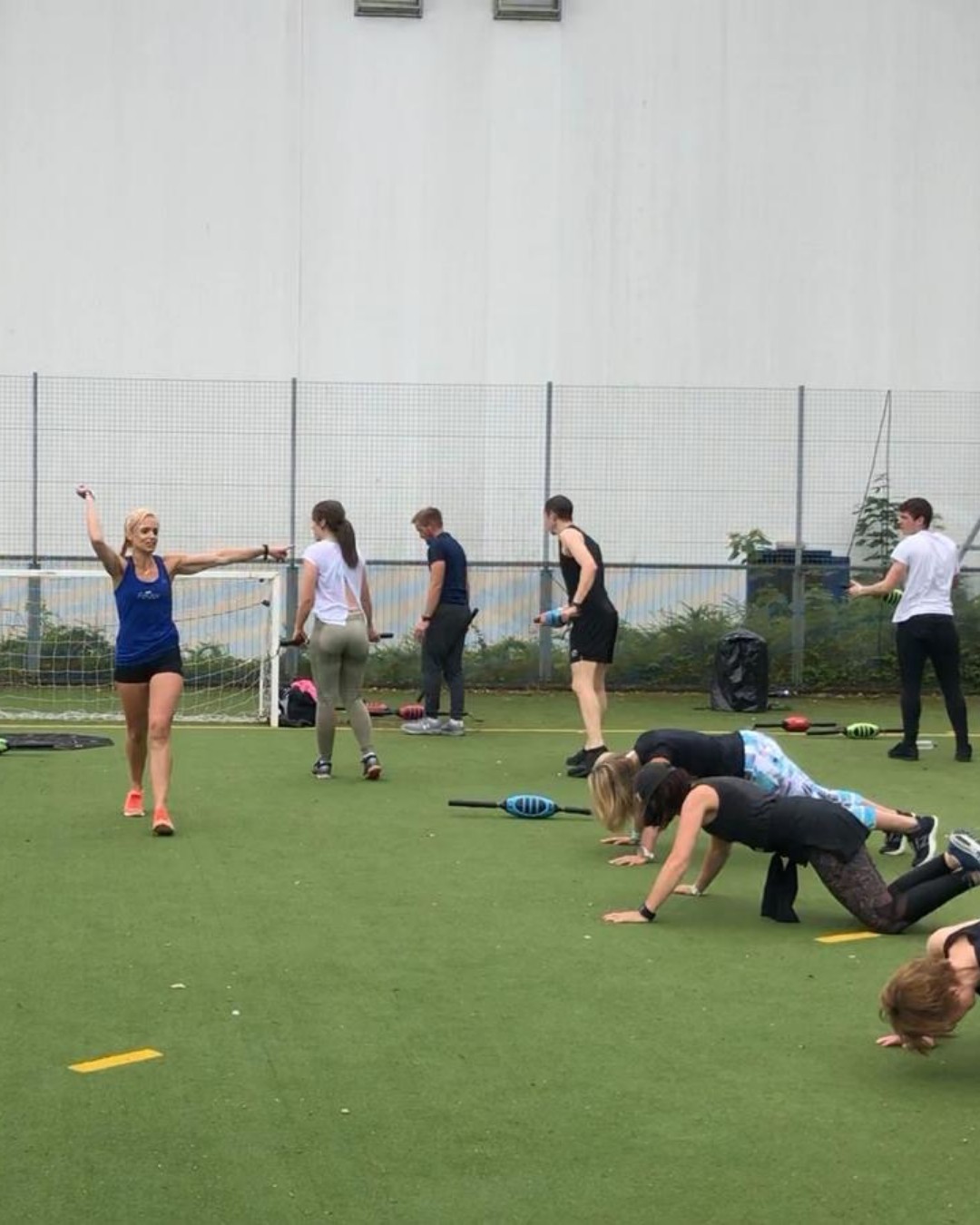
What Muscles Work In A Bear Crawl, And How To Work It Out For Any Exercise
A bear crawl is held together by the core resisting rotation and the shoulder stabilisers controlling the shoulder blade, because only two points of contact ever touch the ground at once. The four steps that produce that answer are taught on our CIMSPA-recognised personal training course, and they work on any exercise.
Coaching & Mindset
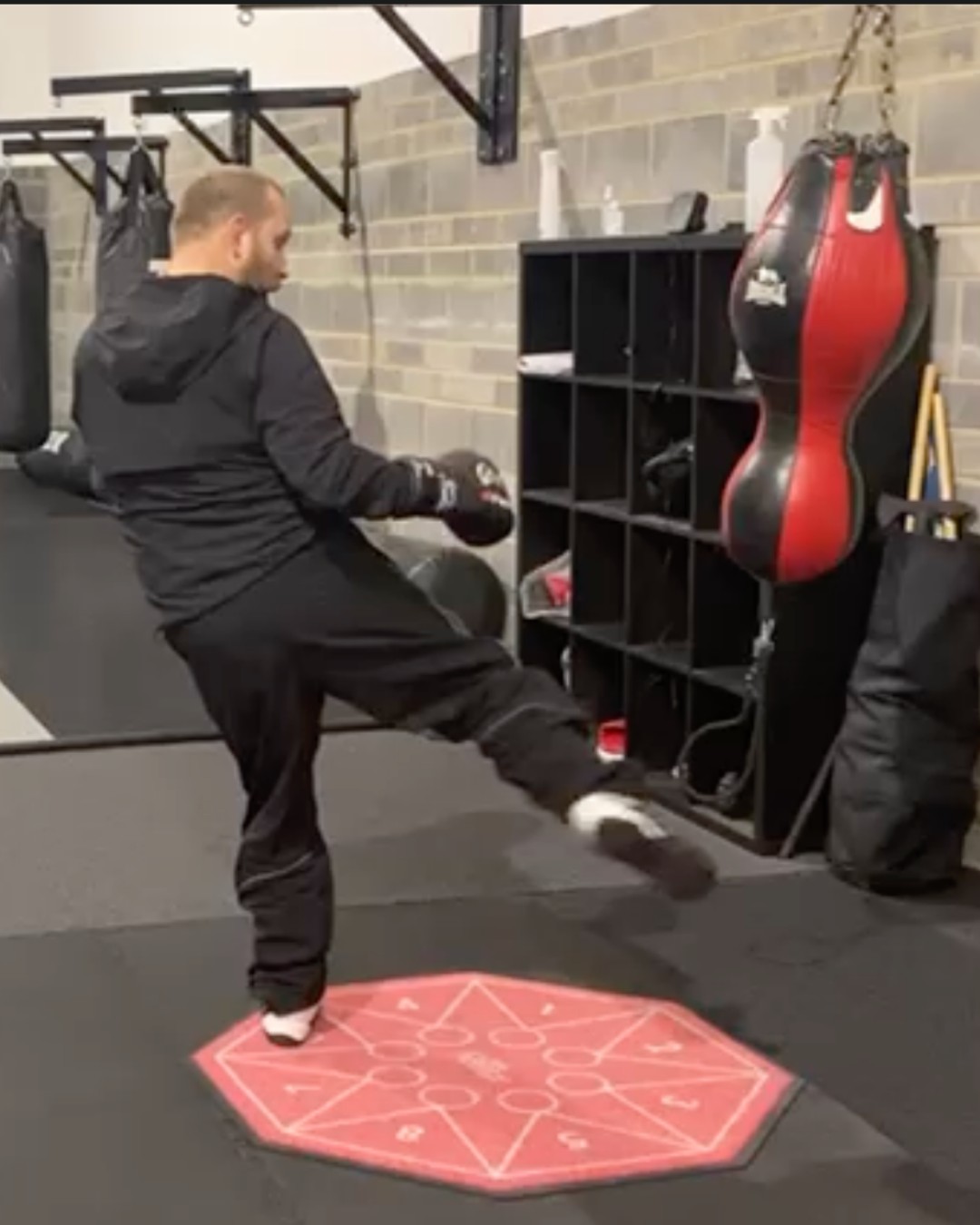
Give A Client A Target To Hit, And The Movement Looks After Itself
Movement Trainer teaches external targets: point a client at an outcome, a height or a distance to reach, rather than a body part to think about, and the movement organises itself more efficiently. The course also gives two ways to scale that target harder or easier without changing the exercise at all.
Business & Clients
Today's Two Posts Both Keep The Detail With The Trainer, And PT Manager's Radar Wheels Score It For The Client
Today's first post named the exact muscles working in a single-leg deadlift. Today's second said a client's attention should go to an external target, not a body part, even though the trainer still needs the detail to coach it well. PT Manager's Radar Wheels is where that detail becomes one simple score for the client to chase.
Become a Personal Trainer
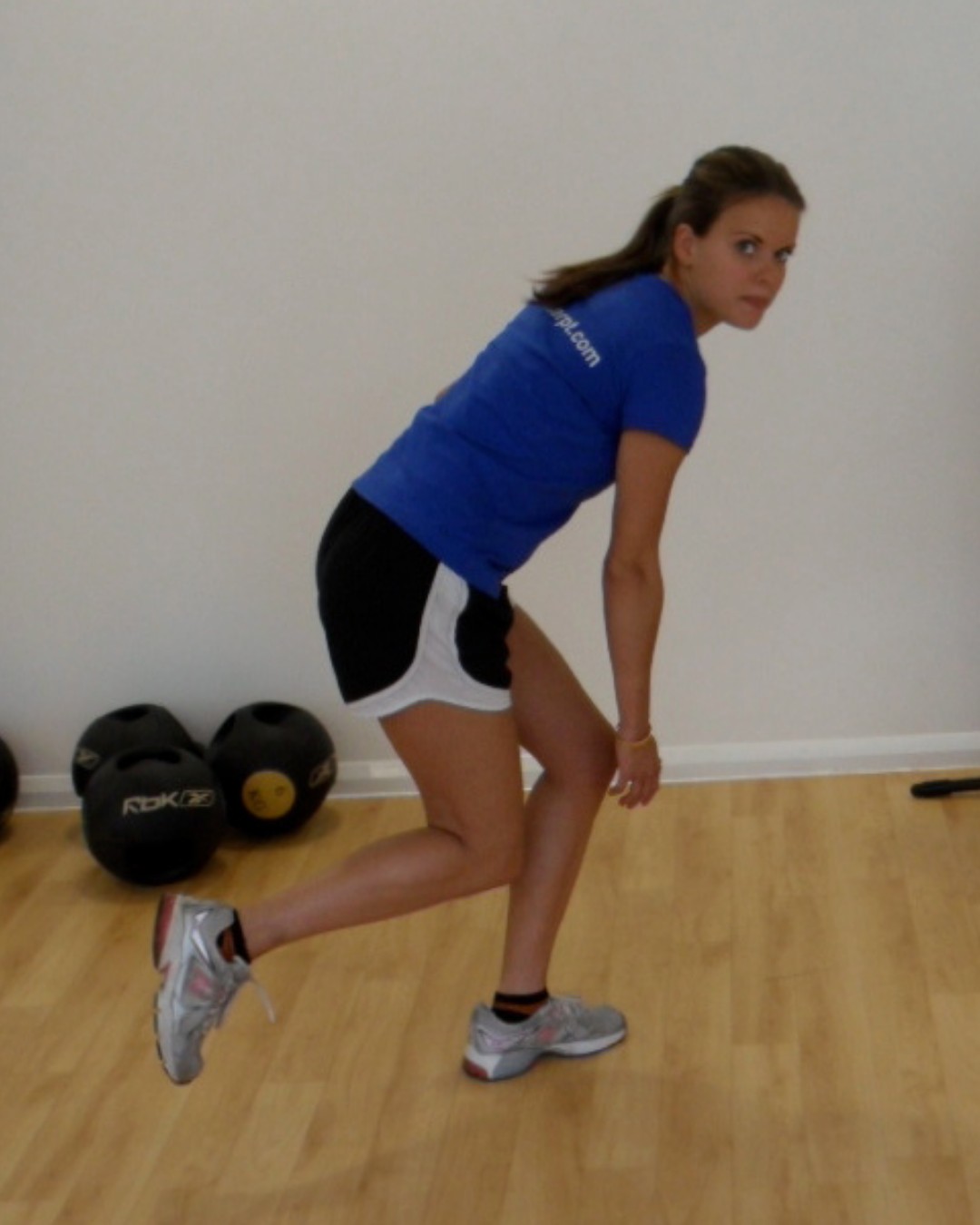
What Muscles Work In A Single-Leg Deadlift, And How To Work It Out For Any Exercise
A single-leg deadlift is held together by the hamstring and glute of the standing leg lengthening as the hip folds forward, with the glute medius and deep hip rotators doing a stabilising job a two-footed deadlift never asks for. The four steps that produce that answer are taught on our CIMSPA-recognised personal training course, and they work on any exercise.
Business & Clients
Today's Two Posts Both Check The Answer Before They Trust It, And PT Manager Keeps What Held Up
Today's first post ran a method to name the exact muscles working in a split squat instead of reciting a memorised list. Today's second named the fallacy in trusting a technique because someone with a following uses it. Both trade an inherited answer for a checked one, and PT Manager's two-way notes thread is where what a real client actually reports gets kept against their own record, not assumed from someone else's session.
Become a Personal Trainer
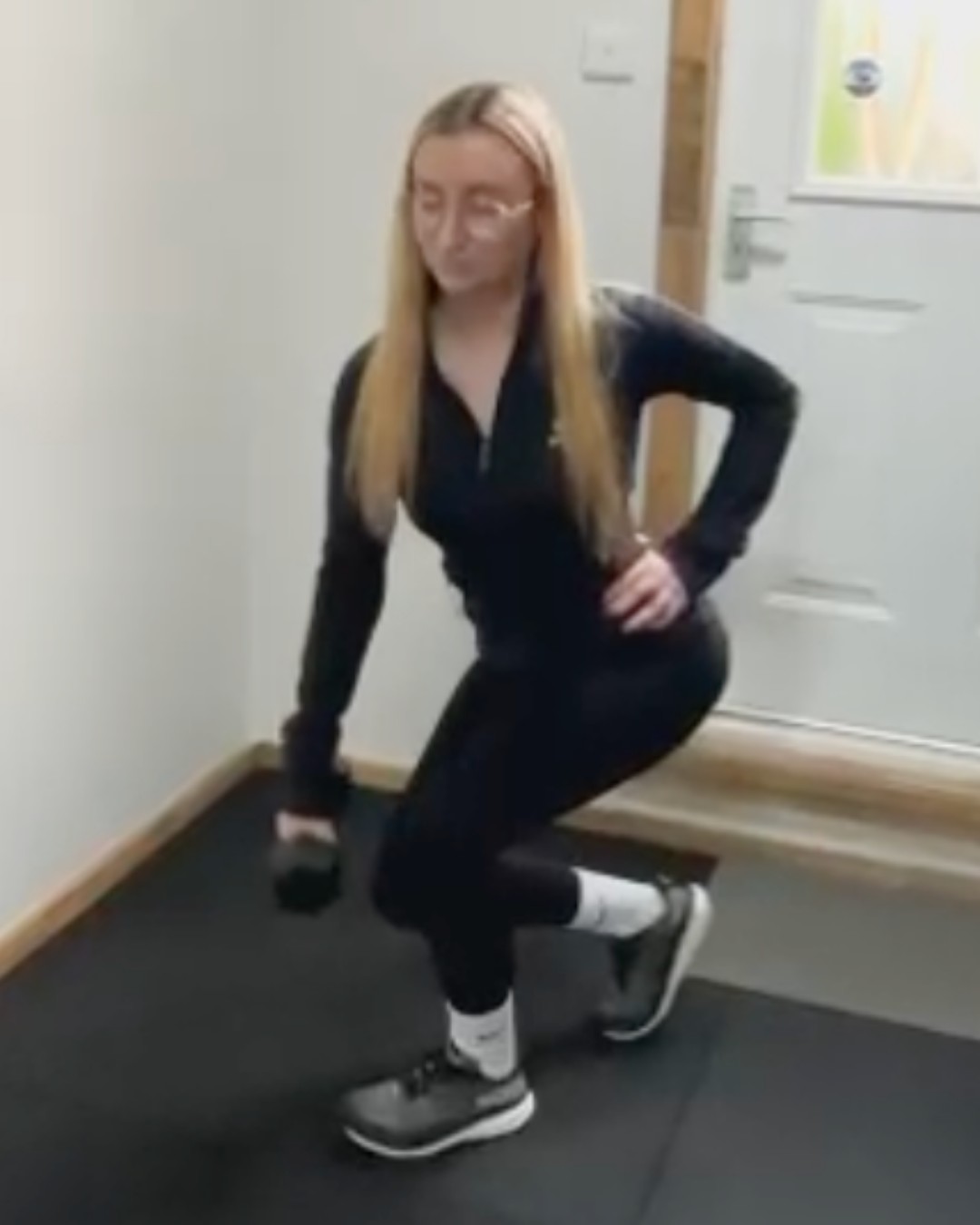
What Muscles Work In A Split Squat, And How To Work It Out For Any Exercise
A split squat is held together by the glutes and quads of the front leg lengthening on the way down and the hip flexors of the rear leg stretching under bodyweight, with the front glute medius and deep core doing the stabilising a bilateral squat never has to. The four steps that produce that answer are taught on our CIMSPA-recognised personal training course, and they work on any exercise.
Research
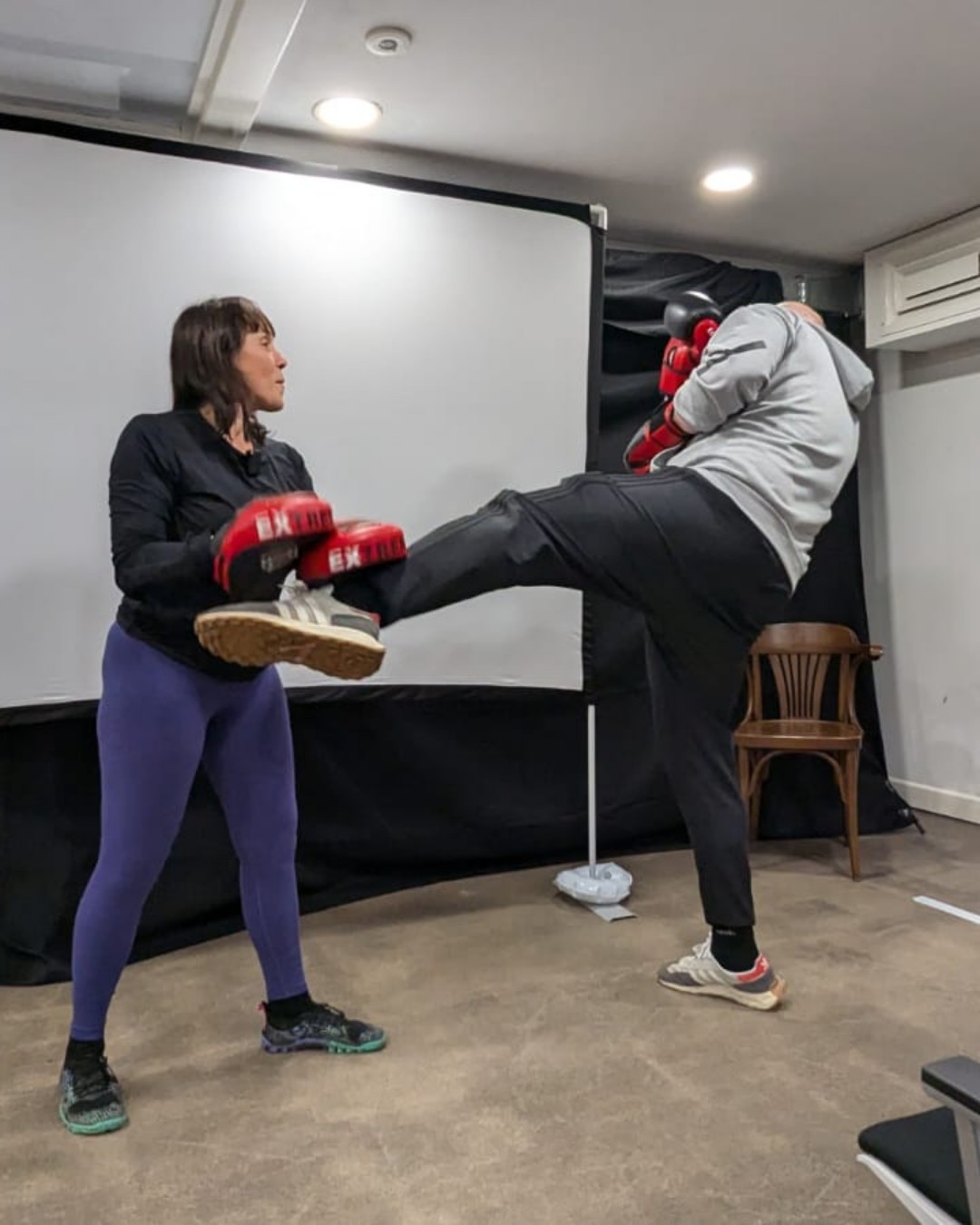
How To Check A Coaching Technique Before You Use It On A Client
Movement Trainer names three fallacies that move through the fitness industry unchecked: appeal to nature, appeal to authority, and post hoc. If someone has a technique, they're usually calling to authority. Here's how to hear it before you repeat it.
Workouts & Exercises
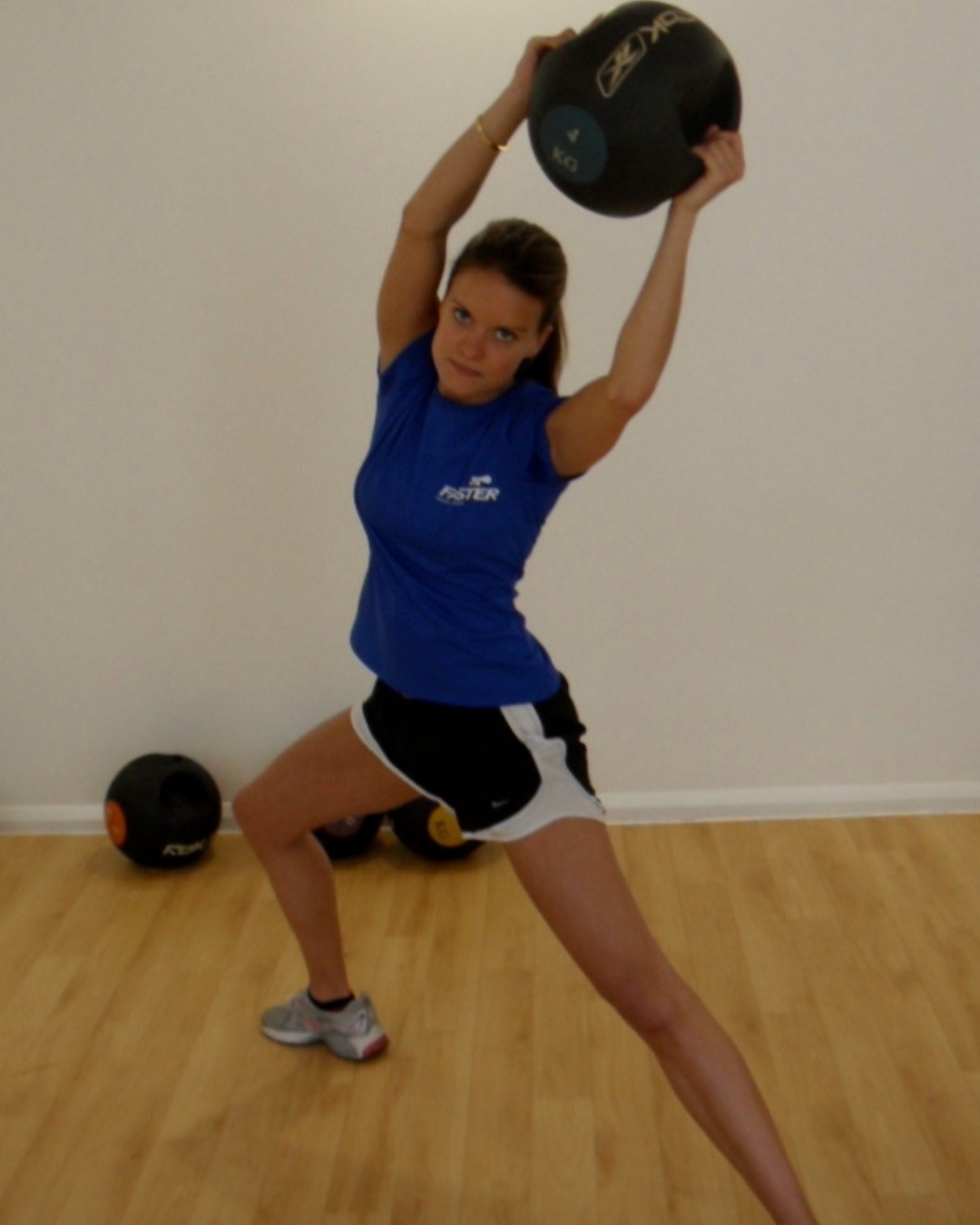
The Same Exercise Has Fourteen Ways Left Before It Needs Replacing
Movement Trainer's Building Exercise Progressions lesson lists fourteen separate dials a trainer can turn on one exercise — weight, tempo, angle, range of motion, unilateral loading and more — before a client's programme ever needs a genuinely new movement.
Business & Clients
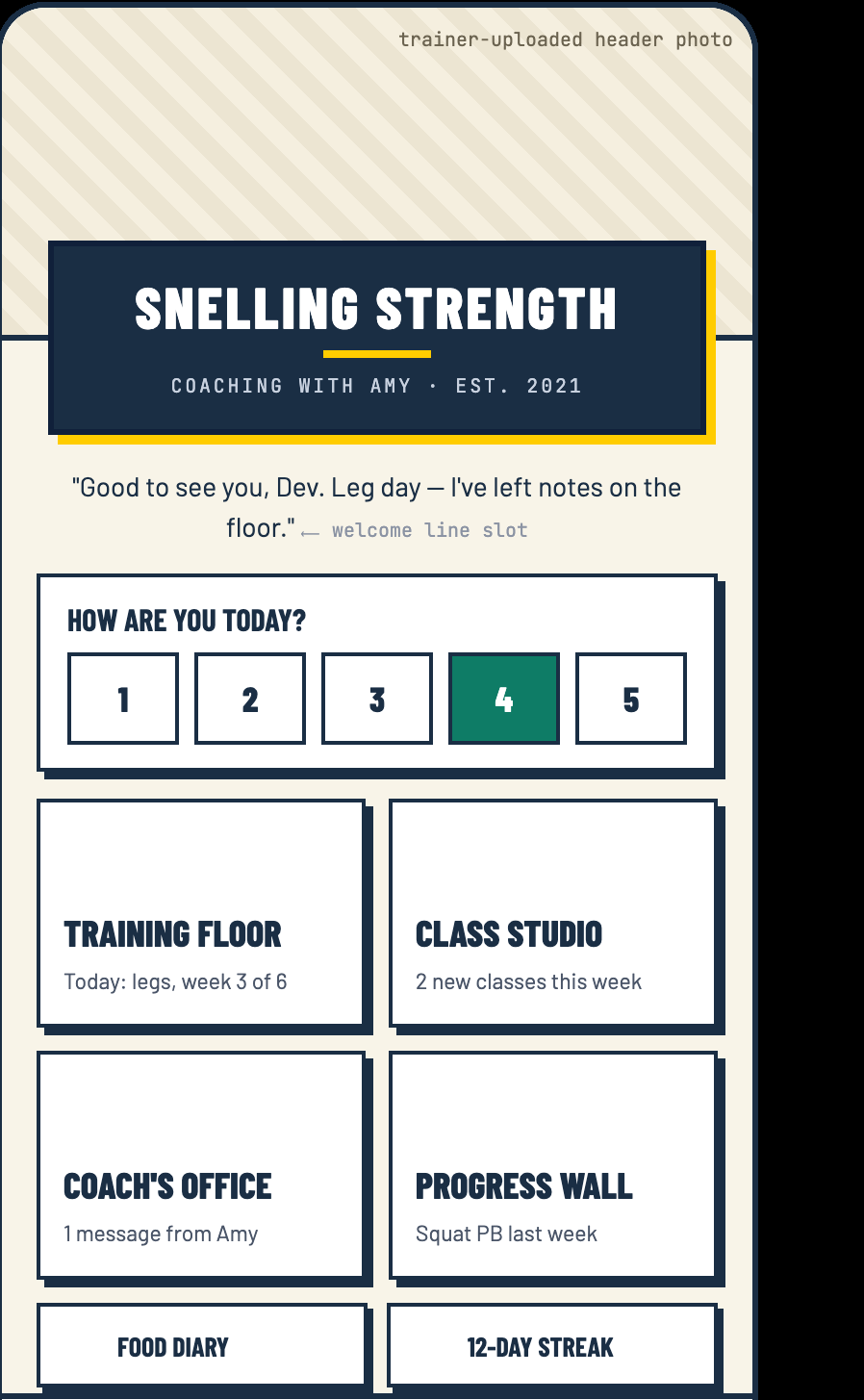
Today's Two Posts Both Turn One Method Into Many Answers, And PT Manager Remembers Which One A Client Got
Today's first post ran one method to name the exact muscles working in a lateral shuffle. Today's second named fourteen exact ways to progress a single exercise. Both replace a vague general answer with a specific one, and PT Manager's white-labelled Training Floor is where that specific choice gets kept against a client's own record, not reconstructed from memory.
Become a Personal Trainer
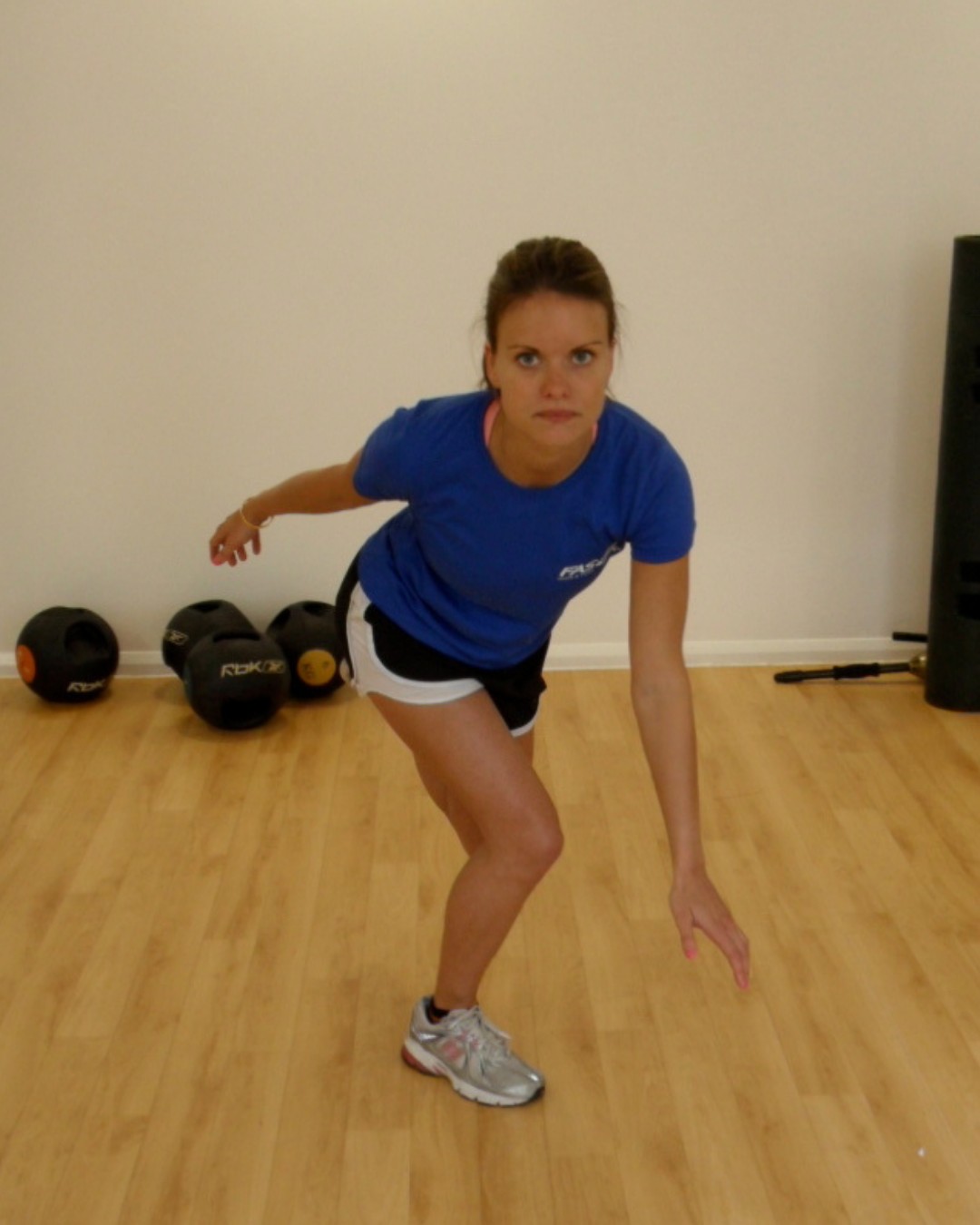
What Muscles Work In A Lateral Shuffle, And How To Work It Out For Any Exercise
A lateral shuffle is held together by the adductors and glute medius of the leading leg absorbing the sideways glide, and the glutes, quads and hamstrings of the trailing leg driving the push-off. The four steps that produce that answer are taught on our CIMSPA-recognised personal training course, and they work on any exercise.

Research
A Diet Can Work And Still Be Wrong About Why
FASTER's Results-Based Nutrition Coach course teaches trainers to separate whether a diet worked from why a client thinks it worked, using the Palaeolithic diet as the worked example.
Business & Clients
Today's Two Posts Both Split One Claim Into Two, And PT Manager Keeps The Proven Half
Today's first post split personal trainer insurance into two separate covers. Today's second split a diet's result from its founding story. Both are the same habit, and PT Manager's white-labelled client record is where the proven half of it gets kept, under a trainer's own brand, not borrowed from someone else's.
Become a Personal Trainer
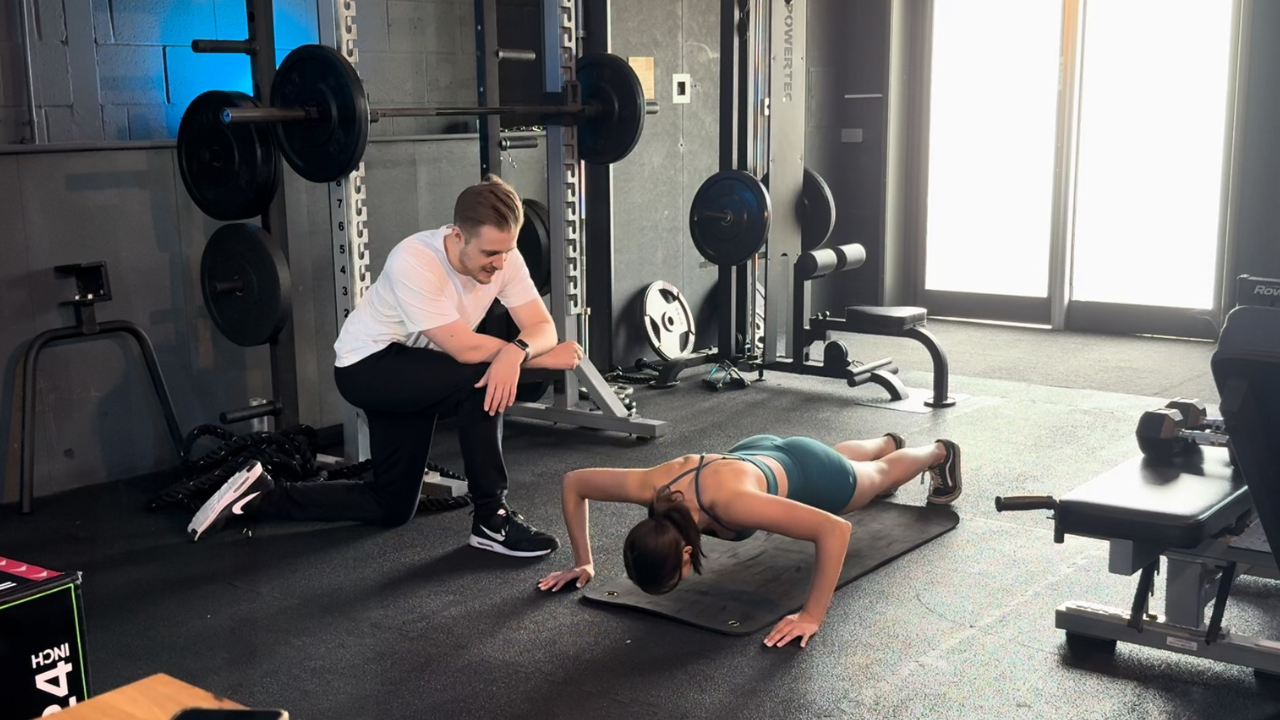
Your Insurance Has Two Halves, And The Programme You Write Needs The Second
Before you ever need it, Level 2/3 teaches you exactly what Personal Liability and Professional Indemnity insurance has to cover once you're training clients for money.
Workouts & Exercises
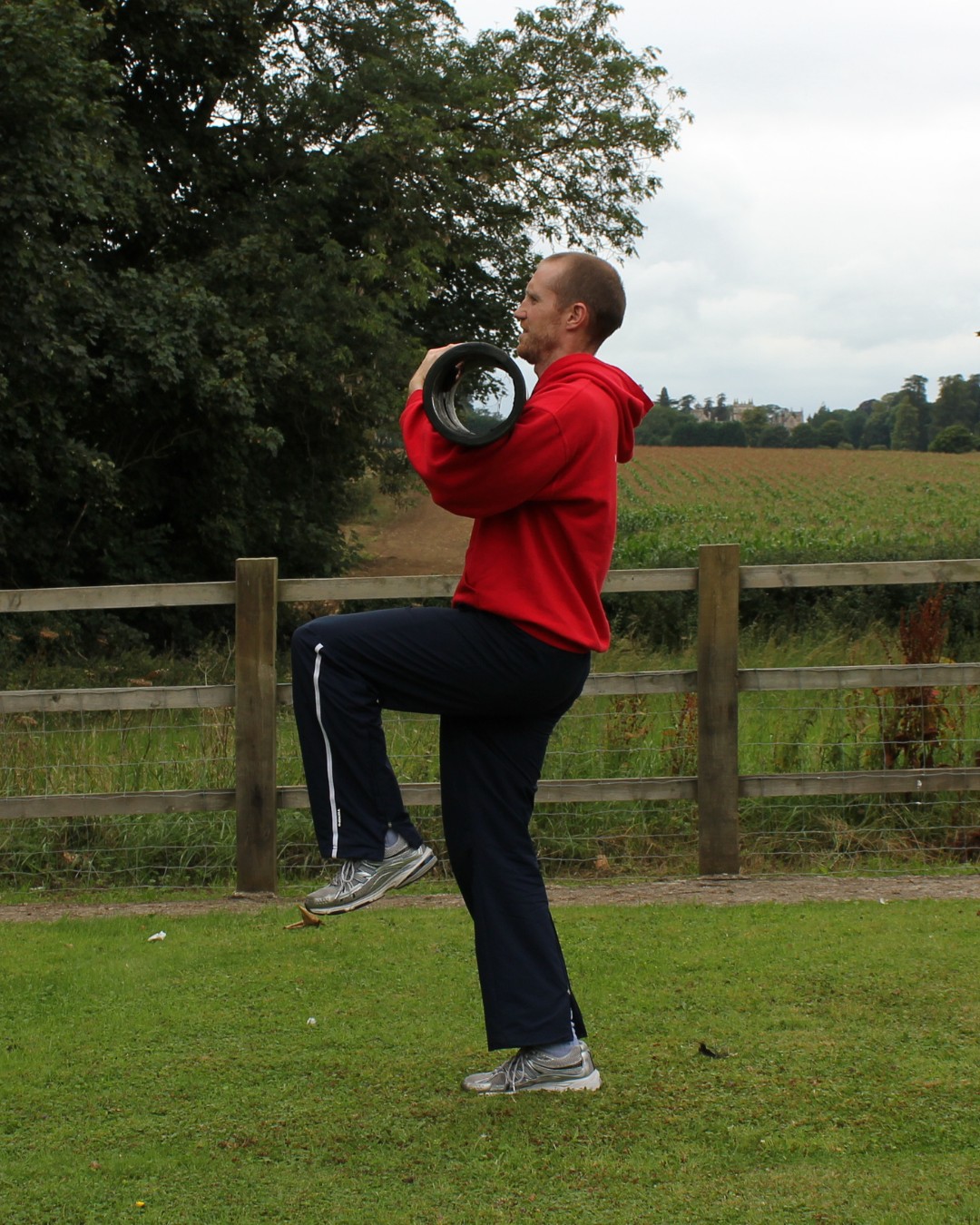
Kit Doesn't Create Exercises, Force Does, And That's Why You Never Run Out
Movement Trainer sorts every piece of kit in a gym into three jobs it can do to a body — enhance gravity, magnify momentum, or make the floor unpredictable — instead of sorting it by name or brand. Once a trainer can read the job, the same kettlebell becomes three different tools, and the room is never short of exercises.
Business & Clients
Today's Two Posts Both Refuse To Guess, And PT Manager's Programme Builder Remembers The Answer
Today's first post ran the four-step method on a lateral lunge instead of guessing at 'legs and core.' Today's second sorted gym kit by what it actually does instead of what it's called. Both refuse the vaguer, easier answer, and PT Manager's programme builder is where that habit gets saved into a programme instead of re-worked out from memory every session.
Become a Personal Trainer
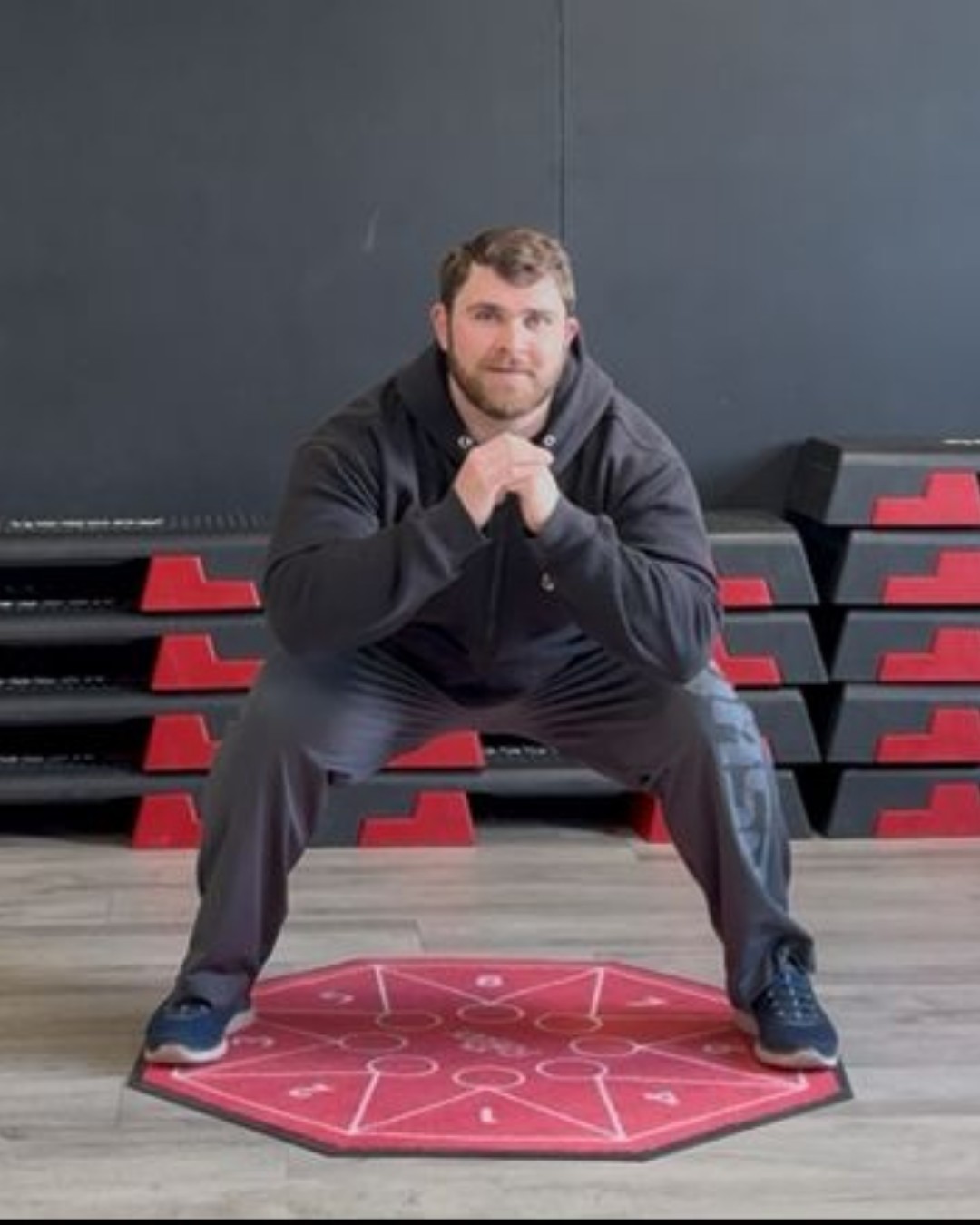
What Muscles Work In A Lateral Lunge, And How To Work It Out For Any Exercise
A lateral lunge is held together by the glutes and quads of the bending leg controlling the descent, and the adductors of the straight leg lengthening as it slides away, then pulling the body back to centre. The four steps that produce that answer are taught on our CIMSPA-recognised personal training course, and they work on any exercise.
Business & Clients
Show The During, Not Just The Before And After, And Clients Refer You For It
Fitness Business Accelerator's module on trust says the fastest way to lose a client's confidence is hyperbole, an impossible transformation photo or a stretched qualification, and the fastest way to build it is the opposite: share the real timeline, the during as well as the before and after, and admit plainly what you can't do.
Business & Clients
Today's Two Posts Both Pick Truth Over Hype, And PT Manager Shows The Client The Same Numbers
Today's first post gave the exact muscles holding a hip hinge together, instead of the vaguer 'core' answer the industry is happy with. Today's second gave the case for showing a client the honest during, not just a before and after. Both come down to the same habit, and PT Manager's client home puts it into the product: the client's login shows the same real record the trainer works from.
Become a Personal Trainer
What Muscles Work In A Hip Hinge, And How To Work It Out For Any Exercise
A hip hinge is held together by the glutes and hamstrings lengthening as the hips push back, assisted by the adductor magnus and erector spinae, and supported by the deep core and the ankle stabilisers. The four steps that produce that answer are taught on our CIMSPA-recognised personal training course, and they work on any exercise.

Coaching & Mindset
Clients Remember The Trainer Who Laughs At Themselves, Not The One Who's Trying To Be Funny
Fitness Business Accelerator's module on how funny works says a joke lands when an expectation isn't met but the link still makes sense, and the surest way to get there is revealing something ordinary and human, not performing a routine. It also carries a rule most trainers never hear stated out loud: always hit up, never down, and the safest target is yourself.
Business & Clients
Today's Two Posts Both Turn Up In The Same Session, And PT Manager Already Has It On The Schedule
Today's first post gave the method for reading exactly which muscles hold up a single-leg overhead reach. Today's second gave the reason a trainer who can laugh at themselves gets remembered. Both show up together the moment a video review call sits on a trainer's PT Manager home, next to the Analyse and Content tools that carry them out.
Become a Personal Trainer
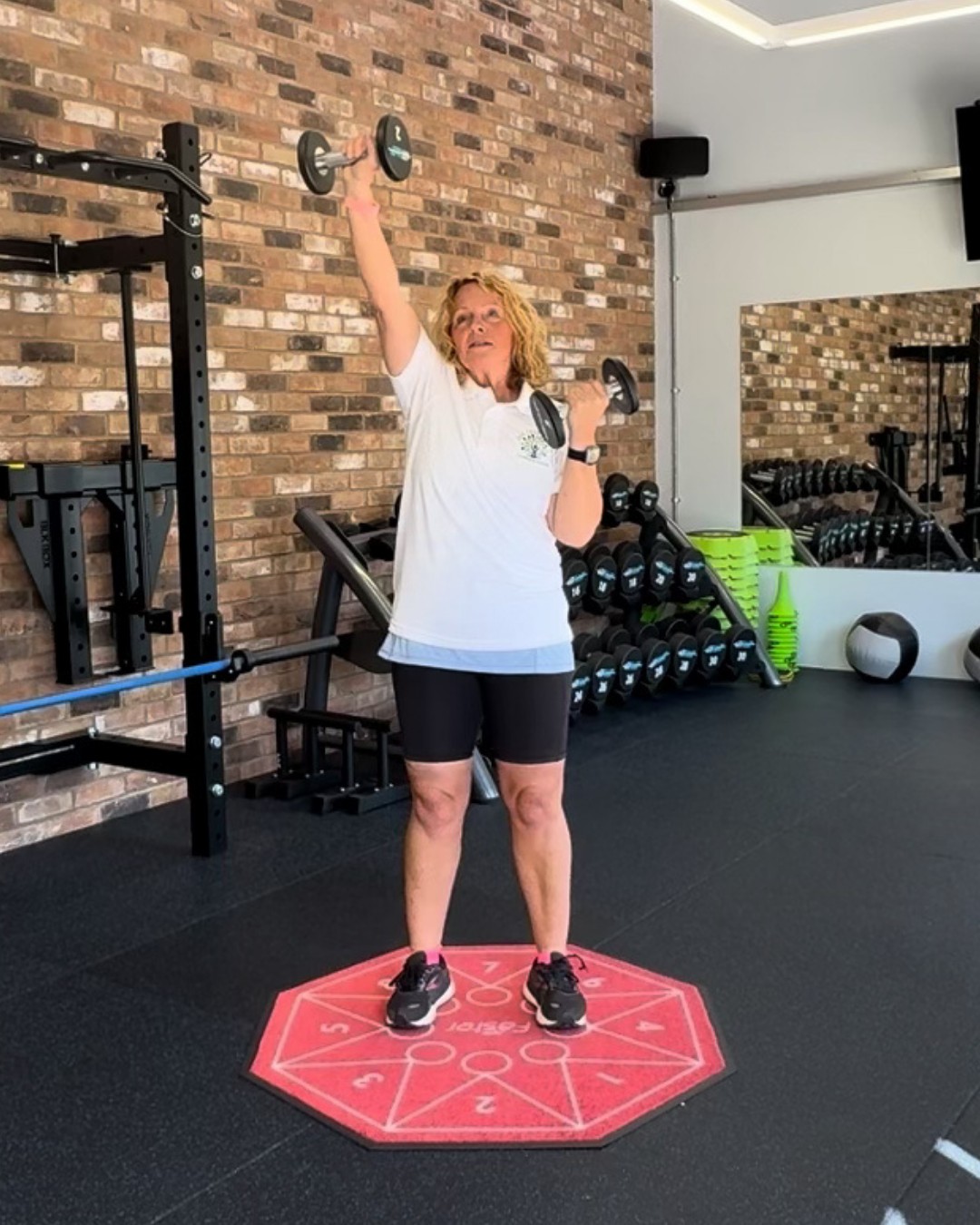
What Muscles Work In A Single-Leg Overhead Reach, And How To Work It Out For Any Exercise
A single-leg overhead reach is held up by the standing leg's glute medius and minimus stopping the pelvis dropping, assisted by the small muscles around the ankle and the obliques controlling the trunk, and supported by the deep core and the shoulder stabilisers holding the reach overhead. The four steps that produce that answer are taught on our CIMSPA-recognised personal training course, and they work on any exercise.
Business & Clients
A Client Who Says It's Too Expensive Has Just Started The Real Conversation
Fitness Business Accelerator treats a price objection as an opportunity, not a rejection, and teaches the feel, felt, found method for it: acknowledge the feeling, show it's common, then show what other clients found.
Become a Personal Trainer
What To Do After You Qualify As A Personal Trainer
Most people qualify as a personal trainer and then guess what comes next. On the FASTER route the qualification is Phase 1 of three, and each phase ends with a real conversation with John about what is next for your business. The Level 3 course asks you to build a personal development plan; the mentored route is that plan with a person attached.
Business & Clients
Today's Two Posts Both End In A Client Saying Yes, And PT Manager's Booking Room Keeps It
Today's first post gave the method for coaching a bird dog. Today's second gave the method for answering a price objection. PT Manager's booking room, a trainer's own link, calendar and Stripe account, is where the yes that follows gets kept.

Become a Personal Trainer
What Muscles Work In A Bird Dog, And How To Work It Out For Any Exercise
A bird dog is held together by the deep core and erector spinae supporting the spine, the extending leg's glute driving the hip straight, and the opposite-side obliques stopping the whole thing rotating. The four steps that produce that answer are taught on our CIMSPA-recognised personal training course, and they work on any exercise.
Become a Personal Trainer
A New Client's Shaky Leg Is The Nervous System Learning The Movement
A client's leg shaking through a brand new movement is motor units firing out of sequence while the nervous system learns the pattern. One of the things you learn on our CIMSPA-recognised personal training course is what's happening in that shake, and why the client gets stronger before any muscle even grows.
Business & Clients
How Close You Stand To The Camera Changes How Confident You Sound
The exact same sentence, filmed close to the camera, reads as confident. Filmed further back, it reads as unsure. Fitness Business Accelerator teaches the camera-distance and eye-line rules that decide this before a trainer says a single word, so a video says what it's supposed to say.
Business & Clients
Today's Two Posts Both End Up On Camera, And PT Manager's Content Studio Is Where They're Made
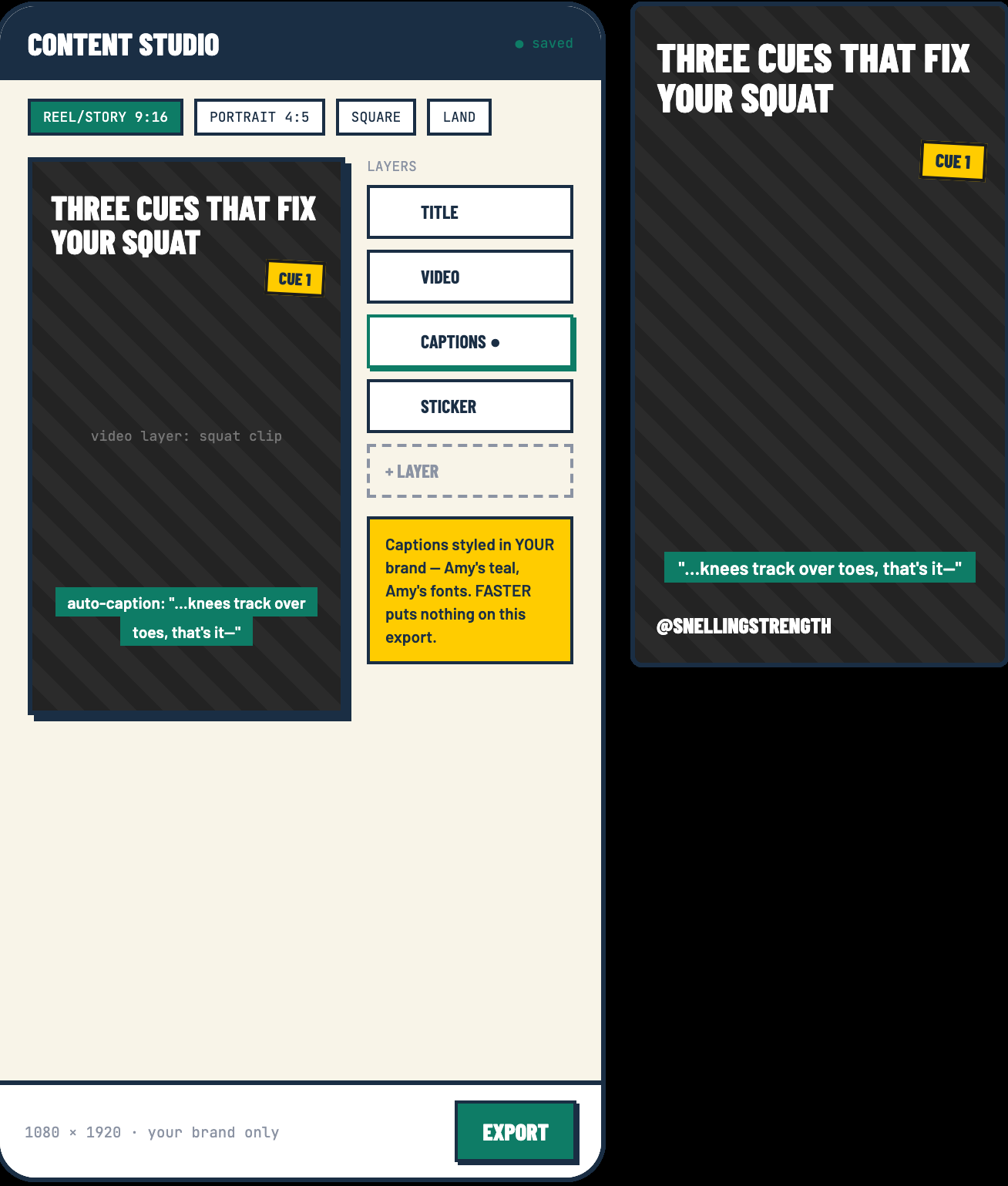
Today's first post explained why a new client's leg shakes on an unfamiliar movement, and why filming week one against week four proves it settles. Today's second post covered the camera distance and eye-line rules that decide how confident that footage sounds. PT Manager's Content Studio is where a trainer actually films, edits and brands it, with their own name on it, not FASTER's.
Business & Clients
PT Manager's Client Record Saves The Test You Built So It Isn't Rebuilt From Memory
Today's first post named the muscles a band wood chop trains. Today's second post covered building a self-built test around one client's goal. PT Manager's client record is where that test, and the result, get saved, so next session starts from where this one ended.
Coaching & Mindset
Three Kinds Of Fitness Test, And The One Most Clients Need
Movement Trainer names three kinds of fitness test, an academic test, a comparison test and a self-built one, and teaches trainers to build the third kind for the goal in front of them, without a lab.
Become a Personal Trainer
What Muscles Work In A Band Wood Chop, And How To Work It Out For Any Exercise
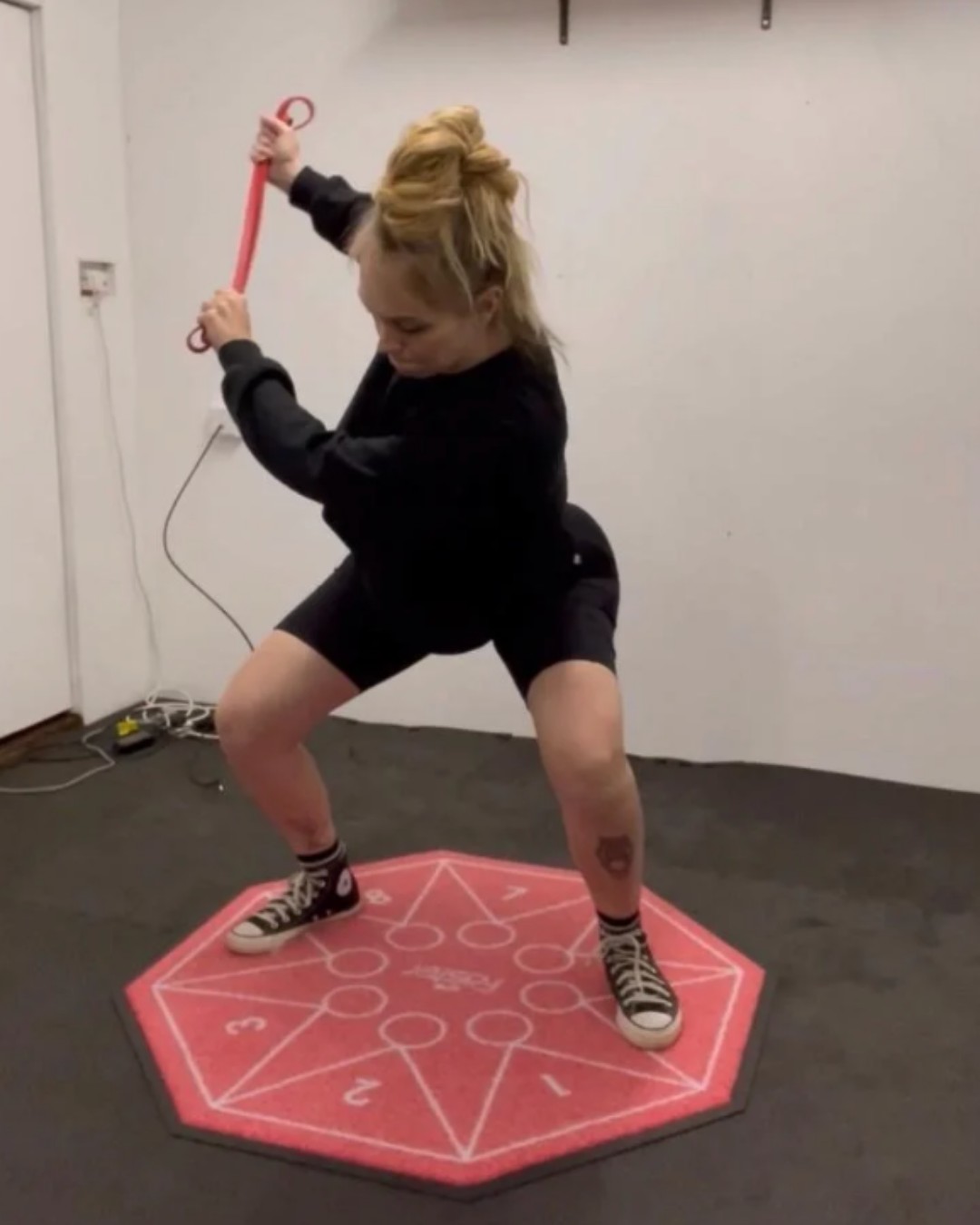
A band wood chop is driven by the obliques resisting and then producing the rotation, assisted by the lats finishing the pull and the back leg's glute powering the diagonal from the stance. The four steps that produce that answer are taught on our CIMSPA-recognised personal training course, and they work on any exercise.
Coaching & Mindset
A Question Can Teach A Movement Faster Than Your Best Cue
Movement Trainer teaches guided discovery: instead of instructing a client through every rep, ask a question that lets them find the answer themselves, and the movement is more likely to stick because they found it rather than because you said it. The method, and where it comes from, is on our Movement Trainer (AFT) course.
Business & Clients
Ask What They Felt, Then Let The Live Analyser Show What Actually Happened
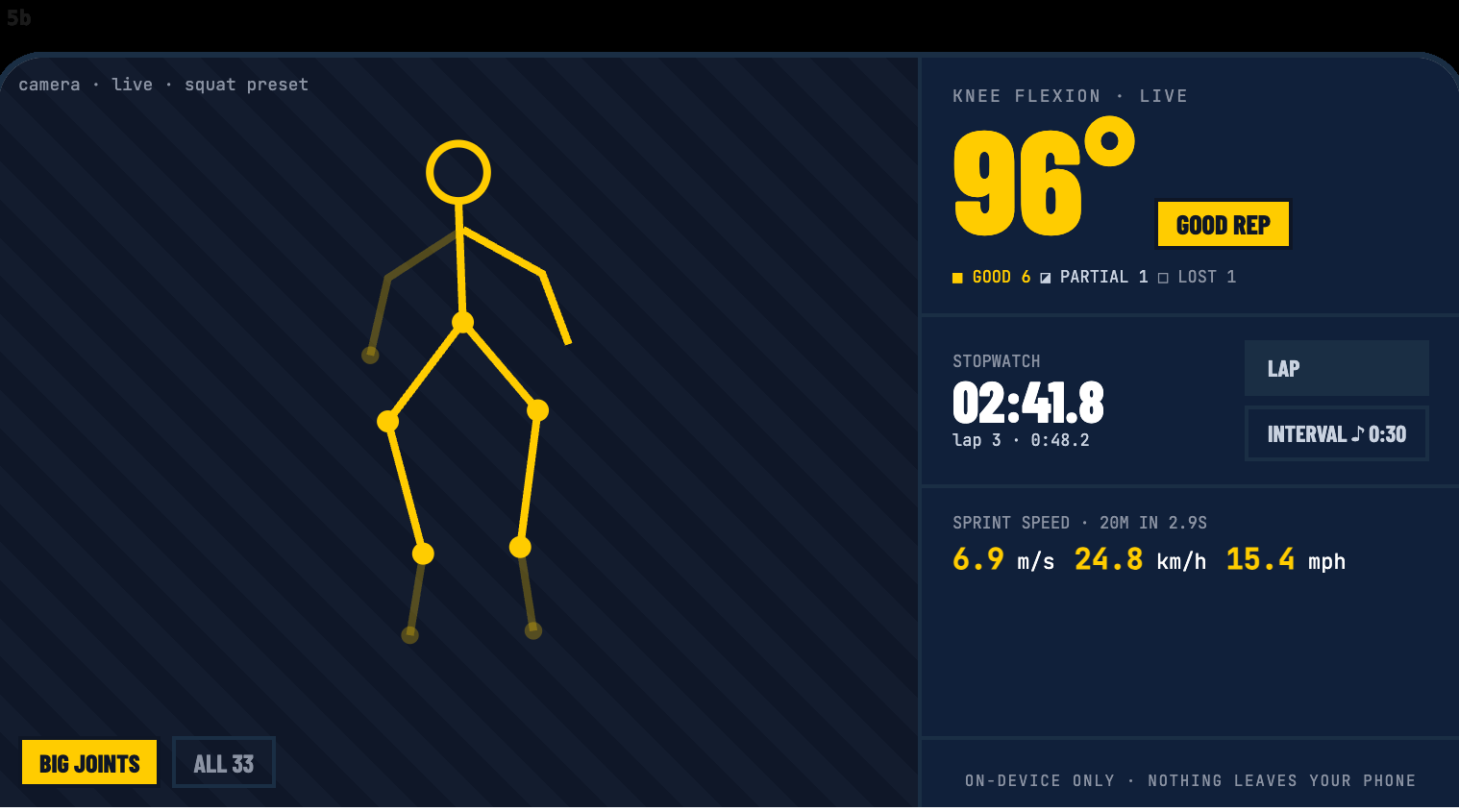
Today's first post named the muscles a kettlebell swing trains. Today's second post covered guided discovery, asking a client what they felt rather than telling them what to do. PT Manager's Live Analyser is where a trainer can do both at once: ask the question and watch the hip angle answer it live, on screen.
Become a Personal Trainer
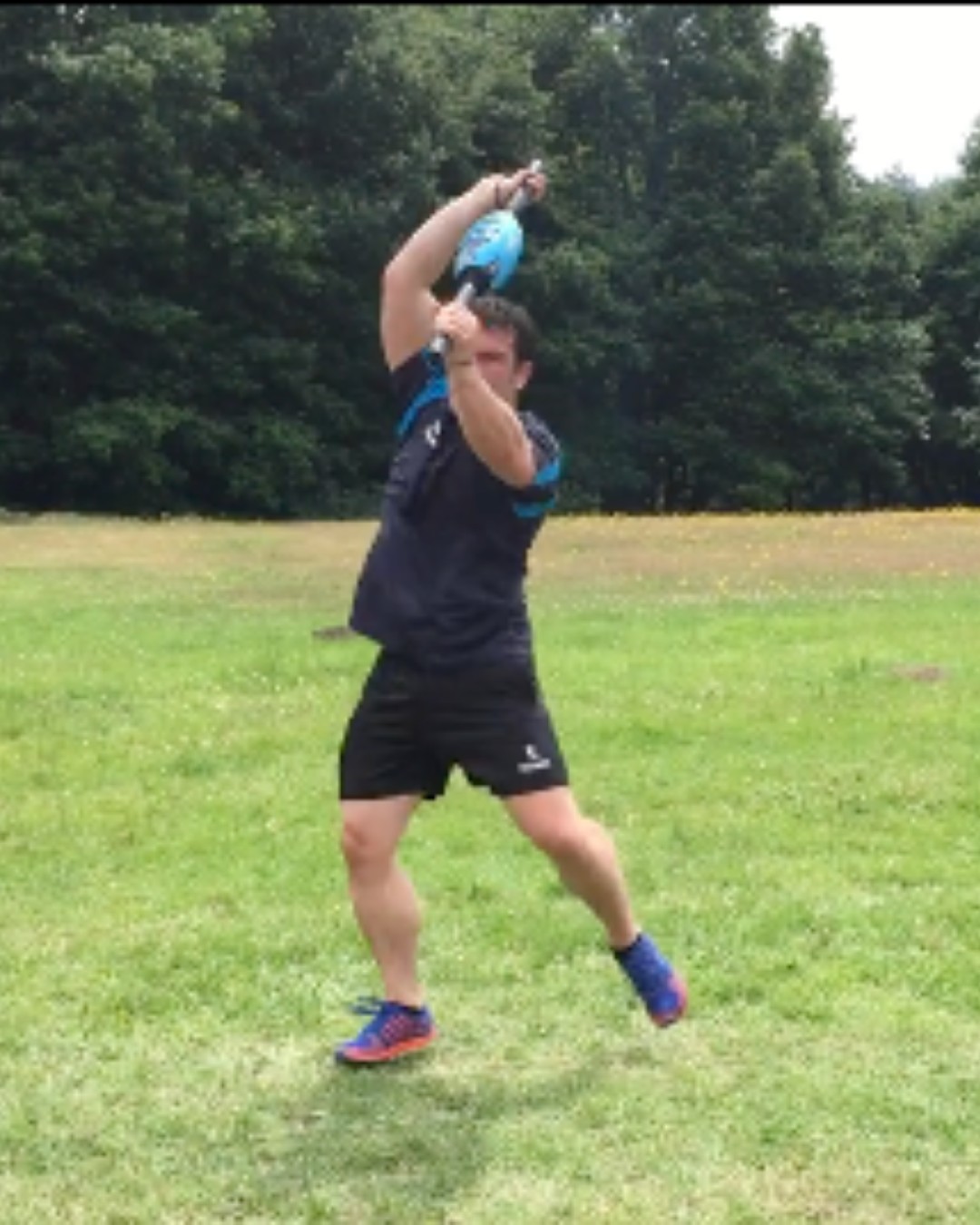
What Muscles Work In A Kettlebell Swing, And How To Work It Out For Any Exercise
A kettlebell swing is driven by the glutes and hamstrings snapping the hip straight, assisted by the adductors closing the hip and the lats steering the bell's arc, and held together by the core supporting the hinge and the forearms gripping throughout. The four steps that produce that answer are taught on our CIMSPA-recognised personal training course, and they work on any exercise.
Business & Clients
PT Manager's Live Analyser Reads The Angle, Once You've Got The Word For It
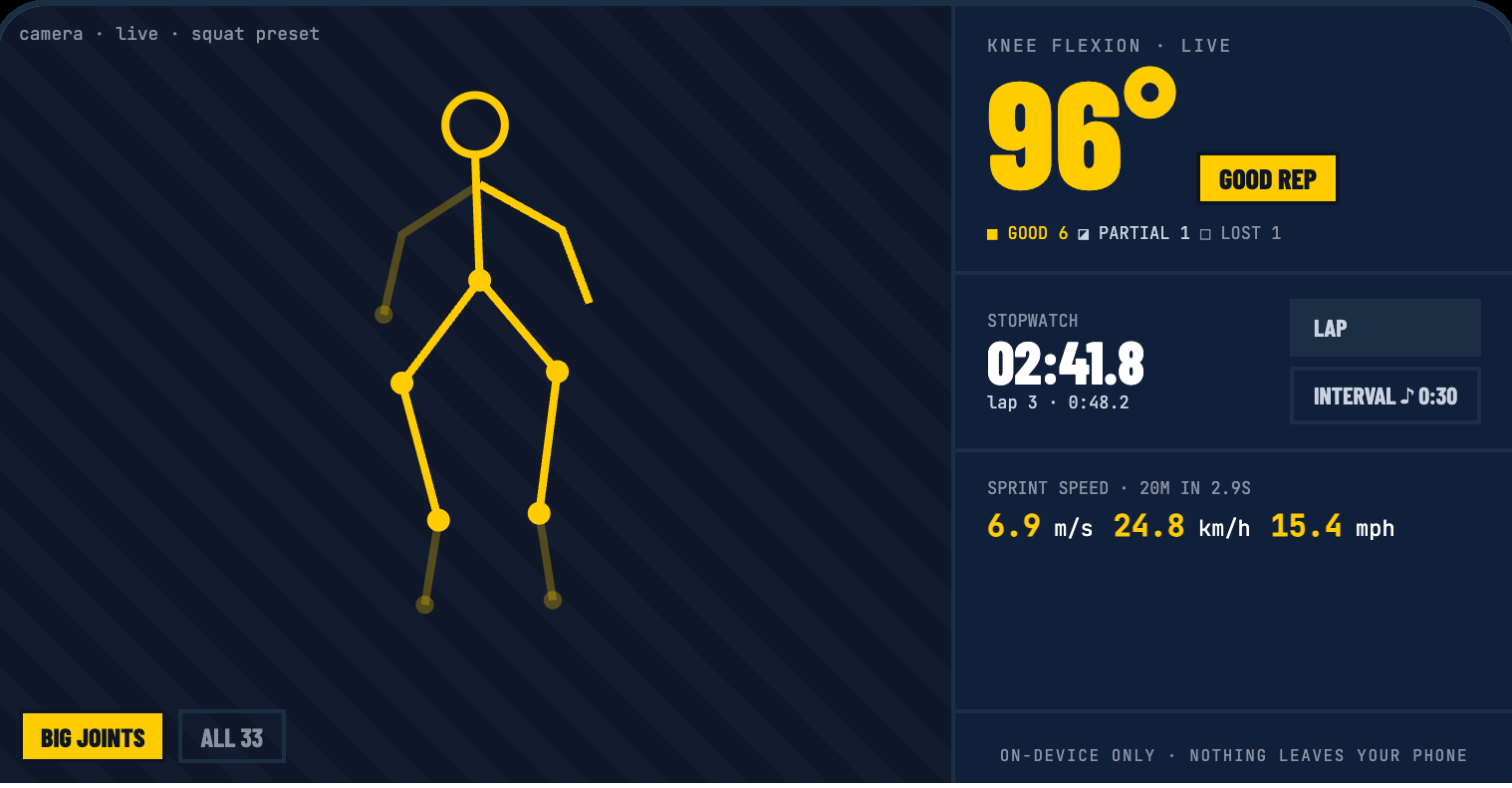
Today's first post found the muscles behind a vertical jump. Today's second post gave the exact word for a joint's movement, flexion included. PT Manager's Live Analyser is where that word gets a live number attached to it, a real 96 degrees of knee flexion, read as the rep happens.
Research
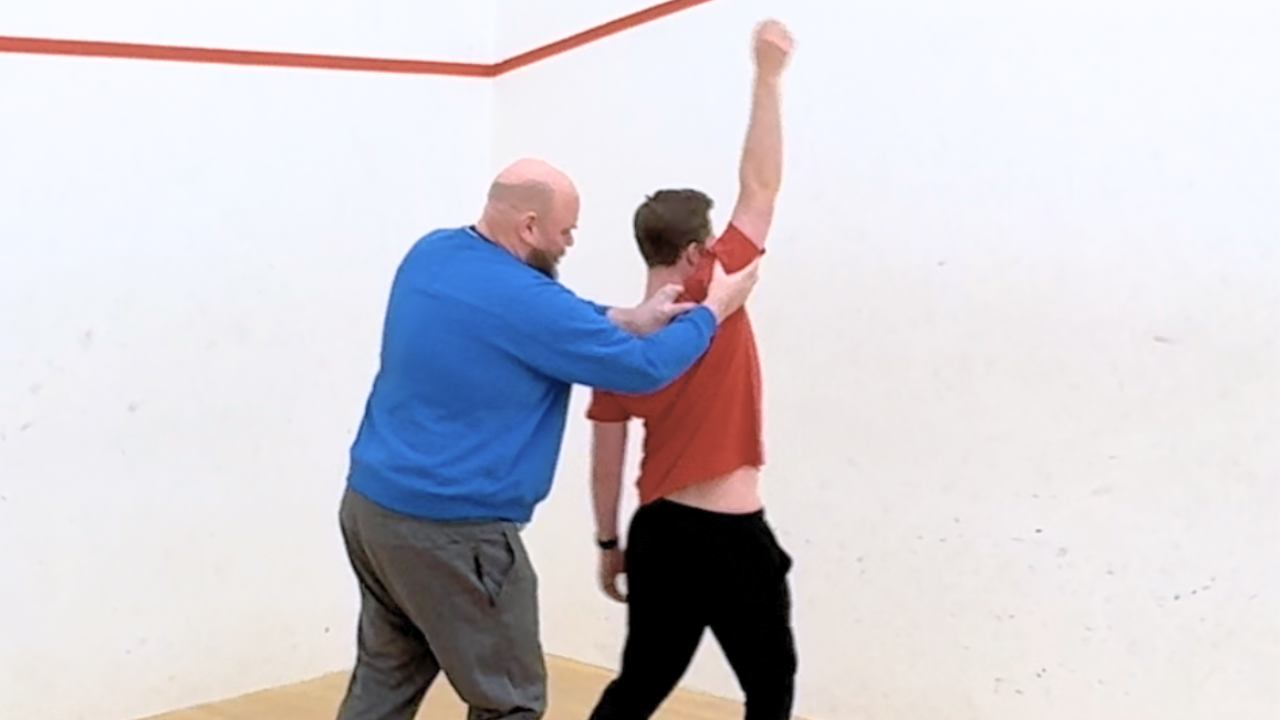
The Three Word-Endings That Turn A Vague Description Into Something You Can Coach
Movement Trainer teaches the three word-endings that describe any joint doing anything: -ed for a held position, -ing for the movement as it happens, -ion for the whole event afterwards. It turns 'that looked a bit off' into a word a coach can actually use.
Become a Personal Trainer
What Muscles Work In A Vertical Jump, And How To Work It Out For Any Exercise
A vertical jump is driven by the glutes and quads firing out of the dip, finished by the calves through the ankle at the very top, assisted by the hamstrings and hip flexors, and held together by the core and the smaller ankle and knee muscles controlling the landing. The four steps that produce that answer are taught on our CIMSPA-recognised personal training course, and they work on any exercise.
Business & Clients
PT Manager's Coaching Map Saves Which Coach Worked, So Next Session Isn't A Guess
Today's first post named the muscles a medicine ball throw trains. Today's second named six coaching styles a trainer can switch between. PT Manager's Coaching Map is the per-client space where which style landed, and which movement needed which cue, gets written down against a name instead of relied on from memory.
Coaching & Mindset
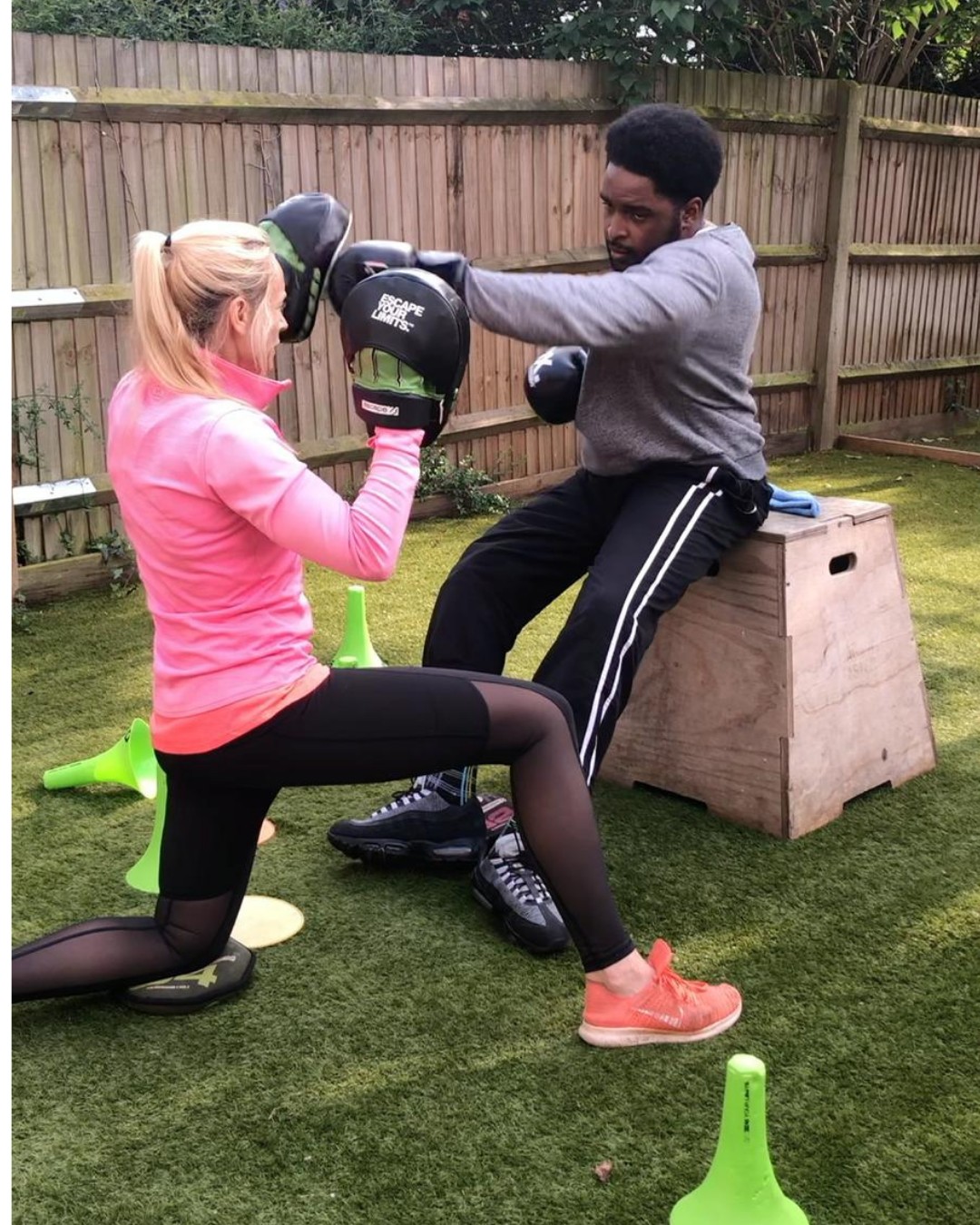
Six Different Coaches Live Inside You, Your Client Just Needs The Right One Today
Movement Trainer teaches six named coaching styles, from the Military Style to the Zen Master, so a trainer can pick the delivery a specific client needs on a specific day instead of running one voice on everybody. The list, and how it's taught, is on our Movement Trainer (AFT) course.
Become a Personal Trainer
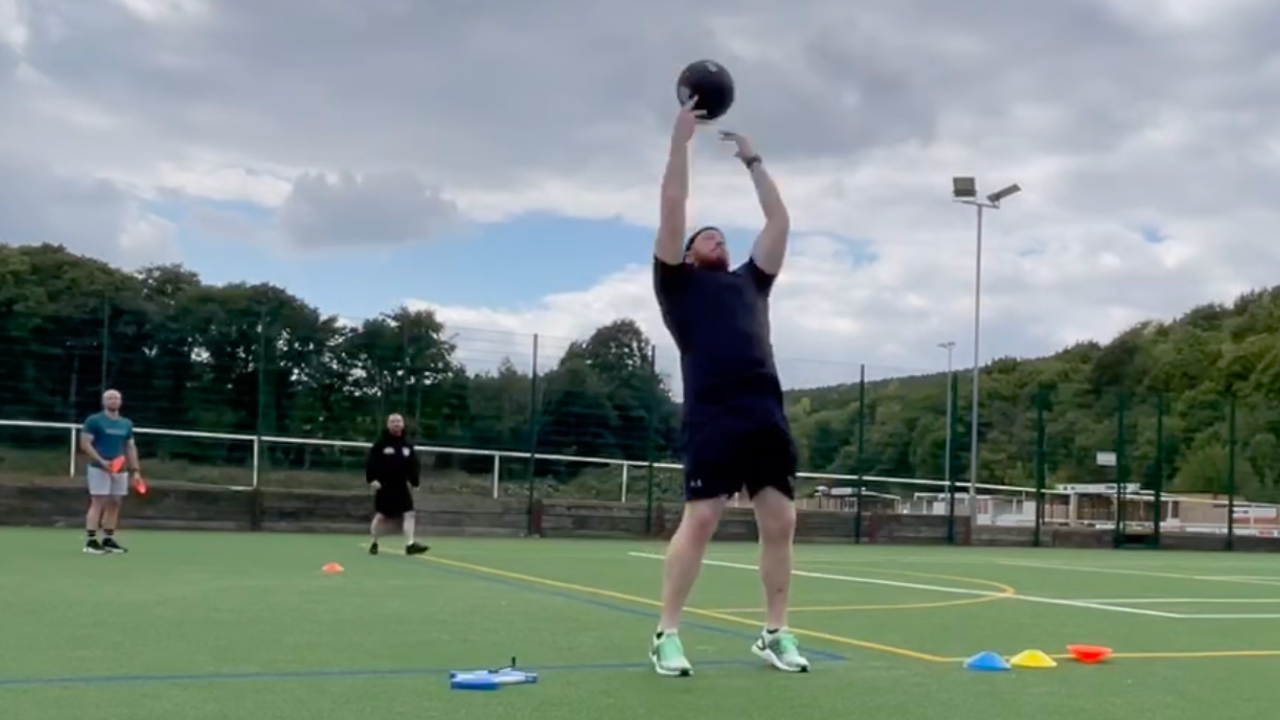
What Muscles Work In A Medicine Ball Throw, And How To Work It Out For Any Exercise
A medicine ball throw is driven by the rectus abdominis and the lats snapping the trunk and arms down from an overhead reach, finished by the triceps through the elbow, and held together by the legs and lower back absorbing the stop. The four steps that produce that answer are taught on our CIMSPA-recognised personal training course, and they work on any exercise.
Workouts & Exercises
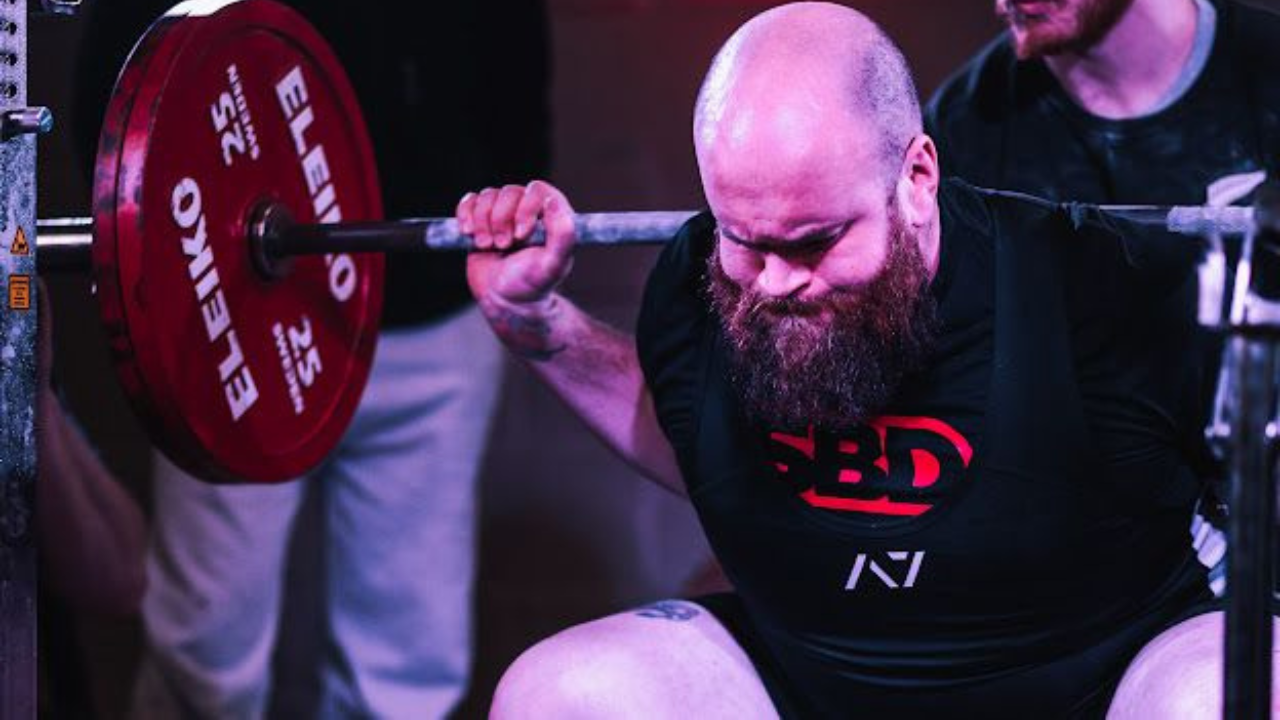
Giant Strength Power Sets Pair A Heavy Lift With An Explosive One, In The Same Block
Movement Trainer's Skeletons and Blocks system includes a Giant Strength Power Set: a heavy strength movement supersetted straight into an explosive one, back to back, no rest between the pair.
Business & Clients
PT Manager Saves Today's Block So The Sprint Doesn't Get Rebuilt From Memory
Today's first post named the muscles a sprint trains. Today's second named a specific superset block, Giant Strength Power Sets. PT Manager's programme builder is where a trainer puts the exercise into the block and saves the whole thing against a named client.
Become a Personal Trainer
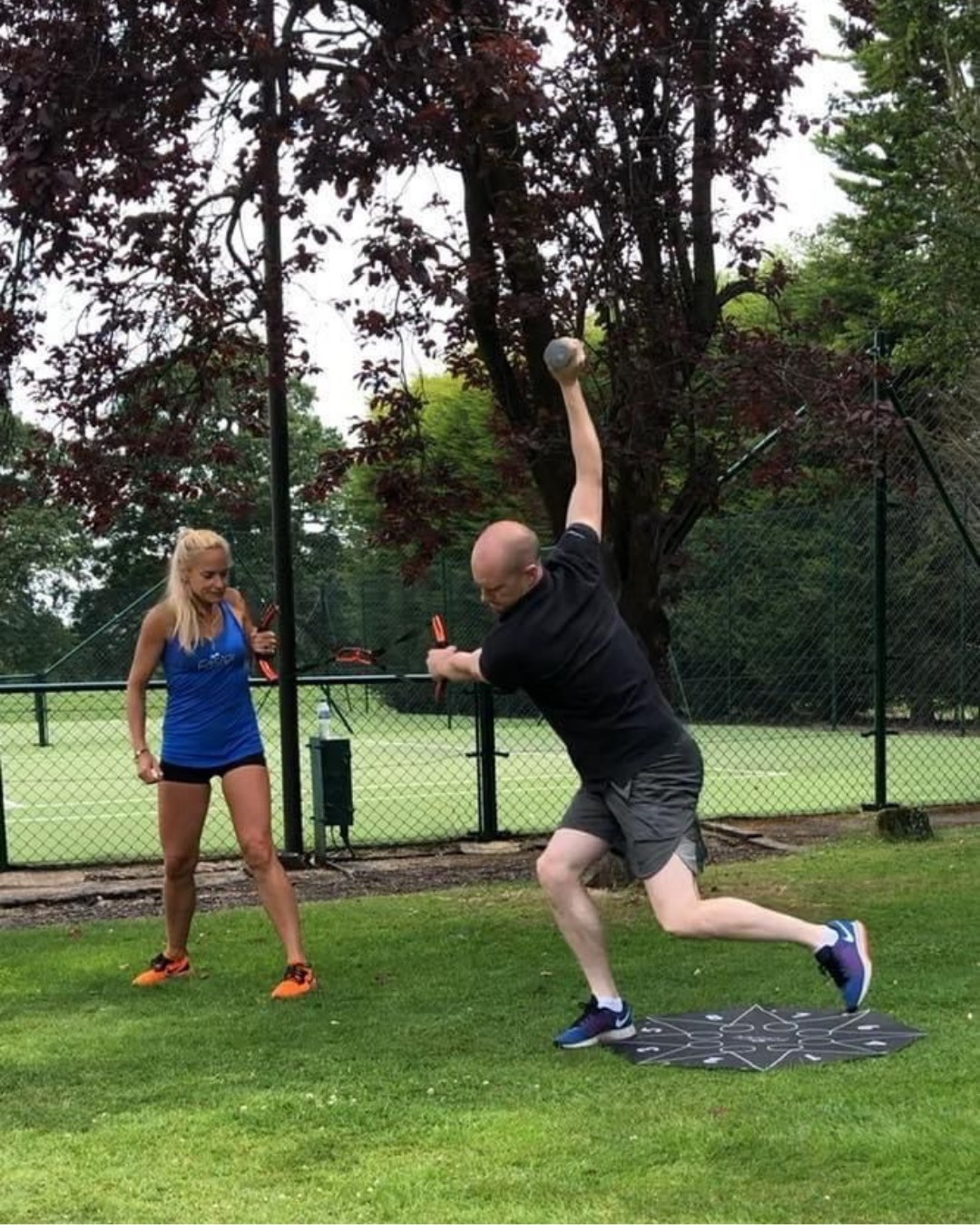
What Muscles Work In A Sprint, And How To Work It Out For Any Exercise
Sprinting is driven by the glutes and hamstrings extending the hip at push-off, the calves finishing through the ankle, and the hip flexors and quads bringing the recovery leg through fast. The four steps that produce that answer are taught on our CIMSPA-recognised personal training course, and they work on any exercise.
Business & Clients
PT Manager's Client Home Screen Says Your Name For You
PT Manager's My Brand & Client View screen puts a trainer's own name, header photo and accent colour on the screen every client sees when they walk in, so the consistent character a trainer builds gets shown automatically rather than remembered by hand.
Business & Clients
Sitcom Characters Only Have Three Traits, And That's Why Everyone Remembers Them
Joey from Friends loves food, chases women and hates sharing his chips. Three traits, each with a flip side, repeated in every episode. Fitness Business Accelerator teaches trainers to build their own brand the same way, so a client can describe you in one sentence.
Become a Personal Trainer
What Muscles Work In A Suspended Plank, And How To Work It Out For Any Exercise
A suspended plank is held together by the rectus abdominis and obliques resisting the sag, the hip flexors driving the moving knee in, and the shoulder stabilisers fighting the strap's wobble. The four steps that produce that answer are taught on our CIMSPA-recognised personal training course, and they work on any exercise.
Workouts & Exercises
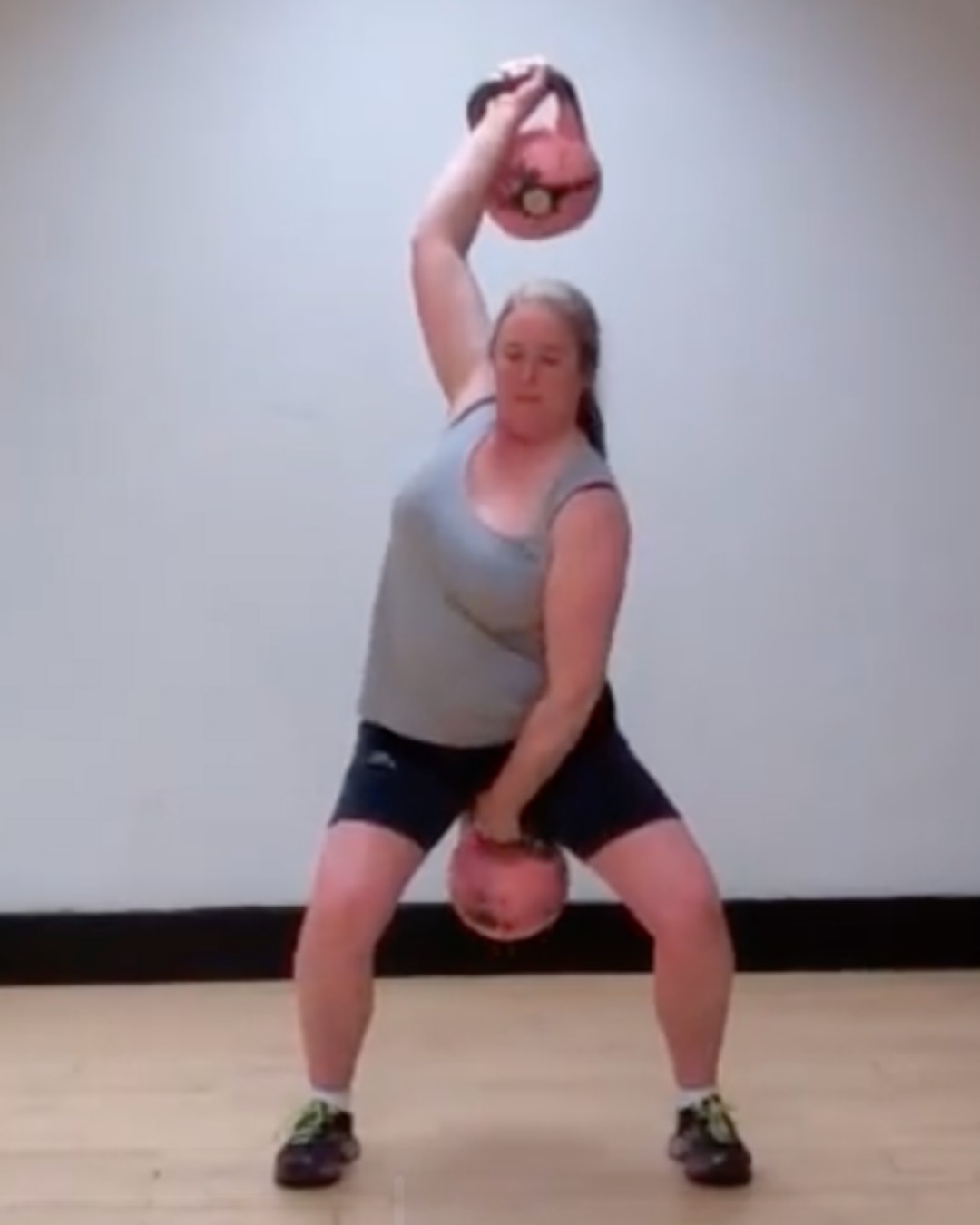
A Block Only Counts As Functional If It Matches What The Client Actually Does
A functional circuit block chains movements that mimic what a client actually does day to day or in their sport, run back-to-back with minimal rest. Movement Trainer (AFT) teaches it as one block inside Skeletons and Blocks, FASTER's own programme-design system.
Business & Clients
PT Manager's Timer Laps Every Station, So Your Eyes Stay On The Carry
PT Manager's Live Analyser laps each station of a functional circuit block on its own, so the swing, the carry, the push and the ropes all get timed without anyone glancing at a phone between them.
Become a Personal Trainer
What Muscles Work In A Loaded Carry, And How To Work It Out For Any Exercise
A loaded carry is held up by the trapezius and the grip in the rack position, walked by the glutes and quadriceps, and kept level by the obliques and quadratus lumborum. The four steps that produce that answer are taught on our CIMSPA-recognised personal training course, and they work on any exercise.
Workouts & Exercises
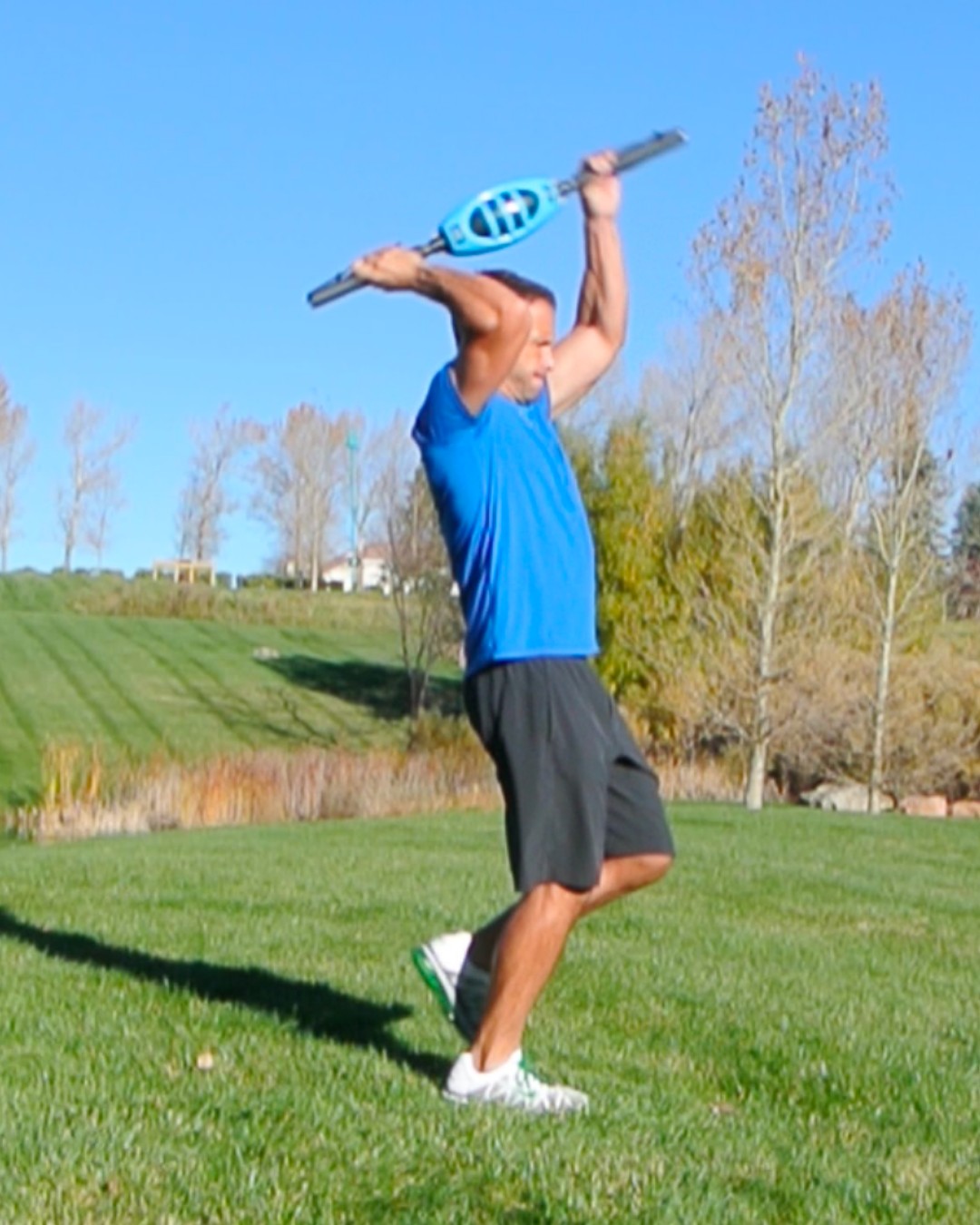
One Exercise, Four Rep Ranges: How A Wave Set Trains Strength And Size Together
A wave set runs one exercise through four different rep ranges in a single session, the weight adjusted at each step, so strength and size both get trained without a separate day for each. Movement Trainer (AFT) teaches it as one block inside Skeletons and Blocks, FASTER's own programme-design system.
Business & Clients
PT Manager Counts The Reps, So Your Eyes Stay On The Lockout
PT Manager's Live Analyser tags every rep good, partial or lost on its own, so a wave set's four changing rep counts get tracked without anyone glancing away from whether the lockout overhead is landing.
Become a Personal Trainer
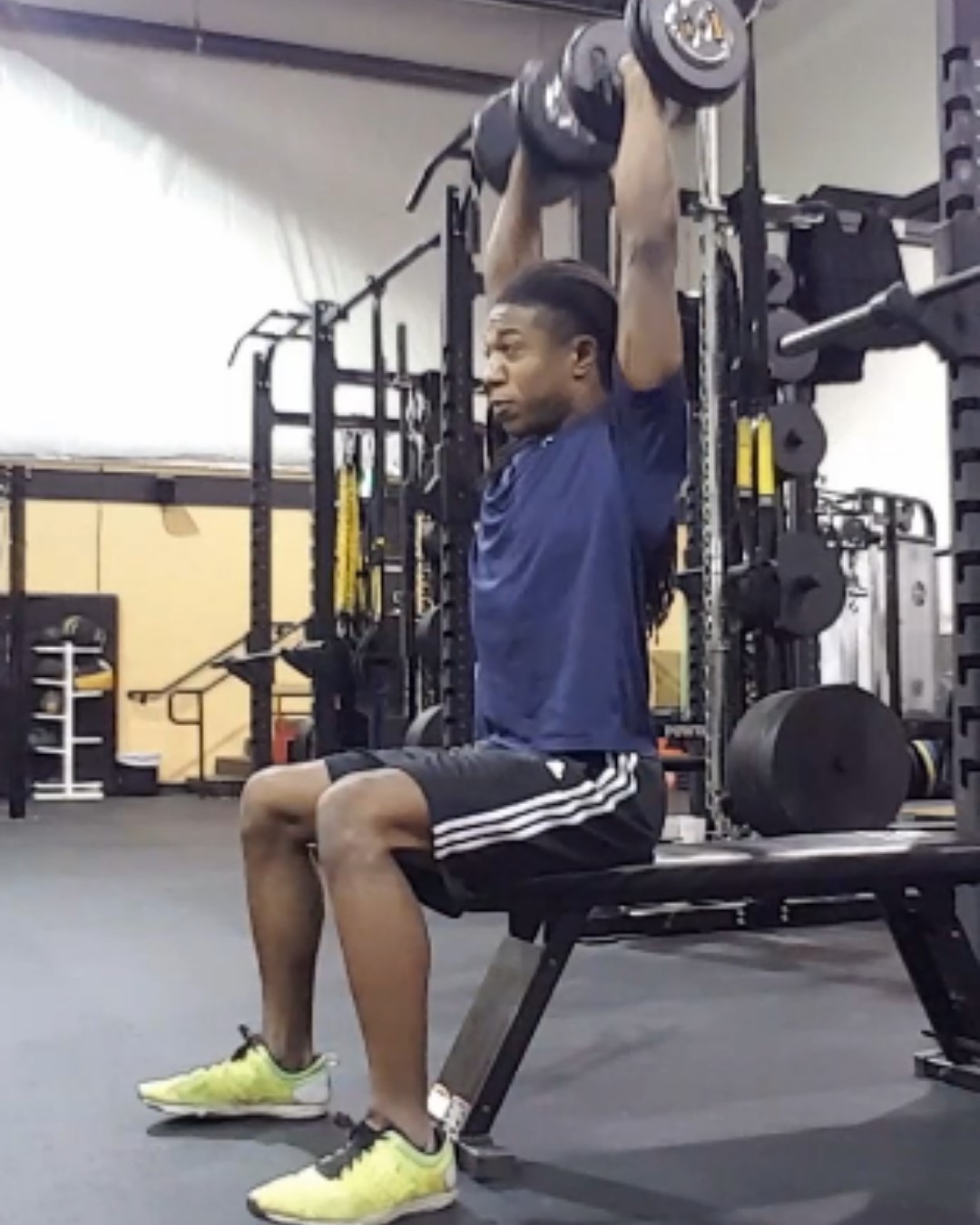
What Muscles Work In A Shoulder Press, And How To Work It Out For Any Exercise
A shoulder press is driven by the deltoids and triceps, assisted by the upper chest and the muscles that rotate the shoulder blade, with the core supporting the whole thing so the effort doesn't leak into the lower back. The four steps that produce that answer are taught on our CIMSPA-recognised personal training course, and they work on any exercise.
Workouts & Exercises
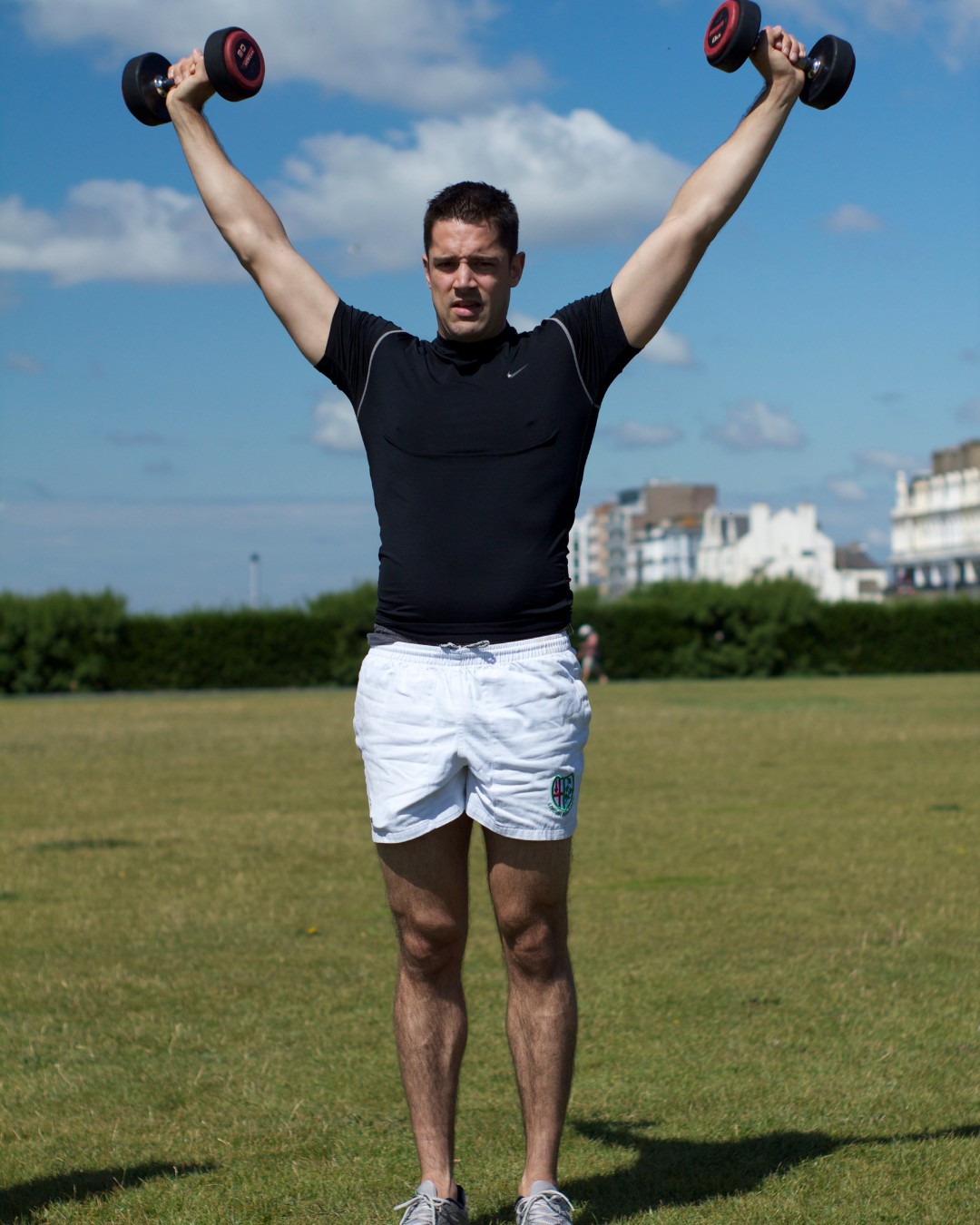
Break A Heavy Set Into Pieces, And A Client Lifts More Than They Think
A cluster set breaks a heavy set into small pieces with a short rest inside it, so a client can lift the weight they wanted rather than a lighter backup. Movement Trainer (AFT) teaches it as one block inside Skeletons and Blocks, FASTER's own programme-design system.
Business & Clients
PT Manager's Timer Handles The Rest, So Your Eyes Stay On The Row
PT Manager's Live Analyser runs a beep timer alongside its live skeleton, so a cluster set's built-in rest gets counted without anyone glancing at a phone. It works camera or not, and it doesn't care whether the exercise is a row, a press or anything else.
Become a Personal Trainer
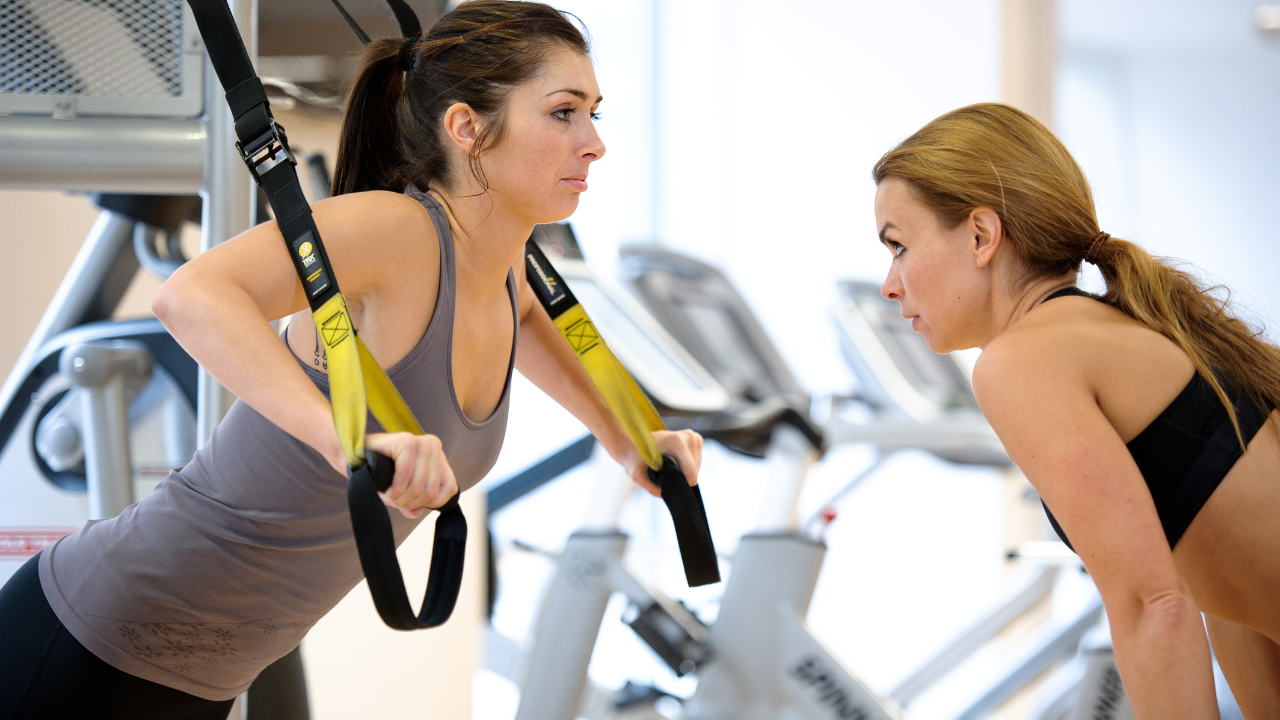
What Muscles Work In A Row, Worked Out Before You've Even Taken A Client
A row works the latissimus dorsi, rhomboids, middle trapezius and posterior deltoid, with the core and glutes holding the body in one line. The four steps that produce that answer are taught on our CIMSPA-recognised personal training course, and they work on any exercise.
Workouts & Exercises
Change The Load, The Speed Or The Hold, And The Same Squat Becomes A Different Exercise
A mobility squat, a flexibility squat, a strength squat and a power squat are the same movement doing four different jobs. Skill-Driven Mobility Coach teaches how load, speed and hold change what an exercise is actually training.
Business & Clients
The Live Analyser Reads The Squat's Tempo And The Press-Up's Plank Line
Today's earlier two posts named the muscles a press-up trains and showed how load, speed and hold turn one squat into four different exercises. PT Manager's Live Analyser is where a trainer sees which one is actually happening, live.
Become a Personal Trainer
What Muscles Work In A Press-Up, And How To Work It Out For Any Exercise
A press-up works the pectoralis major, triceps and anterior deltoids, with the core holding the plank line so the force actually reaches the arms. The four steps that produce that answer are taught on our CIMSPA-recognised personal training course, and they work on any exercise.
Coaching & Mindset
Keep Asking Why Until You Find The Goal Behind The Goal
A client's first answer is rarely the real goal. FASTER's Why Why So So process, taught on the Motor Skill Application Specialist course, is how you dig past it without turning the conversation into an interrogation.
Business & Clients
PT Manager Saves The Goal, And The Live Analyser Proves The Deadlift Works
Today's earlier two posts found a client's real goal and named the muscles a deadlift trains. PT Manager is where the goal gets checked in on every week and the Live Analyser shows the lift actually earning it.
Become a Personal Trainer
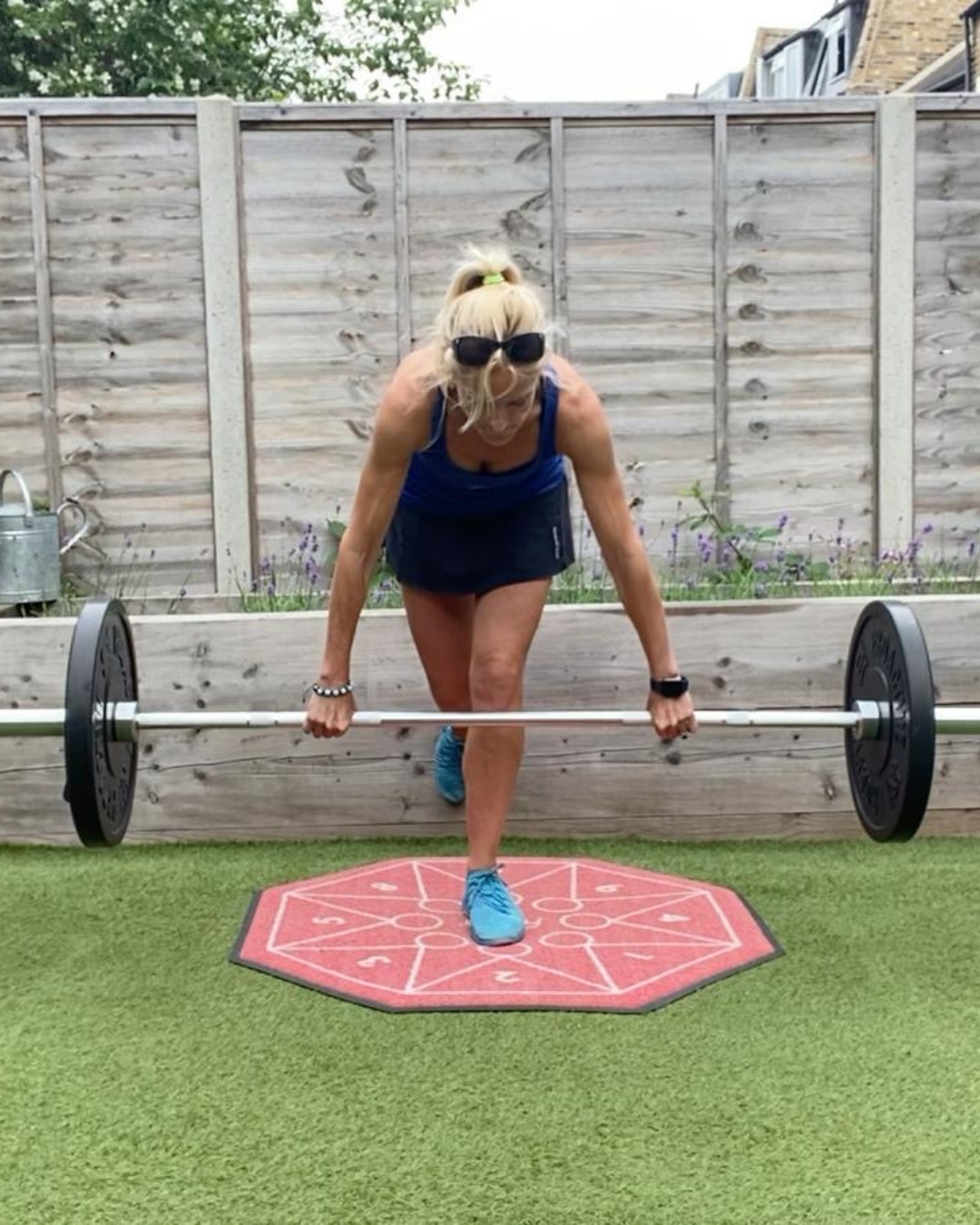
What Muscles Work In A Deadlift, And How To Work It Out For Any Exercise
A deadlift works the hamstrings and glutes at the hip, with the lats and grip holding on for the whole lift. The four steps that produce that answer are taught on our CIMSPA-recognised personal training course, and they work on any exercise.

Coaching & Mindset
We Teach Personal Trainers How To Program In Blocks For Great Client Results
Movement Trainer's Skeletons and Blocks system gives programming a specific, repeatable deliverable. An Escalating Density Block is one of them: same time, same pair of exercises, more work each time you run it.
Business & Clients
PT Manager Saves Every Block You Build, Ready For The Next Client Who Needs It
Today's earlier two posts named the muscles a lunge works and one specific way to programme progress without adding weight. PT Manager's programme builder is where a trainer actually puts the two together and keeps the result.
Become a Personal Trainer
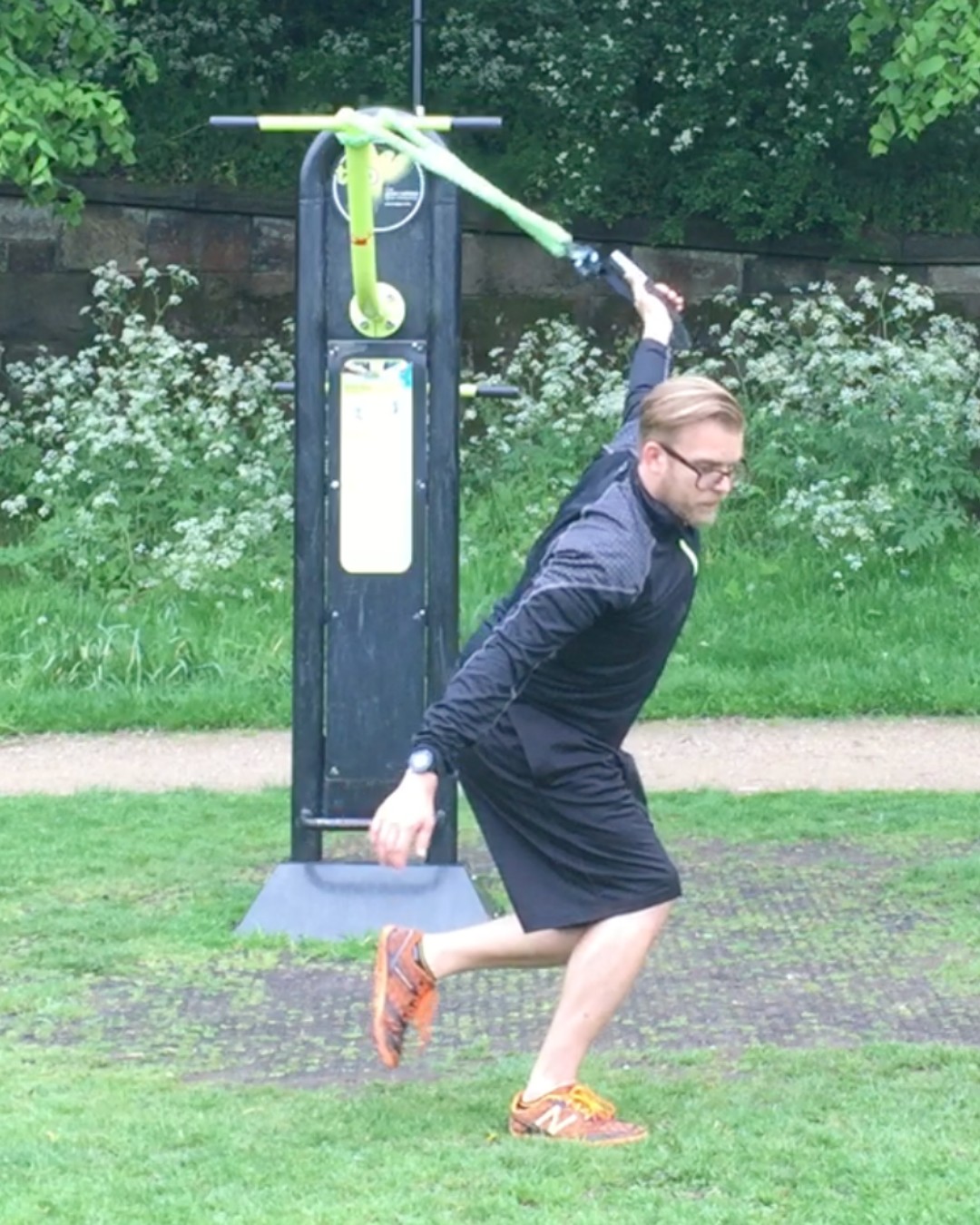
What Muscles Work In A Lunge, And How To Work It Out For Any Exercise
A lunge works the front-leg quadriceps, glutes and hamstrings, plus a hip stabiliser a two-footed squat barely needs. The four steps that produce that answer are taught on our CIMSPA-recognised personal training course, and they work on any exercise.
Coaching & Mindset
Change What's Around A Client, And Their Movement Changes Itself
FASTER's Movement Trainer course teaches six ways to shape a client's movement by changing the space around them, a wall, a line, a gradient, instead of adding another verbal cue.
Business & Clients
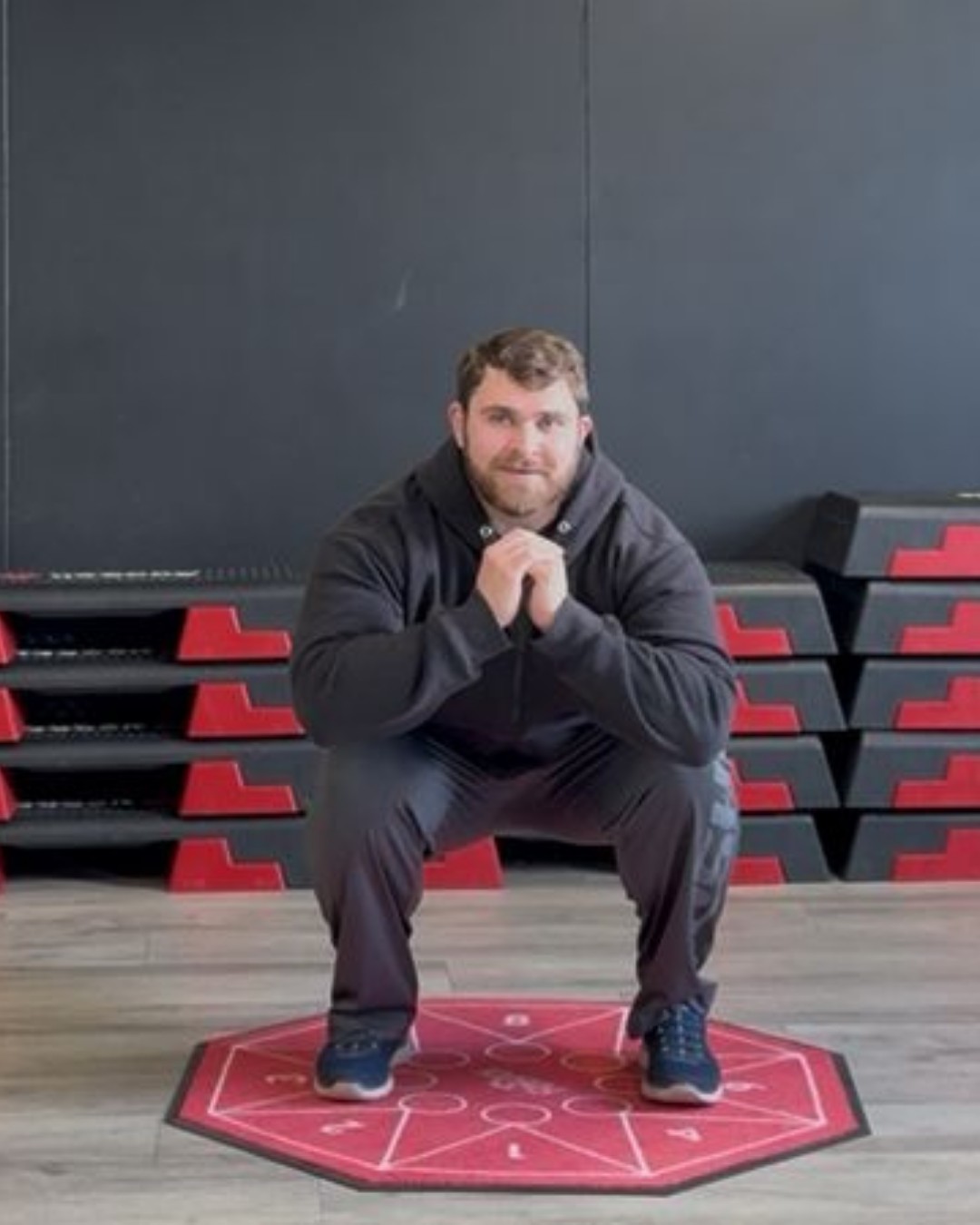
PT Manager's Live Analyser Shows Whether A Constraint Changed The Squat
Today's earlier two posts named a reflex and offered six ways to change a client's environment. PT Manager's Live Analyser is how a trainer sees, live, whether either one actually changed the movement.
Become a Personal Trainer
Why A Client Bounces At The Bottom Of A Squat, And What To Call It
The Level 3 Personal Training Certificate names the reflex behind a squat bounce, a jerk or a catch, so a new trainer can explain a normal reaction instead of guessing.
Business & Clients
Today's Two Posts Both End Up In The Same Place: PT Manager's Programme Builder
A reward strategy and a TGROW plan are both agreed in conversation. PT Manager's programme builder is where either one gets saved against a client's own record.
Coaching & Mindset
Turn 'I Need To Sort My Diet' Into A Plan Your Client Believes In
FASTER's Results-Based Nutrition Coach course teaches the TGROW model, five stages that turn a vague client concern into a specific plan they agreed to themselves.
Become a Personal Trainer
You Can Learn What Keeps A Client Coming Back, Before You Ever Take One
Before you take your first client, the Level 3 Personal Training Certificate teaches the actual list of strategies that keep someone motivated and coming back.
Business & Clients
A Client's Progress Only Counts If You Can Find It Again
Checking evidence and reading real function both need somewhere to land. PT Manager's client record holds a trainer's notes against every session, and the Live Analyser turns what a trainer sees into a number on that record.
Research
Learn How To Find Information Without Having To Remember It All
Research well without needing the academic background. FASTER teaches you to find information rather than memorise it, save it in your personal library in your own words, and filter it by level of evidence when a decision needs making.
Business & Clients
PT Manager Shows The PAR-Q Flag Before The First Exercise Gets Demonstrated
PT Manager's client record holds each client's PAR-Q answers and flags contraindications before a programme is built, so a trainer walks into that first demonstration already knowing what to hold back.
Become a Personal Trainer
The Eight-Step System For Showing A Client Their First Exercise
Level 2/3 gives you an eight-step system for the first time you show a client an exercise, from the introduction to what you write down afterwards. No guesswork required.
Chronic Illness & Health
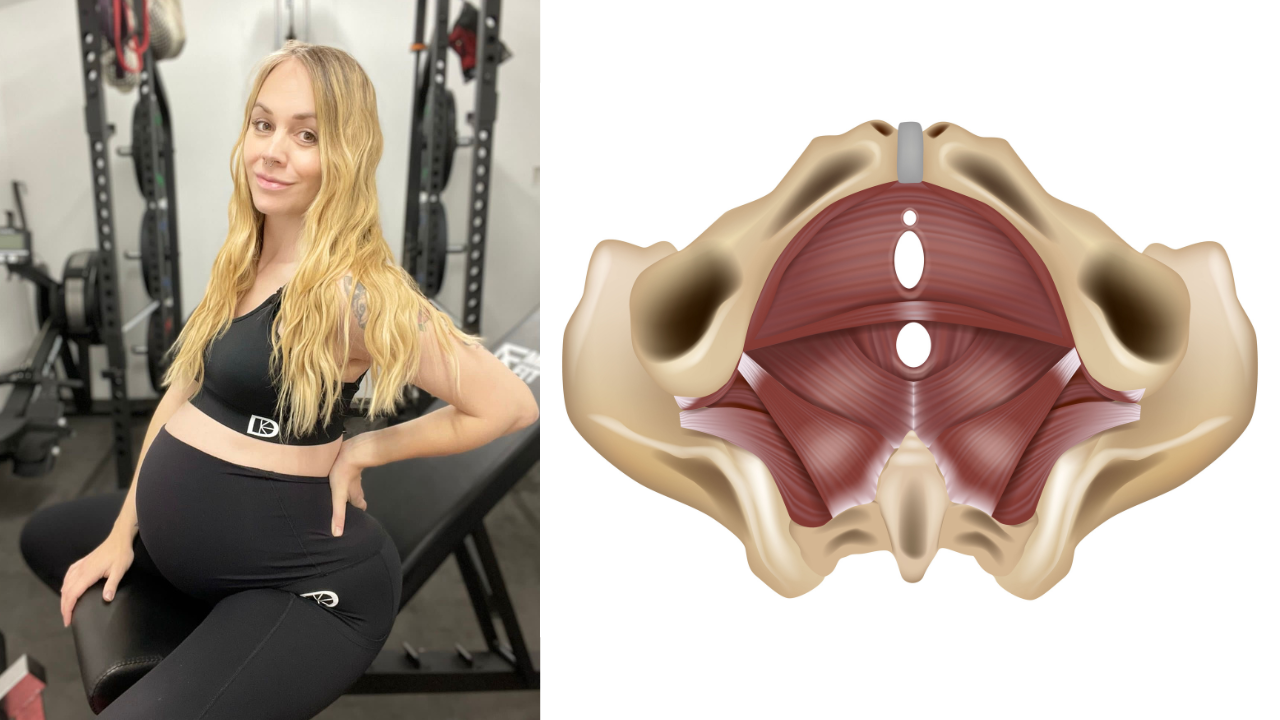
The Exercises That Suit Each Trimester, So You Can Say Yes With Confidence
FASTER's Pre & Postnatal Training course maps what's appropriate exercise by trimester, built on ACSM guidelines, so a trainer can say yes to a pregnant or postnatal client instead of turning them away.
Become a Personal Trainer
Four Plain Checks Tell You If A Client's Test Result Means Anything
Level 3 names four checks on whether a client's test result can be trusted: retest reliability, inter-rater reliability, measurement error and observer bias. No statistics needed.
Workouts & Exercises
Fourteen Ways To Progress Any Exercise Before You Reach For A New One
Movement Trainer lists fourteen ways to make one exercise harder, easier or different, weight, tempo, angle, rest, range and more, before a trainer ever needs a new movement.
Business & Clients
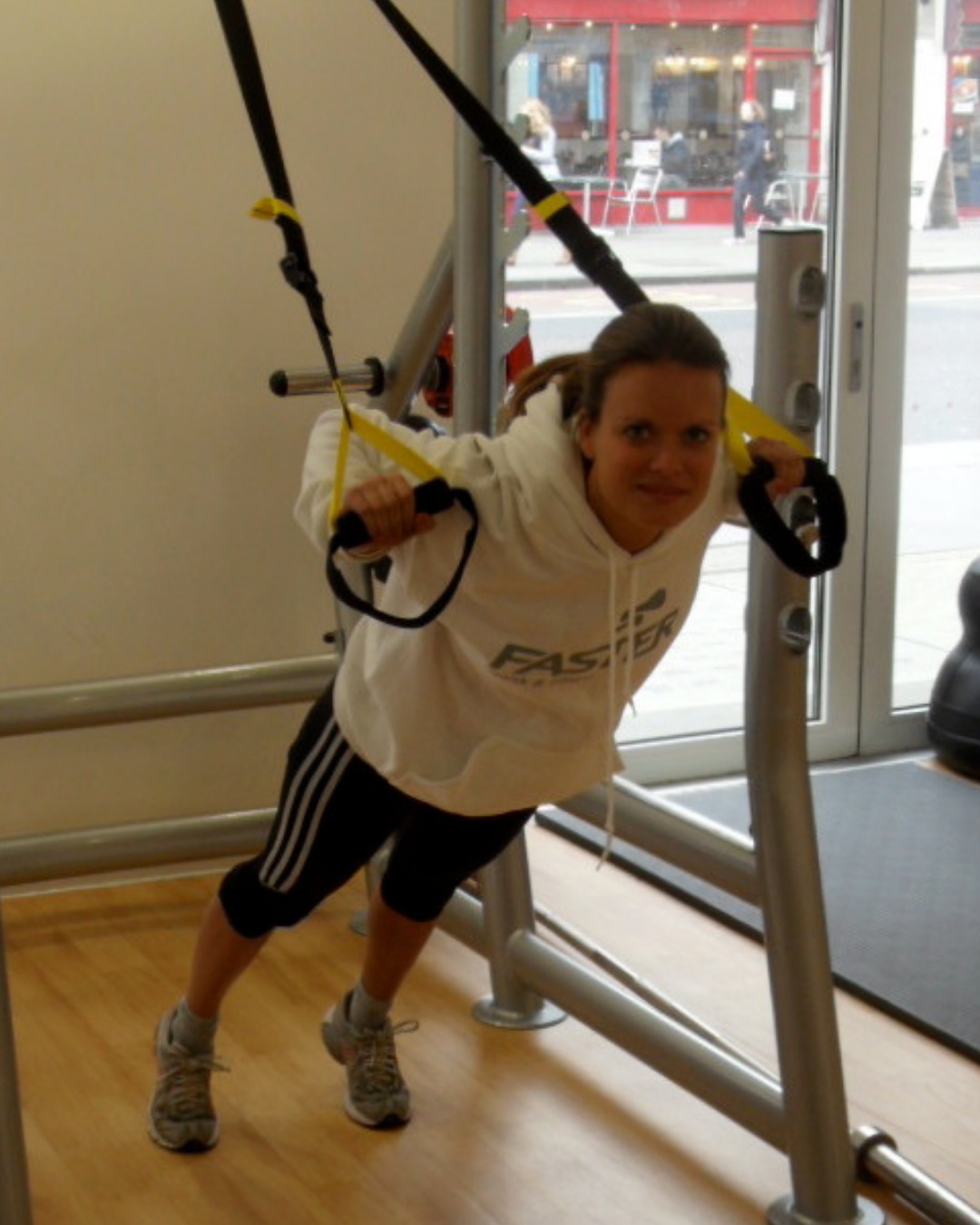
PT Manager's Live Analyser Shows A Progression Working And Backs The Number Up
PT Manager's Live Analyser reads joint angle, depth and tempo live, so a trainer can see a progression actually happening and trust the number behind it, not guess at either.
Biomechanics
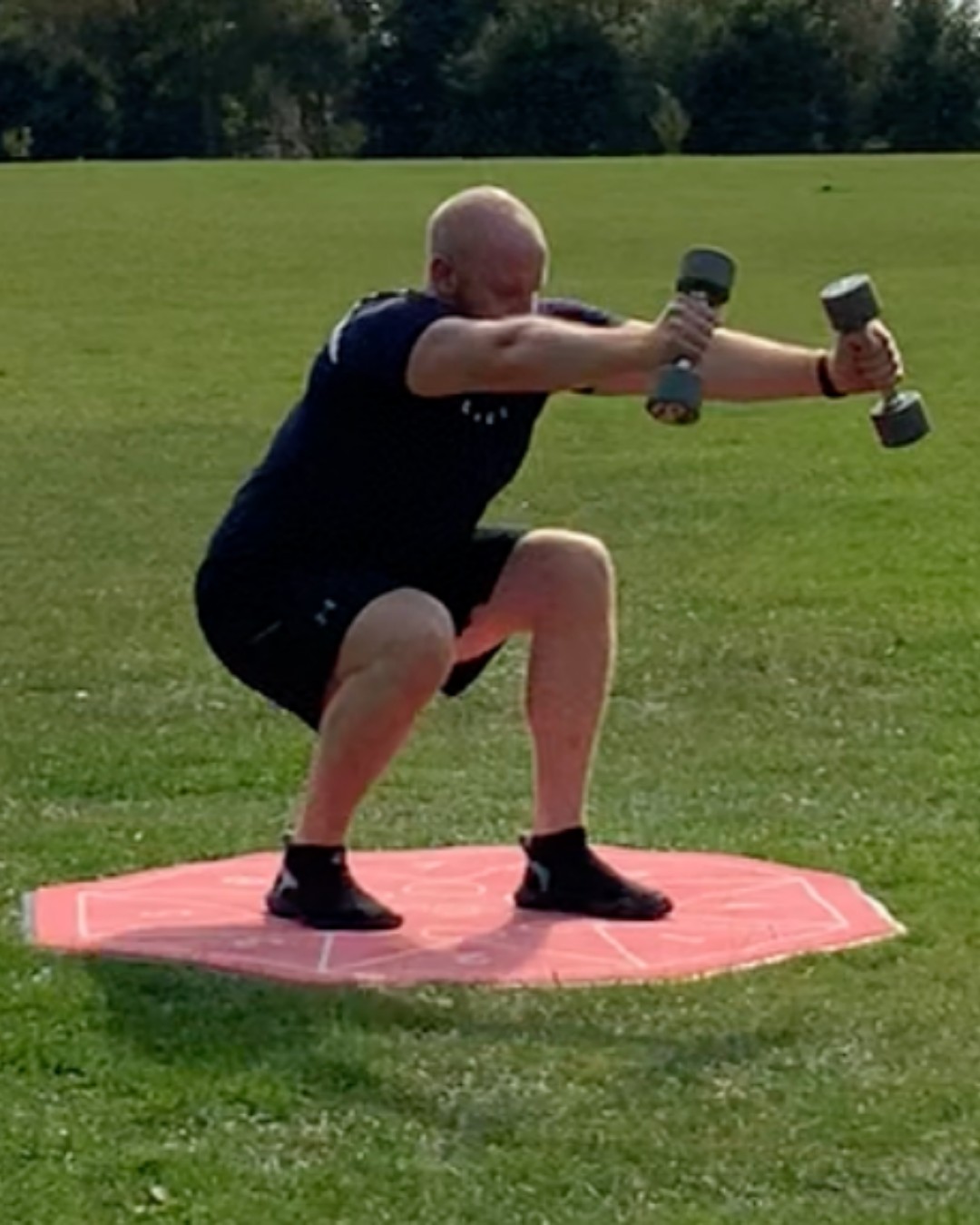
You Already Have Enough Exercises, You Just Need Four Ways To Use Each One
FASTER's Movement Trainer course splits training into four qualities, mobility, flexibility, strength and power, and shows how one exercise like the squat can be built to deliver any of them.
Business & Clients
You Get The Programme Builder Inside PT Manager The Day You Pass A Course
PT Manager opens the moment you sign up with FASTER, but the full programme builder, where four-ways-per-exercise thinking becomes a real client's plan, switches on the day you pass a course.
Business & Clients
Your Client Can Pay Into Your Own Stripe Account
Being covered to train a client and getting them to keep coming back are two different jobs. PT Manager's booking room, own link and calendar, is where the second one runs.
Injury & Pain
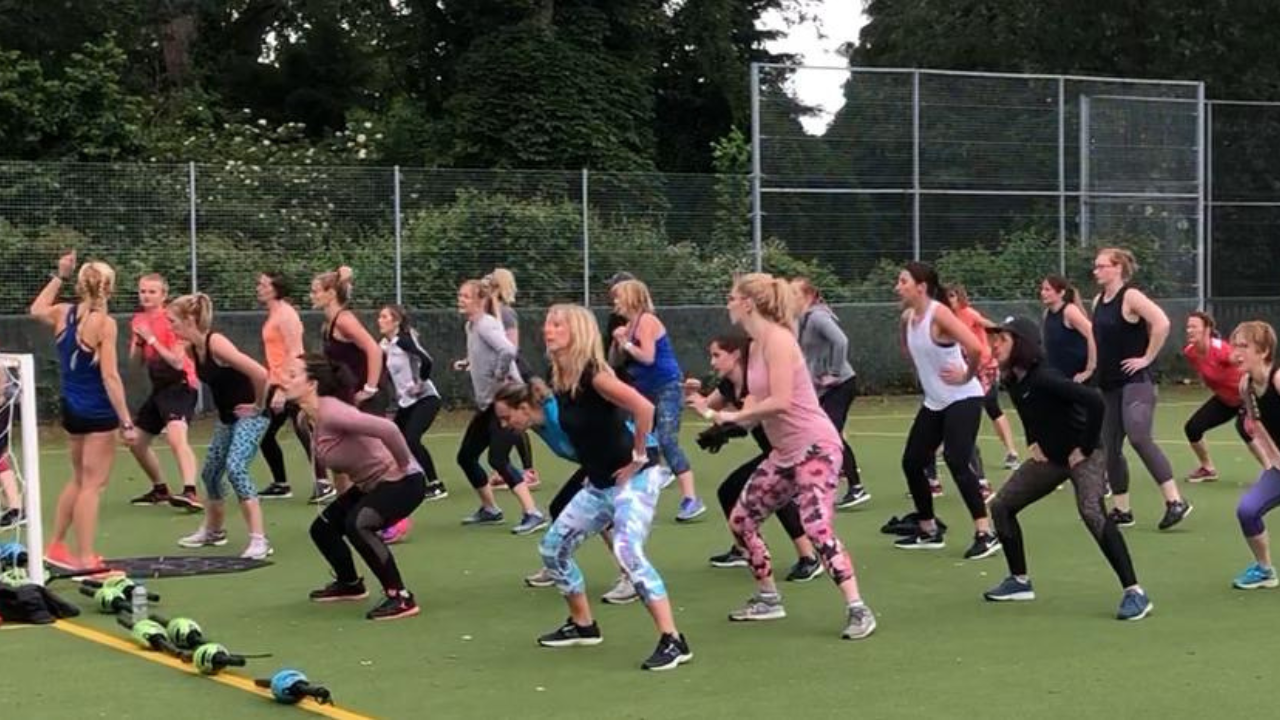
Build A Game Around The Movement Your Client Avoids
Games for Pain teaches you to turn a movement a client guards against into a game, so they do more of it than a standard, instruction-led session ever gets.
Become a Personal Trainer
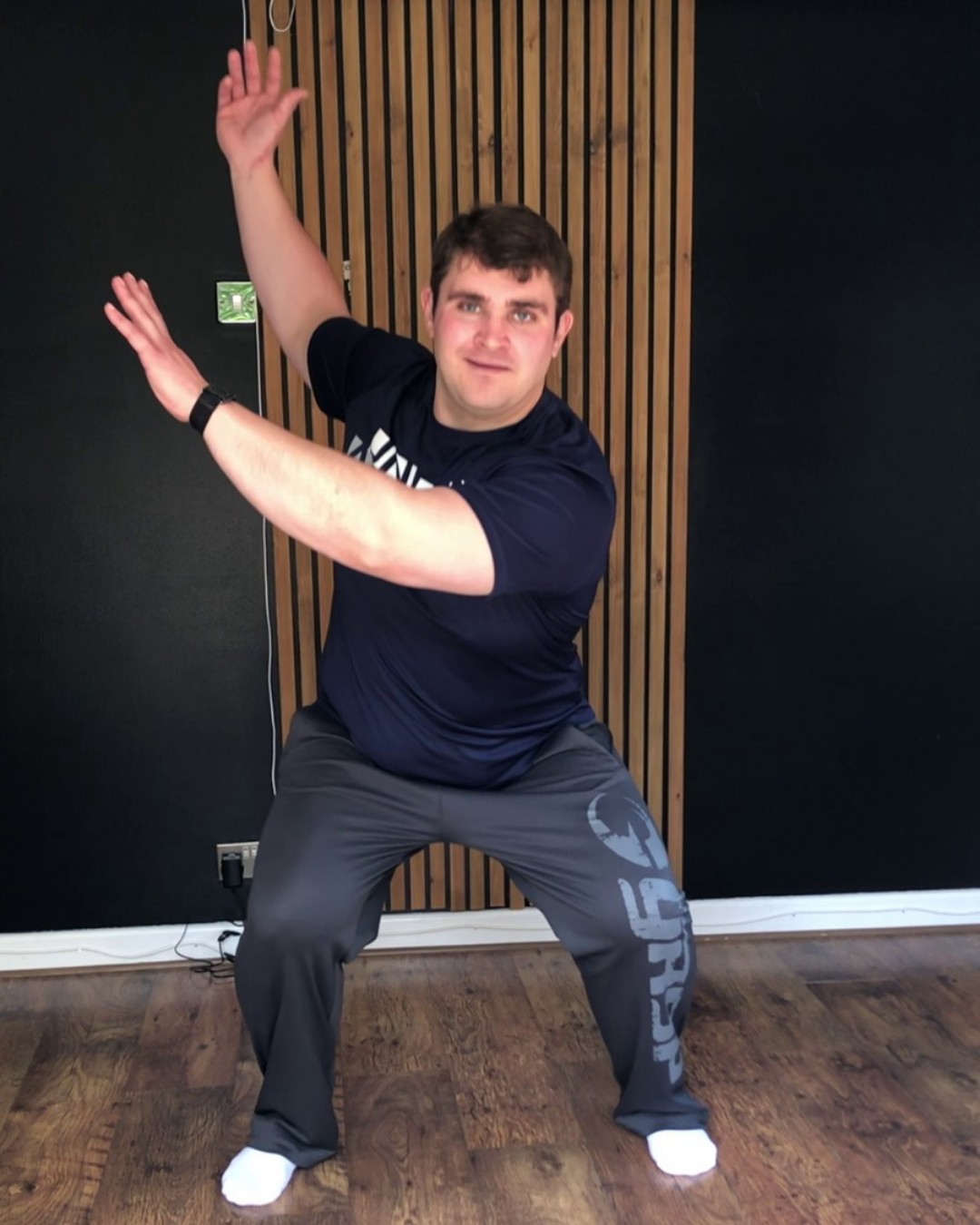
What Muscles Work In A Squat, And The Four Steps That Tell You
A squat works the quadriceps, glutes, hamstrings, adductors, erector spinae and calves. The four steps that produce that answer are taught on our CIMSPA-recognised personal training course, and they work on any exercise.
Workouts & Exercises
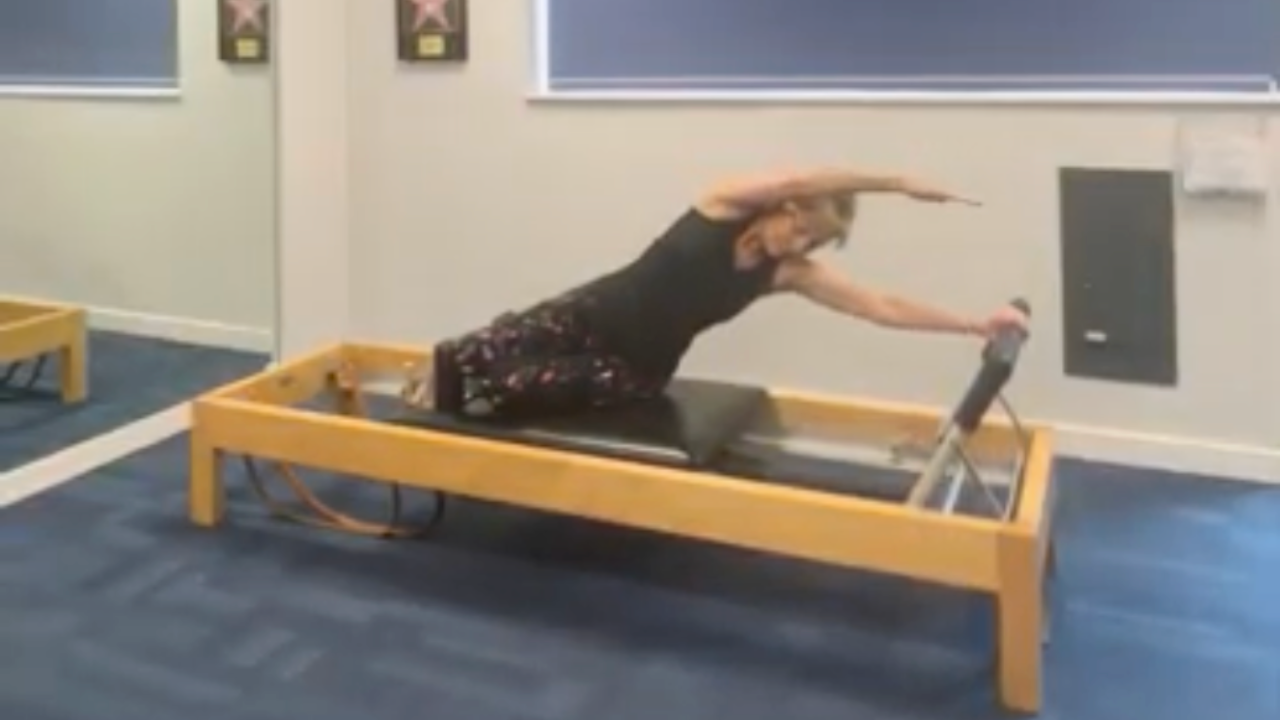
Add Pilates Strength Work To Your Sessions, No Full Pilates Qualification Needed
Pilates Injury Strength and Movement Specialist teaches why the exercises work, not just how to copy them, so you can build past them with any client.

Business & Clients
Checking A Claim And Checking A Movement Use The Same Skill, And PT Manager Shows Both
Spotting a fake nutrition claim and understanding a Pilates movement come from the same instinct. PT Manager's Live Analyser gives that instinct a live readout.
Become a Personal Trainer
You Can Tell A Real Nutrition Claim From A Sales Pitch, No Degree Needed
Before you take your first client, the Level 3 nutrition unit teaches you to tell real nutrition evidence apart from a supplement company's marketing claim.
Injury & Pain
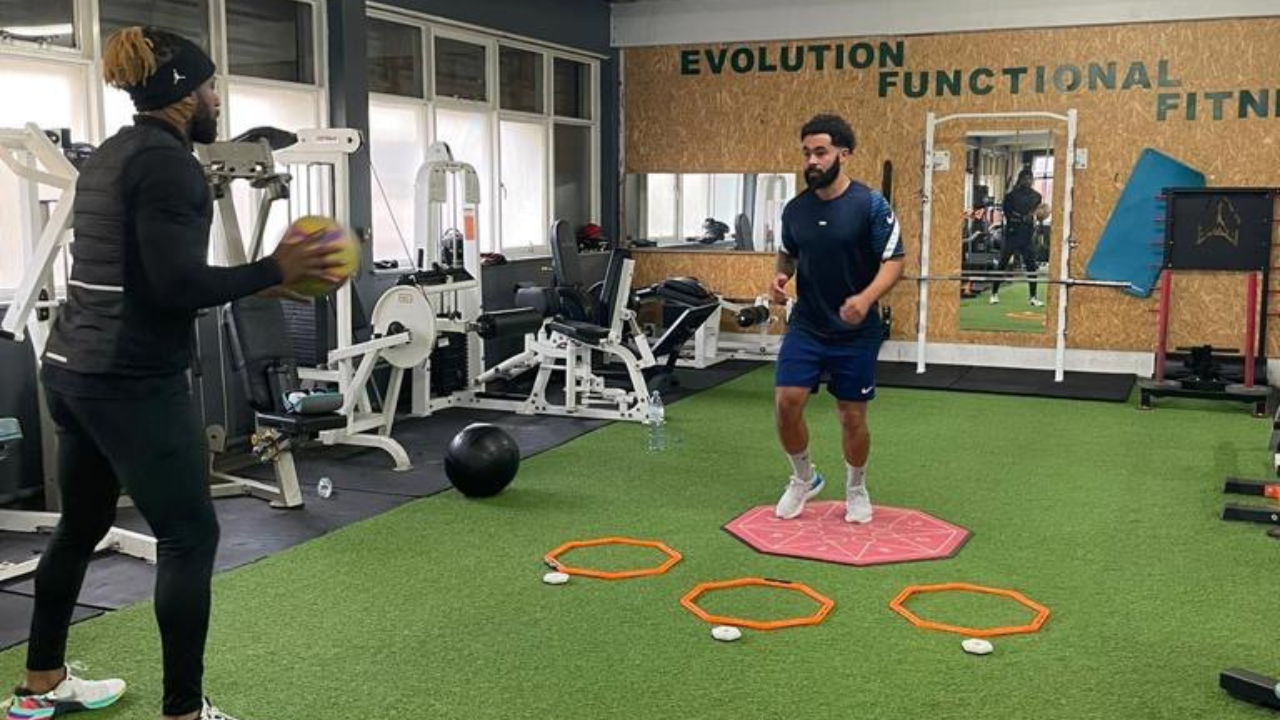
Be the Trainer Other Trainers Refer Their Hard Cases To
A client cleared to train but carrying injury, illness or pain is a different job. Injury Recovery to Performance takes them back to full performance.
Sports Science
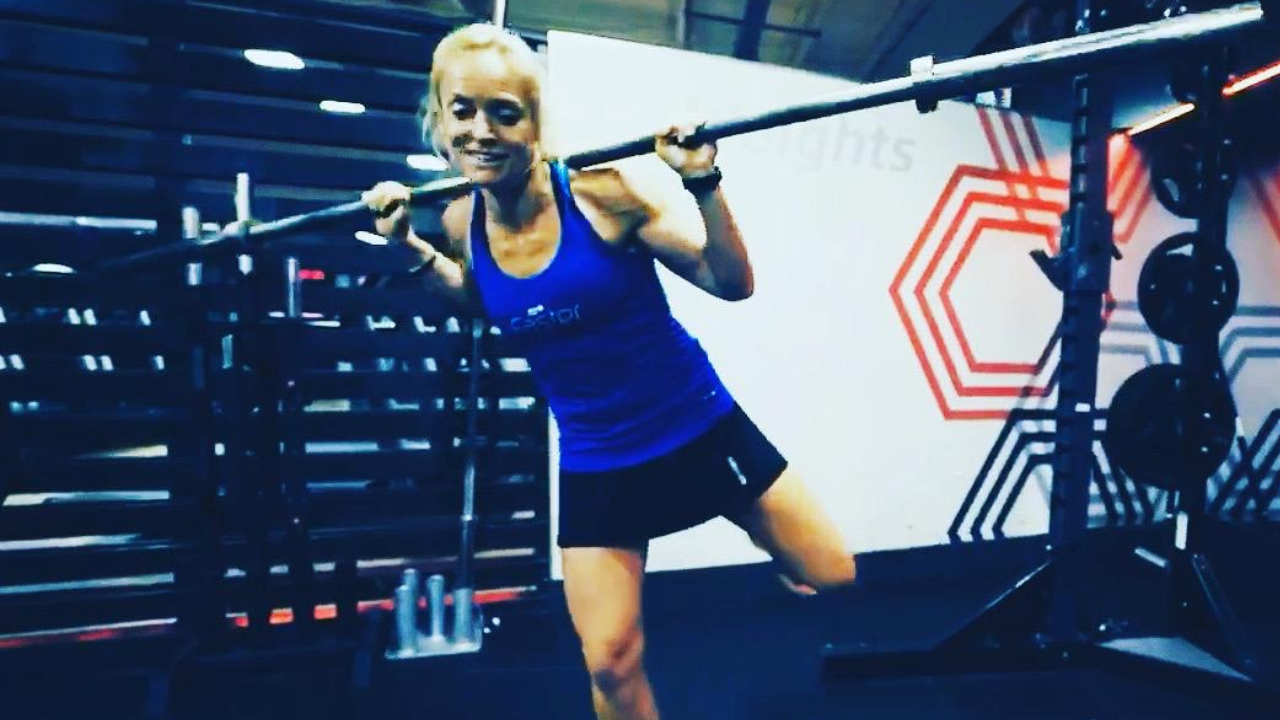
Level 2/3 Names Six Starting Points, So the Session Fits the Client in Front of You
Six client states, sedentary to sport-specific, sit inside one Level 2/3 criterion. The session gets built around the one actually there, not a template.
Business & Clients
Adapting Today's Session and Building the Route Back to Performance Are the Same Job, and PT Manager Holds Both
Six client states to adapt to, and the skill of taking an injured client back to performance. PT Manager's client records room keeps the whole journey visible.
Research
Check the source, not the argument, when a client's video contradicts you. Level 2/3 already taught you how
A client turns up quoting a video that disagrees with you. Level 2/3 names identifying credible sources as a core skill: the answer is a check, not an argument.
Sports Science
Level 2/3 asks you to spot a credible source. FASTER Sports Scientist teaches you to go and find one, one to one
Naming a credible source and finding the right evidence for a client are different skills. FASTER Sports Scientist teaches the second, no university bill.
Business & Clients
Checking a source and building the session round it are the same job, and PT Manager is where that reasoning lives
Checking a client's source and going deeper with FASTER Sports Scientist end in one place: PT Manager's programme builder, where reasoning becomes the session.
Sports Science
She's entered a Hyrox and brought a plan she found online. Running it through the system beats coaching it blind
A Hyrox client often arrives with someone else's programme in hand. MSAS and Speed for Sport give you the system to check it, not a Hyrox course you don't need.
Injury & Pain
Read a joint's real range of motion properly, and know straight away whether it's injury risk or just how she's built
A joint that moves differently from the textbook is not an injury waiting to happen. Level 3 names reading joint structure and range as core knowledge.
Business & Clients
Reading a joint properly and building a programme that survives Hyrox fatigue use the same eyes. PT Manager is where both live
Reading a joint's real range and checking a borrowed plan against research are the same watching-and-reasoning skill. PT Manager is built to back it.
Business & Clients
Pregnant, postnatal or moving through menopause, a client's body changes faster than any form. PT Manager reads what's true about her today
A changing body, pregnant, postnatal or perimenopausal, isn't the body on an intake form from months ago. PT Manager reads what's true this session.
Coaching & Mindset
Ask about menopause the way you already ask about everything else, and a client's biggest variable stops going unspoken
A menopausal client rarely raises it themselves. FASTER's courses teach the interviewing that catches it anyway, and the reasoning to programme for it.
Chronic Illness & Health
Know the guidelines for a pregnant client properly, and you can say yes to her with confidence
Most trainers panic or pass a pregnant client along because nobody taught them the rules. Level 2/3 covers antenatal and postnatal guidelines properly.
Coaching & Mindset
Match the session to the body in front of you, not the plan you wrote last night
One programme rarely fits a sedentary client, an injured one and your fittest without a change. Level 3 asks trainers to explain exactly what shifts for each.
Sports Science
Plan the season before the session, so your athlete peaks when the competition is
A strong session and a well-timed peak are different skills. Level 4 Strength & Conditioning teaches the second, so the athlete is ready on the day that counts.
Business & Clients
Today's session and the whole season are the same question, answered at two different distances
Adapting one session and shaping a whole season start from the same read. PT Manager's Build screen moves from a single session to a full season, one tool.
Coaching & Mindset
Read the shoulders, the breath and the pace to know whether your cue landed
A client says the cue makes sense while their shoulders climb toward their ears. Level 3 asks why non-verbal communication matters: the answer is in the body.
Workouts & Exercises
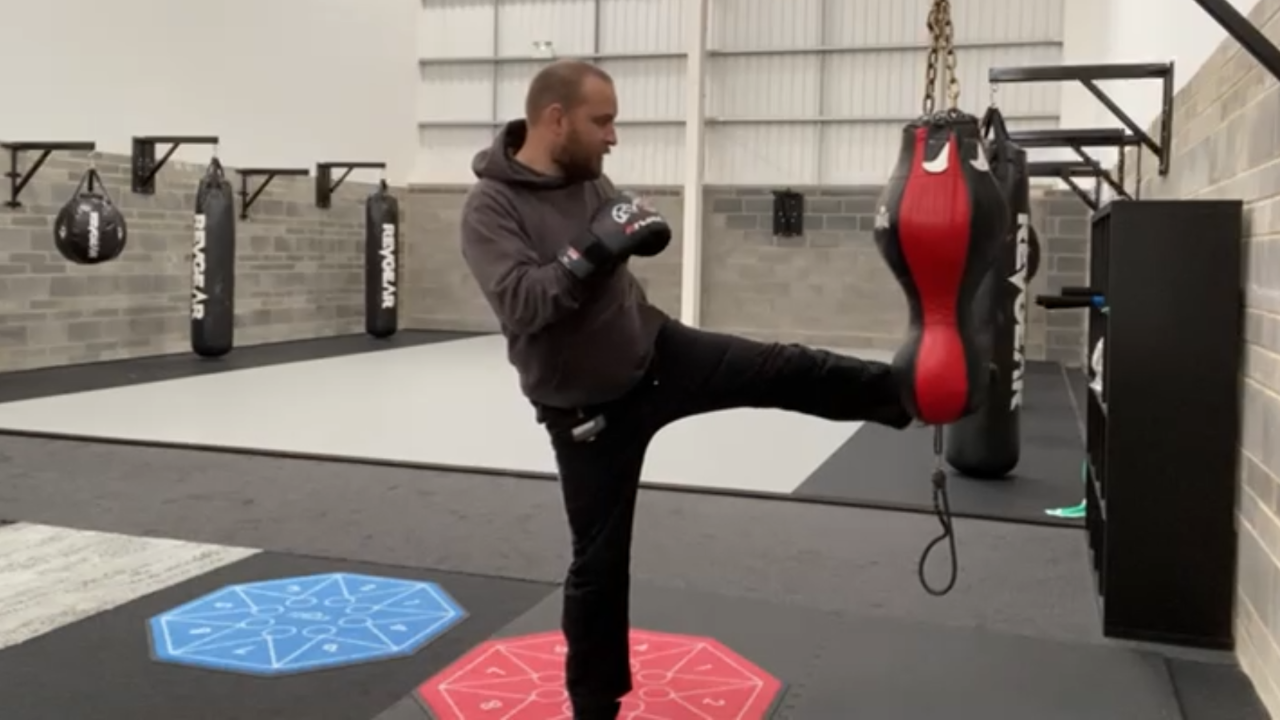
Turn the cardio block into pad work and your client asks for the hard bit
Clients don't rebook for the treadmill block. Advanced Combat Techniques turns cardio, speed and agility into sessions people actually look forward to.
Business & Clients
The nod and the no-show are the same client talking two different ways
The client who says a cue makes sense and the one who goes quiet on Tuesdays are telling you the same thing. The Live Analyser and session history catch both.
Injury & Pain
The rep they always cut short is protecting something you can't see
One exercise, every session, cut short. It isn't laziness. Games for Pain is built for the client whose body remembers pain, and it removes the guard.
Workouts & Exercises
Dose the soreness on purpose and your new client comes back for session two
A new client who can barely manage the stairs two days later isn't proof you know your job. Level 2 teaches DOMS: soreness is a choice, not an accident.
Business & Clients
What the guard and the soreness have in common: neither one gets said out loud
A client protecting a remembered pain doesn't announce it. Both problems live in the gap between sessions, and PT Manager's session history closes that gap.
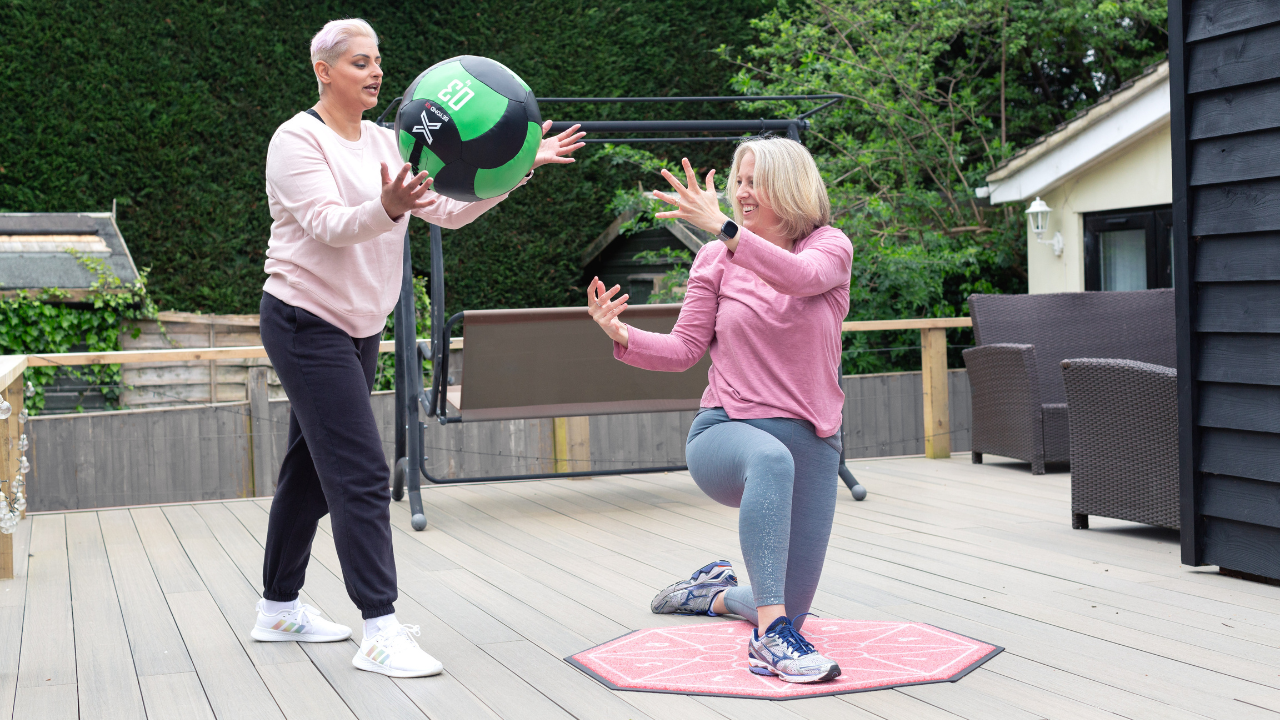
Coaching & Mindset
One question gets your client to name the barrier that is really ending sessions
Clients rarely quit because training was too hard. They quit over something in their week they never mentioned. Level 2 teaches you to find it first.
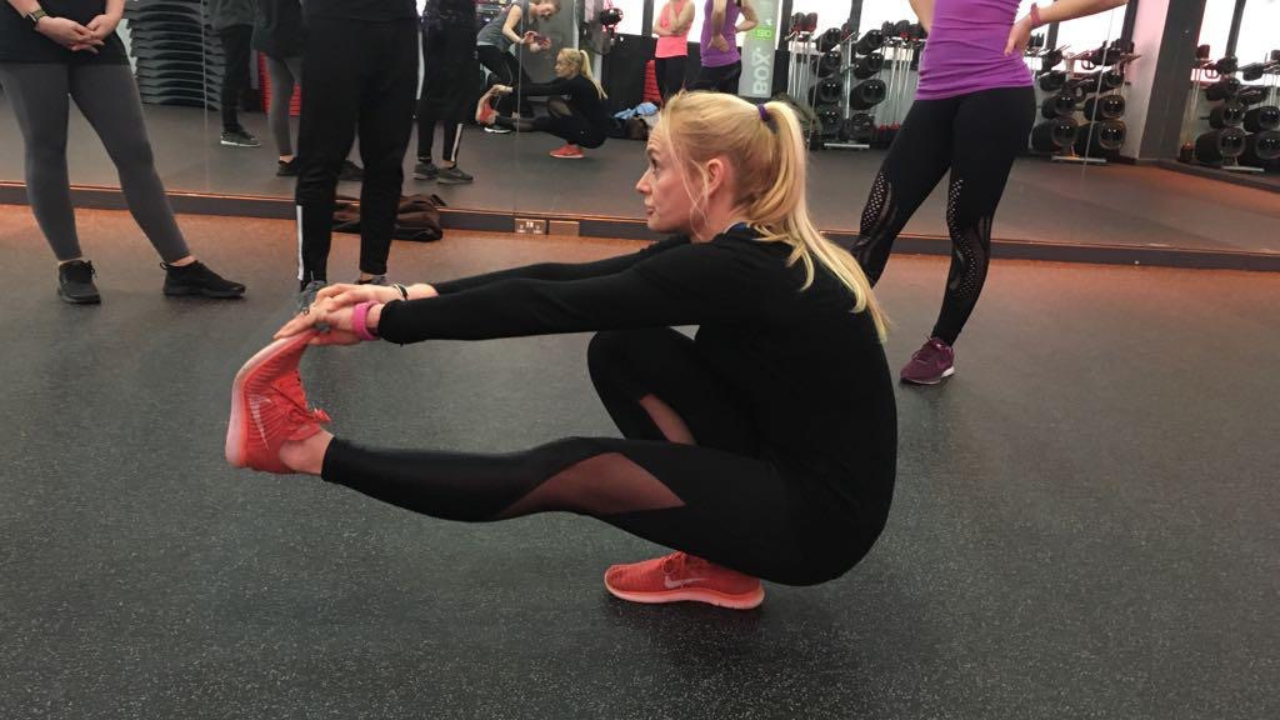
Programming
Why your sessions are good but forgettable
A well-programmed but forgettable session has a structure problem. FASTER teaches session design as a three-act story: an experience is a sequence of feelings.
Business
Run the whole business on one free system and keep your own money
The Level 4 Diploma assesses using IT systems to run a PT business. It doesn't tell you the normal answer costs five subscriptions a month, or that one doesn't.
Become a Personal Trainer
You cannot fit a leg press in the boot of your car. Here is how you still train a client properly in a park, a garage or a spare room
Training people outside a gym takes creativity, not a van full of kit. The Level 2 and Level 3 teach how to work in spaces that were never designed for exercise, and FASTER adds an exercise library built for exactly that.
Business & Clients
Trainers are paying too many people too much money for too little, and we are taking as many of those payments away as we can
Booking app, coaching app, assessment, analysis, programming, business management. PT Manager is all of it, free for FASTER students, no cut of your money.
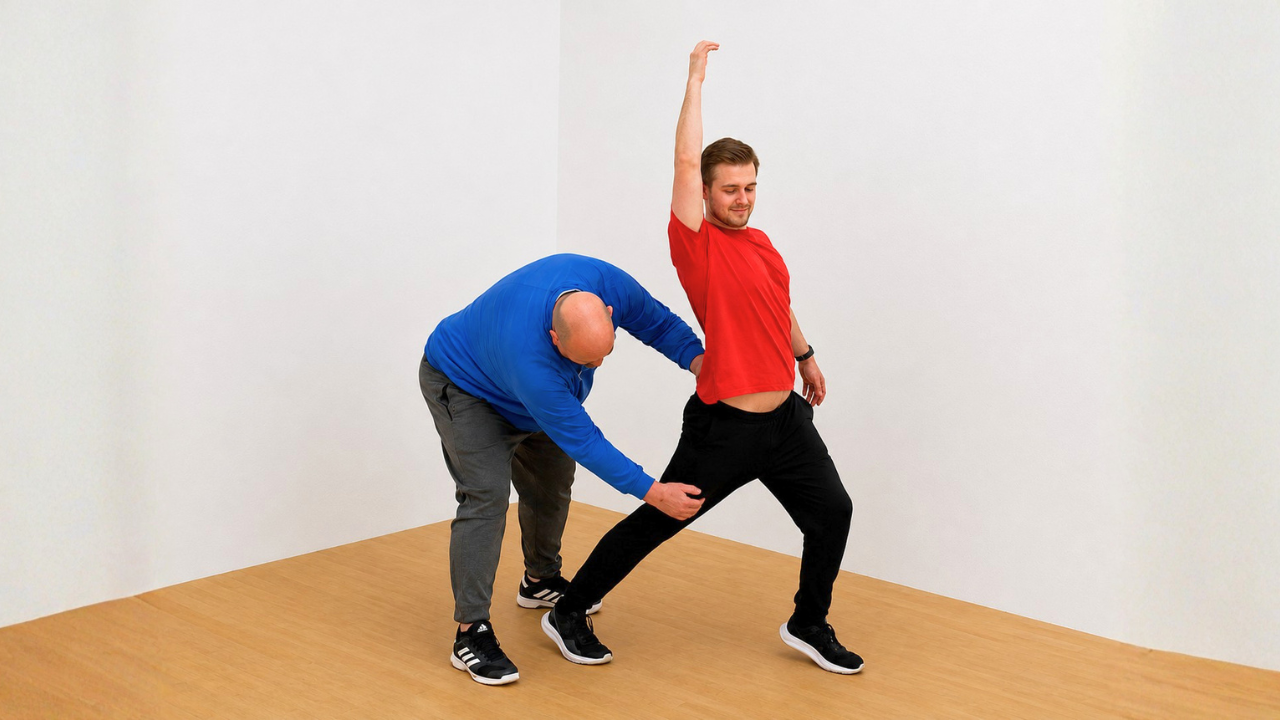
Coaching & Mindset
Why some personal trainers have confidence, and it has nothing to do with believing in their own programme
A trainer's product is invisible: it gets judged on a feeling. Confident trainers read whether they are creating that feeling, and that is a learnable skill.
Biomechanics
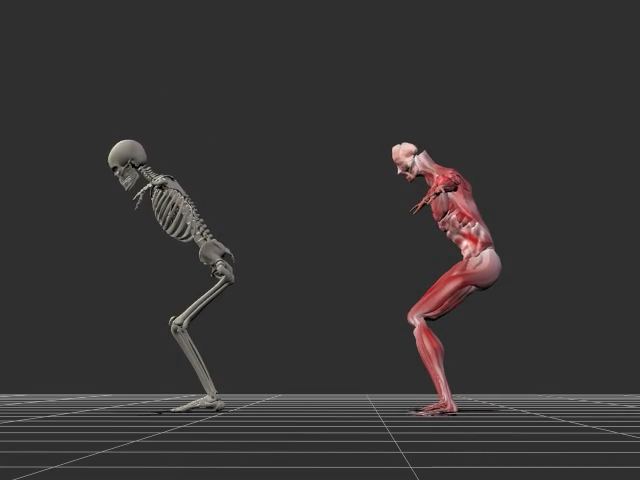
Read the hips in front of you and they will tell you that client's squat depth
A textbook squat diagram is one hip's answer, not everybody's. Field-Based Biomechanics teaches you to read the client in front of you, not grade a picture.
Business & Clients
Adding load only helps if you can see what it's doing to that exact joint, live. Guessing at either one wastes the session
Progressive overload and reading a client's joints are two skills for the same session. The Live Analyser reads the joint live; the load log is one tap away.
Workouts & Exercises
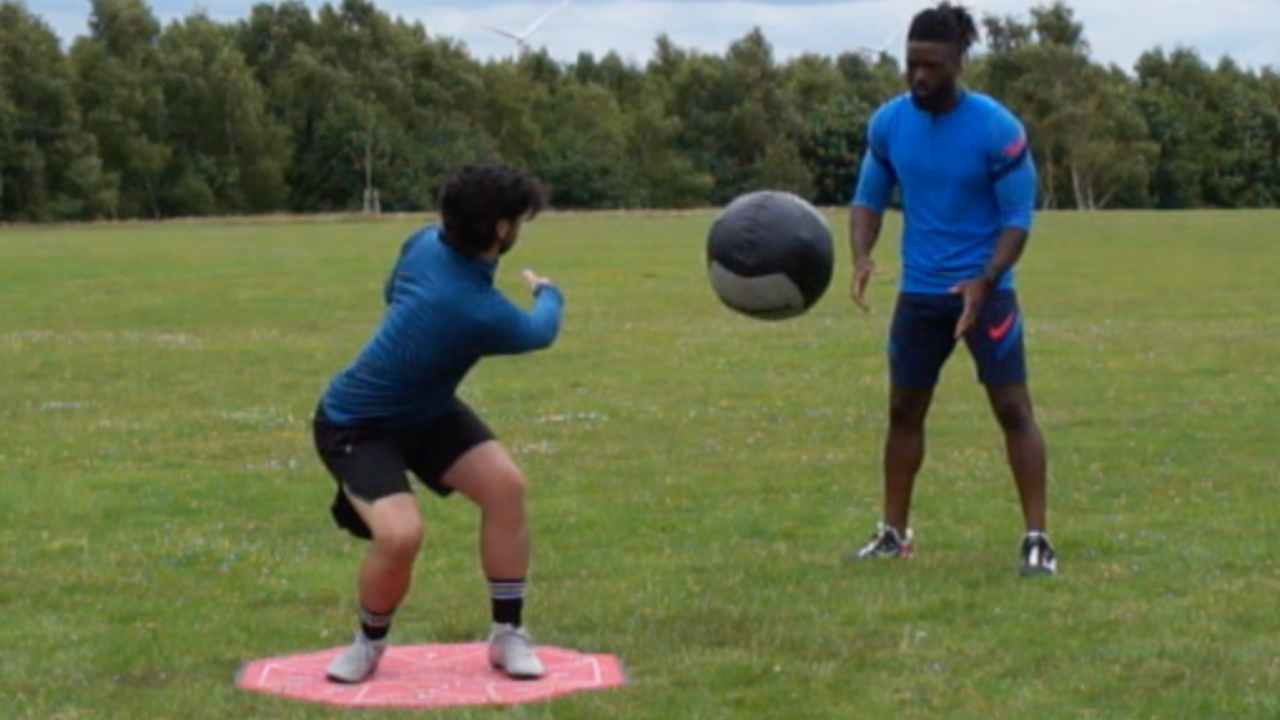
A plateaued client doesn't need a new programme, just a bit more load. The industry sells periodisation for what's really a few extra kilos
Progressive overload means a small, tracked bit more than last session. Why the industry inflates it, and how Level 2/3 teaches you to catch plateaus.
Injury & Pain
A client guarding against movement isn't being difficult. Their nervous system is doing exactly what it's built to do
Guarding a once-painful movement is a reflex, not a lack of effort. Games for Pain builds games around that movement, so the guard drops without an argument.
Business & Clients
A slow lowering phase and a guarded client are two different problems. The PT Manager reads both from the same camera
Tempo control and a fearful client's guarding both live in a fraction of a second most eyes miss. The Live Analyser tracks either, live, from one camera.
Injury & Pain
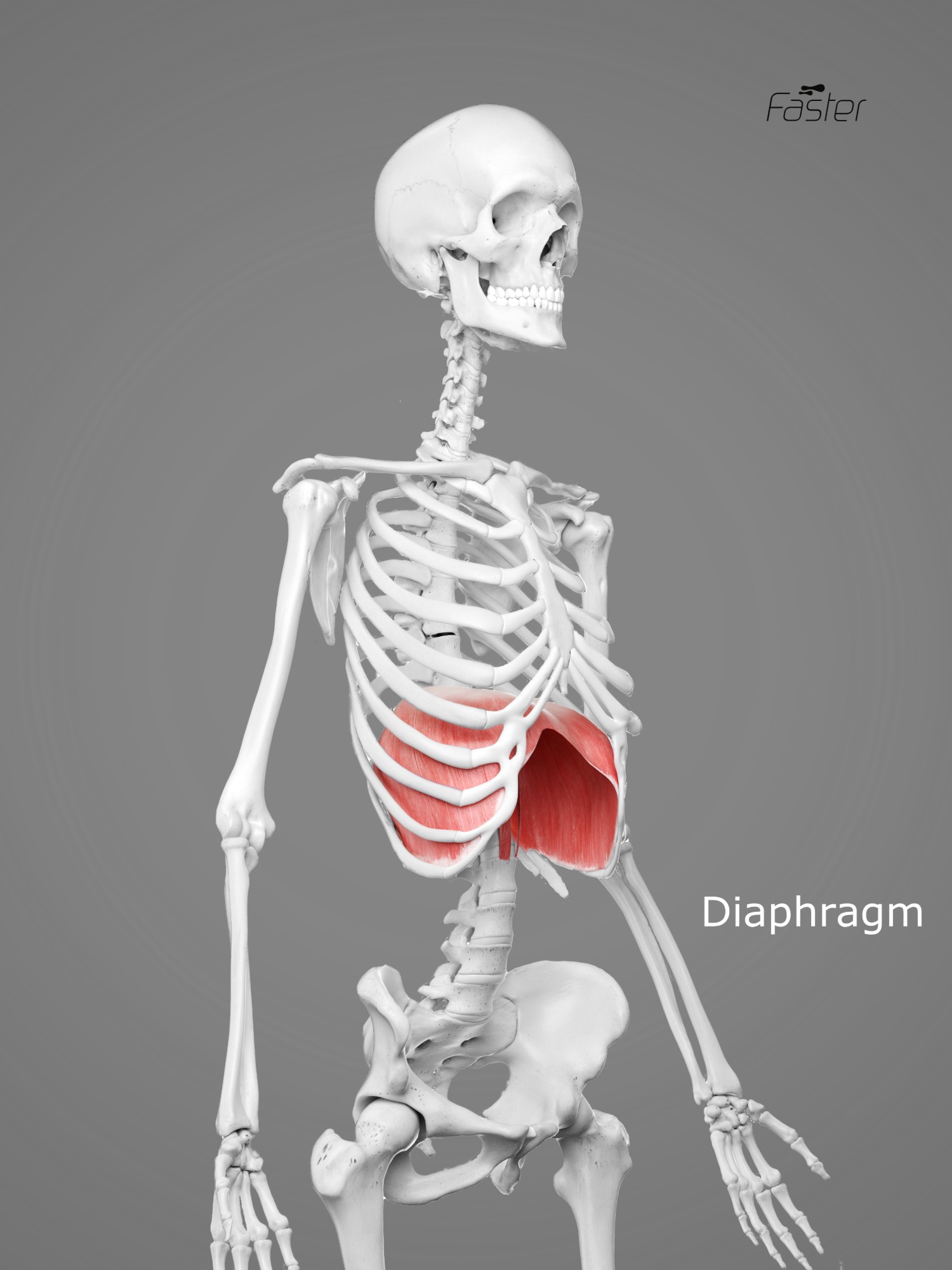
Abdominal exercise does not make diastasis worse
The research reviews are in: abdominal training does not worsen diastasis recti. The rectus sheath is intact, connective tissue heals, and the words trainers choose matter more than the finger-width test.
Biomechanics
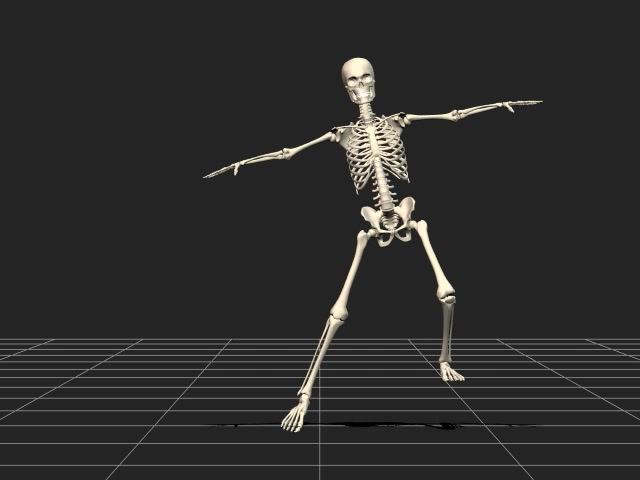
Five ways to get movement at one joint
Every joint action can happen five ways: distal end moving, proximal end moving, either end faster, or both ends in opposite directions. Most programmes only ever train one.
Coaching & Mindset
Some clients aren't 'just flexible'. They were taught to move well, and that is a skill you can coach too
Mobility is a taught skill: joint range someone learns to control and use, not a genetic gift. Skill Driven Mobility Coach turns that into hands-on technique.
Business & Clients
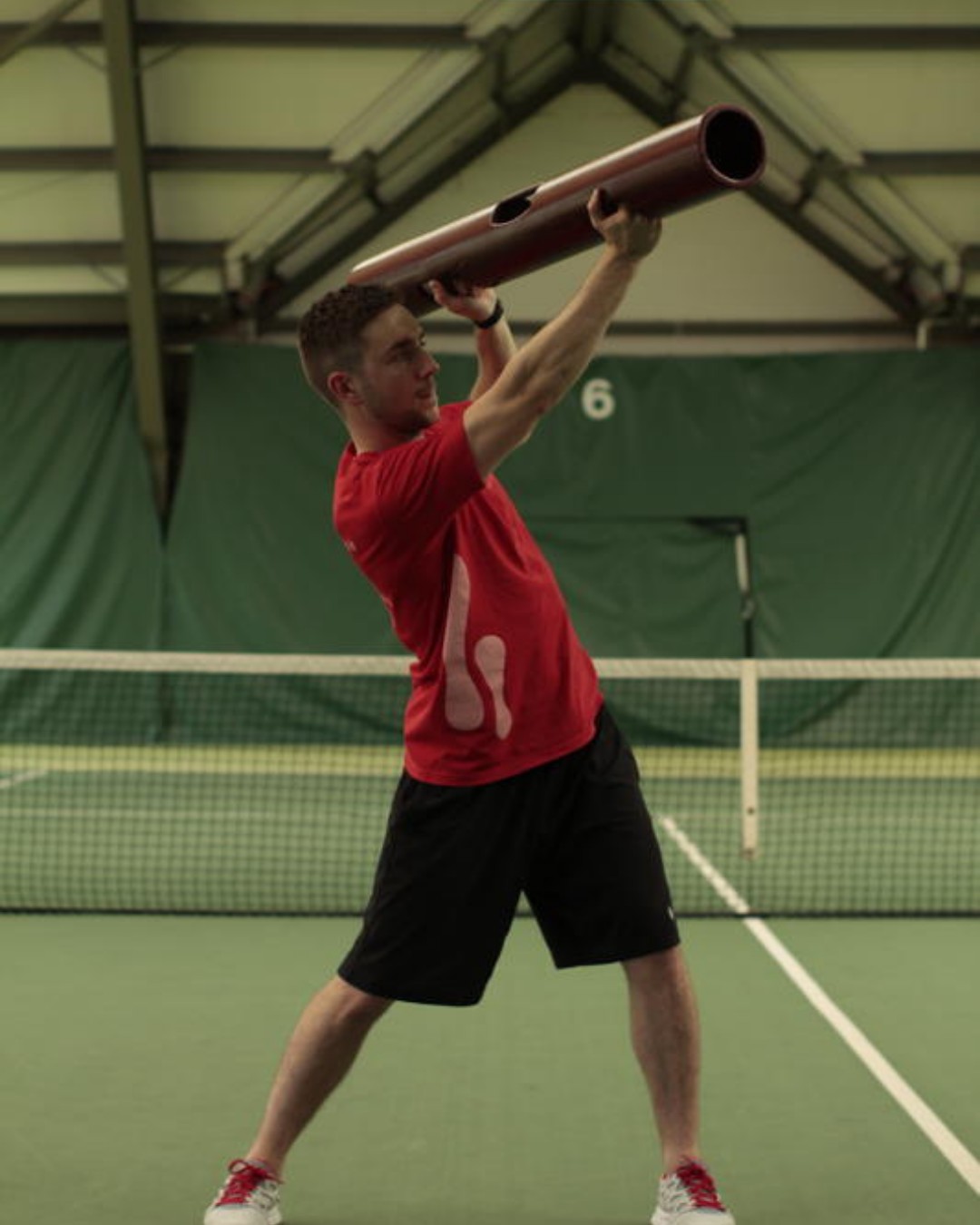
A squat's depth and a hip's new range are two different arguments. The PT Manager settles both from the same camera
Squat depth and mobility both turn into arguments about who has it. The Live Analyser reads the actual joint angle for both, live, from one camera in the room.
Workouts & Exercises
Squat depth is a hip crease passing a kneecap. The industry turned a joint angle into a personality test
Squat depth is the hip crease dropping below the top of the knee. Why the industry treats it like a referendum, and how Level 2/3 coaches it to the person.
Core & Pelvic Floor
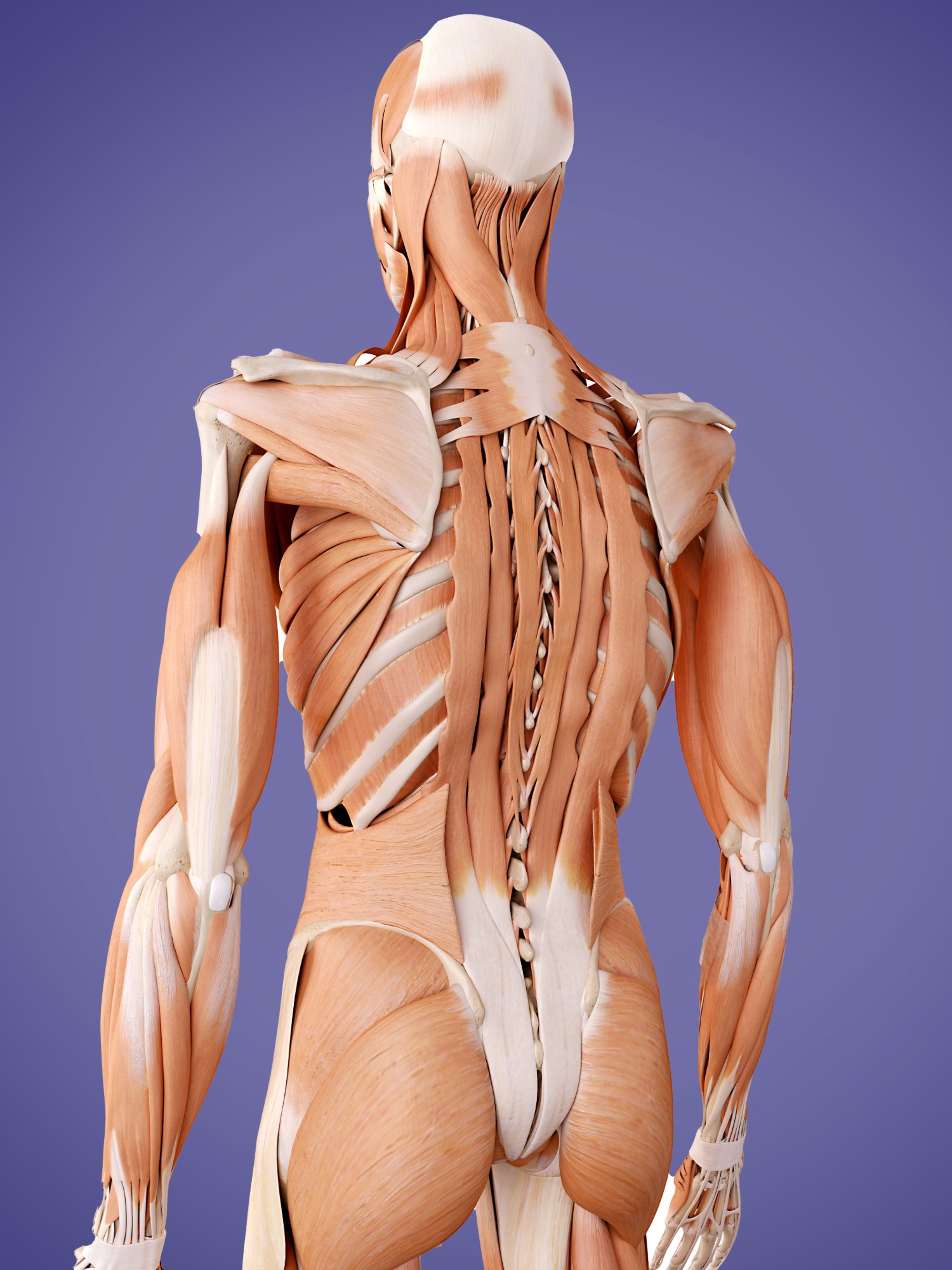
The deep core is an anatomical term, not a training method
Anatomists sorted trunk muscles into deep and superficial layers to describe where they sit, not how to train them. Lederman said it in 2010. The industry sold the cult anyway.
Business & Clients
The one camera feed that catches a trunk holding still and a shin angle landing
A trunk holding under load and a shin angle at ground contact are different things to see, live. The Live Analyser tracks both, joint by joint, on one feed.

Sports Science
A fast first step is a shin angle you can see, coach and film
Explosive acceleration comes down to one visible angle at the ground. Stop Turn Accelerate teaches a trainer to see it and coach it.
Workouts & Exercises
A balanced session is a push for a pull, and the front of the legs for the back. Learn the rule, then earn the fun of breaking it
At Level 2/3, balancing a session is insisted on: a push earns a pull, the front of the legs earns the back. The rule comes first; breaking it well comes later.

Programming Specialist
Trace a training rule back to its evidence before you build a programme on it
Call to authority, history, region, nature: the information viruses of the fitness industry. Research skills are the immunity, and easier to build than sold.
Coaching & Mindset
Bits of paper, a pile of Google Docs, or £60 a month. Programming for clients deserves better
Skeletons and Blocks is the FASTER way to build programmes: mimic the best patterns, then train the client consistently in a way they love. In PT Manager.
Workouts & Exercises
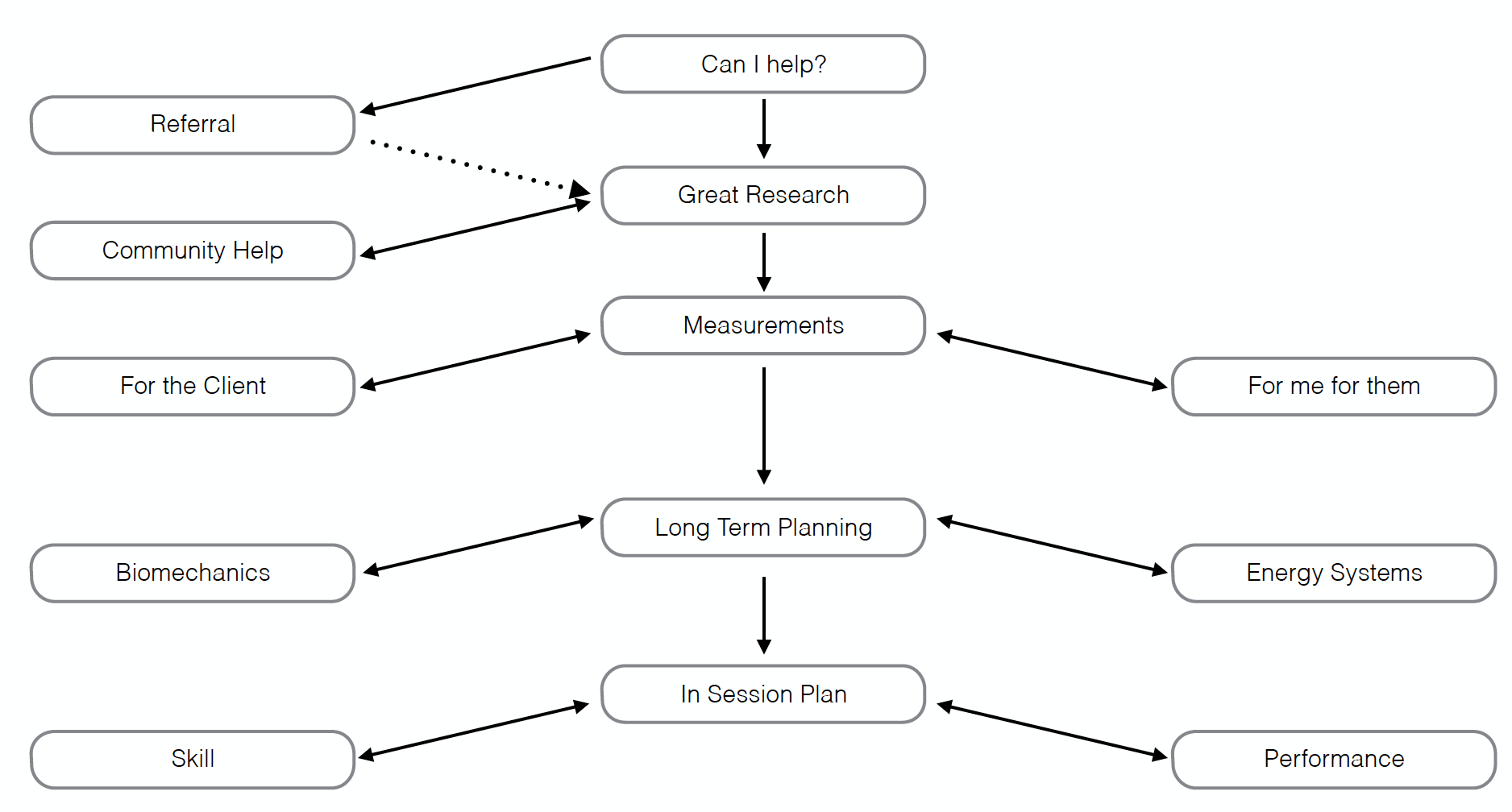
A hip hinge is bending at the hips. The industry made a fortune pretending it is harder than that
A hip hinge is bending at the hips while the spine stays still. Why the industry overcomplicates a fundamental, and how a Level 3 trainer learns to see it.
Workouts & Exercises
The best exercise isn't in an app with 500 of them. It is the one built for the person who turned up today
The best exercise for a client is rarely in an app with 500 of them. Here is how FASTER trainers build movements from feel, emotion and what they can see.
Business & Clients
A personal training app that shows the client the movement, in the trainer's own name
White-labelled coaching software that puts the movement on the client's phone, trainer demonstrating. Opens at sign-up; adds clients as you pass FASTER courses.

FTE
Challenge your own bias for a year and watch what it does to your coaching
The fitness guru is dead and the conveyor belt replaced them. Why the myths you were sold persist, and what a year of challenging your own bias looks like.
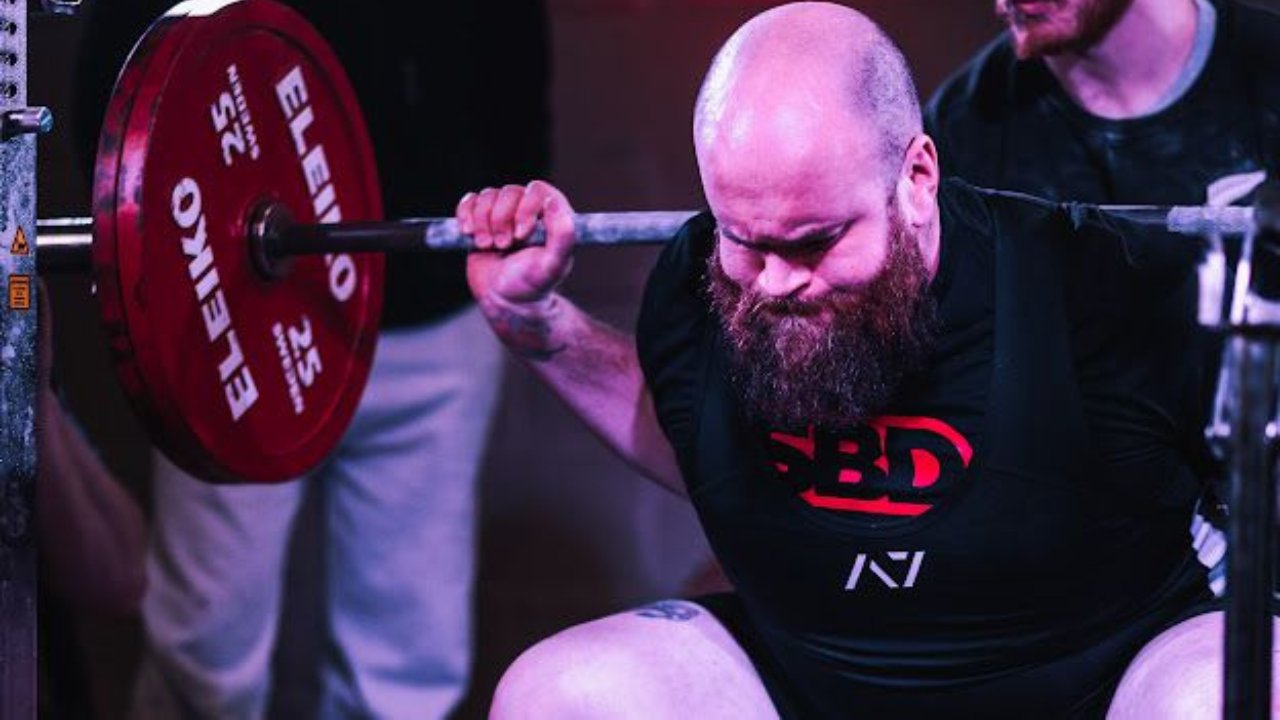
Sports Science & S&C
Is a Level 4 S&C worth it? The certificate is the cheap part
The honest routes into strength and conditioning, and why the tools that train an Olympian also give your 50-year-old client with a dodgy knee a better session.
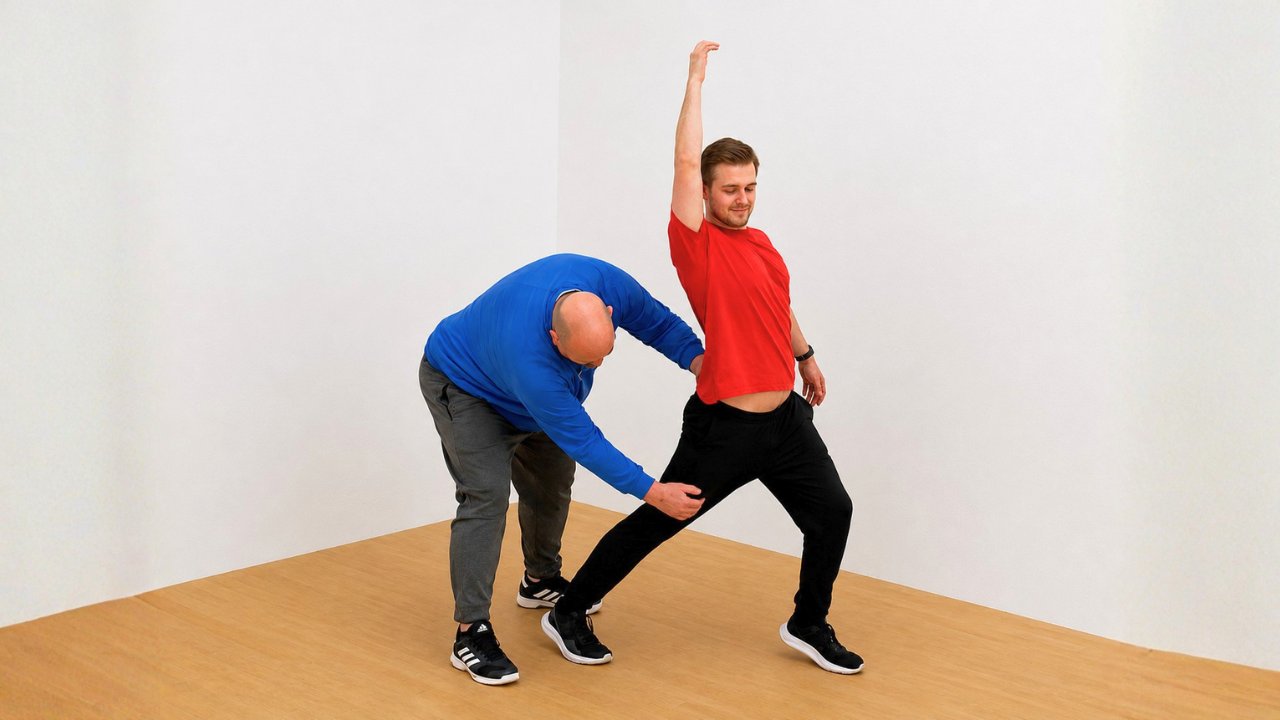
Programming Specialist
Your client gives you three hours a week. How much of it deserves a warm-up?
Warm-ups get front-loaded into every session on faith. The injury-prevention evidence is weaker and more specific than you were told.
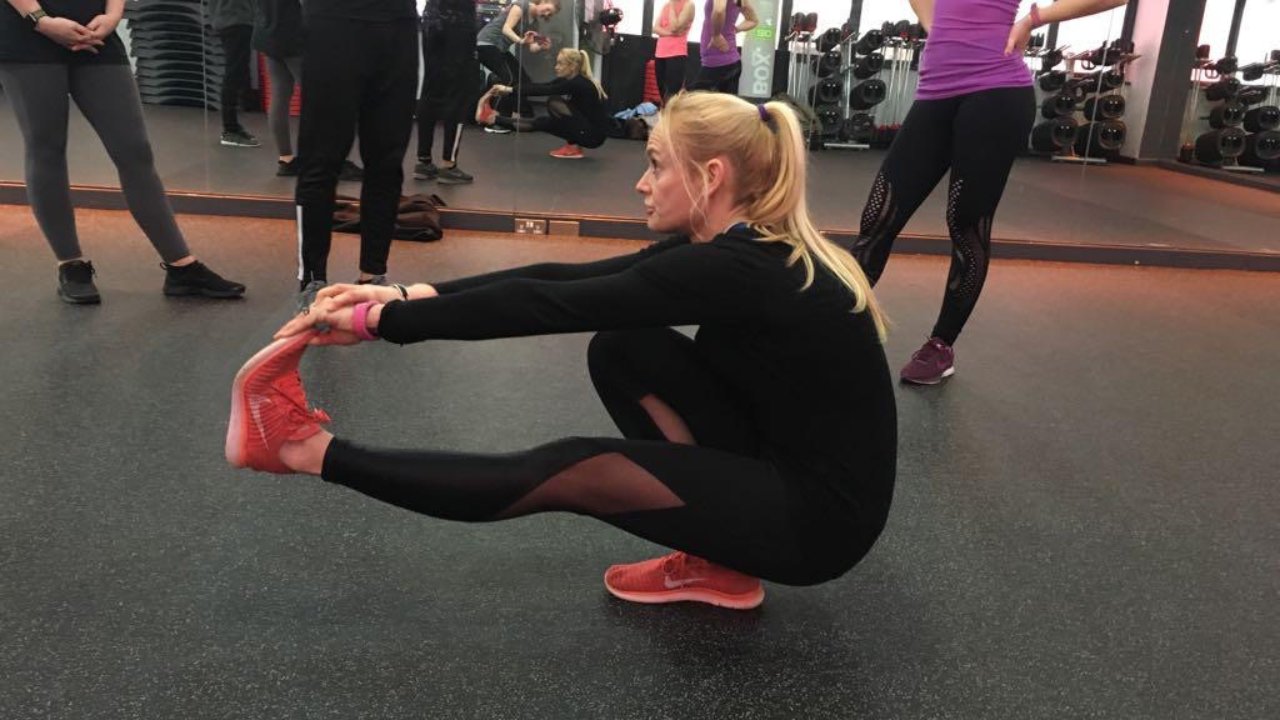
MSAS
What does a movement screen actually tell you about the client in front of you?
The Functional Movement Screen is everywhere. Its ability to predict injury sits close to a coin toss. Here is what a screen can and cannot honestly tell you.
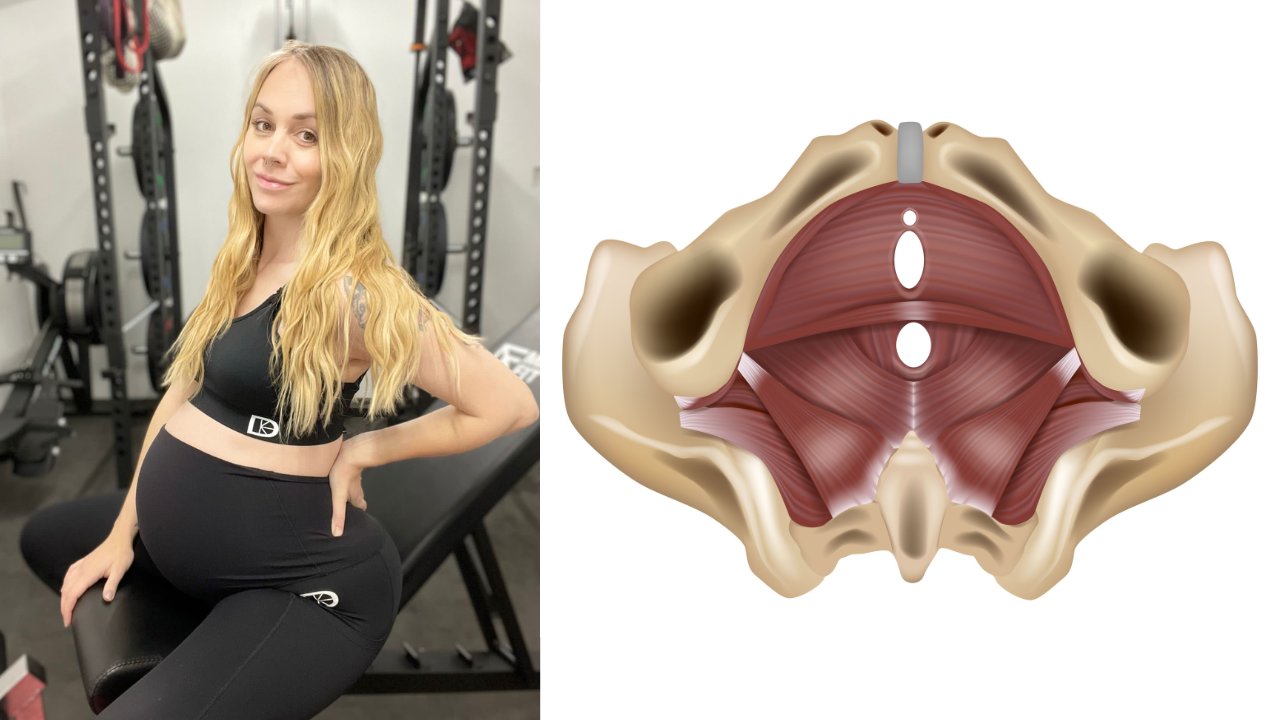
Core & Pelvic Floor
Your Level 3 mentioned the pelvic floor once. Your clients noticed.
Kegels help some conditions and do nothing for others. What the evidence actually supports, and where movement beats a fix.
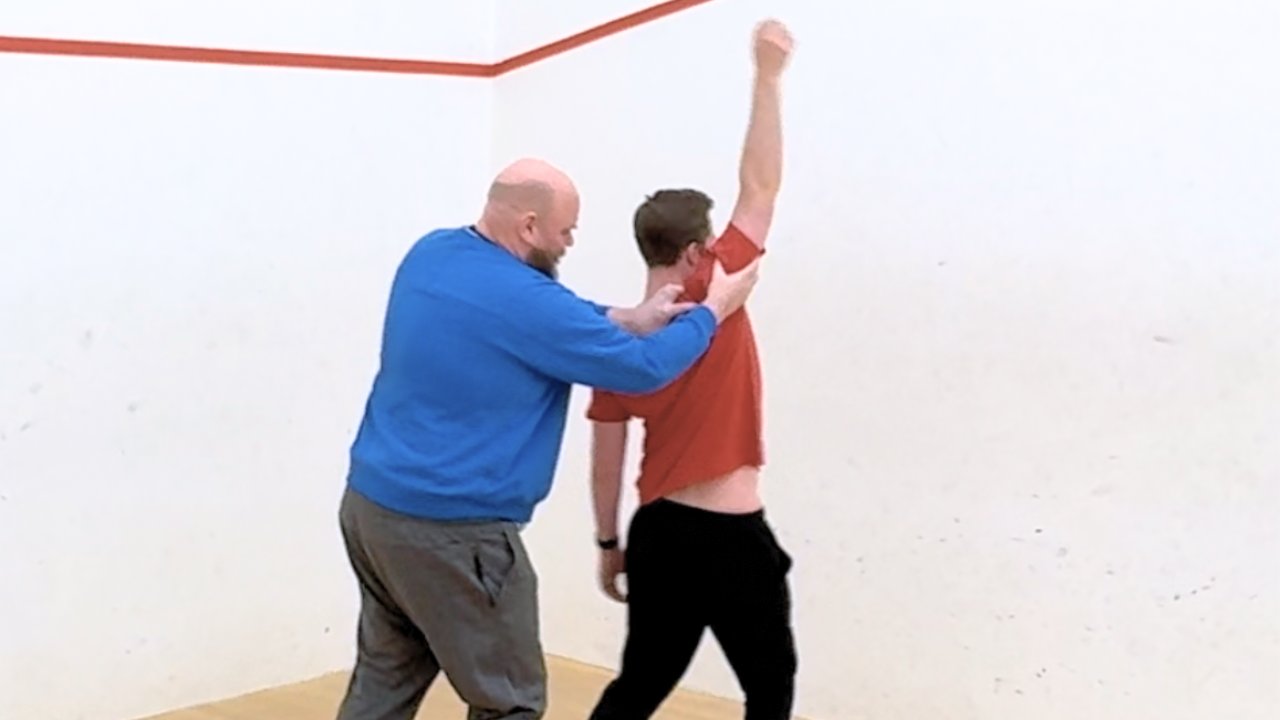
Injury to Performance
Cleared to train, refused by trainers: how to help the clients others turn away
A doctor says they can train. Three trainers said no. How to work out whether you can take them, and the system that protects you both if you do.
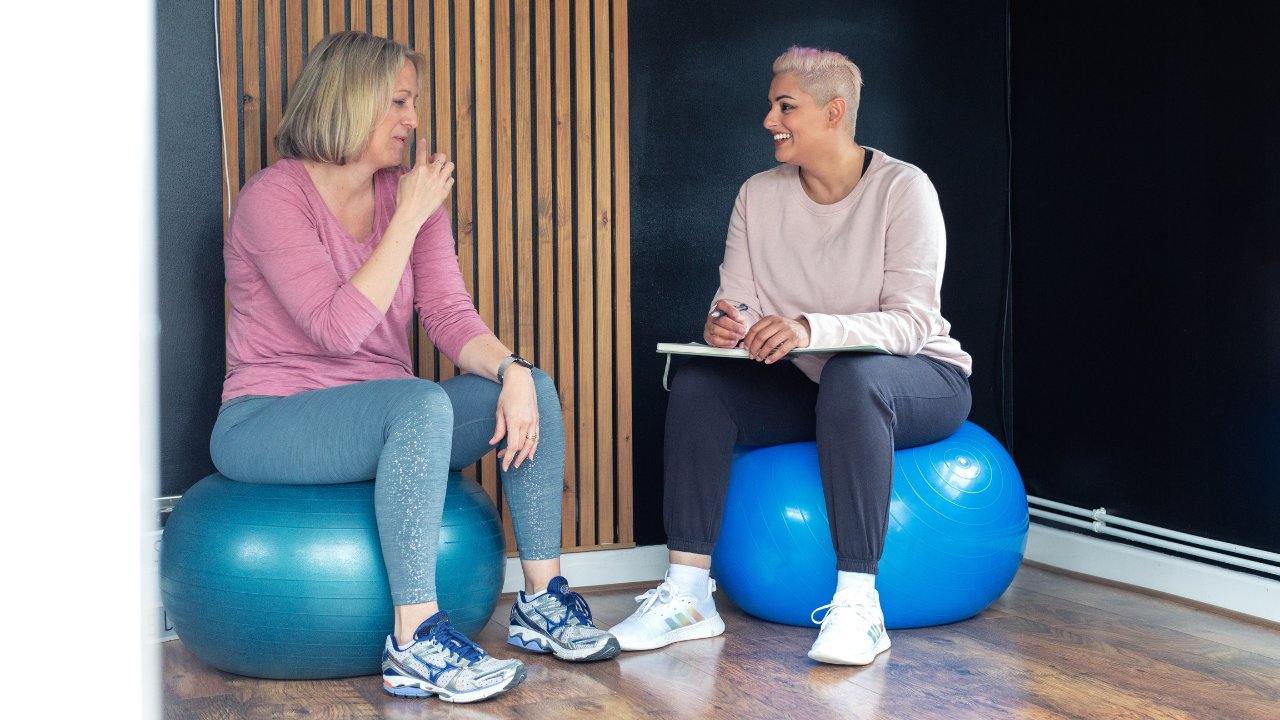
Coach Level
Feel like you should know more? What confident trainers actually know
Confidence is not more exercises. It is knowing the client will come back, and that the movement you cause after the session beats the movement during it.

Business
Qualified, quiet diary? Check your OMF
Operations plus Marketing equals Financial. Robert Craven's formula explains an empty diary better than any six-figure guru, and what to fix first.
Train to be a Trainer
How to become a personal trainer in the UK: every step, every price
Level 2 is £600, Level 3 is £900, both plus Movement Trainer £1,500. The full route, what each part costs, and the bit nobody warns you about.
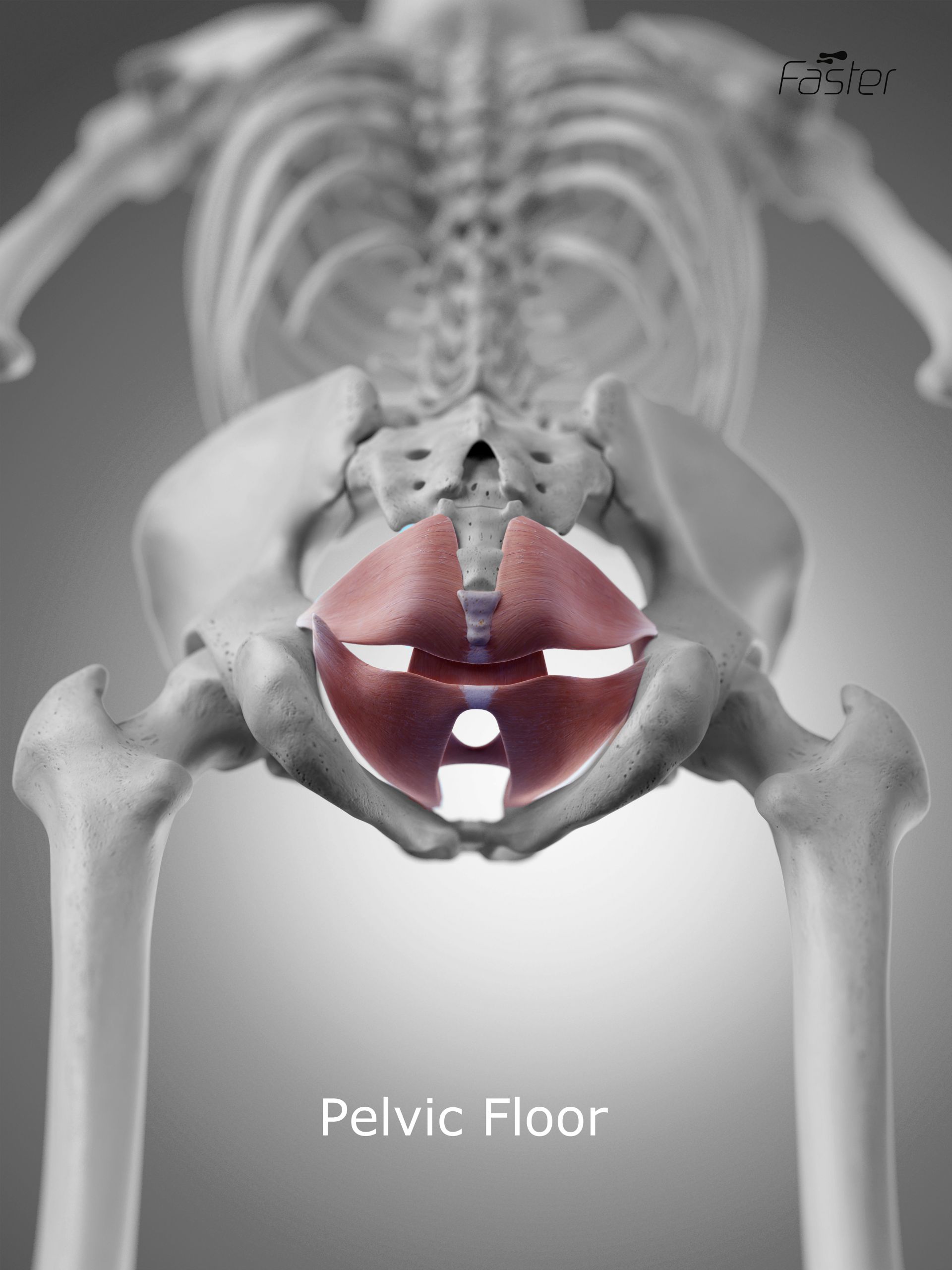
Chronic Illness & Health
Breathing and Training the Pelvic Floor: What the Evidence Says
Breathing exercises are widely promoted for pelvic floor health. Here's what the systematic reviews and trials actually show — and why PFMT remains the gold standard.

Injury & Pain
Pain Science: The Role of the Non-Medical Trainer
Pain is an experience, not a simple readout of tissue damage. That single idea redraws the line between trainer and clinician — and puts your language, delivery and design of experience at the centre of the job.
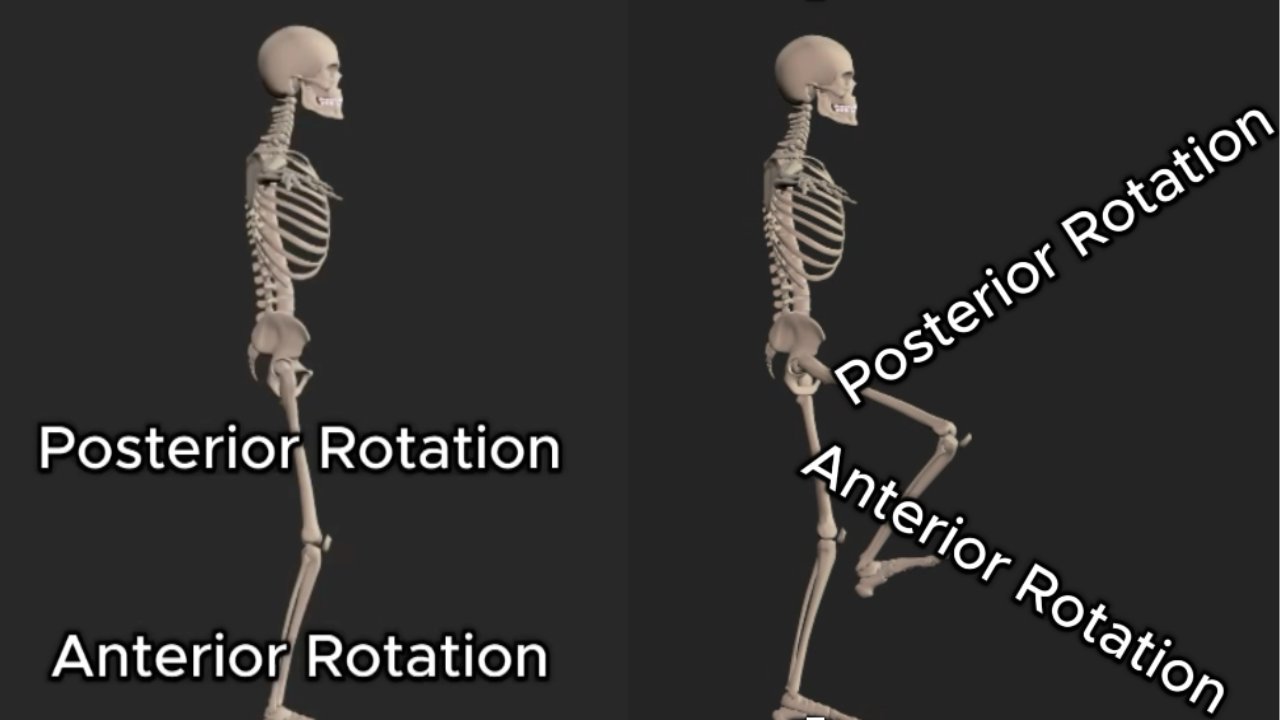
Workouts & Exercises
Skeletons and Blocks: How to Build Programmes on the Spot
The FASTER way to write programmes fast without them all looking the same — skeletons for the shape of a session, blocks for what goes inside.

Coaching & Mindset
Personal Trainer Imposter Syndrome, Part 4: Owning Your Authority
The final step isn't the disappearance of doubt — it's the arrival of authority. Here's how to lead sessions instead of just surviving them.
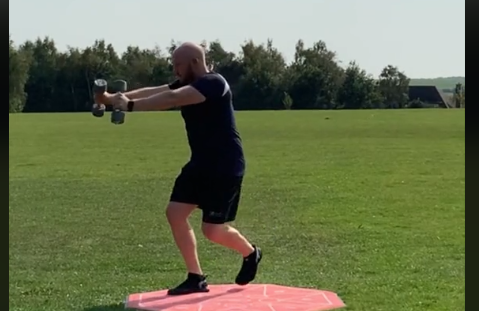
Coaching & Mindset
Personal Trainer Imposter Syndrome, Part 3: Programme Design
Imposter syndrome shrinks when programme design stops being guesswork. Here's the FASTER order of priorities — long-term plan, session design, and story beats.
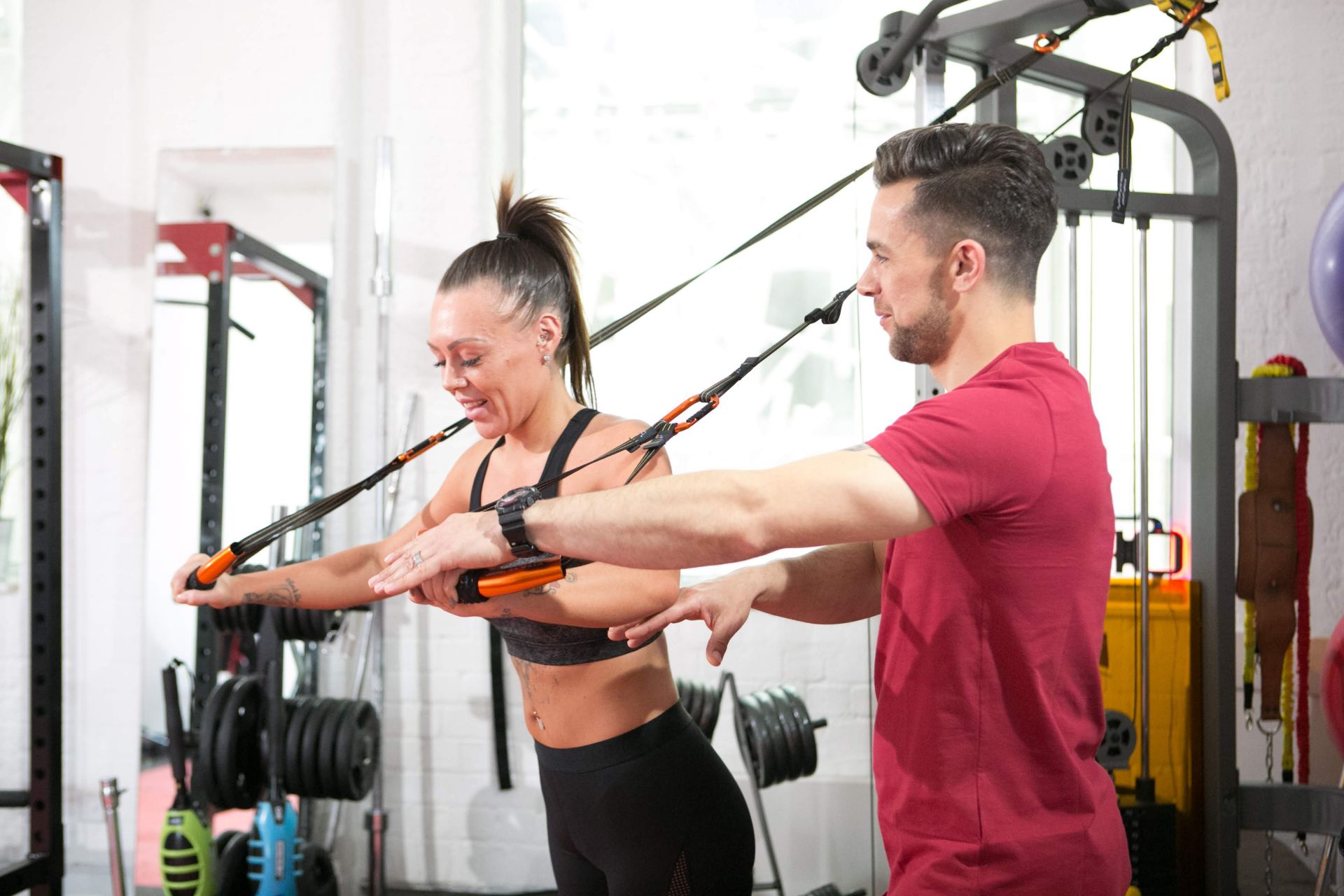
Coaching & Mindset
Personal Trainer Imposter Syndrome, Part 2: A Programme Design Checklist
Imposter syndrome when writing programmes usually means you're missing a system. Here's the checklist I use to cover every angle of programme design.
Coaching & Mindset
Personal Trainer Imposter Syndrome, Part 1: Programme Design
Programme design is where imposter syndrome hits many trainers hardest. Here is what a programme really is, and why doing it right builds your confidence.

Become a Personal Trainer
10 No-BS Tips to Become a Successful Personal Trainer
Personal training is not all mirror selfies and motivational quotes. Here are ten honest habits that separate the trainers who last from the ones who quit.
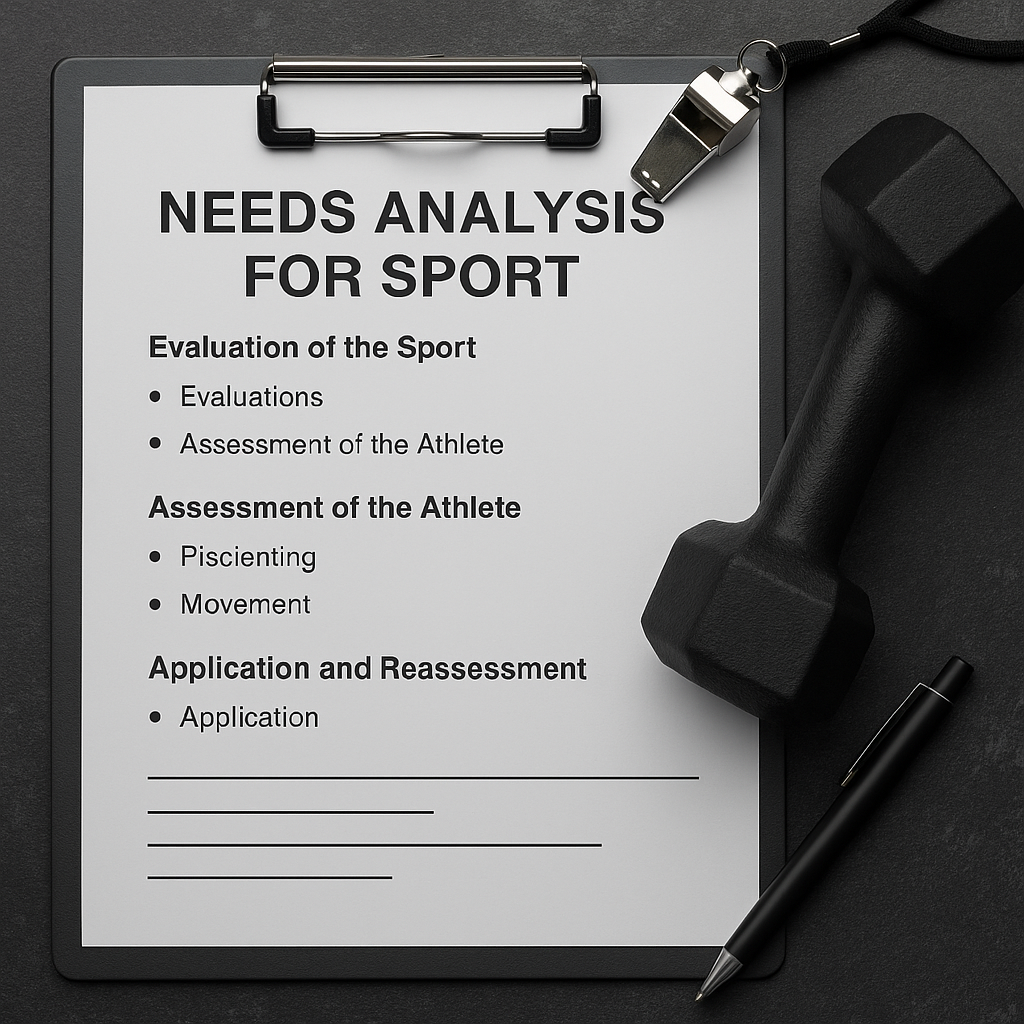
Sports Science
The Needs Analysis: The Cornerstone of S&C Practice
A needs analysis is what turns generic programming into evidence-based strength and conditioning. Here's the three-phase process that aligns training with the real demands of a sport.
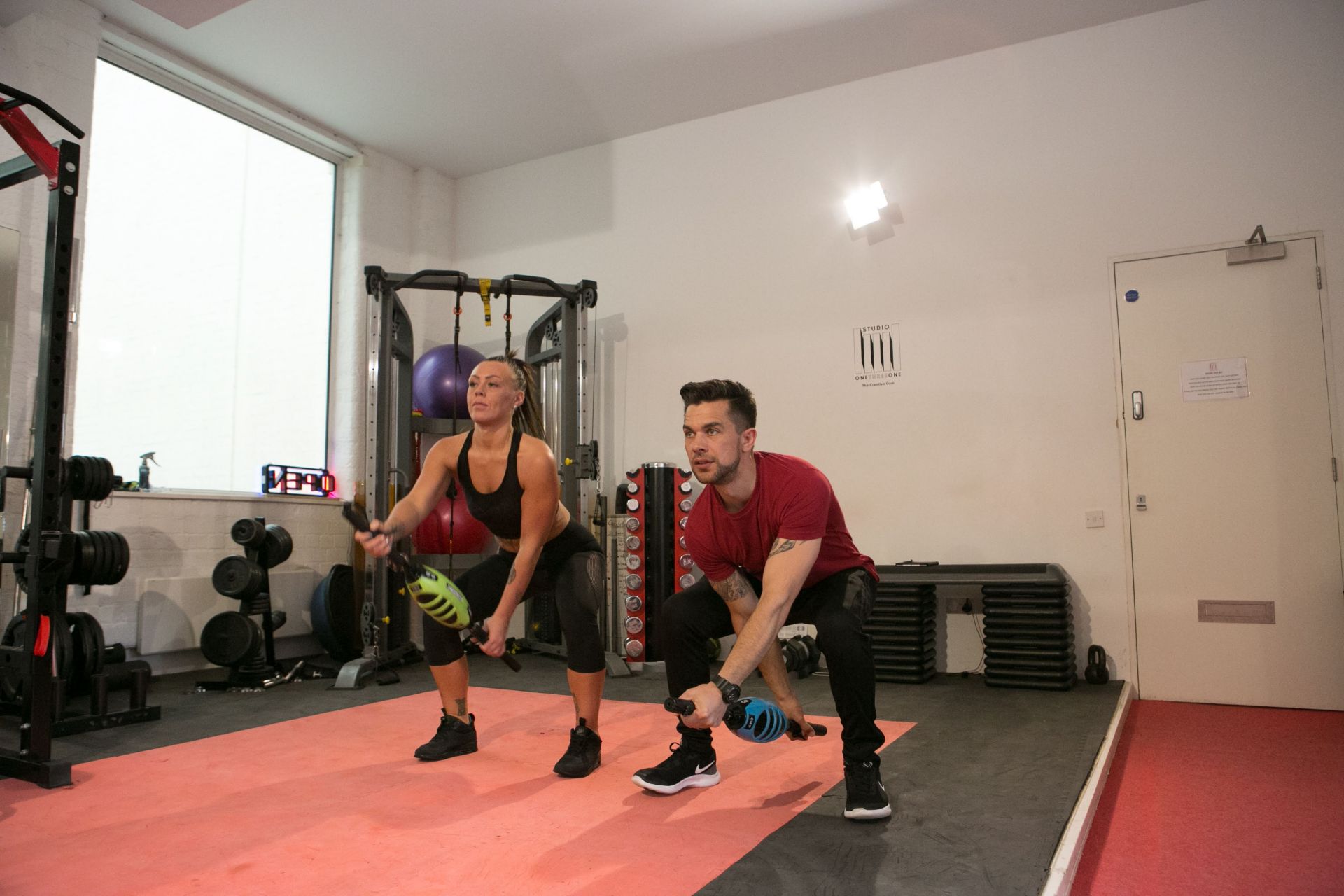
Workouts & Exercises
5 Core Momentum Trainer Exercises
A simple Core Momentum Trainer workout for the abs and supporting muscles, plus how the CMT actually builds core strength through force you have to control.
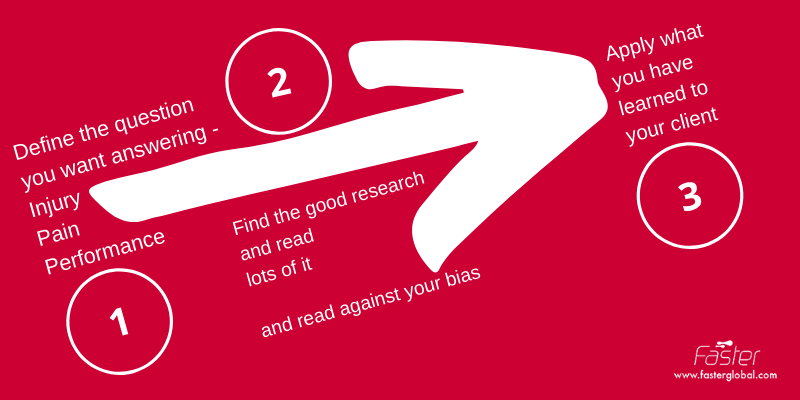
Injury & Pain
Everybody Hurts — If You Listen to Personal Trainers
I used to find a dysfunction in every client and sell the fix. Here's the honest rethink of injury prevention, pain and performance — and how to define the vague words we hide behind.
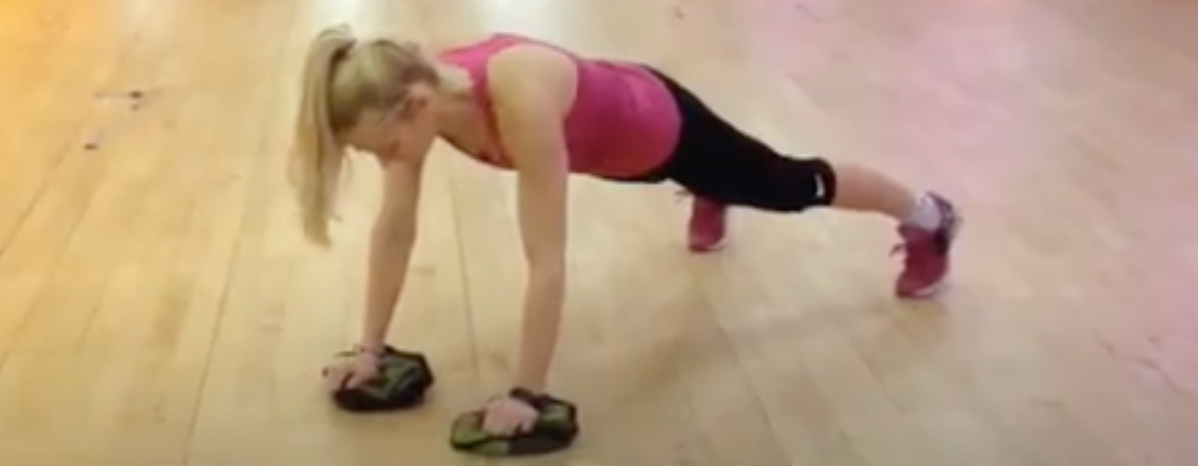
Workouts & Exercises
5 Favourite GRIPR Exercises
Five practical GRIPR drills that train the deep core and add an unpredictable, reactive element to your sessions and small-group training.
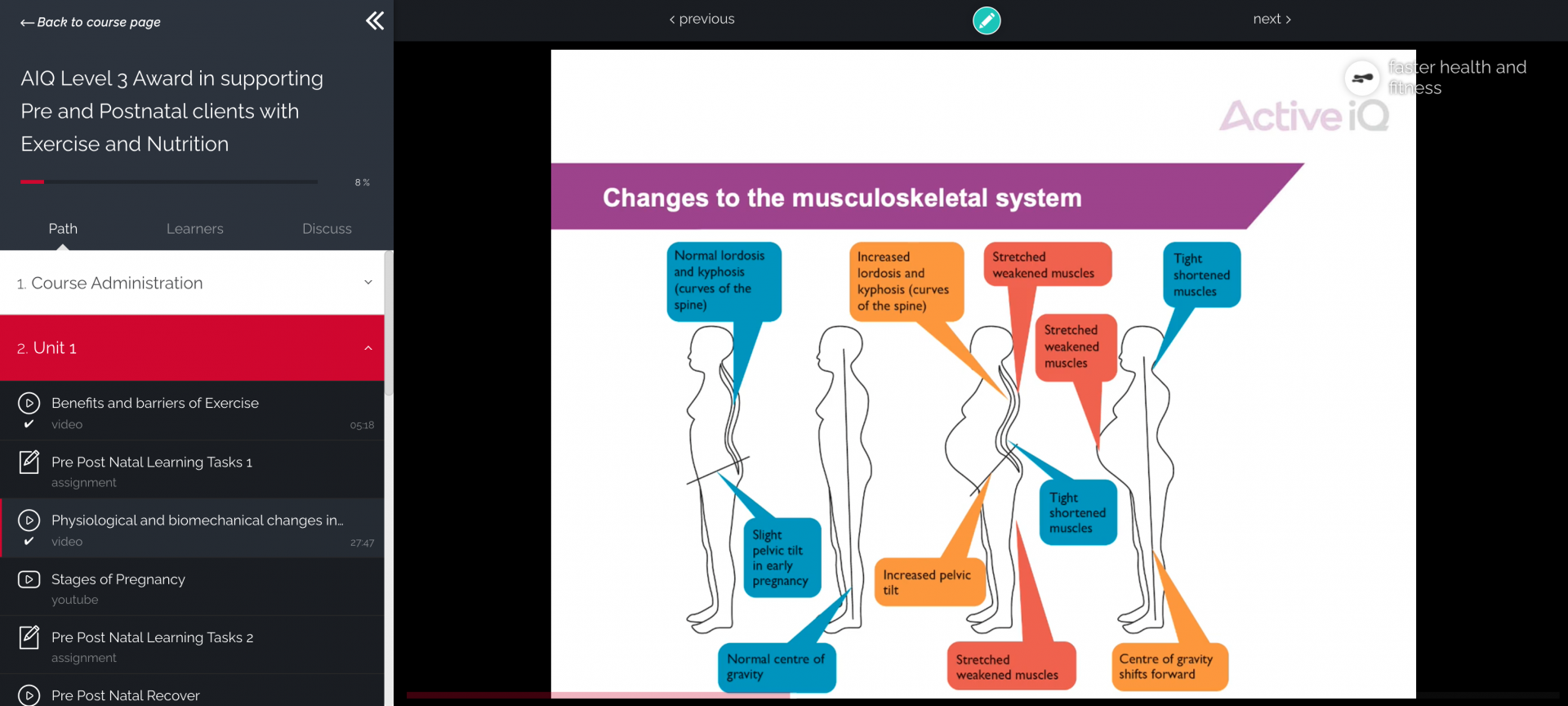
Chronic Illness & Health
Breathing and the Pelvic Floor
Can breathing exercises really 'fix' core function and the pelvic floor after birth? An honest look at what the evidence does — and doesn't — support for postpartum clients.
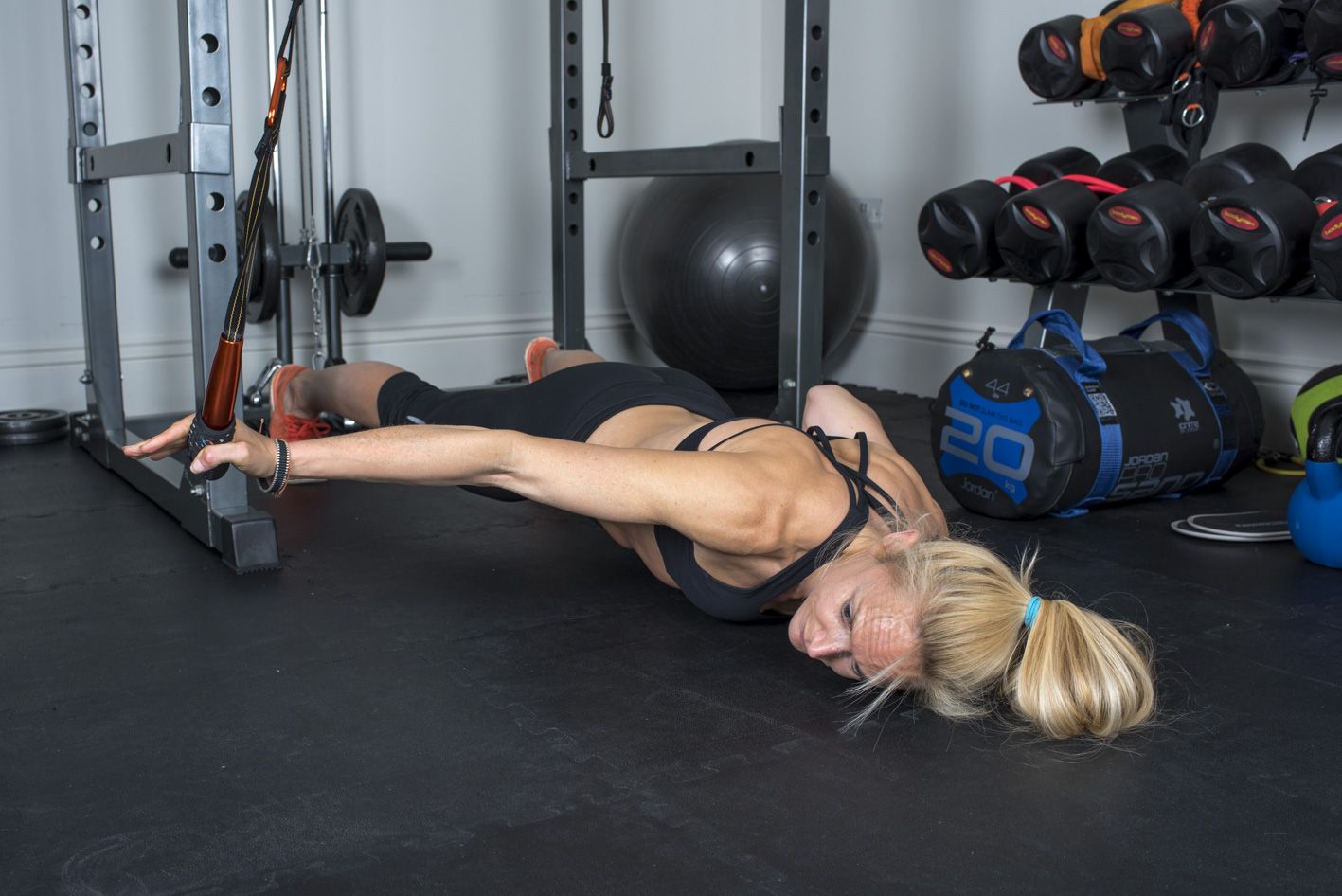
Workouts & Exercises
6 Exercises With GRIPR and Suspension Trainers
A full-body strength and core session that pairs an unstable sandbag load with suspension-trainer bodyweight work — six exercises, four rounds.
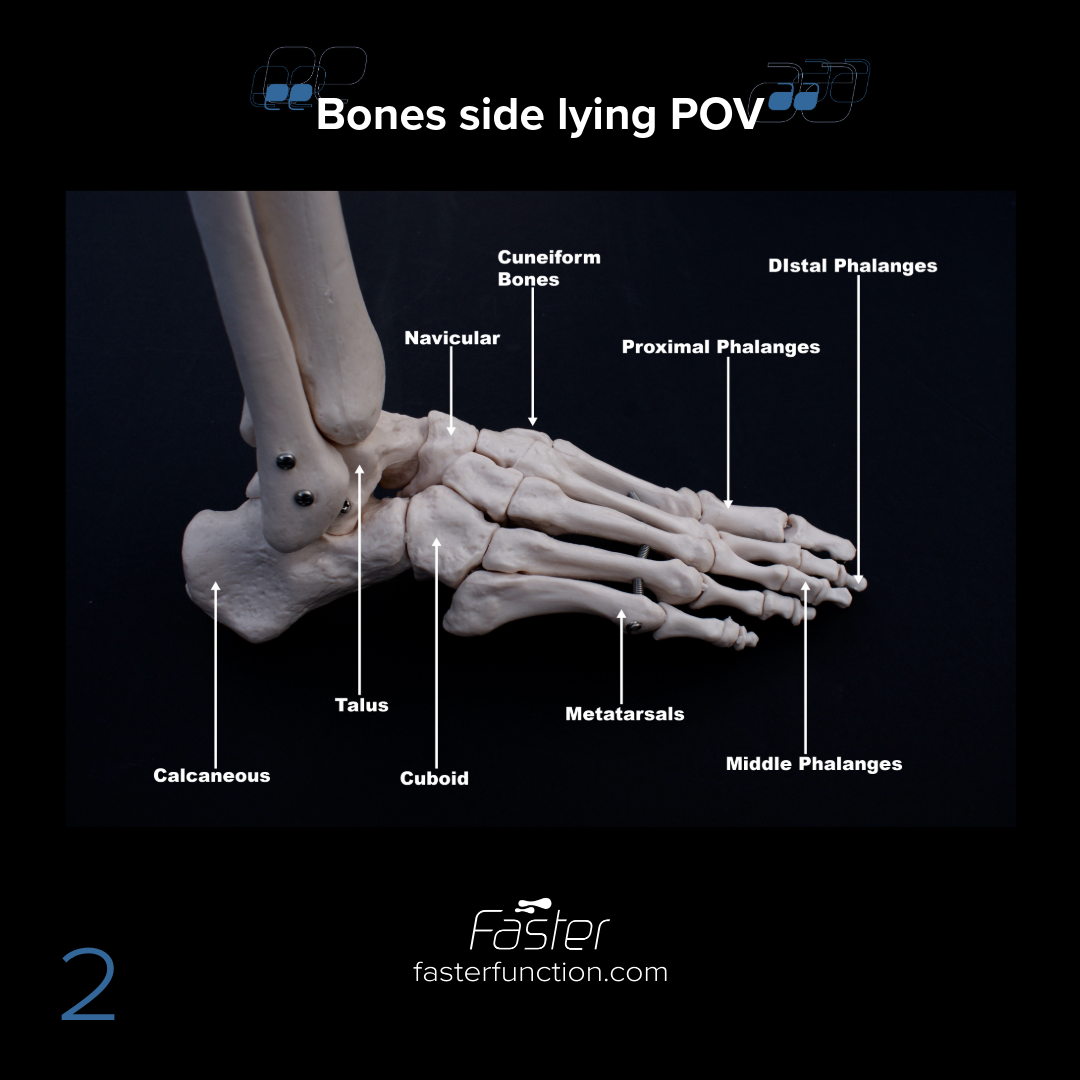
Biomechanics
Anatomy and Function of the Foot and Ankle
The bones, joints and movements of the foot and ankle a personal trainer actually needs to know — including why some movements couple together and others simply can't.
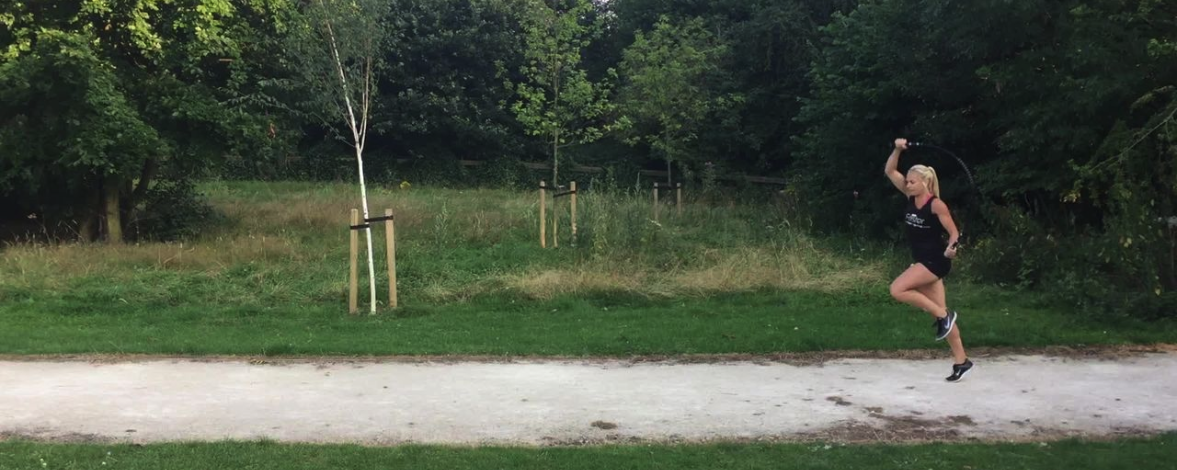
Research
Applying Motor Learning Theory to Personal Training
How the science of skill acquisition helps you coach movement better, set smarter goals, and get results that stick.

Coaching & Mindset
How to Spot a Dodgy Fitness Technique or System
The fitness industry has more answers than questions. Here is a simple filter for working out why a technique seems to work — and whether it actually does.
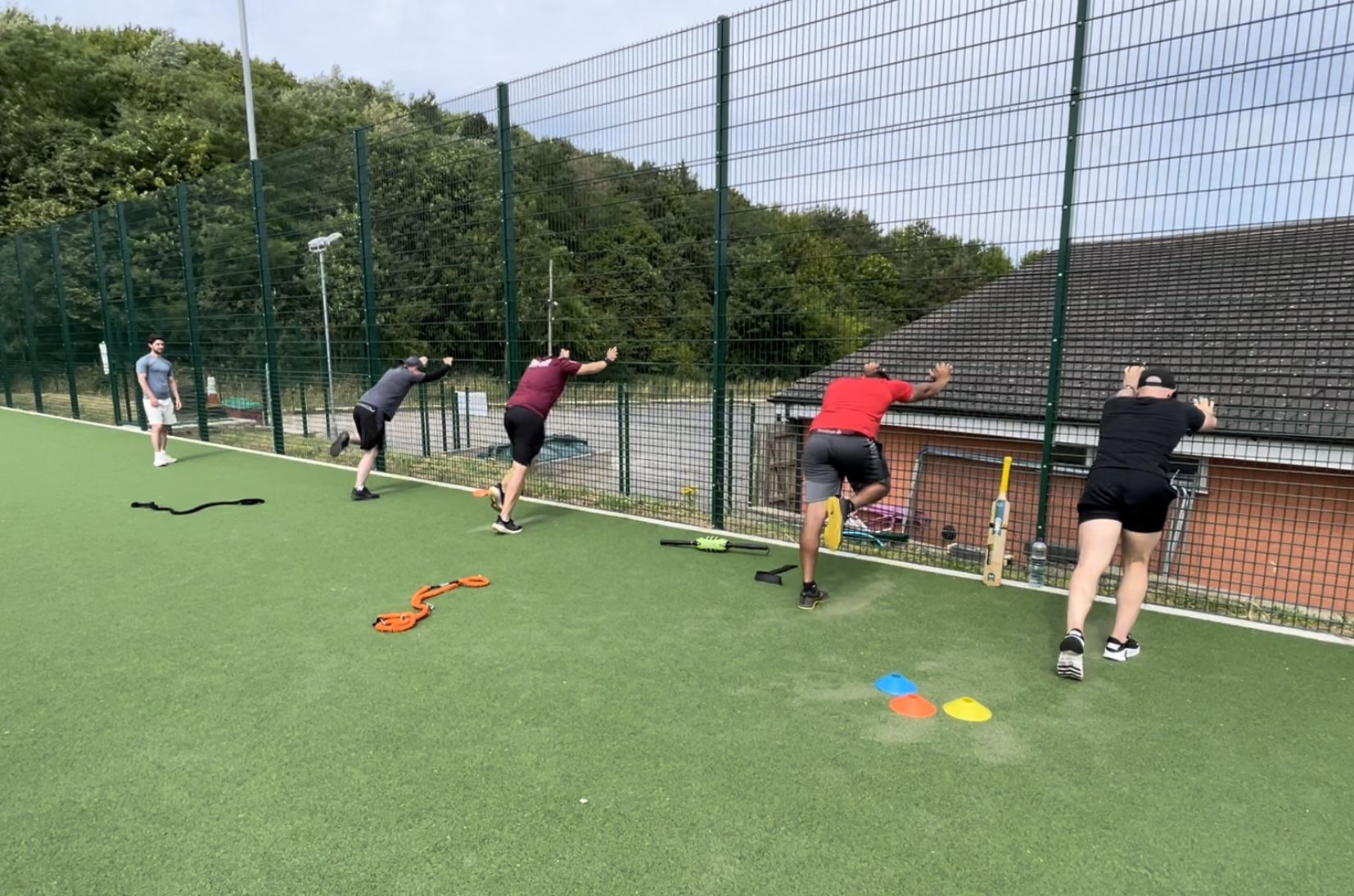
Become a Personal Trainer
Becoming a Personal Trainer in Canary Wharf
A practical guide to building a personal training career in Canary Wharf — from getting qualified to landing your first clients in one of London's busiest fitness markets.
Become a Personal Trainer
The Benefits of an Online Level 3 Personal Trainer Course
Studying your Level 3 Personal Trainer qualification online means learning around your life, at a lower cost, with the same accredited certificate at the end.

Biomechanics
Falling Into the Biomechanical Cure Hole
How a well-meaning trainer gets pulled into the Biomechanical Cure Hole, why its promises are so seductive, and what it takes to climb back out into evidence.

Biomechanics
Biomechanics Are Misunderstood
People are calling biomechanics rubbish — but they're confusing a genuine observation skill with the guru techniques built on top of it. Here's the difference.

Injury & Pain
The Biopsychosocial Filter, Part 2
The honest story of unlearning the biomedical model — and why every solution you give a client passes through a biopsychosocial filter, even a simple one.
Injury & Pain
The Biopsychosocial Filter, Part 1
How a good client result made me feel like a fraud — and how the biopsychosocial model finally explained what my hands-on 'fixes' were really doing.
Sports Science
Boosting Strength With Plyometrics: A Guide
A no-nonsense guide to plyometrics: what jump training is, who it is for, how to build up to it safely, and how to program it.
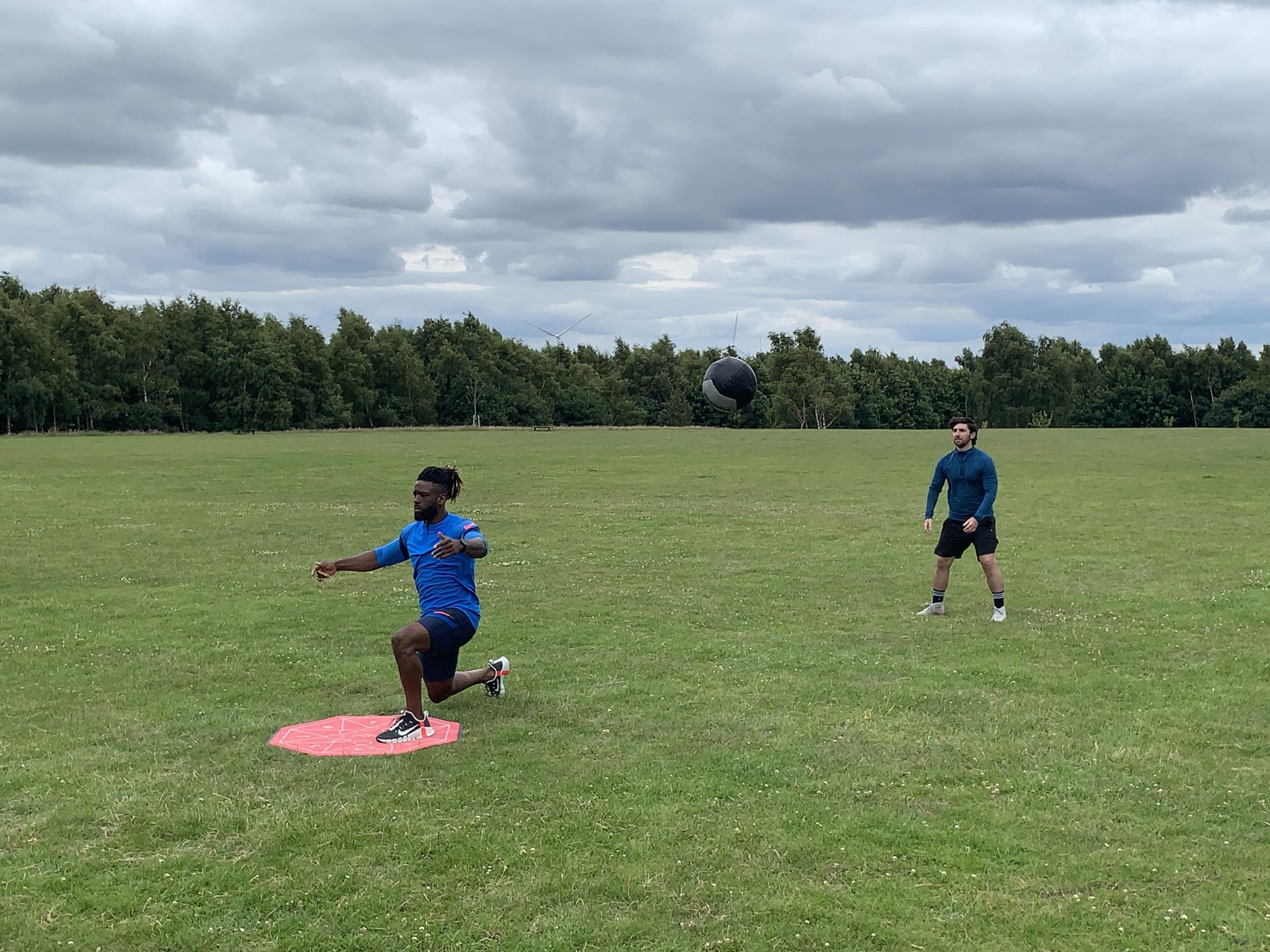
Become a Personal Trainer
Now Is the Time to Become a Personal Trainer
Changing career to personal training gives you a skill that earns a living you control. Here is a four-stage route from qualified to established.
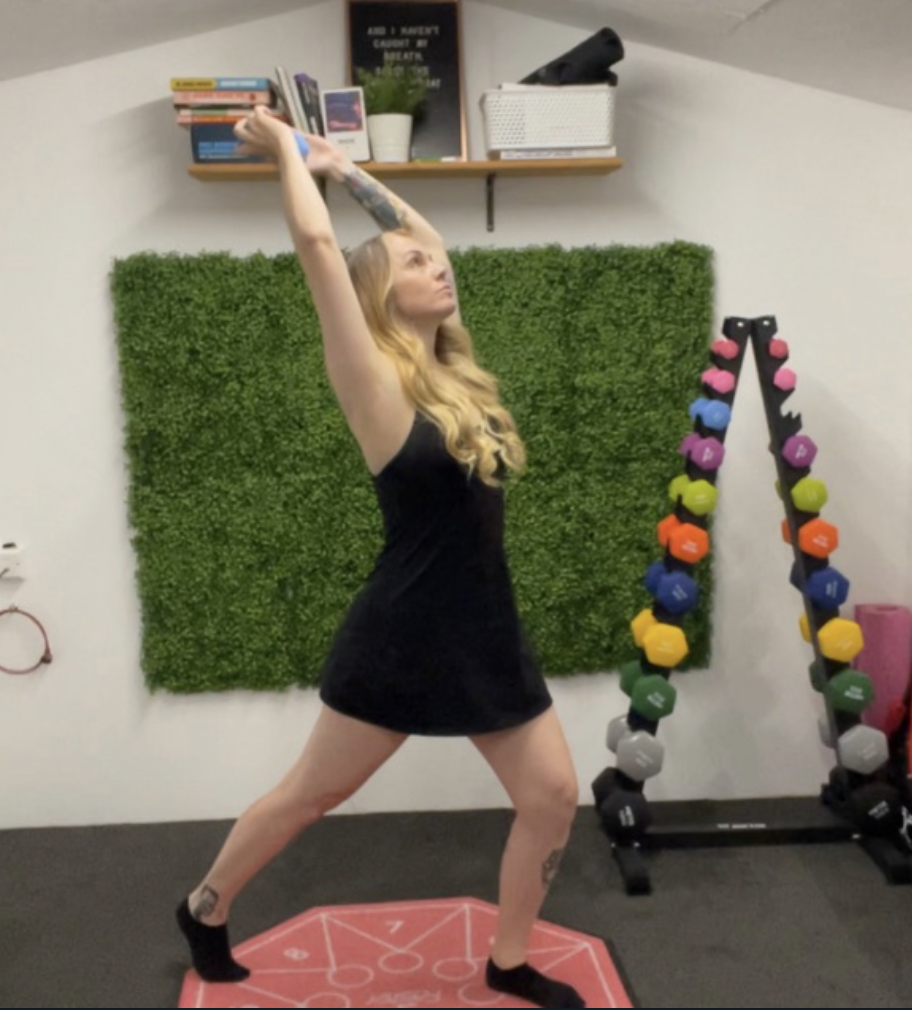
Chronic Illness & Health
CrossFit and Powerlifting During Pregnancy
Is heavy lifting during pregnancy really dangerous, or is the caution built on thin evidence? A look at what the research actually shows, and how to coach it.
Coaching & Mindset
Using Games with Clients in Pain
Why bringing games into sessions with clients in pain builds engagement, gives you real-time assessment, and helps people rebuild a healthier relationship with movement.
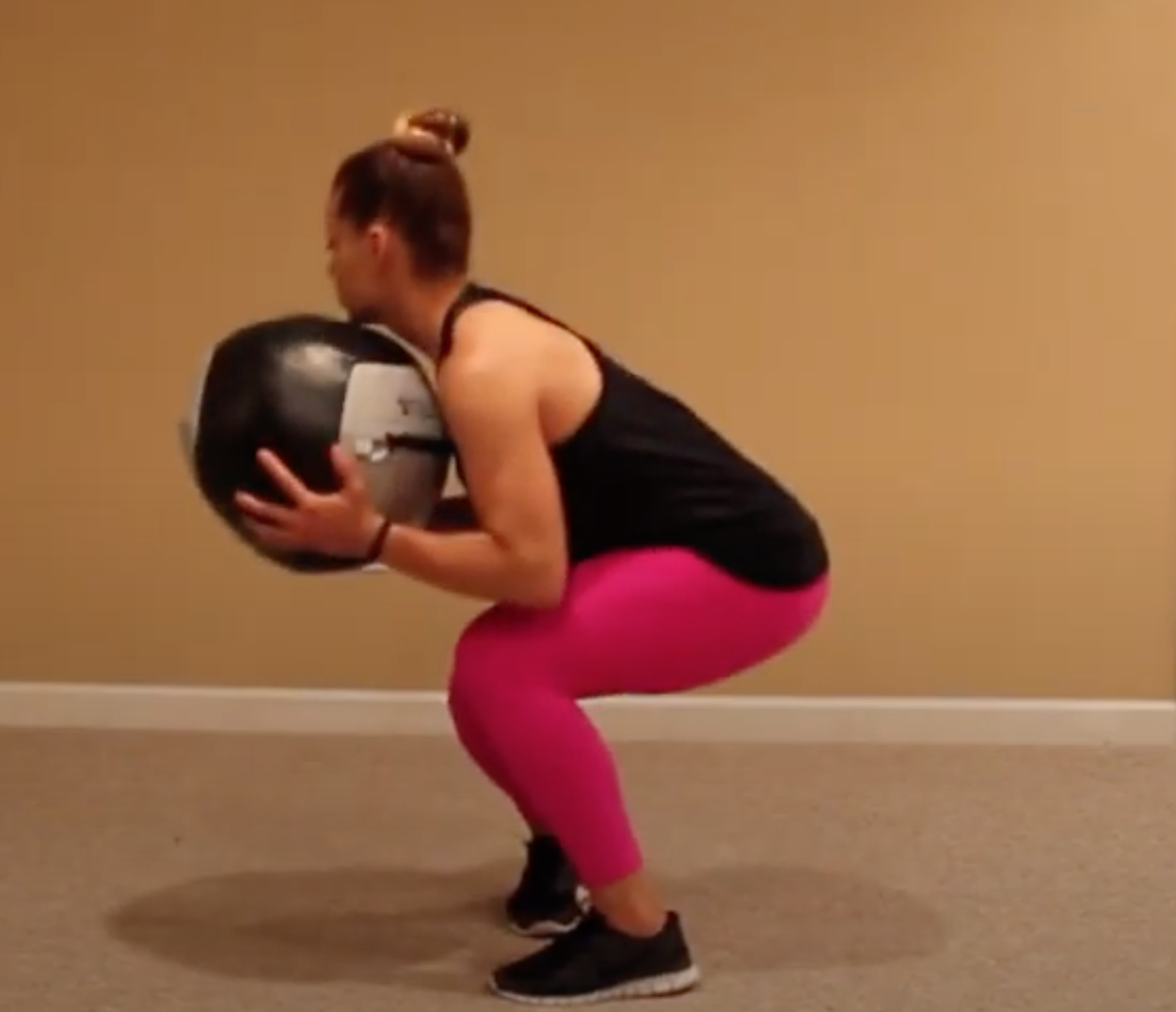
Workouts & Exercises
Exercise of the Day: Medicine Ball Russian Twist to Rotational Pass
A medicine ball drill that uses post-activation potentiation — a standing Russian twist to prime the muscles, then a powerful rotational throw.
Injury & Pain
Falling for Curing
The honest story of how I became a 'guru' who fixed people with posture, fascia and symmetry — and how reading the research properly forced me to bin all of it.
Coaching & Mindset
Putting the Fat Personal Trainer Debate to Bed
Does a personal trainer have to be lean to be good? The industry loves this debate. Here is why it measures the wrong thing entirely.
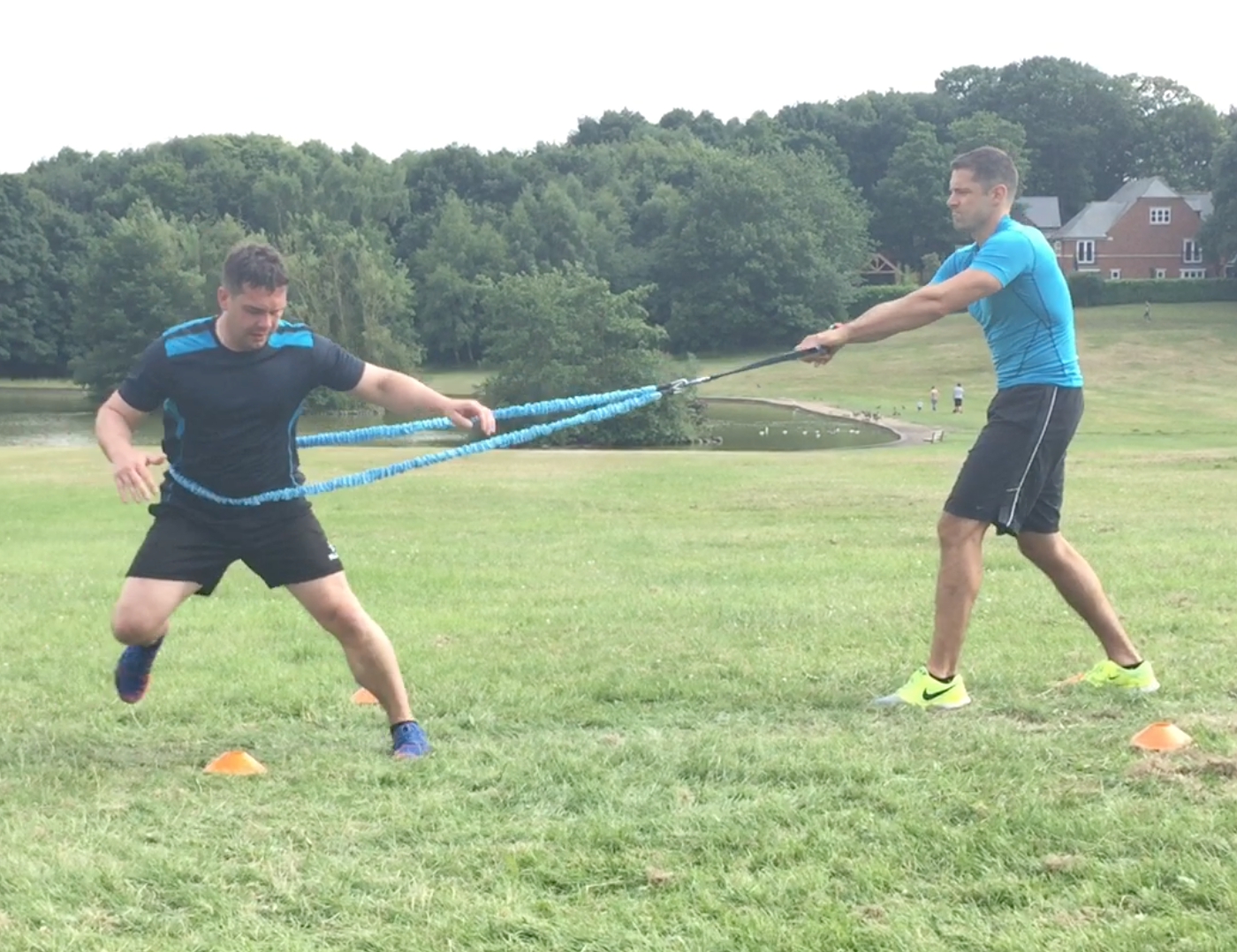
Business & Clients
How to Find Personal Training Clients From the Gym Floor
Competing for clients has never been harder. Solve two problems at once — dull cardio and standing out on a busy floor — by making speed training your signature.
Business & Clients
Finding a Personal Training Client's True Goals
The goal a client gives you first is rarely their real one. The Why Why So So technique digs out what actually drives them — and why that goal matters enough to keep them going.

Business & Clients
How to Find the Personal Training Clients You Want
Your price is not a report card, it is a targeting decision. Here is how to research, position and market yourself to attract the clients you actually want.

Business & Clients
Morning Blues and Fitness Business Anxiety
The dread of opening your emails on a Monday is real. Here is the ritual John Hardy uses to manage fitness business anxiety and keep the business moving.
Biomechanics
Foot: The Lot of You — My Relationship with the Foot and the Industry
The honest story of how I became a 'foot expert', why I stopped believing my own techniques, and what I teach instead now that the evidence caught up with me.
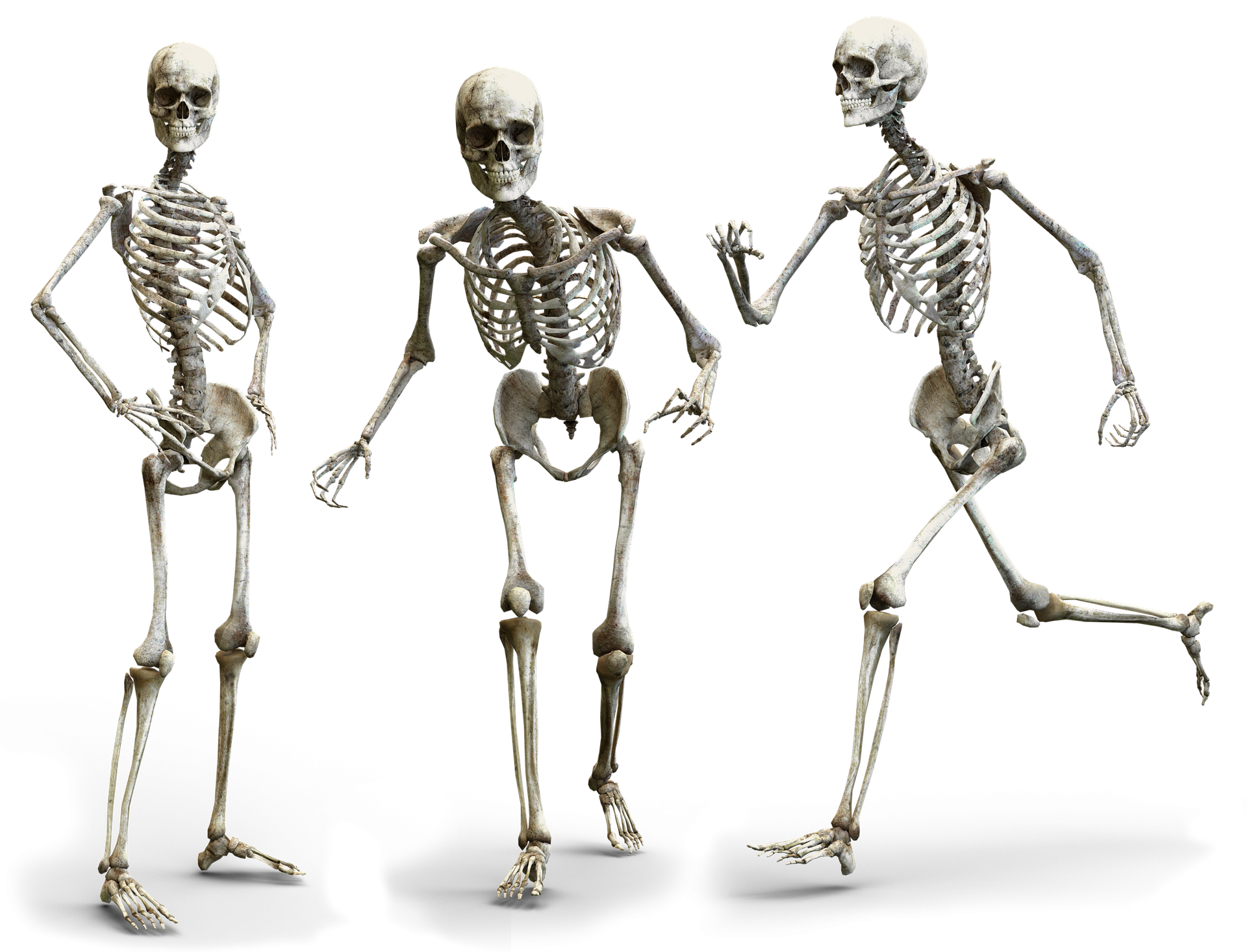
Biomechanics
Functional Anatomy and Biomechanics: How to Learn Useable Anatomy
Anyone can learn to see and predict movement in real time. Here is the map-and-story method behind the HMAC — and a five-step drill to learn the bones and joints for good.
Workouts & Exercises
Can a Functional Trainer Deadlift?
The labels — functional, strength and conditioning, holistic — are a distraction. Great trainers all work through the same system, and it shows in their programmes.
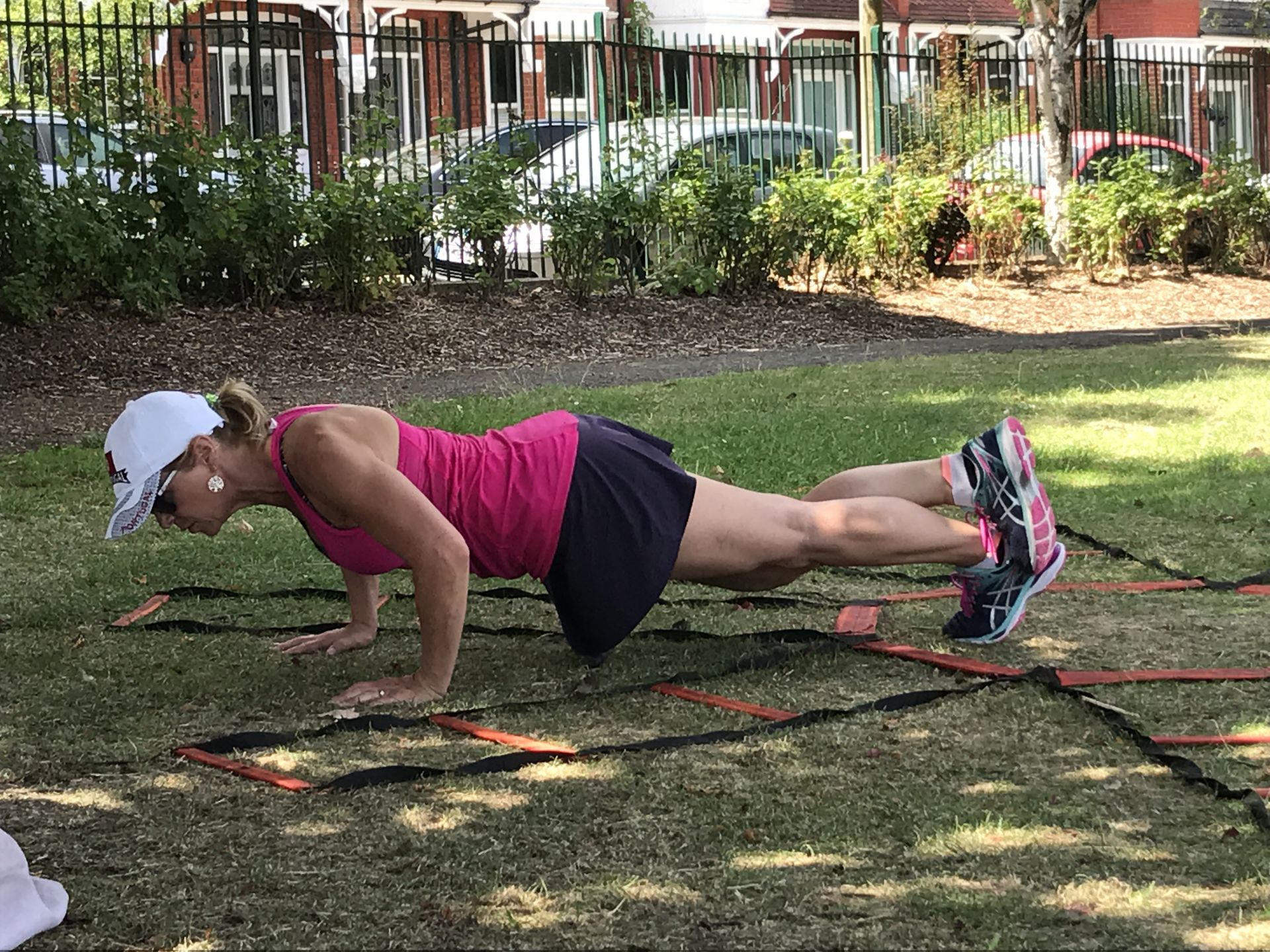
Workouts & Exercises
A Functional Training Circuit Workout
An example functional training circuit using ViPRs, kettlebells, CMTs, sandbags and GRIPRs. Try it if you are fit, experienced and injury-aware.
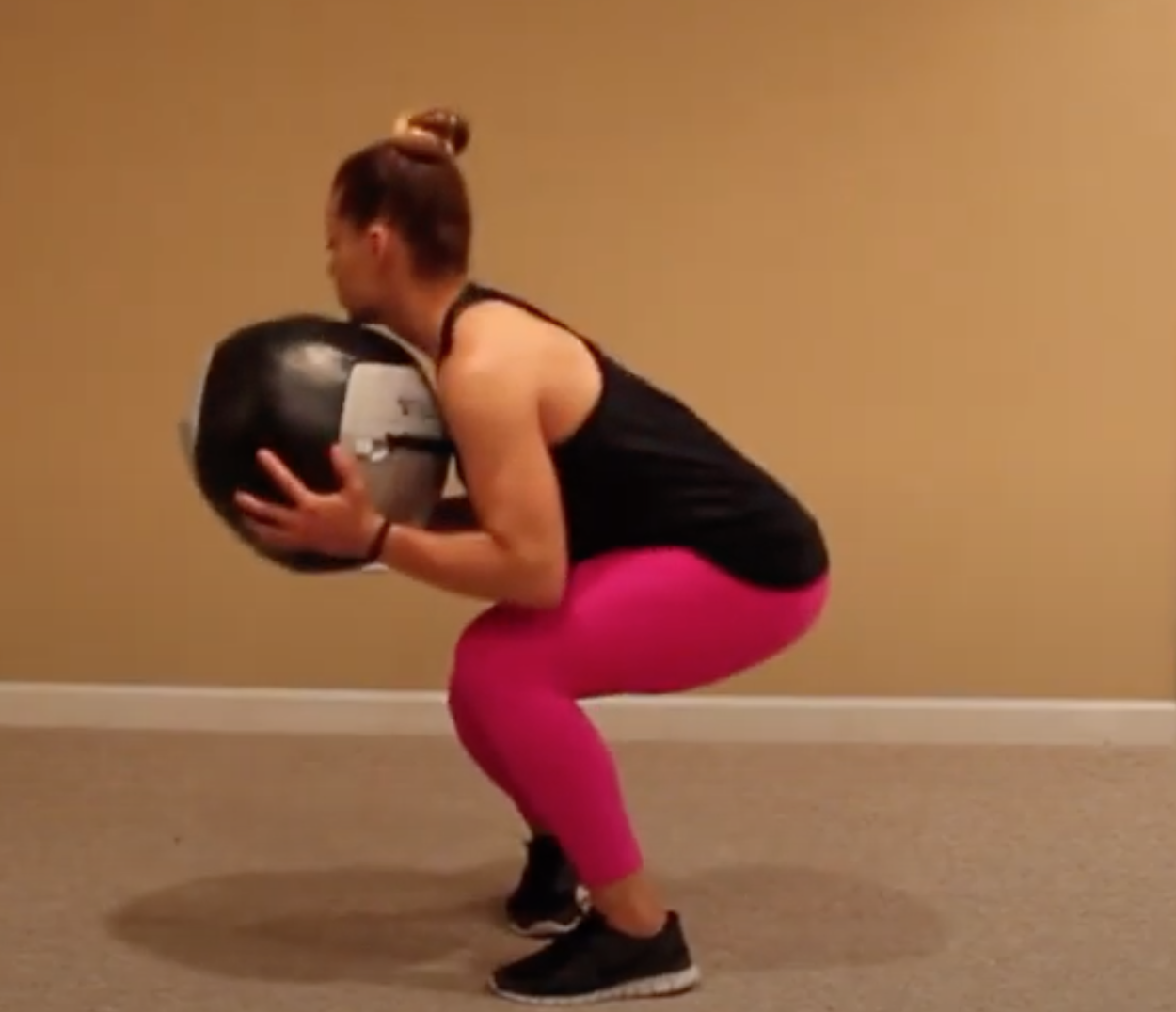
Workouts & Exercises
A Functional Training Workout Using Medicine Balls
The medicine ball went from ignored corner prop to genuine functional tool. Here are three of my favourite medicine ball exercises and the training principle behind each.

Business & Clients
Get More Personal Training Clients
Working hard isn't the same as working with focus. Here's the measurable system that tells you exactly where your business is leaking clients — and how to fix it.

Business & Clients
Grief, Loss and Your Fitness Business
Running your own fitness business means feeling loss often, from missed sales to lost clients. Here is how to feel it, learn from it and keep going.

Business & Clients
How to Break Clients and Lose Money
Selling with fear breaks clients and empties your diary. Here is why the create-a-pain-then-solve-it model fails, and what to do instead.
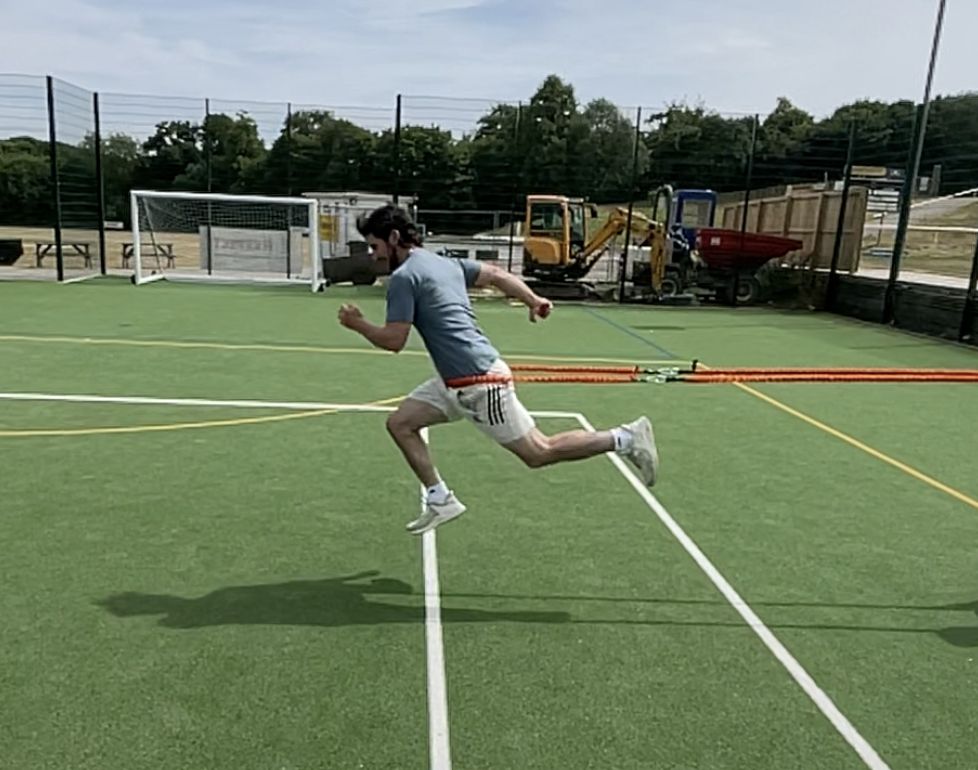
Become a Personal Trainer
The Importance of Continuing Education in Personal Training
Why continuing education keeps personal trainers competitive, renews certification, widens the clients you can work with, and improves the results you deliver.
Sports Science
Improving Sprint Speed: A Science-Based Approach
Sprinting is more than strength and power. Here's the science behind acceleration, top speed and speed endurance — plus reflexes, stiffness and a dynamic-systems approach to training it.
Become a Personal Trainer
Kickstart Your Personal Training Career: The Richmond Guide
A practical roadmap to starting a personal training career in Richmond — from getting certified and finding your niche to building a brand and winning your first clients.

Chronic Illness & Health
The Benefits of a Level 3 Pre & Postnatal Training Course
What a Level 3 pre and postnatal qualification gives you, why the demand is growing, and how it helps you support women safely through pregnancy and recovery.
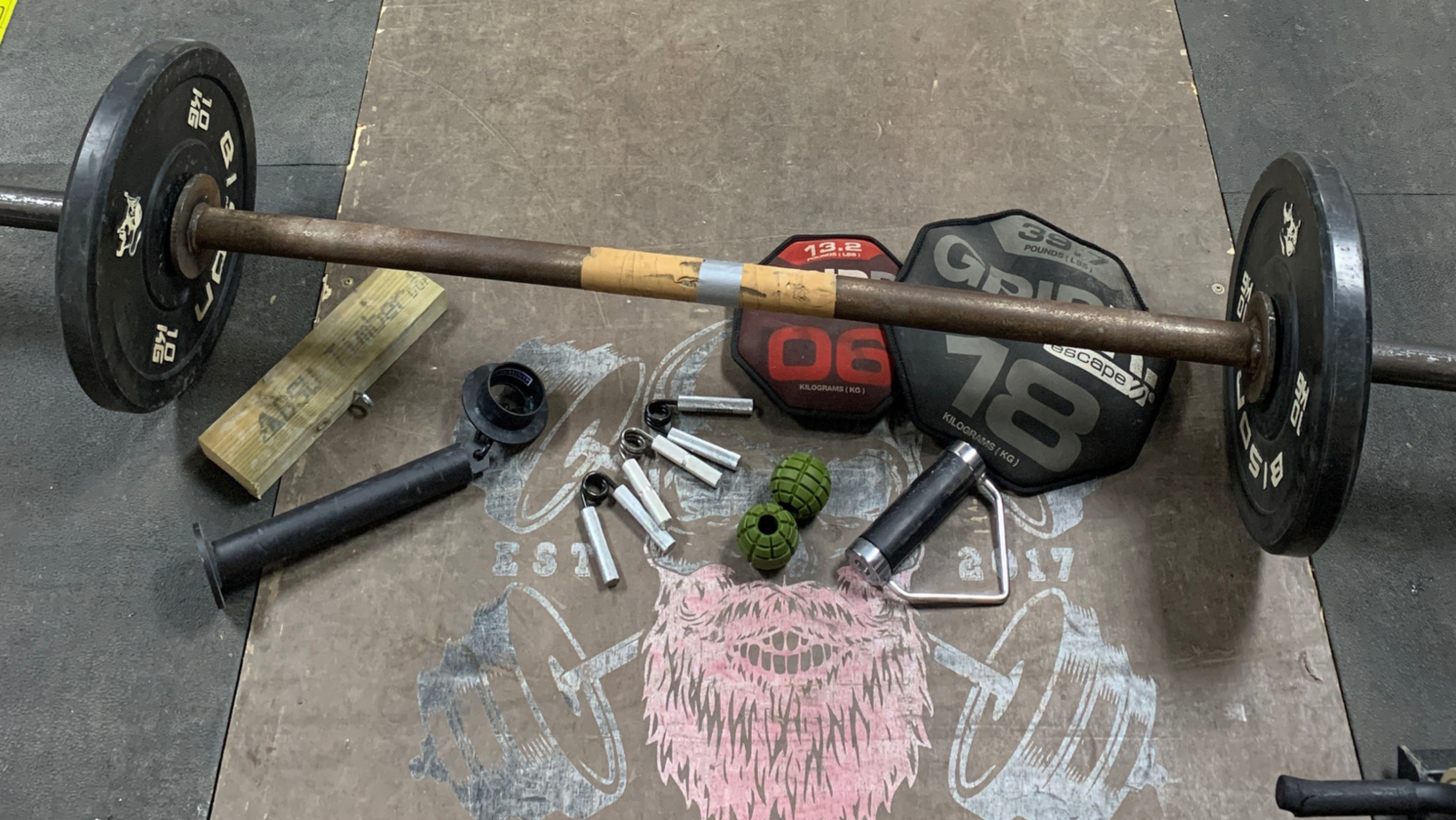
Sports Science
Level 4 Strength & Conditioning Coach Certification: A Guide
What a Level 4 Strength & Conditioning qualification actually is, who it's for, what you need to get on one, and where it can take your career.

Business & Clients
Building a Long-Term Personal Training Business
A lasting PT business rests on three pillars: Operations, Marketing and Finance. Here is the OMF triad that has grown FASTER over a decade.
Business & Clients
Marketing Content for Personal Trainers
A repeatable system for creating personal training content that isn't cliche: free writing, mining your real ideas, and structuring them with a story spine.
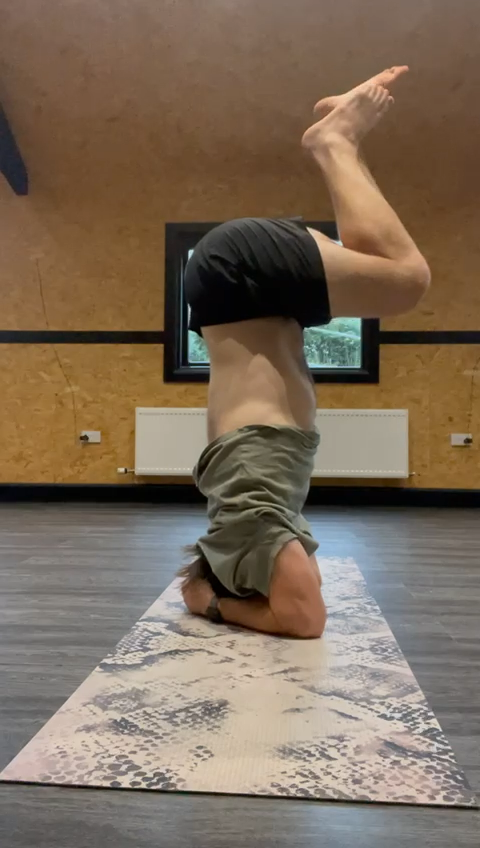
Workouts & Exercises
How to Teach a Client to Do a Headstand
A step-by-step guide for trainers on teaching a client the headstand safely — from building the foundation to correcting the mistakes that cause injury.

Become a Personal Trainer
Mastering UK Personal Training: A No-Nonsense Guide
Personal training in the UK is more than knowing your deadlifts from your burpees. Ten practical moves to build a business that actually lasts.
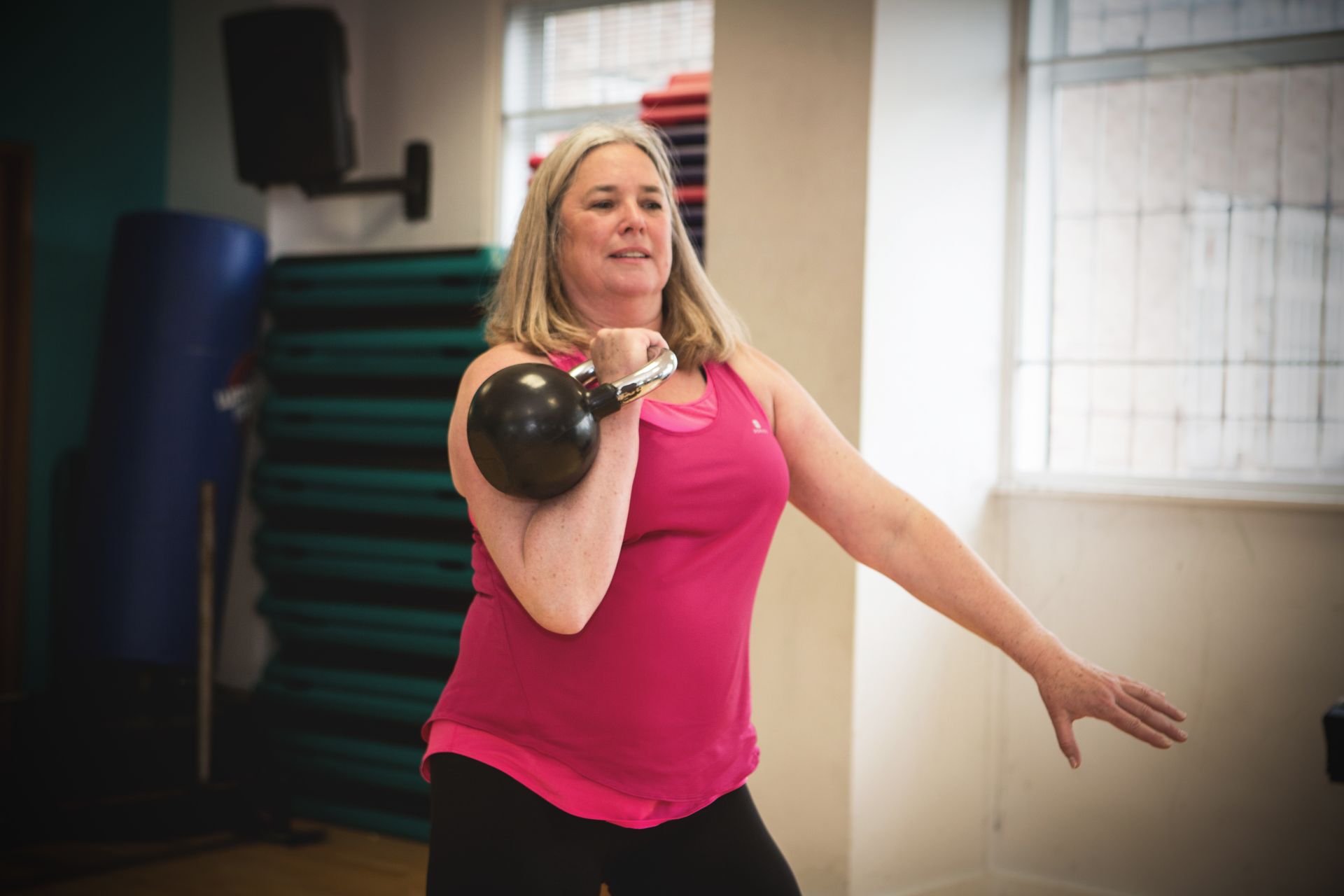
Workouts & Exercises
Medicine Ball and Kettlebell Workouts
Two tools, one full-body session. Why the medicine ball and kettlebell each create force in their own way — plus a six-exercise interval workout to try.
Business & Clients
Messages That Find Clients
The industry is crowded and getting louder. Here are 12 things to do consistently so your message stands out, finds the right clients, and keeps them.

Business & Clients
Misunderstanding Customer Experience: The Costly Mistakes
Everyone talks about customer experience, but few define it. Get the definition wrong and you'll build the wrong service — here's what experience actually is.
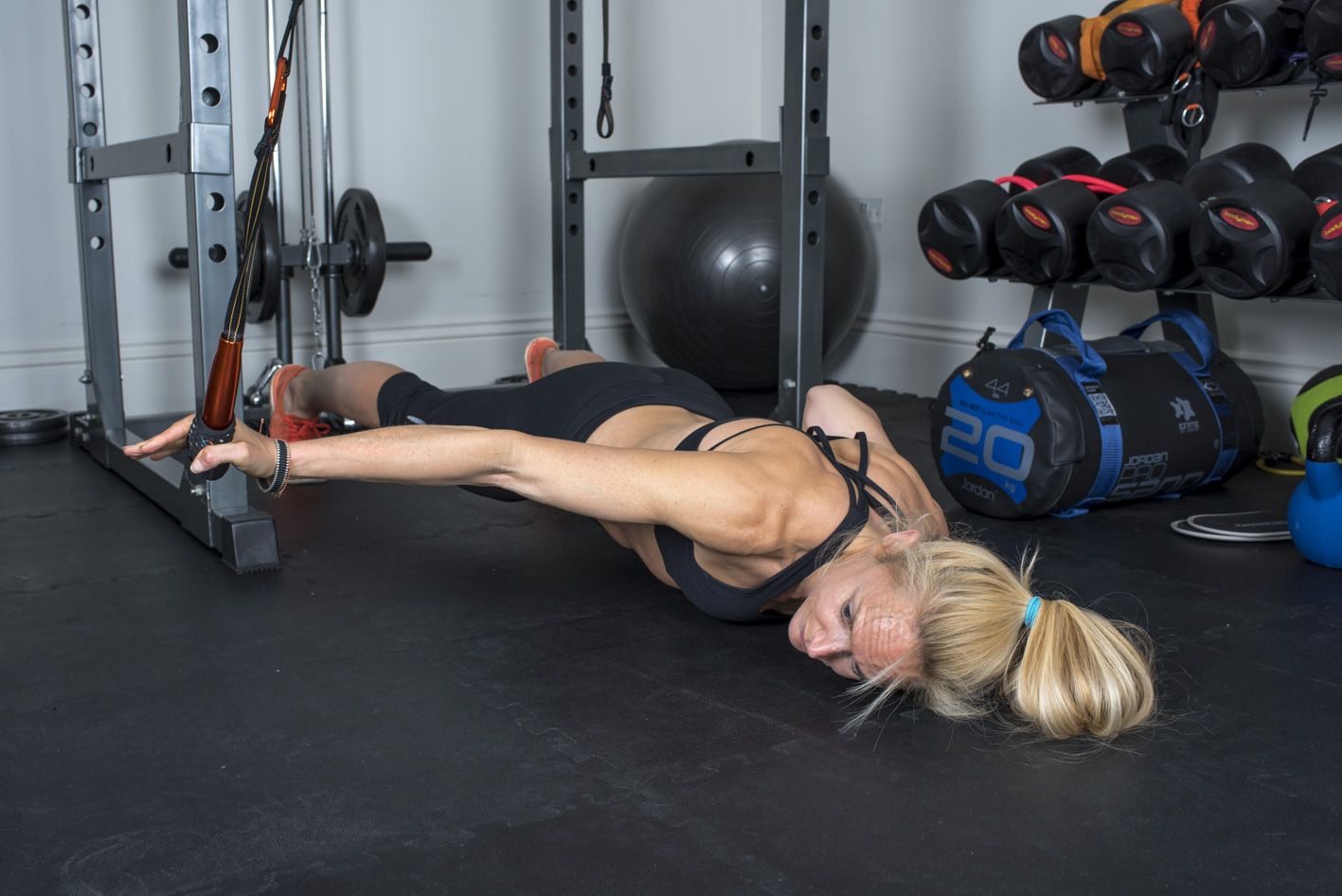
Sports Science
Why Trainers Should Become Motor Skills Specialists
What a Motor Skills Application Specialist qualification actually gives you — from designing safer, more effective sessions to standing out in a crowded market and charging what you're worth.
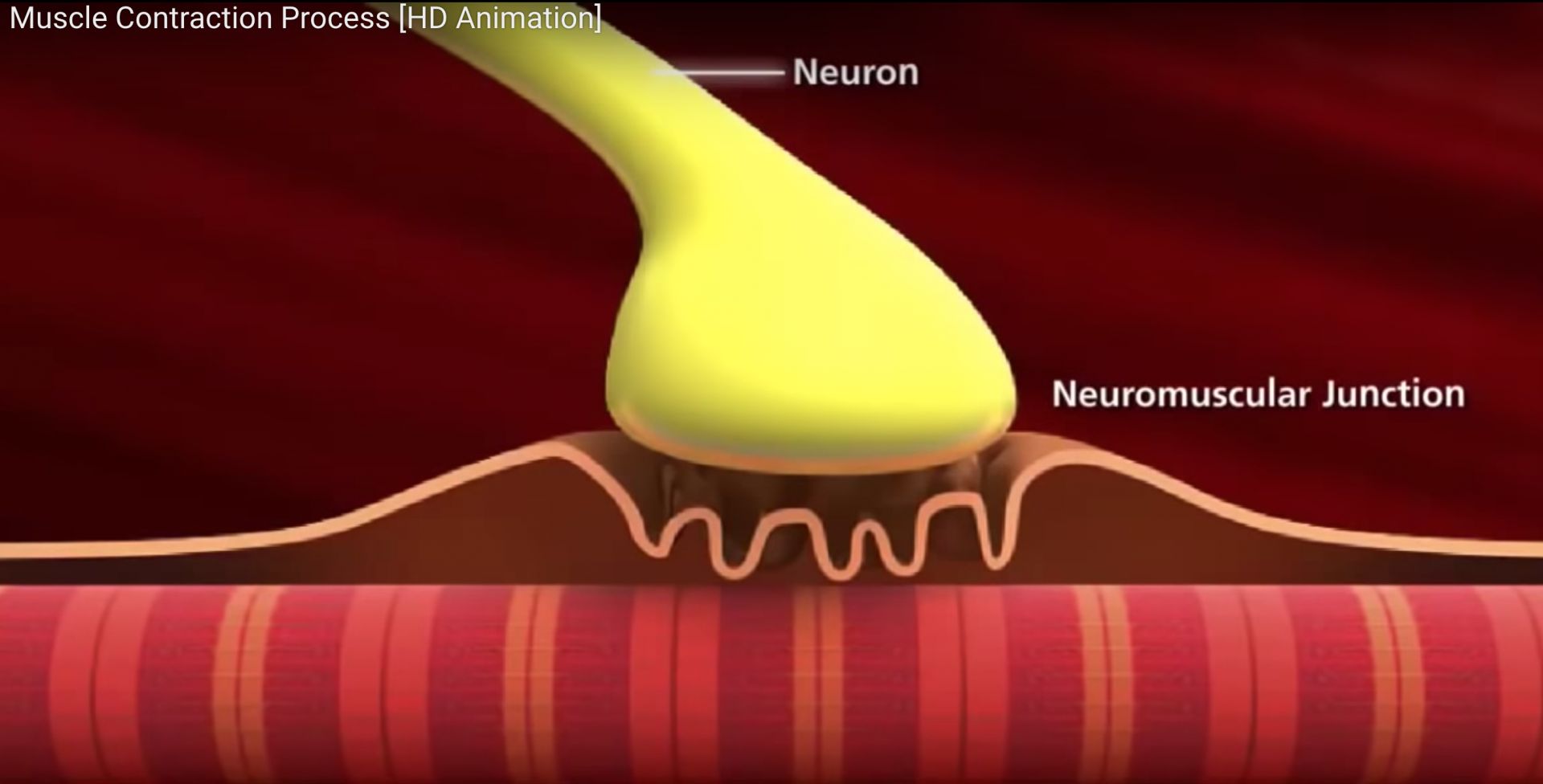
Sports Science
The Science of Muscle Hypertrophy for Trainers
Mechanical tension, not muscle damage, drives muscle growth. Here is what the research says and two techniques, drop sets and cluster sets, to apply it.
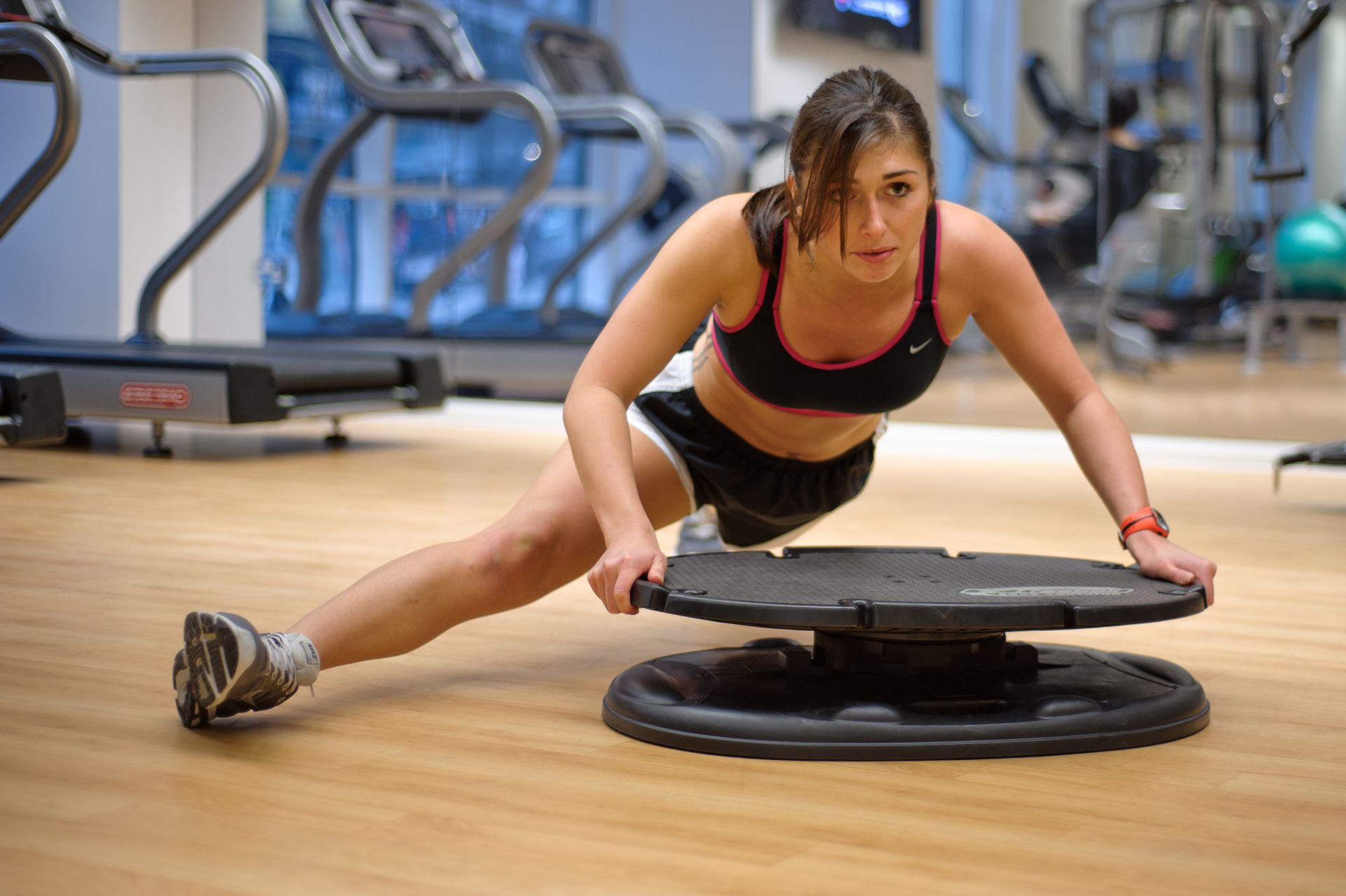
Become a Personal Trainer
A New Career as a Personal Trainer
What it really takes to start a career as a personal trainer in the UK: the CIMSPA-recognised qualification, where the work is, and how much you can earn.
Injury & Pain
Pain Is a Feeling, Not an Output
Stop calling pain an 'output'. Pain is a feeling — an interpretation of filtered feedback — and understanding that changes everything about how you help clients who hurt.

Coaching & Mindset
New Year, So What? Trainers and Weight-Loss Preaching
Exercise is not just for January. A trainer's job is to help people reach their goals when they are ready, not to guilt-trip them into a workout.
Sports Science
Is It Time Personal Trainers Stopped Stretching Clients?
The reasoning behind flexibility training is thinner than most trainers think. Here is what the research says about stretching, and what to do instead.
Coaching & Mindset
Success Series: Truly Knowing Yourself and Your Clients
The self-awareness exercise that underpins everything from marketing to retention — because long-term success as a trainer starts with knowing what makes you and your clients tick.

Coaching & Mindset
How Not to Finish a Client Consultation
A popular bit of consultation advice — 'is there anything important we haven't covered?' — is worse than it sounds. Here's why, and what to do instead.
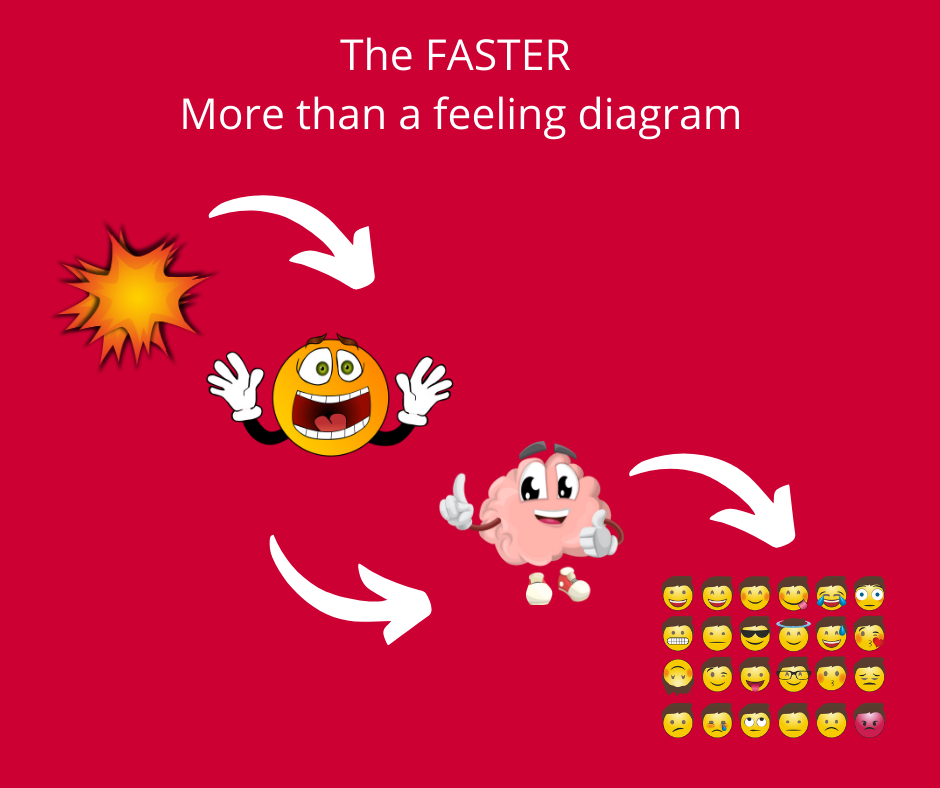
Business & Clients
Personal Training Promotion Ideas
When summer thins your client list, dropping your price is the worst first move. Six operations and marketing ideas to protect your income instead.

Business & Clients
Writing Social Media Posts That Attract Personal Training Clients
How to write a social media post that actually wins clients: the five-step client journey, a title-writing process, and the three keys to a post that converts.

Injury & Pain
Posture, Fascia, Pain and Other Manipulations
Every new discovery becomes a bandwagon in this industry. Here's why the real problem isn't fascia or posture — it's who gets to set the questions.
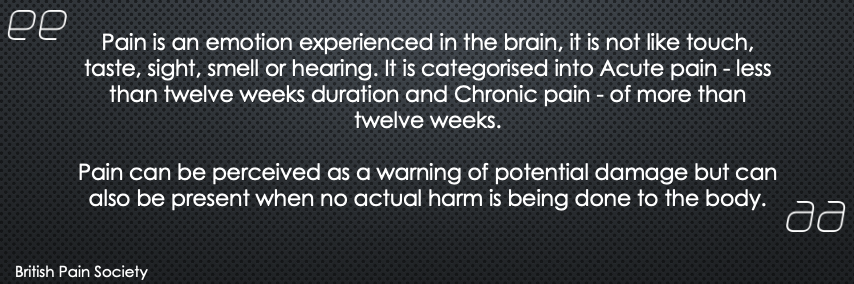
Injury & Pain
How to Train a Client in Pain
More clients arrive in pain but cleared to train — and training often helps them. Here's how to approach programming so pain becomes a hurdle to the goal, not the whole focus.
Research
How to Read Scientific-Sounding Fitness Blogs
Plenty of fitness blogs dress up opinion as science to win an argument. Here is a simple way to break one down and find the useful parts, if there are any.

Research
Research in the Fitness Industry
A practical system for reading research so you give clients the best advice, filter out weak papers, and know when you're stating fact versus opinion.
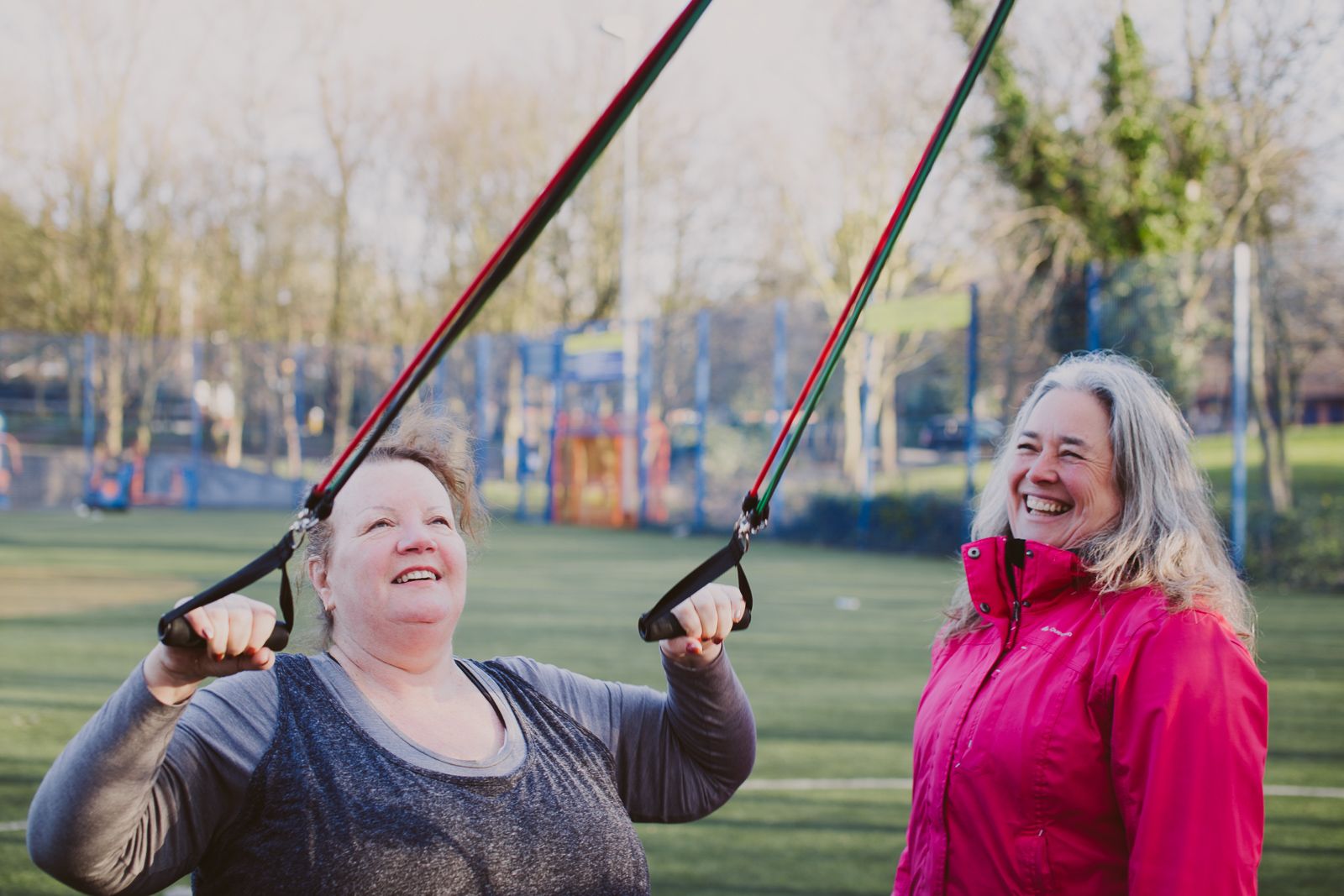
Business & Clients
A 6-Step Process to Keep You Current and Grow Your Niche
The repeatable process I've built since 1994 for turning every client session into a step towards your natural niche — and a happier, better-paid career.

Business & Clients
A Step-by-Step Guide to Finding Your First Personal Training Client
Your first client sets the foundation for everything that follows. A practical, step-by-step path to attracting them — from niche to marketing to service that keeps them.
Biomechanics
Strength and Conditioning: Kinematics and Kinetics
The two halves of biomechanics every aspiring S&C coach needs: kinematics (the motion) and kinetics (the forces behind it), and why both sharpen your coaching.
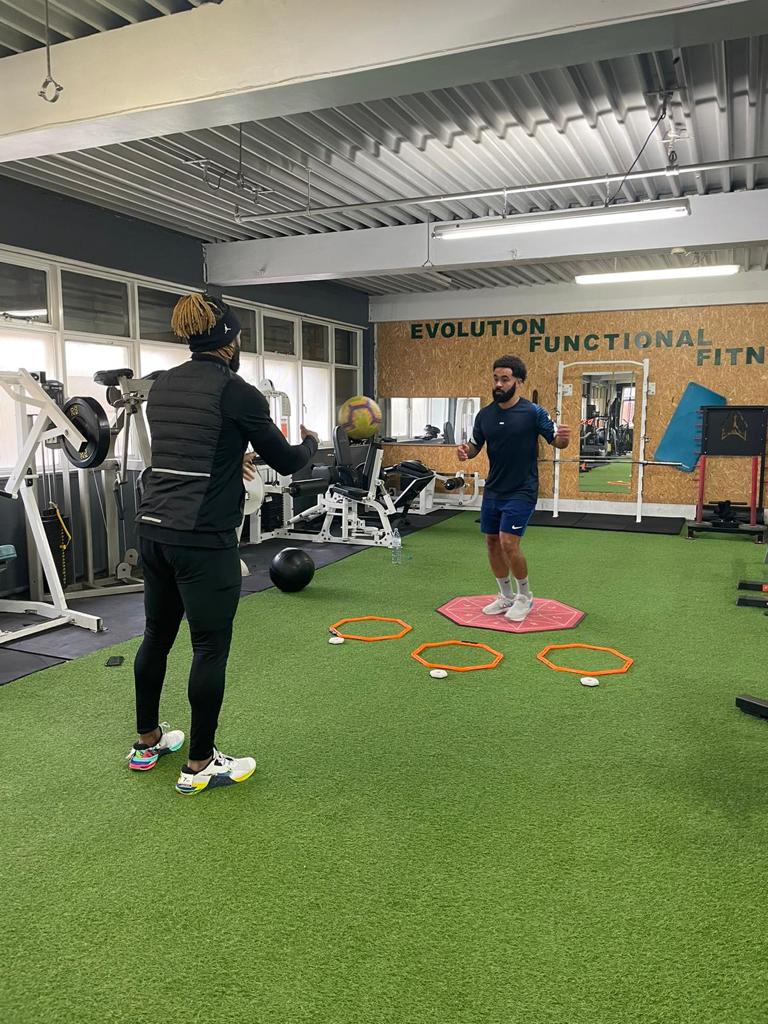
Sports Science
Why Personal Trainers Invest in Strength & Conditioning Courses
A strength and conditioning course broadens your skill set, widens your client base and lifts your earning potential. Here is what it does for your career.
Workouts & Exercises
A Tri-Set for All Planes of Motion, With Hops and Pushes
A simple three-exercise tri-set that trains hops and pushes across the planes of motion — good for strength, coordination and range, and genuinely fun to coach.
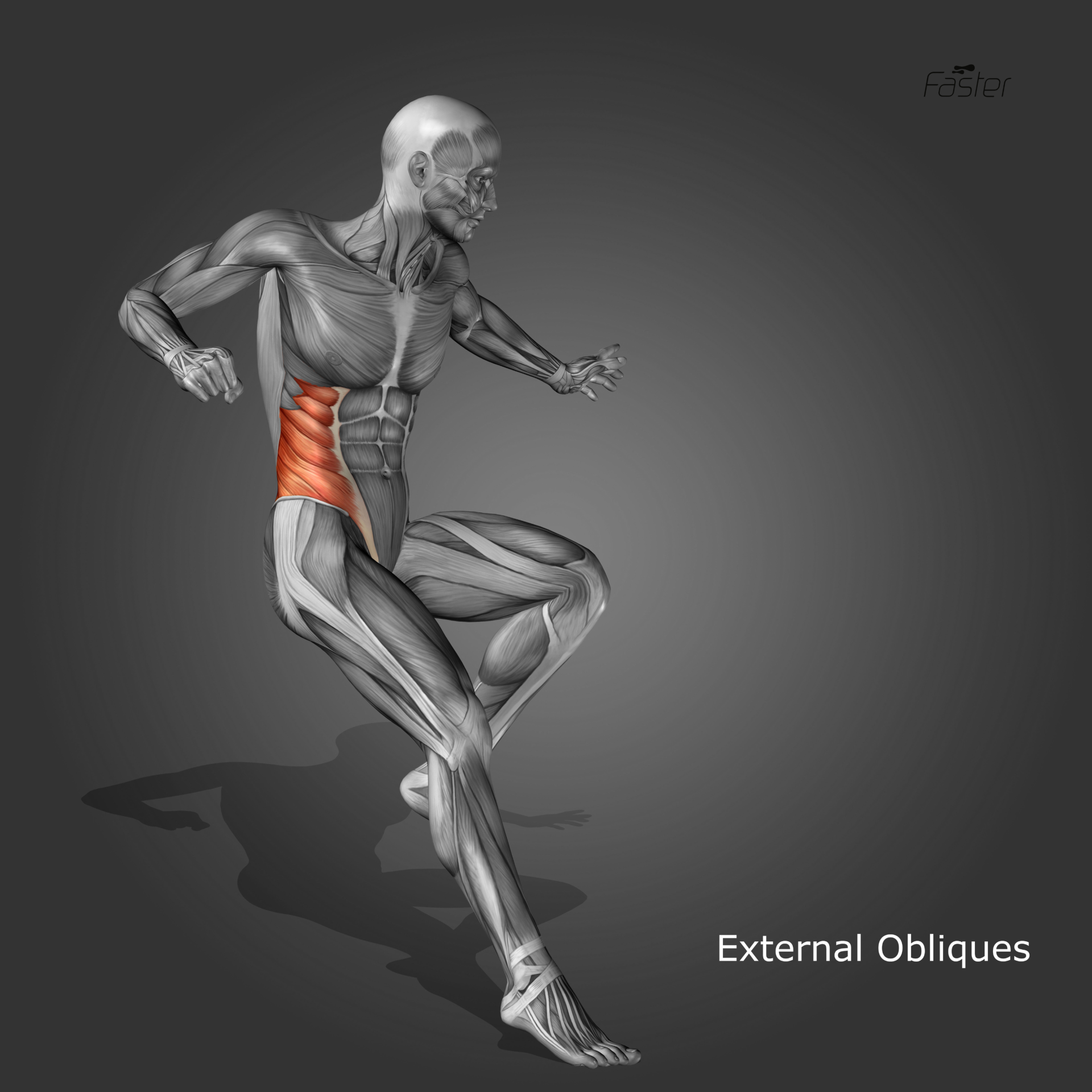
Biomechanics
Tricks to Boost Your Anatomy Knowledge
Anatomy doesn't have to be a wall of Latin names. Practical, proven ways for personal trainers to actually learn and retain it — visuals, plain-English concepts, hands-on practice and self-testing.
Become a Personal Trainer
A Guide to UK Personal Training Courses
Thinking of training as a career? Here is a plain guide to UK personal training courses, from Level 2 and Level 3 to specialist and CPD routes.
Become a Personal Trainer
UK Personal Training Courses: A Practical Guide
What a UK personal training course should actually give you, how to judge the accreditation, and which key components to look for before you enrol.
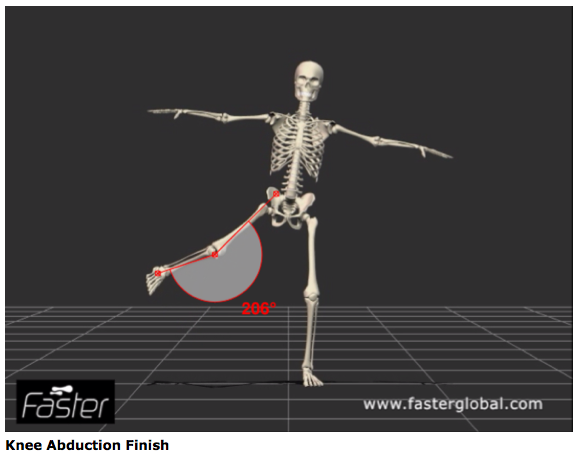
Biomechanics
Understanding Knee Abduction
Knee abduction is one of the hardest motions to observe. Here's what's really happening at the joint, why the patella misleads your eye, and how to spot it in a closed chain.
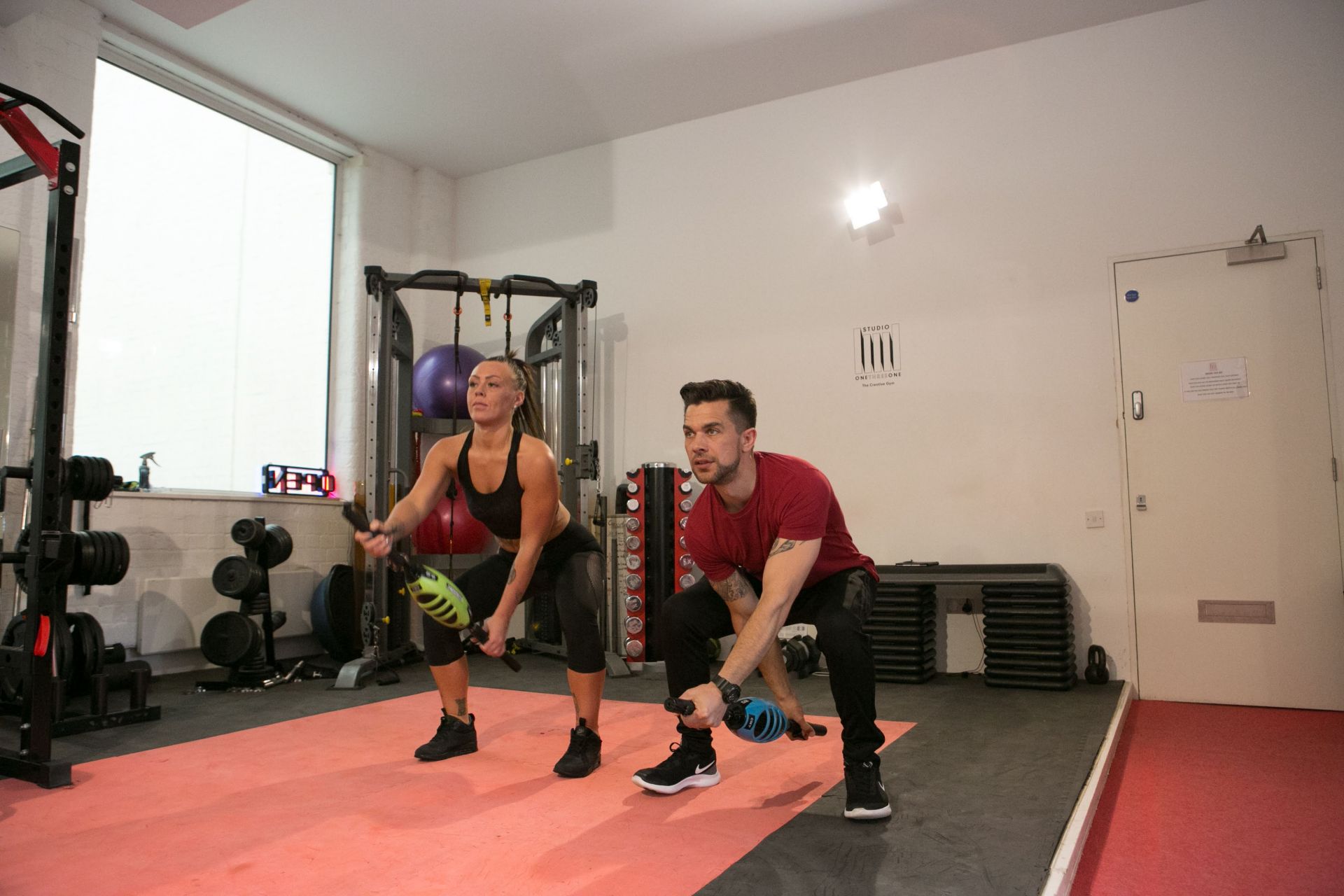
Workouts & Exercises
Unleashing Potential With Functional Training
Functional training builds strength you can actually use. What it is, how it differs from isolation work, and how trainers are using it to get clients results.
Chronic Illness & Health
Weight Loss and GLP-1 Jabs: Programming for Trainers
Clients on GLP-1 weight-loss jabs arrive lighter, less hungry and sometimes weaker. Here's how to train them so the weight lost is fat — and strength is protected.
Become a Personal Trainer
What Does a Personal Trainer Do?
Before you sign up for a course, know what the job actually involves: the different roles, the business side, and what you do once a client is in front of you.

Become a Personal Trainer
What Do I Need to Do to Be a Personal Trainer?
The honest guide to becoming a personal trainer in the UK — the qualification you actually need, the industry myths to ignore, and what carries you through your first 90 days.
Grow your brain for free
Let's not pretend. It's a mailing list. Blogs, useful ideas and things we are excited about, in the hope you learn something and get results. No spam, unsubscribe any time.