
Business & Clients
The Live Analyser Reads The Squat's Tempo And The Press-Up's Plank Line
From the FASTER syllabus: this article is taught in full in PT Manager, free with any FASTER course →
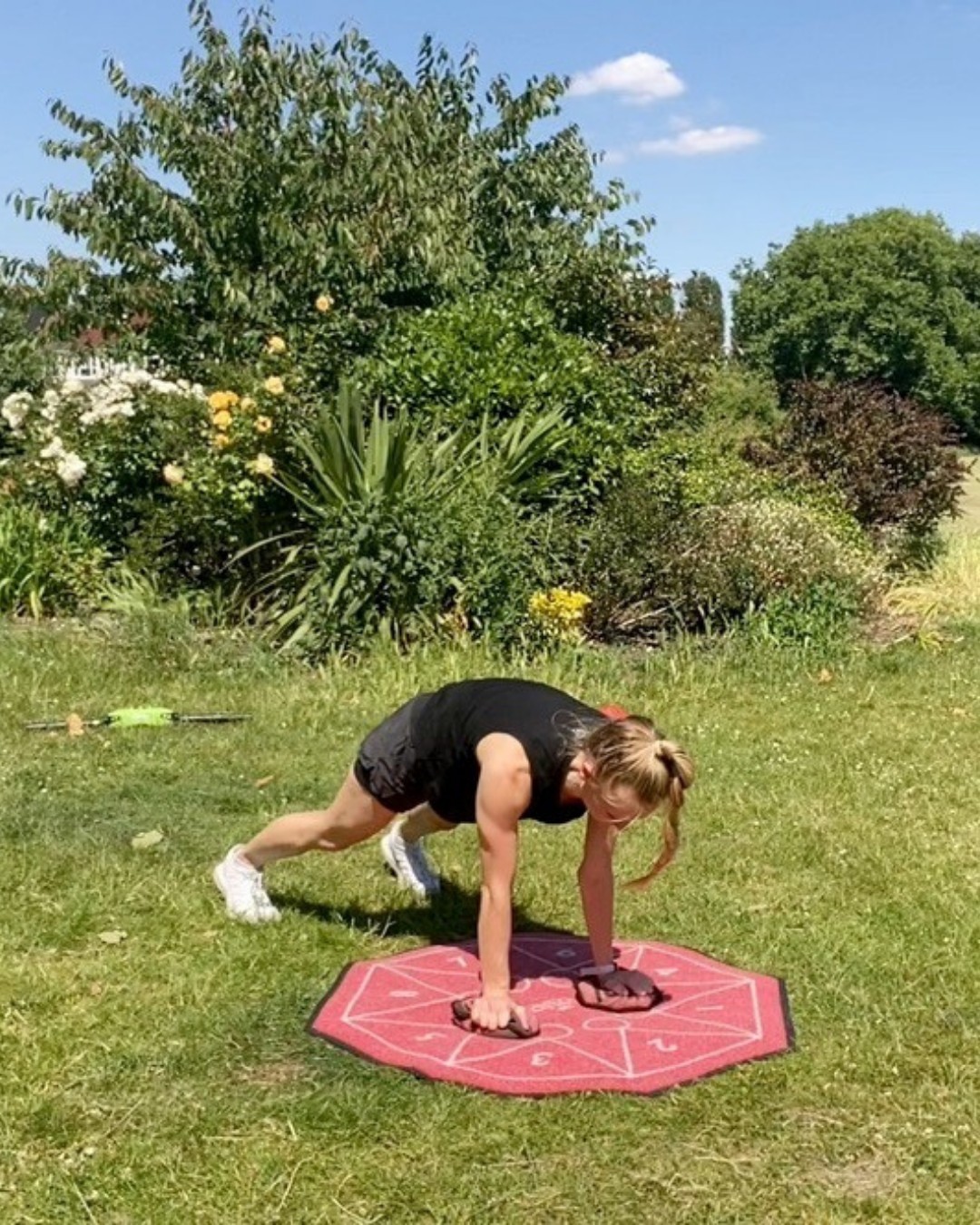
In short: Today's first post gave the four-step method for working out which muscles an exercise trains, run on a press-up, where the core's job is holding a straight plank line. Today's second post showed that the same squat becomes a mobility, flexibility, strength or power exercise depending on the load, speed and hold a trainer sets. PT Manager's Live Analyser lays a live skeleton over the client and reads joint angle, depth and tempo in real time, so a trainer can see whether the squat they set is actually the one happening, and whether the press-up's plank line is holding or sagging.
Two posts, and one open question between them
Today's first post worked out which muscles a press-up trains, and found that the core's real job is holding a straight line so the pressing muscles don't waste their effort. Today's second post showed that the same squat trains four different things, depending on the load, the speed and the hold a trainer sets. Both are real skills. Neither one, by itself, tells a trainer what's happening on the tenth rep of a real set.
Seeing the dial, not guessing at it
A mobility squat and a power squat look similar from across a gym floor. Most of that difference sits in the speed and the hold, which is exactly the kind of thing that's hard to judge consistently by eye, especially once a client tires. The Live Analyser lays a live skeleton over the client on camera and reads joint angle, depth and tempo as the rep happens, side-on, readable from about 3 metres. A trainer sees the dial they set, not the one they assumed was still being followed.
Seeing the line, not guessing at it
The same tool reads a press-up the same way. The plank line today's first post named as the real support job is either holding or it isn't, and a skeleton overlay run down the length of the body shows a hip that's dropped long before it becomes visible to the naked eye from the usual coaching angle.
Why the same tool for both
A squat losing its tempo and a press-up losing its plank line are different faults on different movements, but they're the same kind of problem: a form the trainer meant to be watching happening exactly the way it was set, and a form that's quietly drifted. A trainer checking both live, on camera, catches the drift in the set it happens in, rather than a client's complaint two sessions later that a familiar exercise "just feels different lately".
What to do next
PT Manager opens the moment you sign up with any FASTER course, and the Live Analyser opens fully the day you pass one. Skill-Driven Mobility Coach, today's second post in full, is where the load/speed/hold dials are taught. Read more at PT Manager.
The FASTER Journal shares the next teaching point first. Sign up at /newsletter and it arrives the moment it's ready.
You just read one answer. The course is all of them.
PT Manager, free with any FASTER course — taught by the people who wrote it, with free return access for life. The price is on the page, payment plans at checkout, no sales calls.
Also worth a look: Skill-Driven Mobility Coach, today's second post in full.
See what the course covers →Frequently asked
Do I need a paid tier for the Live Analyser?
No. PT Manager opens the moment you sign up with FASTER, and adding real clients unlocks once you pass a course.
Does the Live Analyser need special kit?
A phone or tablet camera, side-on for a squat, readable from about 3 metres mid-set.
Can it check a press-up's plank line as well as a squat's tempo?
Yes — it reads the joints in real time on whatever movement is in frame, so a straight line through the hips shows up the same way a squat's depth and tempo do.
Reading this for your own training? Every trainer on the FASTER register has been assessed by us — search by town or speciality, free.
Find a FASTER trainer →