Become a Personal Trainer
What Does a Personal Trainer Do?
From the FASTER syllabus: this article is taught in full in The Certified Personal Trainer route →
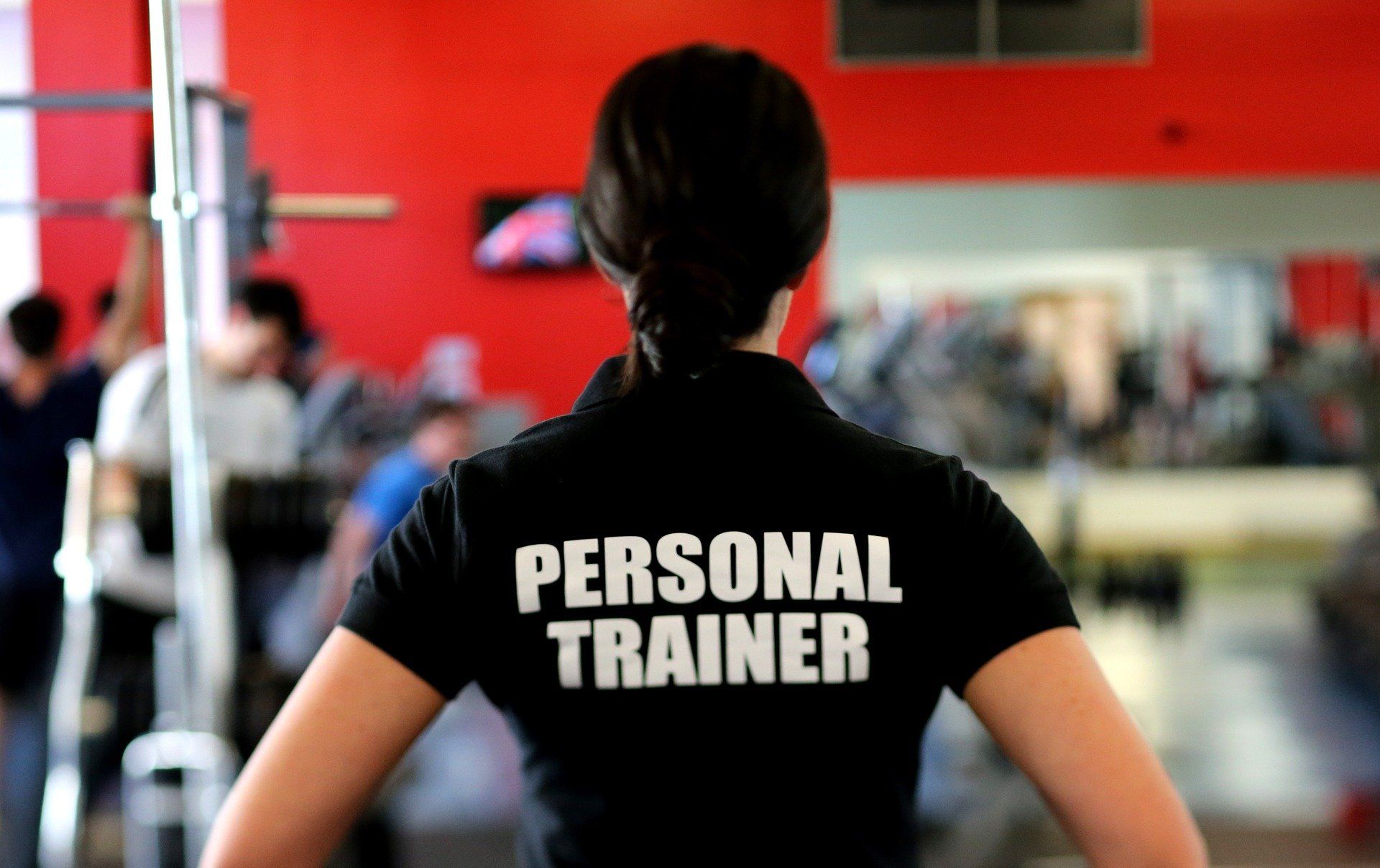
In short: A personal trainer's job splits into two halves: running a business to find and sign clients, and then coaching those clients safely and enjoyably towards realistic goals.
What does a personal trainer do? It is the question every new trainer should ask before signing up for a course, and one that rarely gets asked. Every job is slightly different, so it pays to know what kind of role you actually want before you commit.
The different roles
Personal trainers are recruited into a few distinct set-ups:
- Freelance in a gym, paying rent
- Freelance in a gym in exchange for hours
- Freelance going into people's homes or training in a park
- Employed by a gym
The freelance roles are broadly similar and centre on the trainer tasks below. But if you are freelance in a gym in exchange for rent (or an employed equivalent), or you are employed by a club, you may also be expected to take on more gym-instructor duties.
The gym-instructor side
Trainers with gym-instructor responsibilities can find themselves doing:
- Cleaning
- Programme writing and inductions
- Teaching small group classes
- Taking prospective members around the gym
- Maintenance
- First aid
- Reception duties
- Opening and closing the gym
None of this is glamorous, but it is part of many trainer jobs, so go in with your eyes open.
Finding clients: the business side
Before you coach anyone, you have to find them. That means running a small business, whether you think of it that way or not:
- Marketing
- PR
- Social media management
- Networking
- Setting your price, considering positioning, competition and cost of living
- Sales
- Approaching a client, booking a trial session, and running it
- Asking for money
- Collecting money
Plenty of capable trainers struggle here, not because they can't coach, but because they never expected the job to include selling and getting paid.
Coaching the client
Once you have a client, and provided they have passed the PAR-Q and are within your scope of practice, the enjoyable work begins:
- Set realistic short-term and long-term goals, and plan programmes to reach them.
- During sessions, entertain, educate, motivate and coach clients so they can follow their programmes safely and effectively.
- Where it helps them reach their goals, offer appropriate advice on health, nutrition and lifestyle within your scope.
- As part of a good service, build programmes to support their home workouts too.
So the honest answer is that a personal trainer does two jobs: running a business to win and keep clients, and coaching those clients well once they are in front of you. Knowing that before you start makes choosing the right course, and the right role, a lot easier.
You just read one answer. The course is all of them.
The Certified Personal Trainer route — taught by the people who wrote it, with free return access for life. The price is on the page, payment plans at checkout, no sales calls.
Frequently asked
What are the main ways personal trainers work?
Freelance in a gym paying rent, freelance in exchange for hours, freelance visiting homes or training in parks, or employed by a gym.
Do personal trainers do more than train clients?
Often yes. Trainers with gym-instructor responsibilities may also cover cleaning, inductions, classes, tours, maintenance, first aid, reception and opening or closing.
How does a trainer find clients?
Through marketing, PR, social media, networking, sensible pricing, sales, and running trial sessions, plus the unglamorous parts of asking for and collecting money.
What happens once a client signs up?
After a PAR-Q and checking scope of practice, the trainer sets realistic goals, plans programmes, and coaches the client safely while entertaining, educating and motivating them.
Reading this for your own training? Every trainer on the FASTER register has been assessed by us — search by town or speciality, free.
Find a FASTER trainer →