Injury & Pain
Abdominal exercise does not make diastasis worse
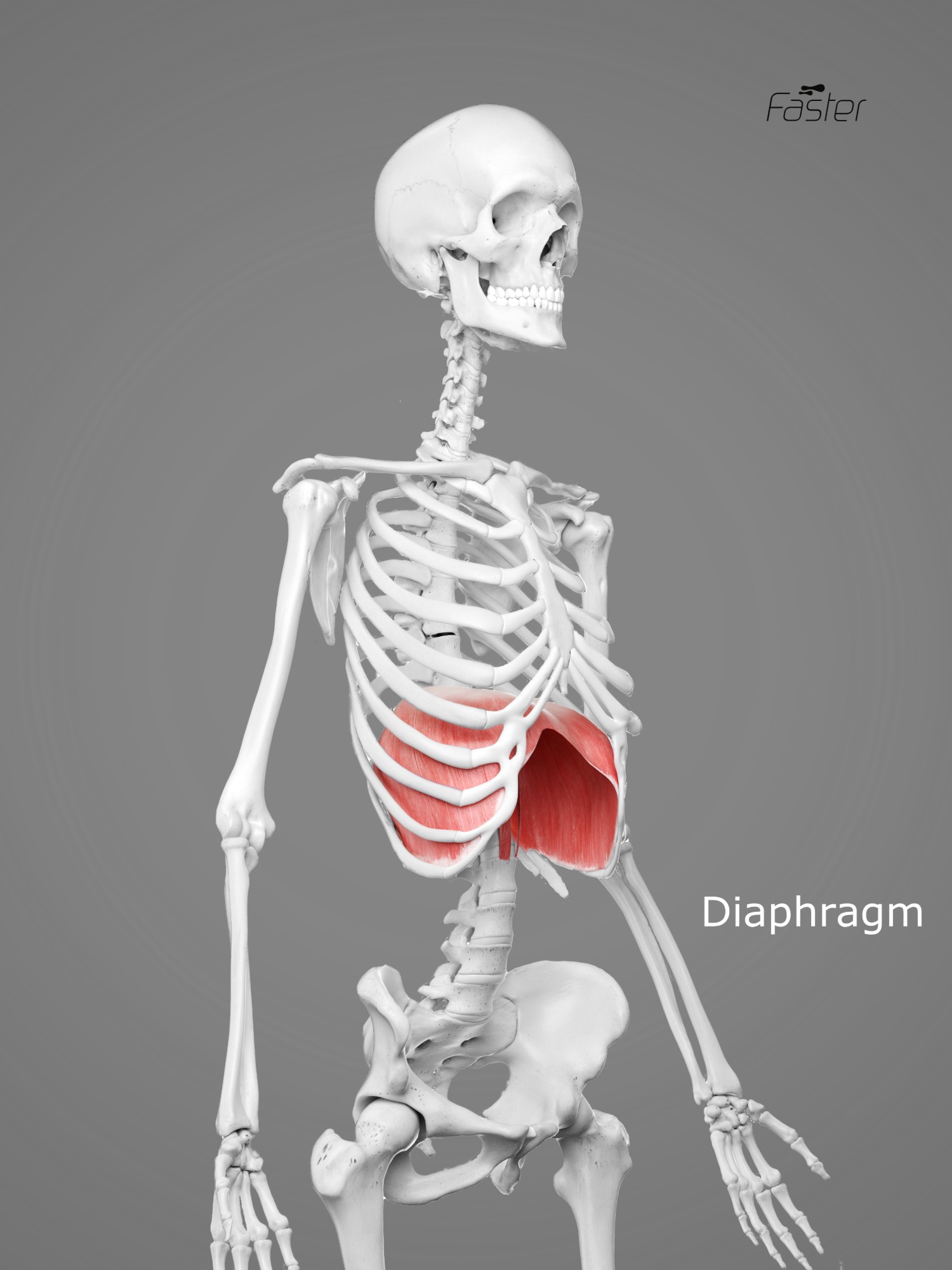
In short: Diastasis recti is a thinning and widening of the linea alba, not a split: the rectus sheath stays intact and connective tissue heals. Current research reviews find abdominal exercise does not worsen diastasis, and fear-loaded language does more damage than loading does.
A new mother gets handed a lot of frightening vocabulary. Gap. Split. Separation. The words arrive before any assessment does, and they all suggest something tore that must not be disturbed. Then the same industry that supplied the fear sells the fix: a list of forbidden exercises and a six-week protocol of tiny, apologetic movements.
The anatomy tells a calmer story. Diastasis recti is a thinning and widening of the linea alba, the band of connective tissue running down the midline of the abdomen. The rectus sheath remains intact. Nothing has torn apart. Connective tissue is living material with measurable tensile strength, it adapts to load, and it heals, on the same biology that mends every other tissue a trainer works with.
The training question has been studied directly, and the research reviews come down on the side of movement: abdominal exercise does not worsen diastasis recti. Loading the trunk is how a coach asks the tissue to adapt, which makes the forbidden-exercise list backwards.
The words are part of the treatment
Fear of movement changes outcomes, and it is taught in seconds. A trainer who says separation hands a client a picture of something coming apart under effort; every crunch after that carries dread. A trainer who says the sheath is intact, the tissue is healing and training helps hands the same client a reason to show up. Same abdomen, different recovery.
That is why the FASTER Core & Pelvic Floor course spends a whole module here: what the linea alba is made of, how it behaves under intra-abdominal pressure, what the width measurement can and cannot say, the hernia question, and the research reviews on training through pregnancy and postpartum. The point is a trainer who can look a client in the eye and coach, rather than recite a caution list.
The course is here: https://www.fasterfunction.com/course/core-and-pelvic-floor
Frequently asked questions
Is a wider gap always a worse gap?
Width alone is a poor guide to function. The behaviour of the midline under load, and what the person can do comfortably, tell a coach far more than a finger-width count taken at rest.
Should postpartum clients avoid crunches?
Blanket bans are not supported by the reviews. Programming still respects the individual: symptoms, doming behaviour, sleep, and where that client is in recovery all steer the loading, the way they would for any client after any major physical event.
When does diastasis need referral rather than training?
Hernia signs, pain, or pelvic floor symptoms belong with a medical professional, and the course covers how to spot the line. A trainer's lane is loading and confidence; knowing the edge of the lane is part of the job.
One evidence-first idea a week, straight to an inbox: https://www.fasterfunction.com/newsletter
Reading this for your own training? Every trainer on the FASTER register has been assessed by us — search by town or speciality, free.
Find a FASTER trainer →