Biomechanics
Bracing is a tensed stomach before a lift. The industry built a cult around one muscle
From the FASTER syllabus: this article is taught in full in the Certified Personal Trainer course (Level 2 + Level 3) is £1,500 →
In short: Bracing is tensing the stomach before a lift and releasing it after, nothing more mystical than that. It's a Level 2/3 fundamental a trainer learns to teach and to see holding under load, which the industry oversells as a specialist skill.
The short version
A brace is a tensed stomach, held for one lift, released once it is done. That is the whole skill. It is one of the fundamentals a trainer learns to teach and spot on Level 2 and Level 3, and the industry has turned one second of tension into a personality trait worth a weekend seminar.
Key Takeaways
- A brace is tensing the stomach before a lift and letting go after. Nothing more than that.
- The fundamental is simple. The skill worth having is spotting it slip under real load, live.
- Level 2 and Level 3 teach a trainer to see a brace hold or break, then the PT Manager puts that on screen for the client too.
The bracing cult
Somewhere right now a reel is explaining "360-degree intra-abdominal pressure" to someone who just wants to lift their shopping without a twinge. A brace is tensing the stomach the way it tenses before someone pokes it, held for the lift, released once the bar is down. The industry built a small economy out of explaining that one second back to people in bigger words.
Level 2/3 is where it gets simple again
On the FASTER Level 2 and Level 3, bracing is not a module hiding behind a locked door. It is a cue taught alongside every lift a trainer coaches, and the skill actually tested is watching the stomach and the ribs to see the tension hold as the load goes on, not reciting a definition. Passing means noticing the exact rep the brace slips, before the spine does.
Playing it down is not underselling the course. A trainer who treats a brace as ordinary keeps their attention on the client instead of on their own vocabulary.
Why the industry inflates it
A one-second cue does not fill a weekend course, so it gets padded out: diaphragm mechanics, pelvic floor synergy, fascial lines, real physiology dressed up as a rare gift only the initiated can teach. FASTER teaches the eyes instead, spotting a brace holding or slipping on a real body, then predicting the one cue that gets it back. That is HMAC again: see it, predict it, fix it, in that order.
Watching a brace hold, live
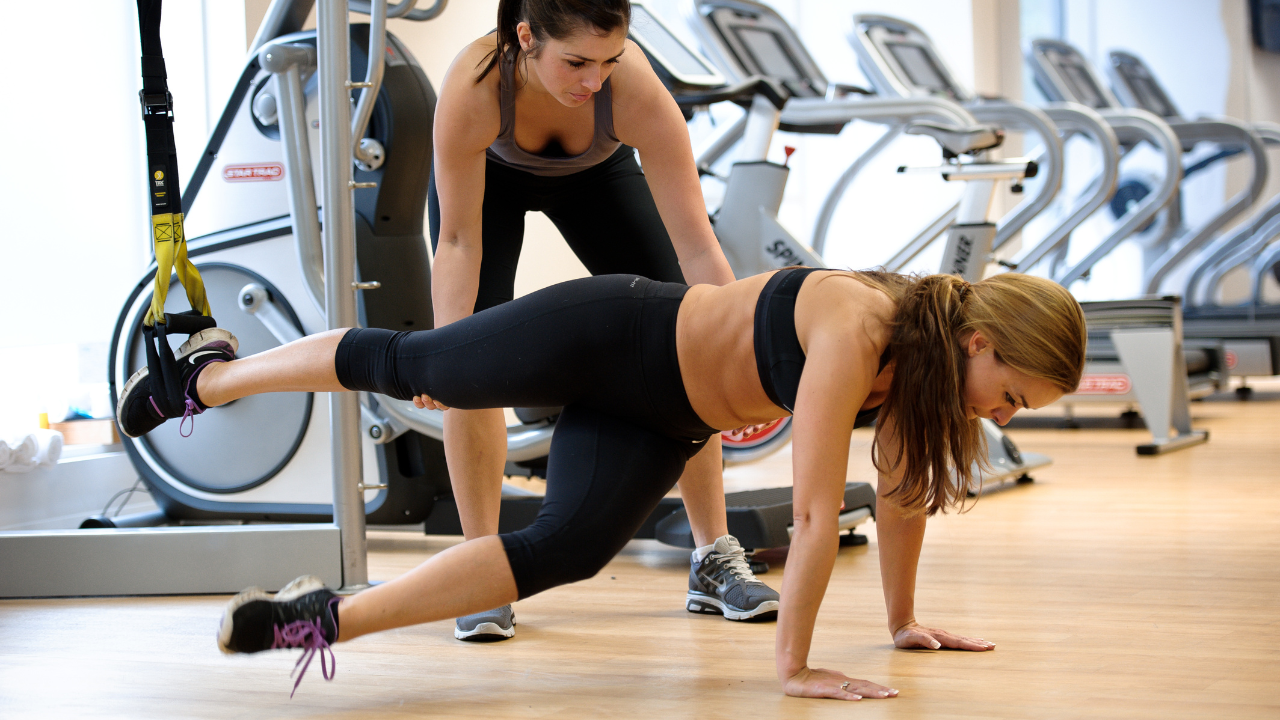
Because seeing beats describing, the PT Manager pulls its weight here too. Point the camera at a client mid-lift and it lays a live skeleton over them, tracking the trunk and hips as the set goes on, readable from across the room. A trainer sees the exact rep where the brace lets go, long before the bar drifts or the spine rounds, and the client watches the same footage back rather than taking someone's word for it.
Learn to see it, not just say it
The Certified Personal Trainer course, Level 2 and Level 3 together, teaches a trainer to coach a brace and actually catch it slipping on a real person. It is £1,500 for both, kept for life, and the PT Manager opens the day of sign-up.
The FASTER Journal shares the next teaching point first. Sign up at /newsletter and it arrives the moment it is ready.
You just read one answer. The course is all of them.
the Certified Personal Trainer course (Level 2 + Level 3) is £1,500 — taught by the people who wrote it, with free return access for life. The price is on the page, payment plans at checkout, no sales calls.
Also worth a look: watch a brace hold or slip, live, in the PT Manager.
See what the course covers →Frequently asked
Is bracing hard to learn?
Not really. A brace is a tensed stomach held for one lift and released after. The skill worth building is seeing it hold or slip on a real person under real load, which FASTER's Level 2 and Level 3 teach directly.
Why does the industry make bracing sound complicated?
A one-second cue is a hard thing to sell as a whole course, so it gets dressed up as a deep specialist skill. FASTER teaches it as one part of a session, not a subject of its own.
How does the PT Manager help with bracing?
It lays a live skeleton over the client so a trainer can watch the trunk and hips hold position or drift as the load goes on, from across the room, not guessed at from the client's face.
Reading this for your own training? Every trainer on the FASTER register has been assessed by us — search by town or speciality, free.
Find a FASTER trainer →