
Coaching & Mindset
Fatigue Is A Forecast Your Client's Brain Makes, And Motor Skill Application Specialist Teaches The Three Stages It Goes Through
From the FASTER syllabus: this article is taught in full in Motor Skill Application Specialist, where fatigue theory is taught →
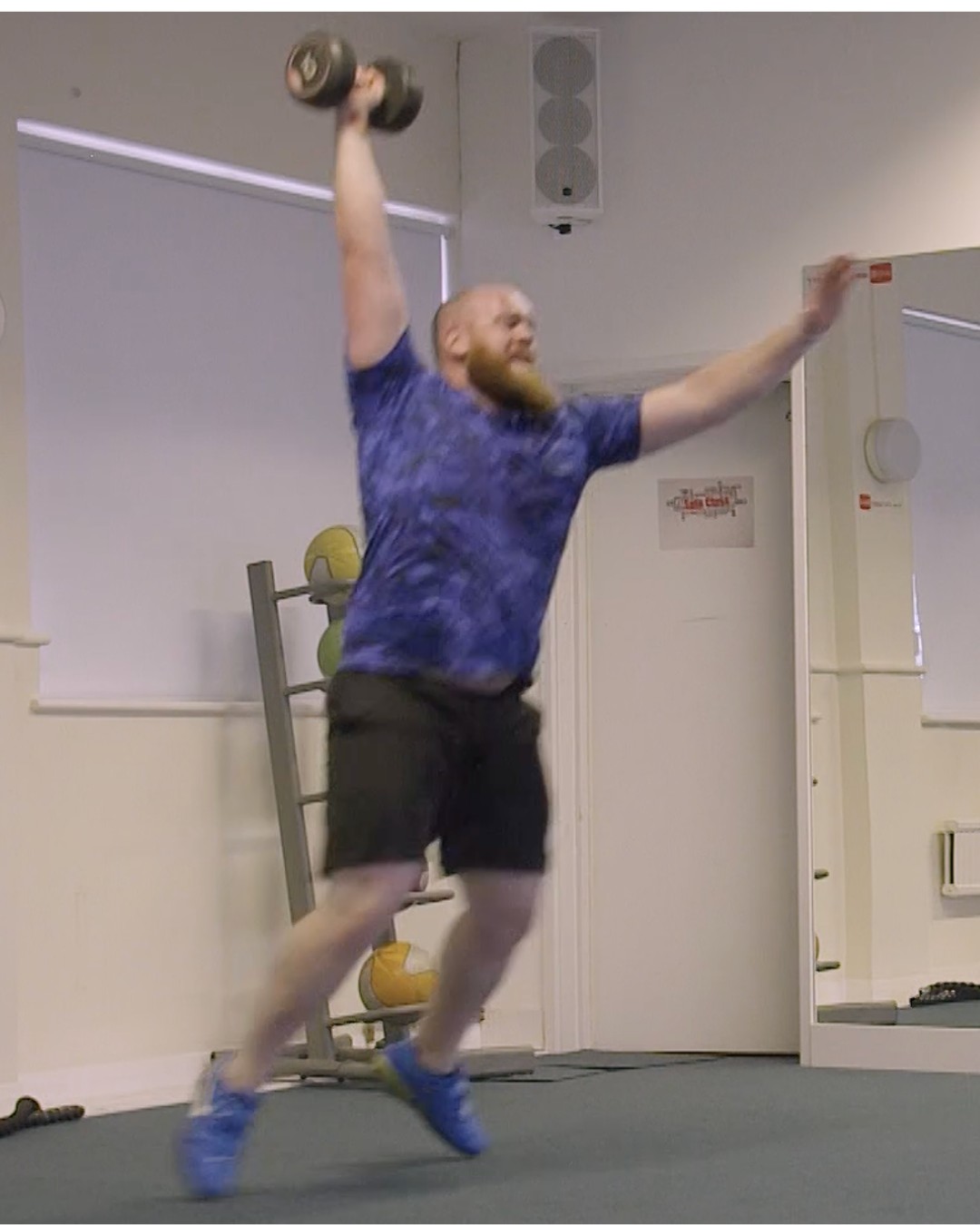
In short: Motor Skill Application Specialist teaches that fatigue is managed by the brain, which reads the internal and external environment and predicts danger to keep the body inside its limits (homeostasis). The older model treated the body like a petrol engine where fuel is the limit. The Central Governor model adds anticipatory protection. The course lists factors a trainer cannot change, and six they can work on directly: music, self belief, prior experience, time deception, knowledge of the end point and the presence of competitors. A hard set moves through three stages: anticipation, continual afferent feedback and end-spurt.
The short version
Motor Skill Application Specialist treats fatigue as a prediction. The brain reads the situation, guesses how hard the next minute will be, and sets the pace to protect the body. That gives a trainer a long list of things to work with, and it is why a client can find a final rep that was not there a moment earlier.
Key Takeaways
- Fatigue is run by the brain predicting and protecting, not only by fuel running out.
- Six factors can be worked on directly in a session.
- A hard set has three stages: anticipation, continual afferent feedback and end-spurt.
The body has a brain, fortunately
The course puts it with a smile: the body has a brain, and the brain keeps output inside certain limits. The name for those limits is homeostasis. The body keeps reading the inside and the outside, adds experience and judgement, and predicts what might be dangerous before it arrives.
Two models, one more useful to a coach
The traditional model, from AV Hill, ended up looking like a petrol engine where the amount of fuel is the limiting factor. The alternative is the Central Governor model, which adds anticipatory energy protection. For a coach the second is the friendlier one, because a prediction can be influenced and a fuel gauge cannot.
Six things you can work on directly
The course lists what affects fatigue management in the research, then splits it. Some items a trainer cannot change. These six can be worked on directly:
- Music
- Self belief
- Prior experience
- Time deception
- Knowledge of the end point
- Presence of competitors
A client who knows exactly where the set ends predicts a different set from one who does not. A playlist, a training partner and a clock they cannot see are all coaching tools. Sleep, mental fatigue and glucose sit in a second list the course asks you to educate about.
Three stages of a hard set
The course names the stages someone moves through while managing fatigue: anticipation, continual afferent feedback, and end-spurt. Anticipation happens before the work gets hard, when the prediction is made. Feedback keeps arriving from the body throughout. The end-spurt is the late lift when the end is in sight. A trainer who can name the stage can choose what to say in it.
Seeing it live
The Live Analyser in PT Manager, our free software, runs a stopwatch with laps and splits on your phone, so your eyes stay on the client. Lap times across a set let you watch the pattern of a client's effort as it unfolds, and the course gives you the words for what you see. Read more on Motor Skill Application Specialist, then look at PT Manager.
The FASTER Journal shares the next teaching point first. Sign up at /newsletter and it arrives the moment it is ready.
You just read one answer. The course is all of them.
Motor Skill Application Specialist, where fatigue theory is taught — taught by the people who wrote it, with free return access for life. The price is on the page, payment plans at checkout, no sales calls.
Also worth a look: PT Manager, free with any FASTER course.
See what the course covers →Frequently asked
What is the Central Governor model of fatigue?
A model in which the brain protects the body's limits (homeostasis) by anticipating danger, rather than the body simply running out of fuel like a petrol engine.
What can a trainer change about a client's fatigue?
The course lists six things to work on directly: music, self belief, prior experience, time deception, knowledge of the end point and the presence of competitors.
What are the three stages of managing fatigue?
Anticipation, continual afferent feedback and end-spurt.
Does finishing the course open PT Manager?
PT Manager opens when you sign up with FASTER, and adding real clients unlocks once you pass a course.
Reading this for your own training? Every trainer on the FASTER register has been assessed by us — search by town or speciality, free.
Find a FASTER trainer →