Become a Personal Trainer
Learn Four Ways To Get One Idea Across Before You Meet Your First Client
From the FASTER syllabus: this article is taught in full in The honest route from scratch to qualified →
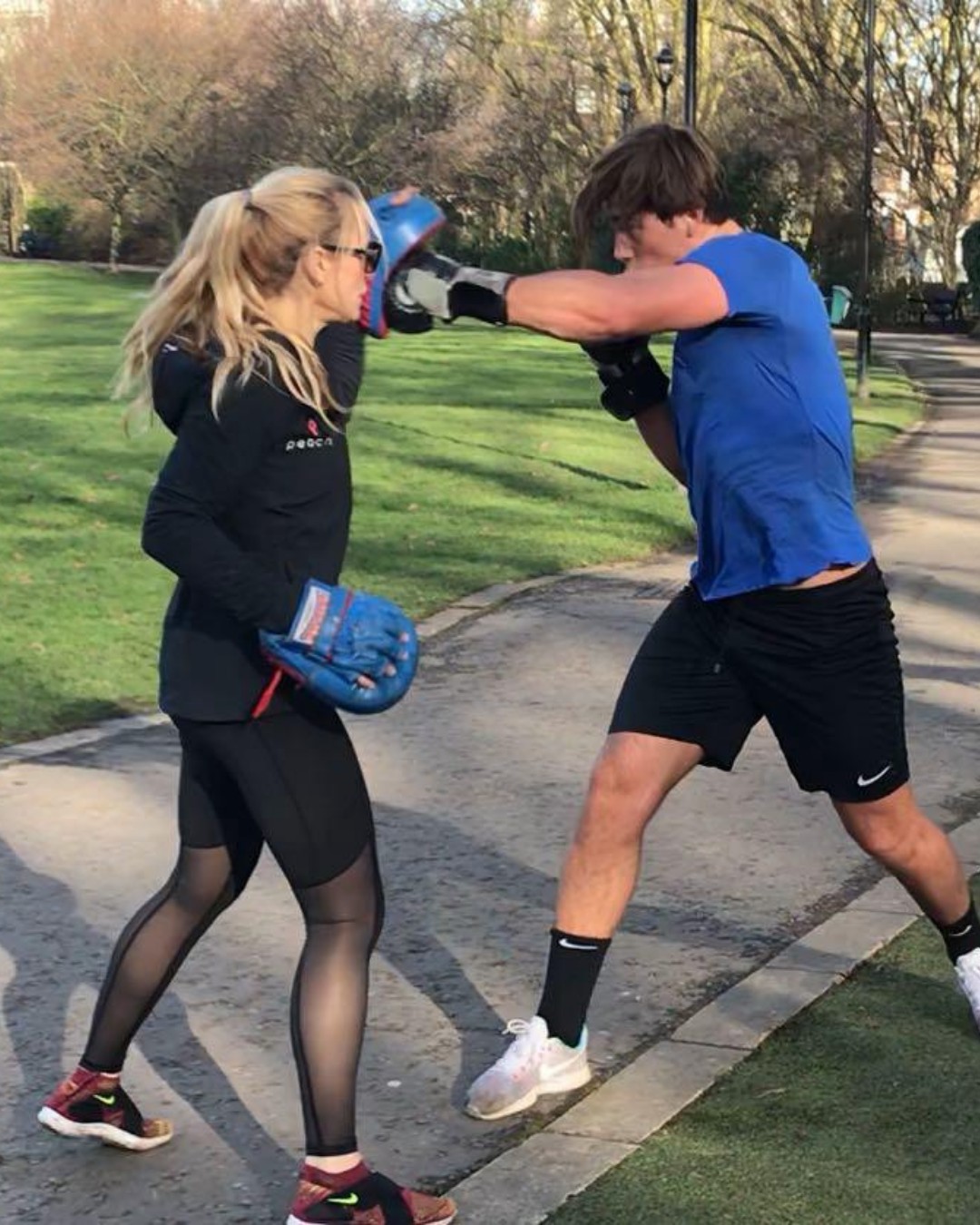
In short: Effective personal trainers draw on a range of communication techniques rather than one style, because people take in and respond to information differently. The Level 3 course splits the range into four groups. Verbal techniques are clear jargon-free language, tone and pace, open questions to draw information out, closed questions to confirm facts, and short coaching cues during the exercise. Non-verbal techniques are open body language, eye contact, a positive expression and matching the client's energy. Listening techniques are active listening, summarising, reflecting and clarifying. Demonstration means showing the exercise while explaining it, paired with hands-on guidance where appropriate. A new trainer who has practised all four has more than one way to get the same idea across.
Four ways to say the same thing
Say you have decided to become a personal trainer, and the bit that feels furthest away is the talking. The exercises are learnable. Standing in front of a stranger and getting an idea across to them feels like it belongs to other people.
It doesn't. The Level 3 course treats it as a set of techniques, and the opening line of the lesson sets the tone: effective trainers draw on a range of techniques rather than relying on one style, because people take in and respond to information differently. Nobody needs a big personality. A trainer needs more than one way in.
Verbal
Clear language with no jargon comes first, then tone and pace, which a trainer can change on the day. Open questions get a client talking. Closed questions confirm a fact. Short coaching cues do the work during the exercise itself, when a paragraph would arrive too late.
Non-verbal
Open body language, eye contact where it suits the person, a positive expression and matching the client's energy. A client who is nervous on day one reads all of this before hearing a word.
Listening
Active listening, summarising, reflecting and clarifying. The course lists these because saying "so what I'm hearing is..." and getting a yes is the fastest way to know an idea landed.
Demonstration
Showing an exercise while explaining it is often clearer than words alone. Add hands-on guidance where it suits the client and the moment.
Why a range beats a favourite
A trainer with one style has one shot at each idea. A trainer who has practised all four can try the idea again from a different side when the first attempt doesn't land, and the client never feels they got it wrong.
That is also how FASTER teaches. The courses are visual and interactive, and students learn by listening, reading, writing their answers or dictating them. One of the things you learn on our CIMSPA-recognised personal training course is a way of communicating that you also get to experience as a student.
PT Manager opens the moment you sign up with any FASTER course, so you can start building your first client forms and programmes in your own name straight away. Adding real clients unlocks the day you pass a course. Read more about the Level 3 Personal Trainer Certificate, or see PT Manager.
The FASTER Journal shares the next teaching point first. Sign up at /newsletter and it arrives the moment it's ready.
You just read one answer. The course is all of them.
The honest route from scratch to qualified — taught by the people who wrote it, with free return access for life. The price is on the page, payment plans at checkout, no sales calls.
Also worth a look: Level 3 Personal Trainer, where this unit lives.
See what the course covers →Frequently asked
Do I need to be a natural talker to become a personal trainer?
No. The course text treats communication as a set of techniques with four groups, verbal, non-verbal, listening and demonstration, so it is learned and practised rather than something a person either has or lacks.
What is the difference between open and closed questions?
An open question invites the client to talk, and a closed question confirms a fact. The course uses each for a different job, open ones to draw information out and closed ones to check something specific.
Is this taught in text only?
No. FASTER courses are visual and interactive, and you can learn by listening, reading, writing your answers or dictating them. PT Manager opens the moment you sign up with any FASTER course.
Reading this for your own training? Every trainer on the FASTER register has been assessed by us — search by town or speciality, free.
Find a FASTER trainer →