Become a Personal Trainer
Mastering UK Personal Training: A No-Nonsense Guide
From the FASTER syllabus: this article is taught in full in All FASTER courses and CPD →
In short: Succeeding as a UK personal trainer comes down to getting properly qualified (Level 2 then Level 3, plus specialisms), picking a niche you understand, sorting location and rates, marketing consistently, and caring enough to keep clients — the business matters as much as the coaching.
Fancy a go at personal training in the UK? Good choice — but it's more than knowing your deadlifts from your burpees. It's about building a business that lasts. Here's the practical version.
1. Get qualified — properly
The UK has strong courses. Level 2 gives you the basics; Level 3 covers the advanced work. Specialist courses in areas like sports nutrition or injury rehabilitation widen your client base. The deeper your knowledge, the more people you can help — and trust is earned. Those certificates aren't decorations; they're credibility.
2. Find your niche
Every trainer has a tribe. Yours might be the over-50s wanting their energy back, or 20-somethings prepping for a marathon. Understand their goals, challenges and lifestyle and you can build sessions that resonate. Tailored workouts are effective and memorable — and in this game, word of mouth is gold.
3. Sort your location
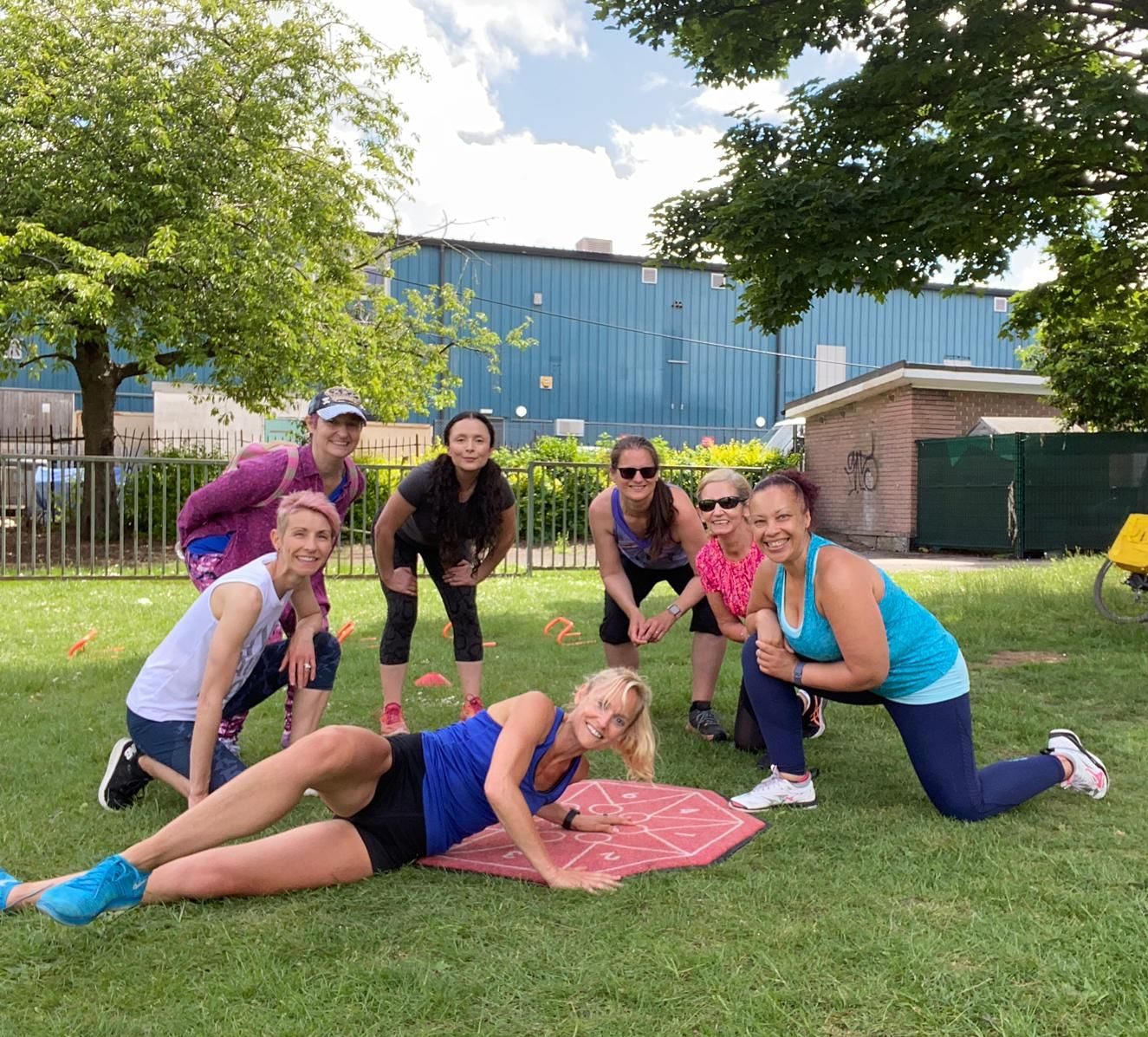
Bricks-and-mortar gyms are fine, but the local park is free, open and full of fresh air. Or go digital — video sessions over Zoom bridge the gap when a client is on the other side of the country.
4. Set your rates
Money talk feels awkward, but it matters. Scope out the competition. Offering more? Charge a bit more. Just starting? Consider an introductory rate. And use packages — a 10-session bundle is often more appealing, and more profitable, than one-off sessions.
5. Use social media as a tool
Social media isn't just for cat videos. Share a snippet of your day, a good workout, or a client's success story (with permission). Reply to comments, run the odd live Q&A, collaborate with other trainers. You're building a community, not broadcasting.
6. Keep learning
The fitness world moves. Fitness journals, seminars and following genuine industry voices keep you current — and give you something to talk about with clients.
7. Ask for feedback
Every session is a chance to learn. Was that routine too hard? Pace too slow? Regular check-ins fine-tune your approach and show you're paying attention. In a crowded market, genuine care sets you apart.
8. Safety first
Beyond insurance, get first aid and CPR certified. Accidents are rare, but being ready makes all the difference when one happens.
9. Build a community
Think beyond group sessions. A monthly newsletter with tips or a client spotlight, a local fitness challenge, a charity run — these keep clients engaged outside the gym and connected to each other.
10. Stay true to you
Your journey and style are your own. Maybe you swear by kettlebells; maybe you're all about holistic wellbeing. Clients aren't just after a trainer — they're after a personality. Be genuine, be passionate, and the business tends to follow.
You just read one answer. The course is all of them.
All FASTER courses and CPD — taught by the people who wrote it, with free return access for life. The price is on the page, payment plans at checkout, no sales calls.
Frequently asked
What qualifications do I need to be a PT in the UK?
Level 2 gives you the basics and Level 3 covers the advanced work; specialist courses in areas like nutrition or rehab widen your client base.
Do I need a gym to train clients?
No — parks and virtual sessions over video both work, and can reach clients anywhere in the UK.
How should I set my rates?
Scope out local competition, price against what you offer, and use packages like a 10-session bundle rather than only one-off sessions.
How do I get clients as a new PT?
Pick a niche, use social media properly, ask for feedback, and let word of mouth build from clients you genuinely look after.
What else matters beyond training?
First aid and CPR, ongoing learning, and building a community around your clients so they stay engaged.
Reading this for your own training? Every trainer on the FASTER register has been assessed by us — search by town or speciality, free.
Find a FASTER trainer →