
Core & Pelvic Floor
The deep core is an anatomical term, not a training method
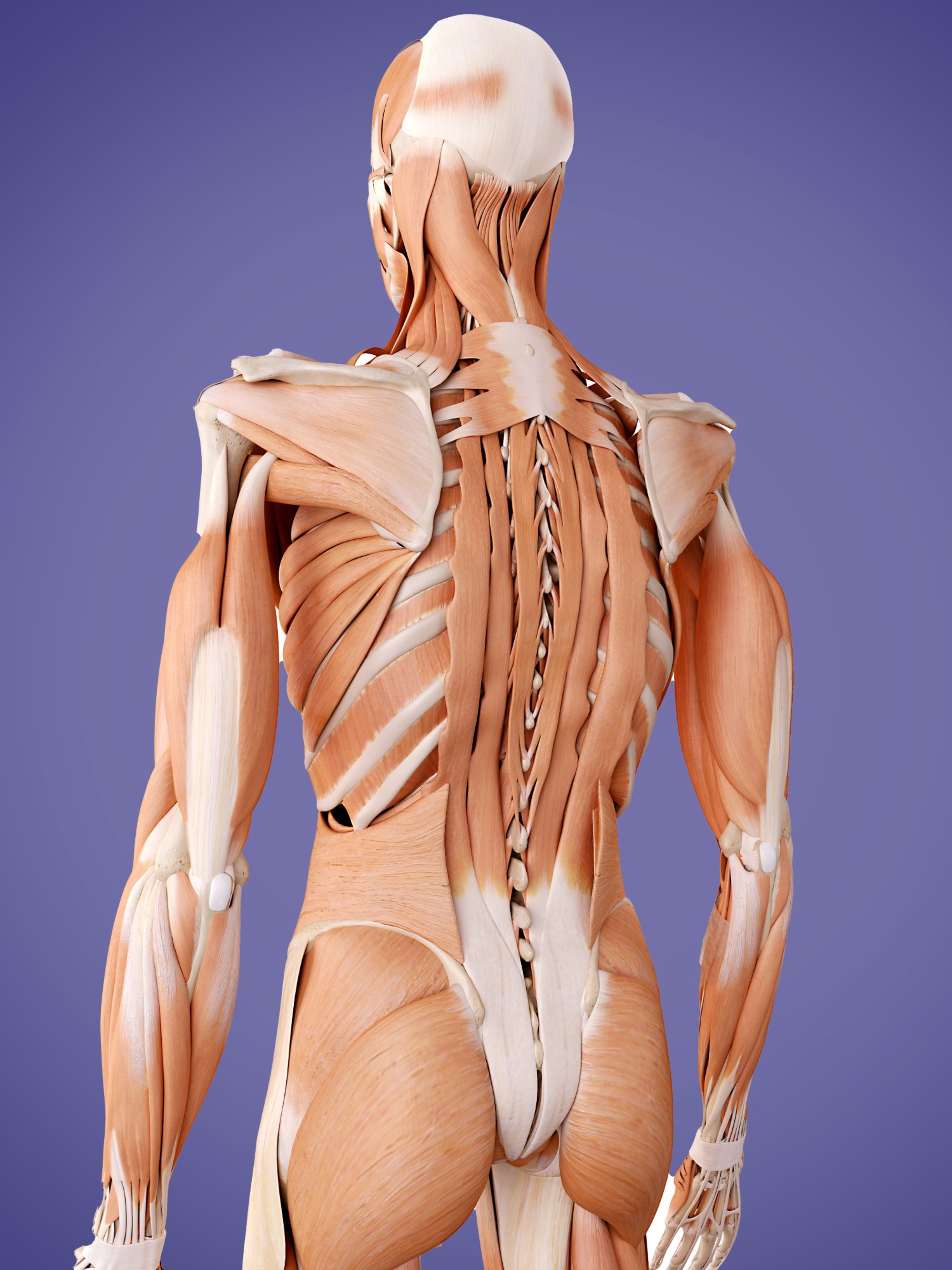
In short: Classifying trunk muscles as deep or superficial is an anatomical description with no functional significance for training. Train spinal movement in all three planes, and combinations of them, and every layer works.
The word core comes from the Greek kormos, the trunk of a tree. Somewhere between the anatomy textbook and the gym floor, that simple idea got upgraded into a product: the deep core, a hidden inner cylinder that supposedly needs its own exercises, its own cues and its own six-week programme before a person is allowed to lift anything.
Anatomists do divide the trunk muscles into groups. The global muscles are the big movers, the rectus abdominis and obliques that flex and rotate the spine. The local muscles, multifidus and friends, sit closer to the segments they support. That division describes where muscles sit and what they attach to. It was never an instruction to train them separately.
Eyal Lederman made this case in The Myth of Core Stability back in 2010, in the Journal of Bodywork and Movement Therapies (2010;14(1):84-98, PMID 20006294). It remains the classic reference, and it still reads like someone opening a window in a stuffy room. Any classification of trunk muscles as deep or superficial is purely anatomical. Functionally, the trunk works as one system, and it works during movement.
What the layers actually do together
A spine can flex and extend in the sagittal plane, bend sideways in the frontal plane, and rotate in the transverse plane. Real life stacks these together: a parent lifting a child out of a car seat is extending, side-bending and rotating in one motion. Every layer of the trunk contributes to that, in proportions that shift with load, speed and position. No cue about hollowing a navel changes the proportions for the better.
The practical consequence is friendly: training the core means training spinal movement, through all three planes and their combinations, with progressive load. A client who bends, rotates, reaches and carries is training every layer the textbook names, including the fashionable ones, without a single isolation drill.
Where the cult costs people
The deep core story costs people more than time. It teaches them that their trunk is fragile, that a muscle they cannot feel is switched off, and that ordinary movement is dangerous until a specialist switches it back on. That belief does measurable harm, because fear of movement is one of the strongest predictors of long-term back trouble. The kindest thing a trainer can do is teach a spine to move well and load it honestly.
At FASTER this is a whole module of the Core & Pelvic Floor course: functional anatomy of the core, movements of the spine, combination movements, and the industry fallacies section that names the myth directly. The course sits alongside a 3D model that shows the trunk layers moving together, so the anatomy stops being a diagram and starts being something to watch.
The course is here: https://www.fasterfunction.com/course/core-and-pelvic-floor
Frequently asked questions
Is the transverse abdominis important?
It is one contributor among many to trunk stiffness and intra-abdominal pressure. It participates in ordinary movement automatically. The evidence does not support isolating it as a gateway to safe lifting, and hunting for it with hollowing cues adds nothing that loaded movement was not already doing.
Do local muscles like multifidus ever need specific work?
After some injuries and surgeries there are clinical reasons a therapist might bias certain muscles early in rehabilitation. That is a clinical decision inside a rehab plan, not a rule for healthy training. In the gym, progressive spinal movement covers the job.
What should core training look like?
Movement of the spine in all three planes, combined patterns, and carries under load that ask the trunk to hold shape while the limbs work. Push, pull, hinge, rotate and reach, progressed like any other quality.
FASTER's mailing list carries one plain idea like this every week, evidence first, no cult: https://www.fasterfunction.com/newsletter
Reading this for your own training? Every trainer on the FASTER register has been assessed by us — search by town or speciality, free.
Find a FASTER trainer →