
Chronic Illness & Health
The Exercises That Suit Each Trimester, So You Can Say Yes With Confidence
From the FASTER syllabus: this article is taught in full in the Pre & Postnatal Training course, £300 →
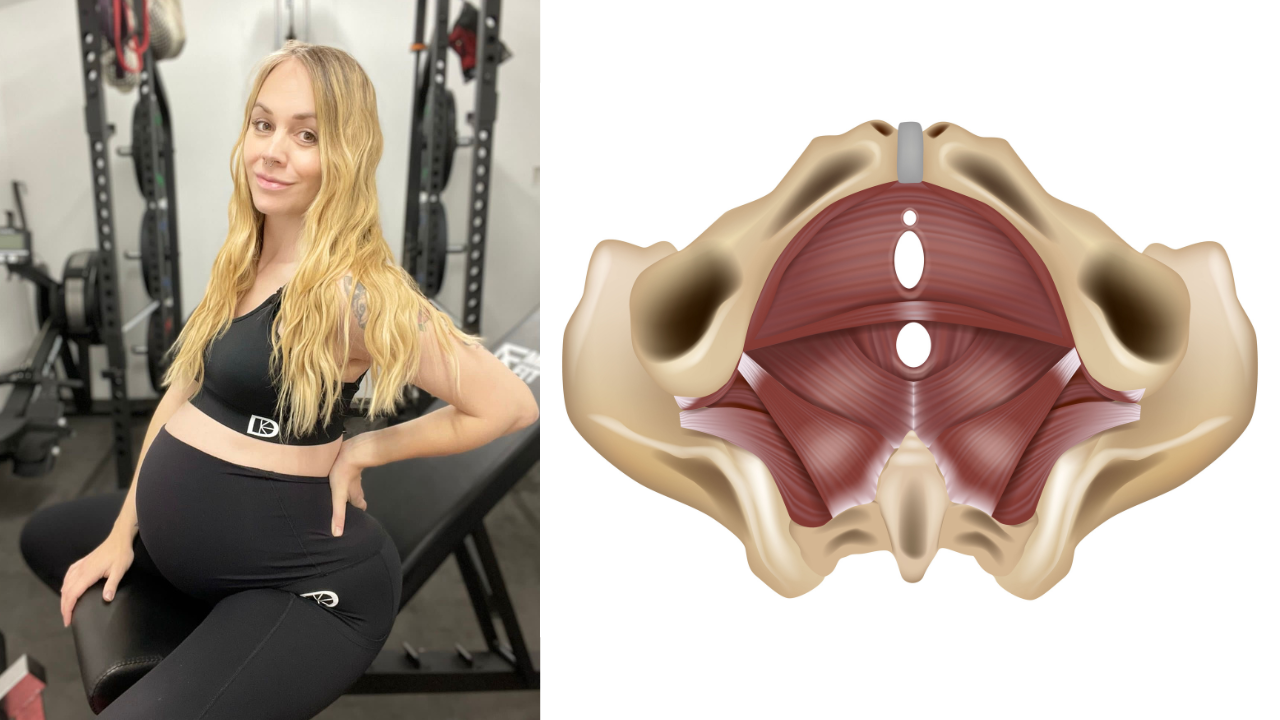
In short: FASTER's Pre & Postnatal Training course maps exercise appropriateness to ACSM guidelines stage by stage. In the first trimester, a client already active can keep their routine, new strenuous exercise is held off, and low-impact work like walking or swimming is the focus, with high-fall-risk and contact activities off the table. By the second trimester intensity is judged with the talk test rather than a fixed number. The rest of the course builds the same staged approach through to postnatal return.
The short version
"Clients are asking and you've been saying no" is the exact problem this course exists to fix. One thing first, because it decides everything after it: pregnant and postnatal clients are a specialist population, and a trainer needs a pre and postnatal qualification before taking them on — without it, "yes" is a promise your insurance doesn't back. FASTER's Pre & Postnatal Training course is that qualification. It builds the answer in, staged trimester by trimester through to postnatal return, out of the ACSM's own guidelines — so "yes" becomes a word you've earned, not a risk you're taking.
Key Takeaways
- Training pregnant or postnatal clients takes a pre and postnatal qualification — FASTER's Pre & Postnatal Training course is that qualification, and everything below is taught inside it.
- Pre & Postnatal Training maps exercise appropriateness to every trimester and the postnatal return, built on ACSM guidelines rather than guesswork.
- In the first trimester an already-active client keeps their routine, new strenuous exercise waits, and low-impact work like walking or swimming leads.
- By the second trimester, intensity is judged with the talk test instead of a fixed number.
What the first trimester allows
The course doesn't open with a list of bans. It opens with what a client can keep doing: if they were already active before pregnancy, that routine continues. What changes is what gets added. New, strenuous exercise waits. Low-impact activity, walking, swimming, becomes the main focus rather than an afterthought. And two categories come off the table outright: anything with a real risk of a fall or abdominal impact (think horse riding, skiing) and contact sport.
That's a short, clear list. It's also the difference between a trainer who says no to a pregnant client out of general nerves and one who can name what gets kept, what gets held, and what gets dropped for now.
What changes by the second trimester
The fixed list starts to loosen into something more responsive. Rather than naming a target heart rate or a set intensity, the course teaches the talk test: a client should be able to hold a conversation while training. If they can't, the intensity comes down. It's a simple check a trainer can run in every single session without any equipment.
Why staged guidance beats a blanket rule
A blanket "avoid X during pregnancy" rule ages badly the moment a client moves from week eight to week twenty-eight. What's appropriate is a moving target across all three trimesters and the postnatal period after, and the course keeps building that same staged structure all the way through — the third trimester and the postnatal return get the same treatment the first two get here: exercises to use, exercises to hold, and the specific adaptations that belong at each point, not one rule stretched to cover nine months.
Where this comes from
This is straight out of the Pre & Postnatal Training course, the module built so "a client has asked me and I don't know" never has to be the honest answer again. Once it's passed, the full programme builder opens inside PT Manager, so a staged plan built this way saves straight into that client's own record.
What to do next
The Pre & Postnatal Training course is the qualification: the full staged approach, all three trimesters through to postnatal return, for £300, taught by the people who wrote it.
And once you hold it, the Core & Pelvic Floor course takes the same clients deeper — the anatomy and training of the system pregnancy asks the most of.
The FASTER Journal shares the next teaching point first. Sign up at /newsletter and it arrives the moment it's ready.
You just read one answer. The course is all of them.
the Pre & Postnatal Training course, £300 — taught by the people who wrote it, with free return access for life. The price is on the page, payment plans at checkout, no sales calls.
Also worth a look: the programme builder opens inside PT Manager when you pass.
See what the course covers →Frequently asked
Do I need a nursing or physio background to train pregnant or postnatal clients?
No. The course builds the staged guidelines into a system a personal trainer can apply, referring on only where the criteria say to.
What changes between the first and second trimester?
The first trimester is about keeping what's already normal for that client and holding off anything new or high-risk. By the second, intensity gets judged in the moment with the talk test rather than against a fixed target.
Does passing this course unlock anything in PT Manager?
Yes. It opens the full programme builder, so a staged plan can be built and saved straight into that client's programme.
Reading this for your own training? Every trainer on the FASTER register has been assessed by us — search by town or speciality, free.
Find a FASTER trainer →