
Chronic Illness & Health
Know the guidelines for a pregnant client properly, and you can say yes to her with confidence
From the FASTER syllabus: this article is taught in full in the Certified PT course (Level 2 and Level 3) →
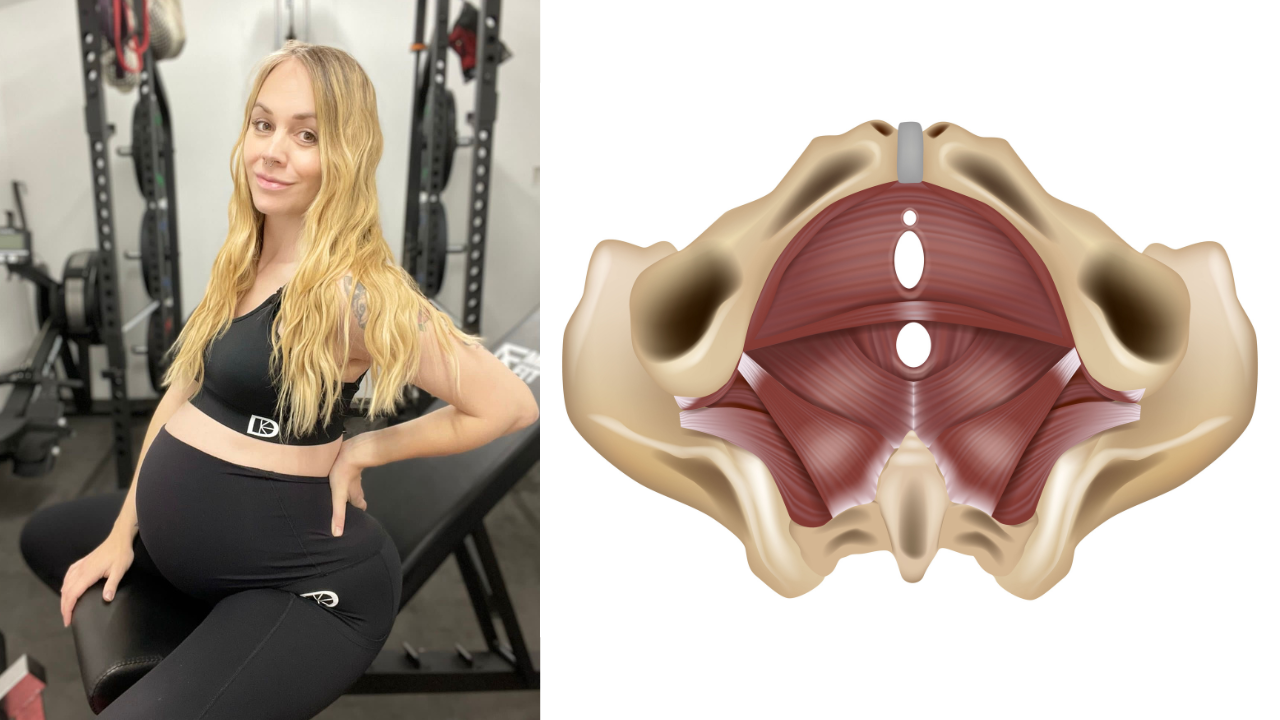
In short: Level 2/3 names the exercise contraindications and key safety guidelines for antenatal and postnatal clients as core knowledge, not an optional extra. A trainer who has actually learned them can keep coaching a pregnant or postnatal client with confidence, rather than referring her away out of nerves.
The short version
A client tells you she's pregnant, mid-session or in the first consultation, and there's a split second where a trainer either knows what to do or doesn't. The ones who don't tend to do one of two things: freeze the programme into something so cautious it barely counts as training, or refer her out to "someone who specialises in that." Neither is wrong exactly, but neither is necessary either. Level 2/3 teaches the actual contraindications and safety guidelines for antenatal and postnatal clients, so the split second becomes a plan instead of a guess.
Key Takeaways
- Y/617/8588 names antenatal and postnatal contraindications and safety guidelines as core Level 2/3 knowledge, alongside the same unit's guidance for older clients and young people.
- A pregnant or postnatal client is not automatically a referral. She's a client whose training needs a trainer who knows the rules.
- The same unit covers the Valsalva effect, which matters for exactly this population, holding the breath against a closed airway under load carries different risk once pregnancy changes the picture.
What the unit asks
Criterion 4.2 of Y/617/8588 asks a trainer to describe the exercise contraindications and key safety guidelines for working with antenatal and postnatal clients. It sits in the same unit as the guidelines for older clients and for young people, three populations the course treats as needing specific, learnable knowledge rather than instinct or a blanket "check with your doctor."
That detail matters. FASTER doesn't teach pregnancy as a special topic bolted onto the main course. It's inside the same qualification everyone takes, because a trainer who avoids pregnant and postnatal clients out of uncertainty is avoiding a normal part of the job.
What changes
Antenatal training asks a trainer to know what shifts as pregnancy progresses: positions and movements that stop being appropriate as the pregnancy advances, how to manage heat and effort safely, and where a green light from her midwife or doctor is the right thing to ask for before you, not instead of you, take it from there. Postnatal training asks something different again, a gradual return to load, an honest read of how the pelvic floor and abdominal wall are recovering, and the judgement to know when something needs a referral to a pelvic health physio rather than a workaround in the gym.
None of that is guesswork once you've been taught it properly. It's a defined body of knowledge with a right answer, the same as any other unit on the course.
The system underneath it
This is FASTER's built-on-science promise doing exactly what it's for: taking a topic the industry treats as too risky to touch and making it something you can find, read and apply. HMAC eyes matters here too, watching how a pregnant or postnatal client is moving tells you more in a session than a form she filled in months ago, and PT Manager's Live Analyser gives you a live skeleton over the client so a change in her range or control shows up on screen the moment it happens, not weeks later.
What to do next
The Certified PT route covers antenatal and postnatal training inside the full Level 2/3 qualification, taught visually and hands-on rather than as a page to memorise, because a changing body is easier to understand when you can watch it change. PT Manager comes free with the course, so the same client stays with you from her first booking through the whole thing.
The FASTER Journal shares the next teaching point first. Sign up at /newsletter and it arrives the moment it's ready.
You just read one answer. The course is all of them.
the Certified PT course (Level 2 and Level 3) — taught by the people who wrote it, with free return access for life. The price is on the page, payment plans at checkout, no sales calls.
Also worth a look: PT Manager, free with any FASTER course.
See what the course covers →Frequently asked
Can a personal trainer coach a pregnant client without extra qualifications?
Yes, within scope. Level 2/3 covers the contraindications and safety guidelines a trainer needs for antenatal and postnatal clients as part of the core certificate, not as a separate add-on.
Why do so many trainers refer pregnant clients elsewhere?
Usually because nobody taught them the actual guidelines, so the safest-feeling option is to hand her to someone else. Knowing the unit content removes the guesswork.
Does postnatal training start the moment a client feels ready?
Readiness is part of what the unit asks a trainer to assess properly, alongside what's actually cleared and how the body is recovering, rather than going by how a client feels on a good day.
Reading this for your own training? Every trainer on the FASTER register has been assessed by us — search by town or speciality, free.
Find a FASTER trainer →