Injury & Pain
The rep they always cut short is protecting something you can't see
From the FASTER syllabus: this article is taught in full in the Games for Pain course →
In short: A client who consistently shortens the same movement is usually protecting against a remembered pain, not being difficult. Reasoning and reassurance rarely reach that response. Turning the movement into a game shifts attention off the pain memory and the guard tends to drop on its own.
The short version
Most trainers have one: a client who is fine on nineteen exercises and quietly shortens the twentieth, every single session. Not through laziness. Through a body that filed away what happened last time and isn't taking the risk again.
Key Takeaways
- A movement cut short again and again is usually guarding, not a compliance problem.
- Cueing and reassurance rarely reach it, because the guard sits below the decision to try harder.
- Games for Pain is built to remove the guard by changing what the client is paying attention to.
What guarding is
A client can be fully cleared to train and still hold back on one specific movement, every time it comes up. The shoulders won't go overhead. The knee won't bend past a certain point. The hips stop three inches before full depth. Ask them why and you'll usually get "it's just not comfortable," which is true and also not the whole answer.
The body remembers. A movement that once hurt, or that came with an injury, or that a client watched go wrong for someone else, gets filed as a risk. The guard that follows is a habit, built the first time and repeated ever since.
Why cueing doesn't move it
Telling that client to "trust it" or "go lower" treats the block as a confidence problem, solvable with encouragement. It rarely is. You're arguing with a protective response the nervous system set up on its own, and no amount of "you've got this" negotiates with a decision the body already made for itself.
Games for Pain exists for exactly this client: cleared to train, but guarding against a movement because of pain, an old injury, or the fear that pain is coming back. It gives you a built toolkit for that specific problem, rather than a set of coaching cues that were never designed to reach it.
What shifts the guard
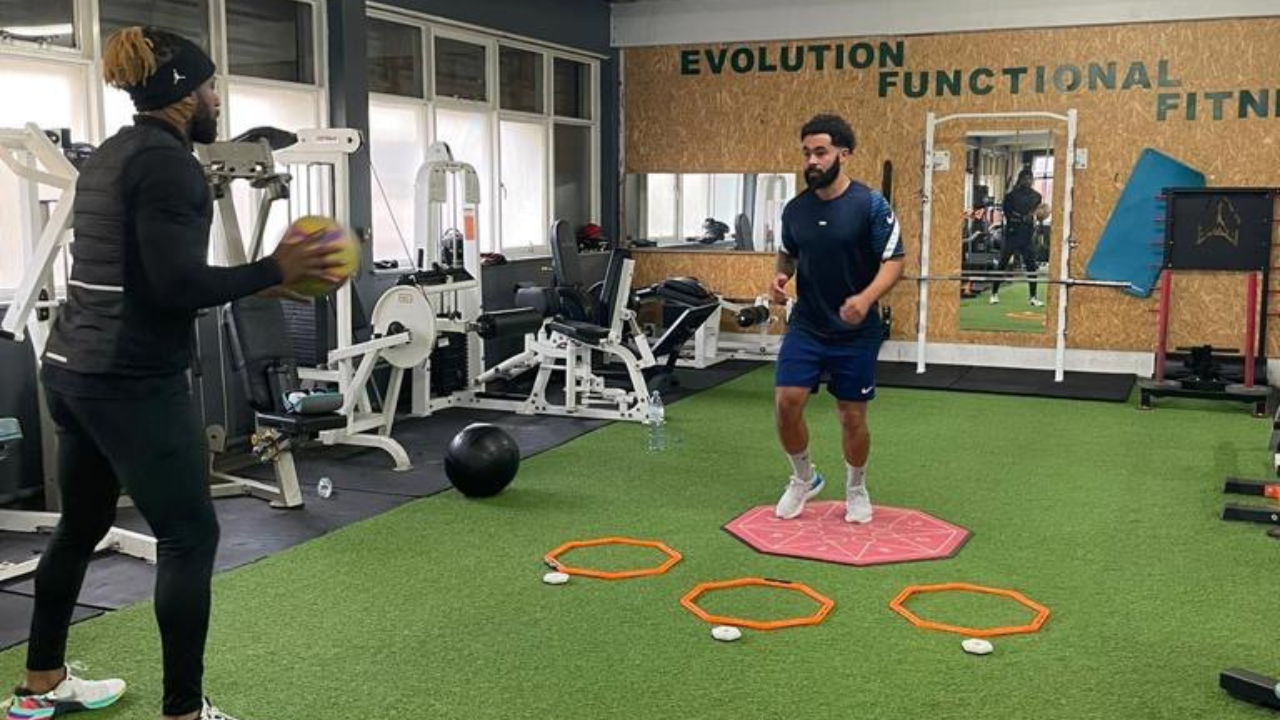
Make the same movement a target to hit, a partner to beat, or a ball to catch, and the client's attention moves off "will this hurt" and onto "did I get it." The guard eases because the part of the brain running it is busy with something else. Clients who play the game through a range they'd never willingly attempt on command often do it without noticing.
That's the point of the course rather than a one-off trick: you learn to build the game around the specific client and the specific movement in front of you, so it keeps working once the first game stops being novel.
What to do next
The Games for Pain course gives you that toolkit properly, built from real cases rather than a list of generic ideas to try. It sits alongside FASTER's wider push to teach visually and hands-on, because a guard is something you learn to spot in a session, not from a slide.
Once a guard starts easing, it's worth having something watching for it. PT Manager's Live Analyser lays a live skeleton over the client and reads the joint in real time, which is exactly the kind of change a stopwatch and a clipboard were never built to catch.
You just read one answer. The course is all of them.
the Games for Pain course — taught by the people who wrote it, with free return access for life. The price is on the page, payment plans at checkout, no sales calls.
Also worth a look: PT Manager, free with any FASTER course.
See what the course covers →Frequently asked
Is a client who cuts a movement short just being difficult?
Usually not. It's more often a nervous system protecting against a movement that hurt before, or that the client fears will hurt again, even once they're cleared to train.
Why does turning it into a game help when explaining the movement doesn't?
Reasoning targets a decision the client already made unconsciously. A game shifts their attention onto a target or a score, and the guard tends to ease while attention is elsewhere.
Who is the Games for Pain course for?
Trainers with clients cleared to exercise but who guard, flinch, or shorten specific movements out of pain or fear, and who want a built toolkit rather than one-off tricks.
Reading this for your own training? Every trainer on the FASTER register has been assessed by us — search by town or speciality, free.
Find a FASTER trainer →