Research
Your Client Isn't Learning A Squat, They're Learning A Pattern They Can Use Anywhere
From the FASTER syllabus: this article is taught in full in Skill-Driven Mobility Coach — where this is taught in full →
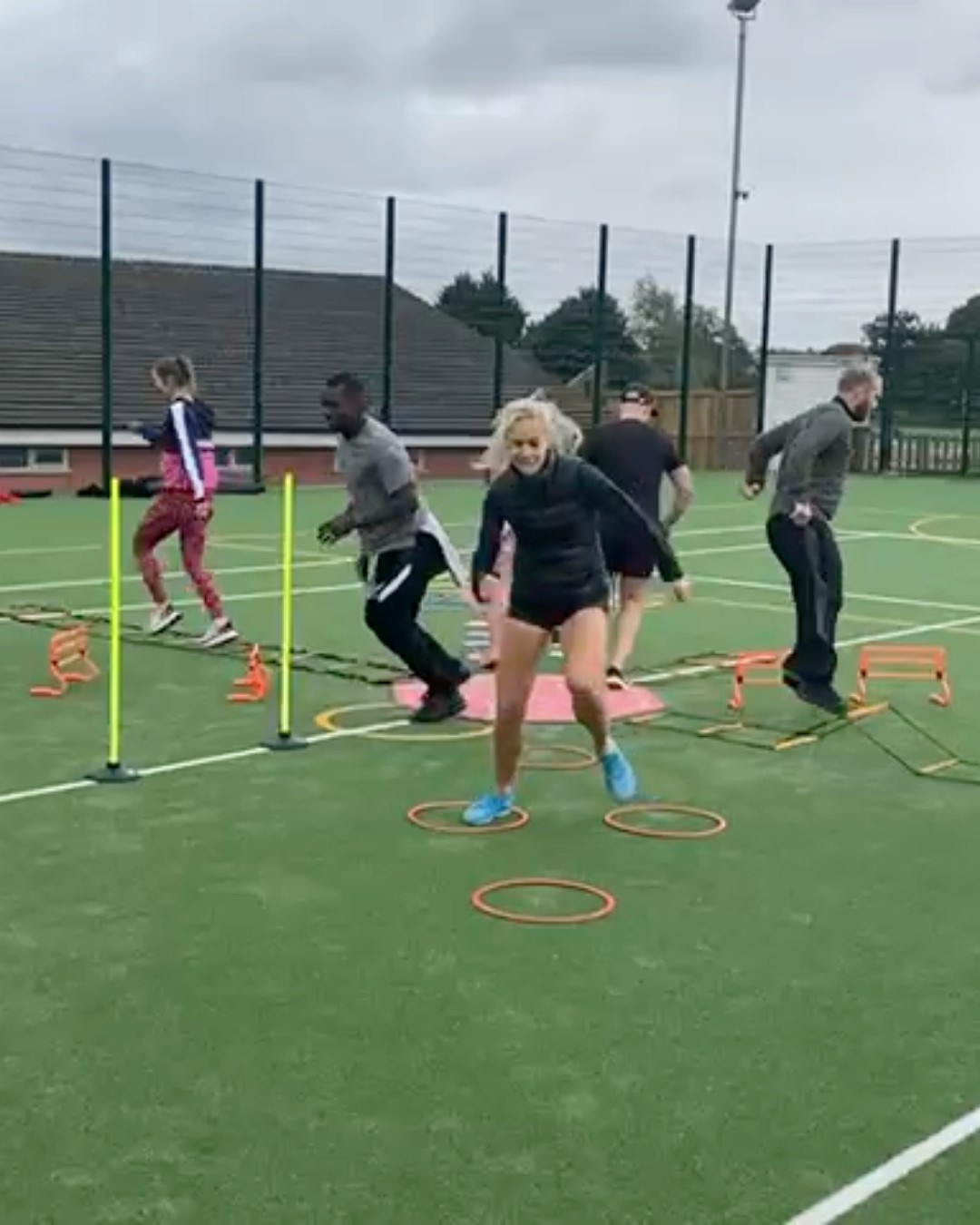
In short: Schema Theory, put forward by Richard Schmidt in 1975, says a client doesn't store a separate memory for every version of a movement they've done. Instead they build one generalised motor programme, a schema, out of the initial conditions, what they told their body to do, what it felt like, and what actually happened. That schema is what lets a client who's only ever squatted with a light dumbbell on flat ground still manage a squat on a balance board or with a heavier bar, adjusting on the fly instead of learning the new version from nothing. Skill-Driven Mobility Coach teaches this as one of two theories of motor learning, and it means a trainer's job is building the pattern, not drilling every variation of it one at a time.
The question a client's progress answers
Not "has this client done this exact exercise before," but "has this client built the pattern underneath it." Skill-Driven Mobility Coach teaches Schema Theory as one of two explanations for how a client learns to move, and it's the one that explains something every trainer has seen and never quite had words for: a client who's only ever squatted with a light dumbbell on flat ground can still manage a squat on a balance board they've never stood on.
One stored pattern, not one memory per version
Richard Schmidt's 1975 theory says a client doesn't file away a separate memory for every squat they've ever done. They build a single generalised motor programme, a schema, and the course is specific about what goes into it: the starting conditions, what the client told their body to do, what it felt like as it happened, and what the outcome was. Those four, practised and fed back often enough, become flexible enough to adjust to a task the client has never faced in that exact shape before.
Why the balance board doesn't start from zero
The course's own example is the clearest version of this. A client who's built a squat schema on flat ground with a dumbbell isn't starting from nothing when they step onto a balance board or pick up a heavier bar. The schema adjusts itself to the new specifics, because a different surface and a different load are still variations inside the pattern already learned, not a new movement to be taught from scratch.
What this changes about coaching
A trainer drilling every variation of an exercise one at a time is treating each one as a separate skill. A trainer who's built the underlying pattern properly, with real feedback on what it felt like and what happened, has given a client something that transfers to versions of the movement nobody planned for. Same practice time, a different return on it.
What to do next
Skill-Driven Mobility Coach, £600, teaches Schema Theory alongside its sibling, Dynamic Systems Theory, as the two ways motor skill learning works. PT Manager's exercise generator runs on the same idea inside the software: 1,392 filmed movements filtered by the pattern they share, so a client's next variation is never a new skill built from nothing. It opens free the moment a trainer signs up with any FASTER course.
The FASTER Journal shares the next teaching point first. Sign up at /newsletter and it arrives the moment it's ready.
You just read one answer. The course is all of them.
Skill-Driven Mobility Coach — where this is taught in full — taught by the people who wrote it, with free return access for life. The price is on the page, payment plans at checkout, no sales calls.
Also worth a look: PT Manager's exercise generator, free with any FASTER course.
See what the course covers →Frequently asked
Does a client need to practise every version of an exercise separately?
No, that's the point Schema Theory makes. Once the underlying pattern is built, a client can adjust it to a new weight, surface or environment without starting from nothing each time.
What four things does the theory say get stored?
The starting conditions, what the client told their body to do, what it felt like as it happened, and what the actual outcome was. Those four together are what let the schema adjust next time.
Does finishing the course open PT Manager?
Yes. PT Manager opens the moment you sign up with FASTER, and adding real clients unlocks once you pass a course.
Reading this for your own training? Every trainer on the FASTER register has been assessed by us — search by town or speciality, free.
Find a FASTER trainer →