Coaching & Programming
Finding Research Is A Skill You Can Learn Even If You Cannot Remember It All, And A FASTER Specialist Course Teaches It From Crappy Evidence To Awesome
From the FASTER syllabus: this article is taught in full in The specialist course where finding the research is taught →
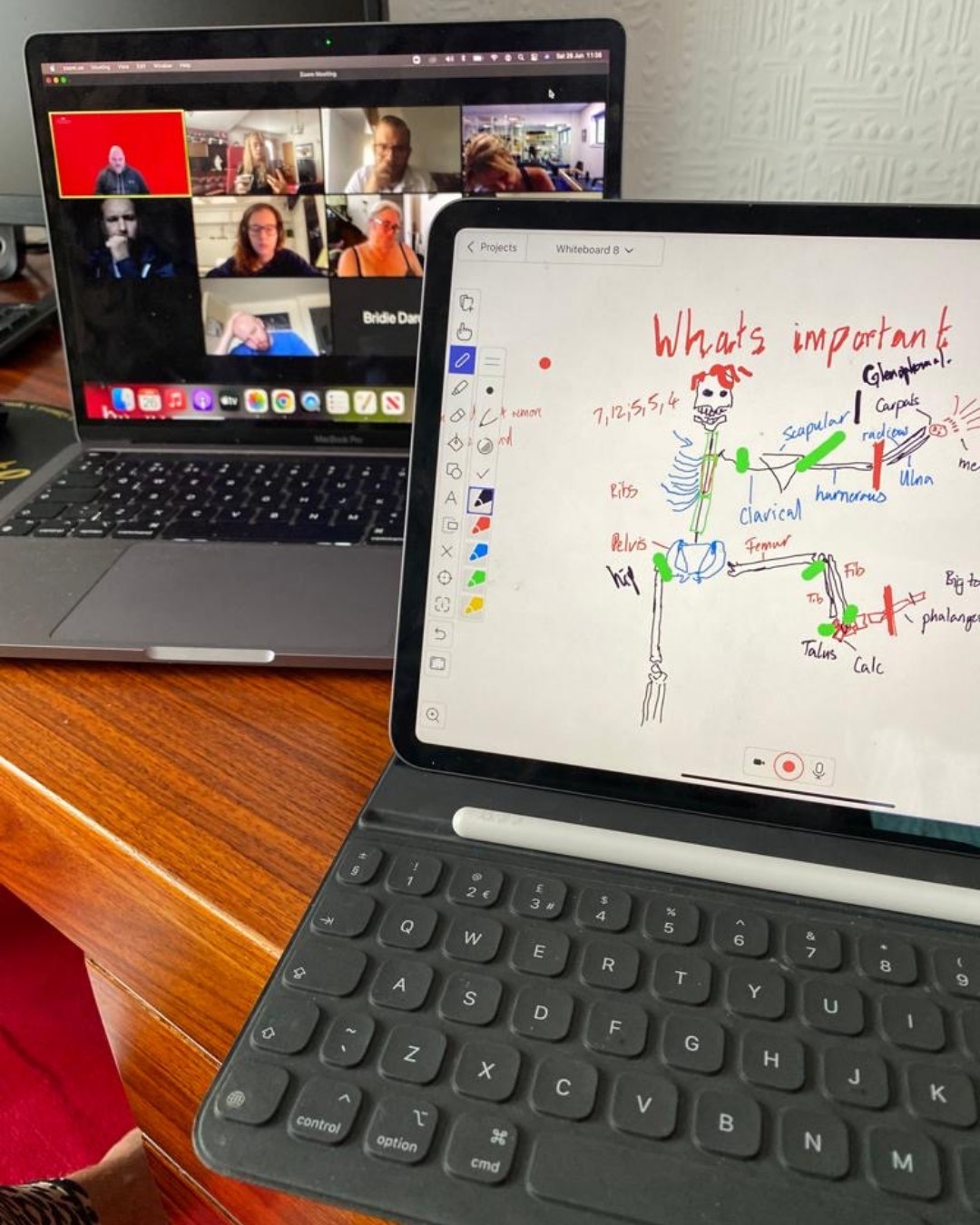
In short: A FASTER specialist course teaches trainers to find information without having to remember it all. Everyone calls themselves evidence based, but the evidence behind that can be anything from a bloke down the pub to a PhD scientist. The course ranks sources from crappy (a chat with a friend, gurus, guru books, tweets) through better (review papers, single papers, a body of evidence, peer reviewed work) to awesome, and asks trainers to check the question for bias, whether the study is on humans, citations, author credibility, the journal, the age of the study and the number of participants. Everything goes in a personal library, and the filtering happens when a decision has to be made.
The short version
Finding good research is a skill you can learn, and you do not need an academic background or a memory like a filing cabinet to do it. One of our specialist courses teaches you to ask a good question, look in the right places, rank what you find, and save it in a personal library so it is there when you need it. You make the decision at the moment it matters, with the evidence in front of you.
Key Takeaways
- Everyone says they are evidence based. The course asks which level of evidence sits behind the claim.
- Sources run from crappy to awesome, and a few quick checks tell you where a study sits.
- Save everything in your own library. Filter it when you have a decision to make.
Everyone is evidence based
The lesson opens with a line that makes most trainers smile. Everyone seems to be an evidence based trainer these days. What they mean is that they have a level of evidence they see as the answer to a problem. The course says that could be anything from a bloke down the pub to a PhD research scientist.
So the useful move is to ask what sort of evidence it is. That is a friendlier habit than arguing about who is right.
Where to ask
The course sets out three places to ask the same question: Dr Google, YouTube or Instagram, and PubMed and Google Scholar. It names the last one as where evidence should come from. The question stays the same, and the level you ask it at changes.
From crappy to awesome
The course lists the levels in plain words.
Crappy: a chat with a friend or family member, gurus and their opinions ("I've seen it mate"), books written by gurus, and books, blogs or tweets by scientists.
Better: science review papers, a single research paper, a body of evidence with lots of papers (with a warning that the papers could be cherry picked), classic papers specific to your question, and peer reviewed PhD work alongside a body of evidence.
Awesome sits above all of those.
Nothing is thrown out. A chat with a friend can still give you an idea worth looking up. The list tells you how much weight to put on it.
Four quick checks before you trust a study
The course gives you a short list of things to look out for when you start searching.
- The question should not carry bias. The course's own example is asking whether foam rolling improves hamstring flexibility, where the word "improves" already leans one way.
- Check it was a study on humans. Animals do not count unless you train dogs.
- Look at how many times it has been cited, who wrote it, and the impact factor of the journal.
- Look at the age of the study, how many people took part, and whether the experiment matches your question.
Keep it in a library, decide later
Here is the part that makes it workable for a busy trainer. You do not have to remember what you read. Save it all in your personal library. All levels of evidence are welcome in there, and the filtering happens when you need to make a decision for a client. The words you write about it are your own, because the aim is for you to have the knowledge.
Research is about finding the best question and then the best fit group of evidence to help you make a decision. The course shortens the time it takes to learn that.
Where PT Manager fits
PT Manager, our free software, opens the moment you sign up with FASTER, so you can explore and set it up in your name straight away. Adding real clients unlocks the day you pass a course. Two routes in: new to the industry, the Level 2 and Level 3 course gives you PT Manager from the start of a career. Already qualified, the Movement Coach course or anything above brings you in without repeating Level 2/3. Take a look at PT Manager, and read about the Injury Recovery to Performance specialist course, where finding the research is taught.
The course is visual, interactive and multi-modal, so you can learn by listening, reading, writing answers or dictating them.
Frequently asked questions
What does evidence based mean for a trainer?
The course says it can mean anything from a bloke down the pub to a PhD scientist, so the useful question is which level of evidence sits behind the claim.
Where does the course say to look?
PubMed and Google Scholar, rather than Dr Google, YouTube or Instagram.
What should I check in a study?
Whether the question is biased, whether it was on humans, how often it was cited, the author, the journal, the age of the study and the number of participants.
Do I have to remember all of it?
No. You save it in a personal library and filter it when you have a decision to make.
The FASTER Journal shares the next teaching point first. Sign up at /newsletter and it arrives the moment it is ready.
You just read one answer. The course is all of them.
The specialist course where finding the research is taught — taught by the people who wrote it, with free return access for life. The price is on the page, payment plans at checkout, no sales calls.
Also worth a look: PT Manager, free with any FASTER course.
See what the course covers →Frequently asked
What does evidence based mean for a trainer?
The course says it can mean anything from a bloke down the pub to a PhD scientist, so the useful question is which level of evidence sits behind the claim.
Where does the course say to look?
PubMed and Google Scholar, rather than Dr Google, YouTube or Instagram.
What should I check in a study?
Whether the question is biased, whether it was done on humans, how often it has been cited, the author's credibility, the journal, the age of the study and the number of participants.
Do I have to remember all of it?
No. You save what you find in a personal library and filter it when you need to make a decision.
Does the course reject low-level evidence?
No. All levels go in the library. The filtering happens at the moment of the decision.
Reading this for your own training? Every trainer on the FASTER register has been assessed by us — search by town or speciality, free.
Find a FASTER trainer →