Workouts & Exercises
Hold Still, Then Move Fast, And A Plank Does Two Jobs In One Block
From the FASTER syllabus: this article is taught in full in Movement Trainer (AFT), £375 — the Skeletons and Blocks system in full →
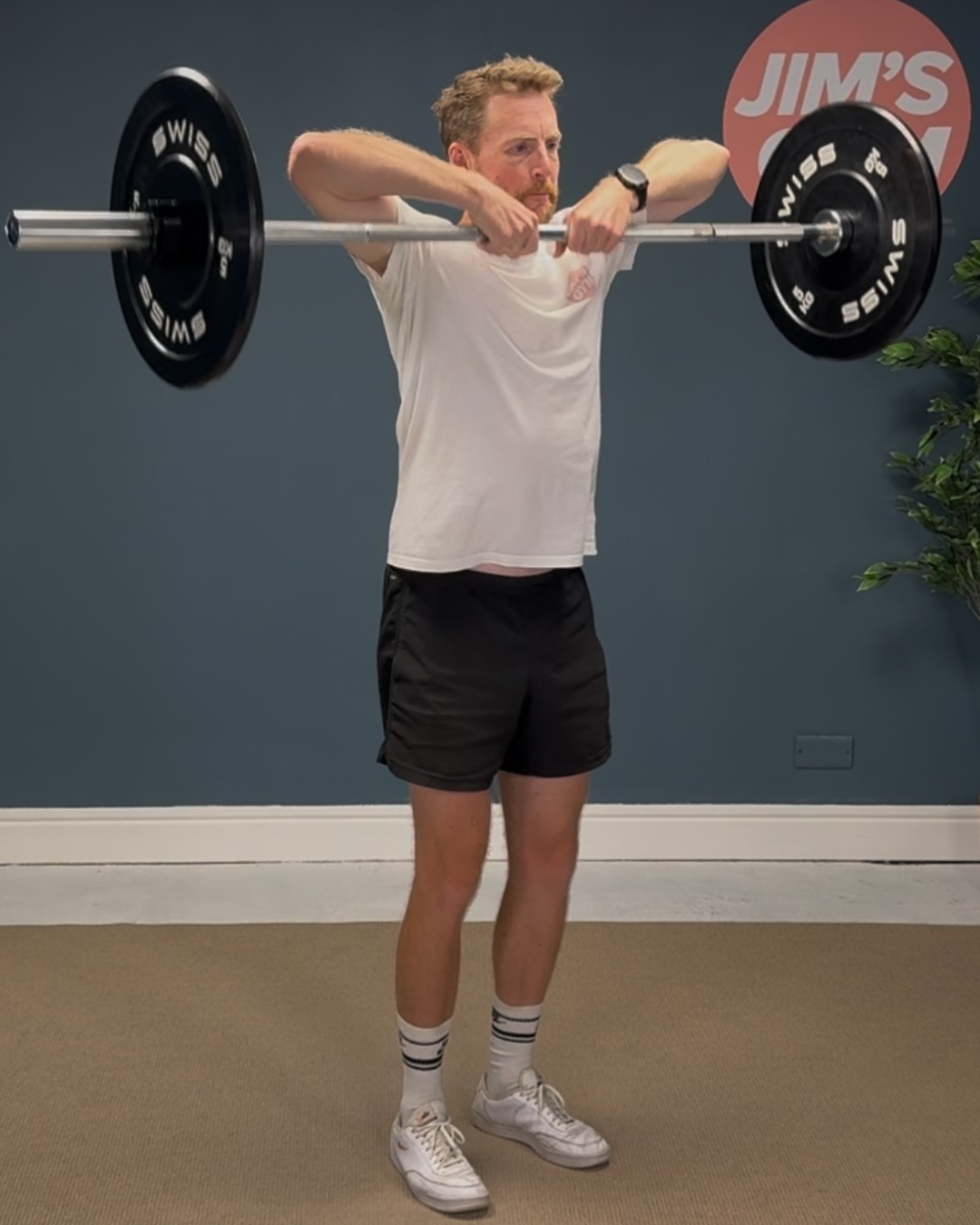
In short: An Isometric-Integration Block is one of the named blocks inside Movement Trainer's Skeletons and Blocks system: blend a static hold with a dynamic movement, alternating between the two with no rest at all. The course's own worked example is a thirty-second plank hold, straight into ten plank-to-push-ups, straight into thirty seconds of mountain climbers, back to the hold, no gap anywhere in the sequence. The point isn't variety for its own sake. A hold trains the ability to stay rigid under load; a dynamic movement trains the ability to produce force through a range. Most programming puts one on a Monday and the other on a Thursday. This block asks for both from the same muscles inside the same sixty seconds, which is closer to what actually holding a position together while moving asks of a body in real life.
Two things programming usually keeps apart
A static hold and a fast dynamic movement tend to end up in different sessions, trained by different logic, because they feel like different skills. Movement Trainer's Skeletons and Blocks system has a named block that refuses the split: the Isometric-Integration Block asks for both from the same muscles, back to back, with nothing in between.
What the block says to do
The worked example is specific rather than general. A thirty-second plank hold. Straight into ten plank-to-push-ups. Straight into thirty seconds of mountain climbers, which have their own answer to what muscles are actually working. Then straight back to the hold. Three exercises, and the instruction that makes the block what it is sits in four words at the end: no rest at all.
Why the missing rest is the whole point
Take the rest out of a Contrast Training Block and the mechanism it's built around disappears. Take the rest out of an Isometric-Integration Block and the mechanism appears. A hold trains the ability to stay rigid under a fixed load. A dynamic movement trains the ability to produce force through a changing one. Programme them separately and a client gets good at each in isolation, which is not the same skill as staying braced while the demand on that brace keeps changing, which is closer to what a body is actually asked for outside a gym.
What a trainer programmes
The exercises are a trainer's call, chosen for the client and the goal in front of them, the same way every block in the system is a shape to fill rather than a script handed down unchanged. What doesn't change is the join: hold into movement into hold, with the brace never allowed to switch off between them. Swap in a side plank instead of a front one, or a shoulder tap instead of a push-up, and the block still works, because the shape it's built on is the transition, not the specific exercise sitting either side of it.
What to do next
Movement Trainer (AFT) is £375, and the Skeletons and Blocks system this block belongs to covers the rest of the shapes a trainer needs, alongside building the skeleton they all sit inside. The price is on the page, there are no sales calls, and PT Manager opens the moment you sign up.
The FASTER Journal shares the next teaching point first. Sign up at /newsletter and it arrives the moment it's ready.
You just read one answer. The course is all of them.
Movement Trainer (AFT), £375 — the Skeletons and Blocks system in full — taught by the people who wrote it, with free return access for life. The price is on the page, payment plans at checkout, no sales calls.
Also worth a look: PT Manager's programme builder, free the day you pass a course.
See what the course covers →Frequently asked
Why no rest at all in an Isometric-Integration Block?
Because the point is training the transition itself, staying braced while the exercise changes underneath that brace, and a rest breaks the exact thing the block is testing.
Is this the same as just doing a plank and then some mountain climbers?
Only if the brace never lets go between them. The block is the seamless hold-to-move-to-hold sequence, not two separate exercises that happen to share a session.
Does Movement Trainer connect to PT Manager?
Yes. Passing Movement Trainer (AFT) opens the full programme builder inside PT Manager, so a block built once, with its rest set to zero on purpose, gets saved exactly as written and reused across every client whose goals call for it.
Reading this for your own training? Every trainer on the FASTER register has been assessed by us — search by town or speciality, free.
Find a FASTER trainer →