Workouts & Exercises
Rest One Minute After A Heavy Lift, And The Jump That Follows Gets Stronger
From the FASTER syllabus: this article is taught in full in Movement Trainer (AFT), £375 — the Skeletons and Blocks system in full →
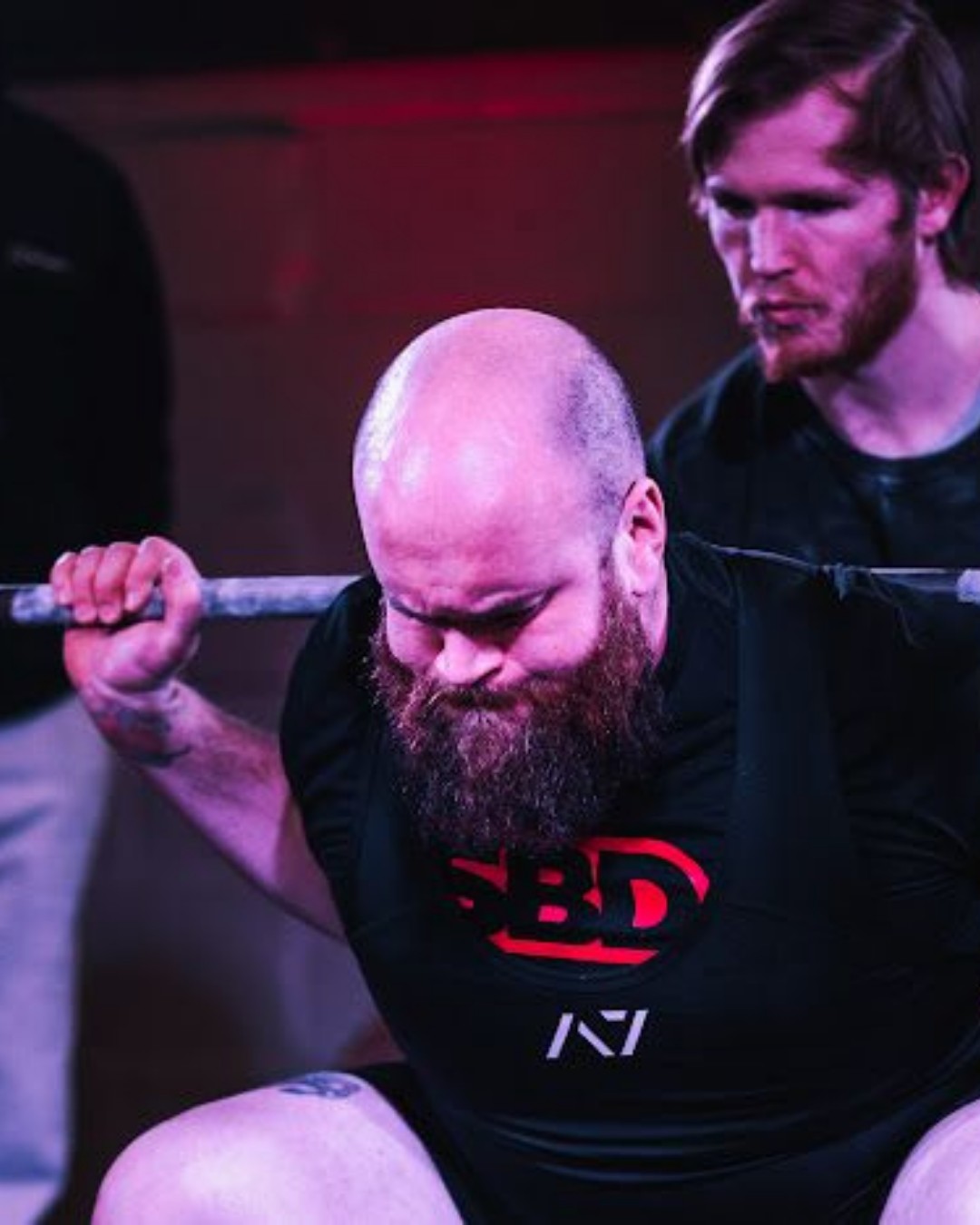
In short: A Contrast Training Block is one of the named blocks inside Movement Trainer's Skeletons and Blocks system: a heavy strength exercise paired with a plyometric one to exploit the post-activation potentiation effect, where a heavy lift primes the nervous system to produce force faster right afterwards. The course's own worked example is five heavy squats, a one-minute rest, five box jumps, then two to three minutes before the whole pair repeats. The rest is deliberately two different lengths for two different jobs: the short rest inside the pair keeps the priming effect alive for the jump, and the longer rest between repeats lets the heavy lift recover before it's asked to prime the nervous system again. Get the order or the timing wrong and the block just becomes two exercises done near each other.
A heavy lift can make the next jump better, not worse
The instinct is that a heavy set leaves a client too fatigued to jump well straight afterwards, so the two get put on separate days. Movement Trainer's Skeletons and Blocks system has a named block built on the opposite idea: a heavy lift, timed right, primes the nervous system to produce force faster on the very next explosive movement. The course calls the mechanism by its name, the post-activation potentiation effect, and gives it its own block: Contrast Training.
What the block says to do
The worked example is specific rather than general. Five heavy squats. A one-minute rest. Five box jumps. Then two to three minutes before the whole pair repeats. Two exercises, and two rest periods of two different lengths sitting either side of them, which is the part that's easy to miss if a trainer reads it as "squats then jumps" and skips straight past the timing.
Why the rest is in two pieces
Each rest is doing a different job. The one-minute rest between the squats and the jumps is short on purpose, because the priming effect the heavy lift creates fades with time, and resting too long just gets a tired client with none of the benefit. The two-to-three-minute rest between repeats of the pair is a different problem: it's there so the heavy lift itself has enough recovery to be heavy again next time, rather than a client grinding out a second best-effort squat on legs that never fully recovered from the first. Get either length wrong and the block collapses into two exercises done near each other, which is not the same block at all.
What a trainer programmes
The exercises stay a trainer's call, built for the client and the goal in front of them, the same way every block in the system is a shape to fill rather than a script to copy. Two things don't change: the order, heavy first and explosive second, never the other way round, because reversing it removes the exact mechanism the block exists for, and the two different rest lengths either side of the pair, which are the actual engineering behind why it works.
What to do next
Movement Trainer (AFT) is £375, and the Skeletons and Blocks system this block belongs to covers the rest of the shapes a trainer needs, alongside building the skeleton around them. The price is on the page, there are no sales calls, and PT Manager opens the moment you sign up.
The FASTER Journal shares the next teaching point first. Sign up at /newsletter and it arrives the moment it's ready.
You just read one answer. The course is all of them.
Movement Trainer (AFT), £375 — the Skeletons and Blocks system in full — taught by the people who wrote it, with free return access for life. The price is on the page, payment plans at checkout, no sales calls.
Also worth a look: PT Manager's programme builder, free the day you pass a course.
See what the course covers →Frequently asked
Does the one-minute rest have to be exactly a minute?
No, the course gives it as a working number rather than a rule with no room in it — the point is that the rest is short enough to keep the priming effect alive for the jump, not long enough to let it fade.
Why not just do the box jumps first, before the client is tired?
Because the heavy lift is what does the priming. Reversing the order removes the exact mechanism the block is built around, leaving two ordinary exercises done next to each other instead of one that helps the other.
Does Movement Trainer connect to PT Manager?
Yes. Passing Movement Trainer (AFT) opens the full programme builder inside PT Manager, so a block built once, rest lengths and all, can be saved and reused across every client whose goals call for it.
Reading this for your own training? Every trainer on the FASTER register has been assessed by us — search by town or speciality, free.
Find a FASTER trainer →