
Workouts & Exercises
Kit Doesn't Create Exercises, Force Does, And That's Why You Never Run Out
From the FASTER syllabus: this article is taught in full in Movement Trainer (AFT) — where the full tool classification is taught →
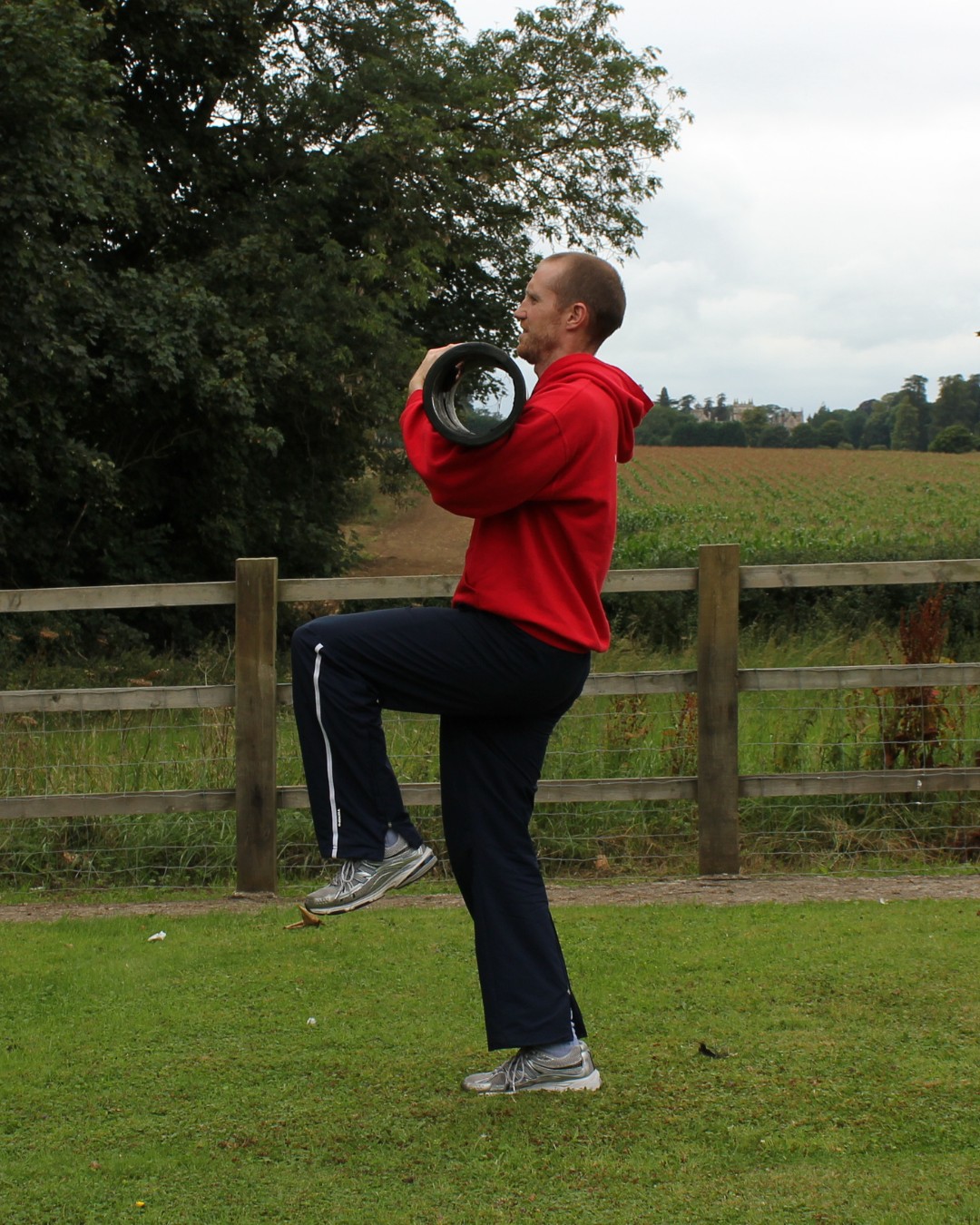
In short: Movement Trainer teaches trainers to read equipment by the job it does to the body rather than its name: gravity-enhancing or gravity-reducing tools (dumbbells, barbells, cable machines, suspension trainers) change how much mass acts straight down on the client, momentum-loading tools (kettlebells, medicine balls, the core momentum trainer) let force run in a more horizontal plane, and ground reaction tools (foam triangles and core boards on the predictable side, wobble boards and BOSUs on the random side) change how the floor reacts underfoot. A single kettlebell can sit in more than one of those categories depending on how it's used, which is why a trainer who reads force, not brand, never runs out of exercises for whatever's actually in the room.
The question this actually answers
Not "what equipment should I buy," but "what is this piece of equipment actually doing to my client's body." Movement Trainer sorts every tool in the room into what job it does, not what it's called, and once a trainer can read the job instead of the name, the same kettlebell in the corner is three different tools depending on what's asked of it.
Three jobs, not three shopping lists
Gravity-enhancing or gravity-reducing. Dumbbells, barbells, medicine balls, a ViPR, a powerbag, a cable machine, a tyre, a sled and a kettlebell all increase how much mass is acting straight down on a client. A cable machine, an assisted pull-up machine or a suspension trainer can do the opposite, taking load away in the same vertical line. The course is direct about the trade: gravity tools "offer an advantage over momentum training tools as they allow for more load."
Momentum-loading. The same dumbbells, kettlebells, barbells, medicine balls, ViPR, powerbag and cable machine, plus a core momentum trainer, magnify the momentum a moving limb already has. The course's own distinction is the plane: momentum tools "offer a resistance in a more horizontal plane of motion" that a straight-down gravity load never asks for.
Ground reaction. Foam triangles, a core board, sand bells and even a kettlebell placed underfoot change the floor predictably. Wobble boards, a BOSU and a sand bell used the other way change it randomly. Same category, opposite demand: one rehearses a known instability, the other reacts to one that changes every rep.
Why the same kettlebell shows up twice
A kettlebell is listed under gravity-enhancing and under momentum-loading, and that's not a mistake in the list, it's the point. Held still and pressed overhead, it's a straight-down gravity load. Swung through an arc, the same kettlebell is magnifying momentum in a horizontal plane instead. Nothing about the kettlebell changed. What it's being asked to do changed, and that's the only thing that decides which job it's doing.
The fear this actually answers
A trainer who learned exercises from one tool company's course knows the moves that company photographed, and not much past that. Trainers should not be fenced into exercises from books and training tool companies. Reading force instead of brand changes what's available in any gym: the sled, the tyre and the kettlebell in the corner are already enough to build a full session, because the job a tool can do was never limited to the one exercise it was photographed doing in a catalogue.
What to do next
Movement Trainer (AFT), £375, teaches the full classification alongside programme blocks and the skills that sit above it. PT Manager's exercise generator runs the same idea inside the software: 1,392 filmed movements filtered by what they actually do, not by which company's logo is on them, and it opens free the moment a trainer signs up with any FASTER course.
The FASTER Journal shares the next teaching point first. Sign up at /newsletter and it arrives the moment it's ready.
You just read one answer. The course is all of them.
Movement Trainer (AFT) — where the full tool classification is taught — taught by the people who wrote it, with free return access for life. The price is on the page, payment plans at checkout, no sales calls.
Also worth a look: PT Manager's exercise generator, free with any FASTER course.
See what the course covers →Frequently asked
Do I need three sets of equipment to use this?
No — the point is the opposite. A kettlebell already appears in the gravity-enhancing list and the momentum-loading list, so the same single item does different jobs depending on how it's swung, carried or pressed.
What if a gym only has dumbbells and a mat?
Dumbbells cover gravity-enhancing on their own, and a mat is enough to ask a client to stand on one leg, which starts doing the job of a ground reaction tool. The room doesn't need more kit, it needs a trainer who can read what the kit already there is doing.
Does this connect to PT Manager?
Yes. PT Manager's exercise generator is built on the same idea — filtering a growing library of filmed movements by what they actually do, not by brand name.
Reading this for your own training? Every trainer on the FASTER register has been assessed by us — search by town or speciality, free.
Find a FASTER trainer →