Coaching
Let The Client Score Their Squat Out Of Ten, Then Coach The Ten They Have In Mind
From the FASTER syllabus: this article is taught in full in The specialist course where Coach a 10 is taught →
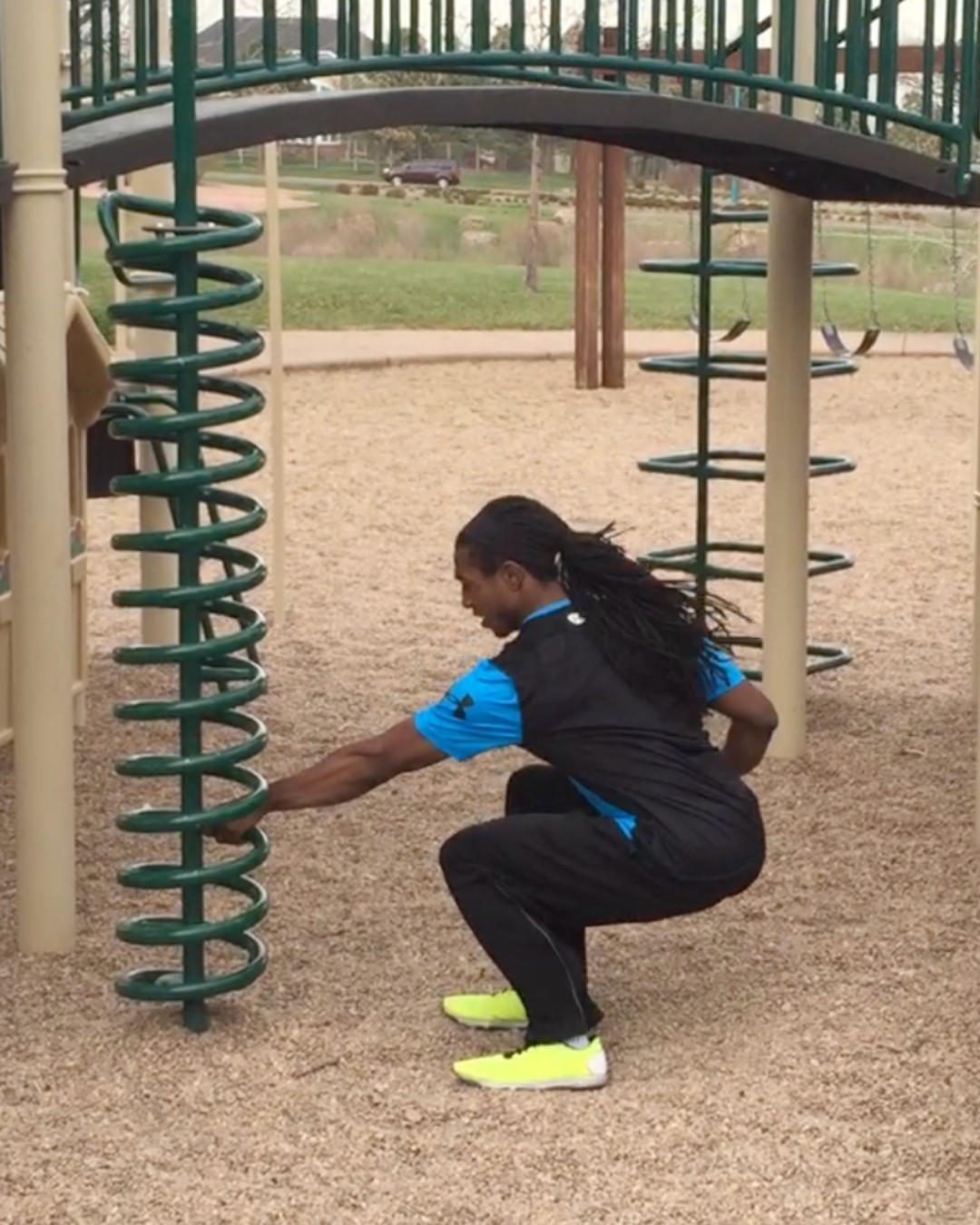
In short: Coach a 10 is a four-step structure from a FASTER specialist course. Step one, the client does the movement, for example a squat. Step two, the client scores it from 1 to 10 for themselves. Step three, the trainer narrows the focus with encouragement, made-up scenarios or fun reasons to improve it, using humour and value, distraction or peril. Step four, hands on to feel the movement, is the last resort. The trainer gets honest feedback from the client's own scale, and it works as a playful tool for a session. Some clients suit words instead of numbers, which the trainer decides by reading the client.
The ten belongs to the client
A trainer watches a squat and sees one thing. The client felt something else. The Injury Recovery to Performance Specialist course has a lesson for closing that gap, and it is called Coaching a 10.
The line the lesson opens on does the heavy lifting: this is the ten for them, so what does a ten feel like to them?
The four steps
The course gives a structure for it.
- Get them to do the move. A squat, a swing, a golf swing, whatever the goal looks like.
- Get them to score it from 1 to 10. Their number, their scale.
- Narrow the focus. Words of encouragement, made-up scenarios or fun reasons to improve it.
- Hands on to feel the movement. The course marks this as the last resort, something like a spot on a final rep.
If the client says five, the trainer now has a real number to work with and a list of coaching ideas to lift it.
Step three is where the fun lives
The lesson gives three flavours for narrowing the focus, and they are properly playful.
- Humour and value. You are on a television programme and you could win a speedboat.
- Distraction. Do the squat and tell me your five favourite films.
- Peril. If you do not get this score, you are getting sprayed with my water bottle.
The course calls the whole thing a cool experience to take a client through. The trainer gets valuable feedback, and the session gets friendly banter and camaraderie. Nobody has to be told their squat is wrong, because nothing in the structure says so.
Numbers or words
Some clients do better with words instead of numbers. The lesson says it depends on how you read the client and what kind of personality they have. That reading is the skill, and the structure is the scaffold around it.
Where the ten sits in a bigger picture
The same lesson places this at the start of the client's journey, in the isolation end of what the course calls the sleeve of rehab, and at the other end of the continuum it looks like the goal itself, the golf swing, the kick, the squat. As the variables widen and then narrow towards the goal, the coaching ten travels with the client.
It also reminds trainers that skill is only part of it. A client can have the skill and still run out of energy to repeat it, in the way a golfer might feel great over the first nine holes and tire on the back nine.
Seeing the ten as well as hearing it
A client's score tells you how it felt. PT Manager's live skeleton tracking shows what the body is doing at the same moment, so the number and the picture can sit side by side. That is today's third post.
PT Manager opens the moment you sign up with FASTER, and adding real clients unlocks when you pass a course. Read more about the Injury Recovery to Performance Specialist course, or see PT Manager.
The FASTER Journal shares the next teaching point first. Sign up at /newsletter and it arrives the moment it's ready.
You just read one answer. The course is all of them.
The specialist course where Coach a 10 is taught — taught by the people who wrote it, with free return access for life. The price is on the page, payment plans at checkout, no sales calls.
Frequently asked
What is Coach a 10?
A four-step structure where the client does a movement, scores it from 1 to 10 themselves, and the trainer coaches towards the client's own ten.
Why let the client score it?
It gives the trainer honest feedback in the client's own terms, and it works as a friendly, playful part of a session.
Do I have to use numbers?
No. The course says some clients suit words instead of numbers, and the trainer decides by reading the client.
Reading this for your own training? Every trainer on the FASTER register has been assessed by us — search by town or speciality, free.
Find a FASTER trainer →