Coaching & Mindset
Some clients aren't 'just flexible'. They were taught to move well, and that is a skill you can coach too
From the FASTER syllabus: this article is taught in full in the Skill Driven Mobility Coach course is £600 →
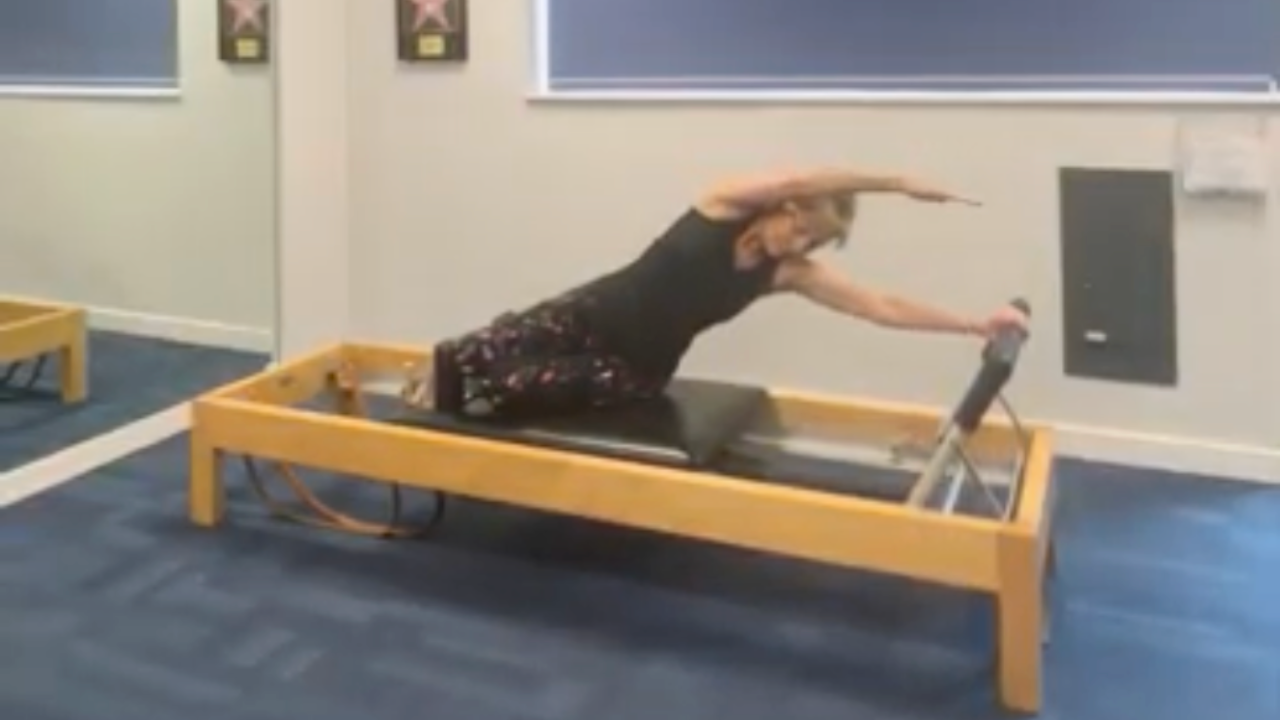
In short: Mobility is joint range a client learns to control and use, a taught motor skill rather than a genetic gift. The Skill Driven Mobility Coach course teaches the hands-on technique to build it, using the same field-based biomechanics knowledge a trainer already has.
The short version
Mobility is joint range a client has learned to control and use under their own strength, not a trait handed out at birth. Somewhere in the industry that got flattened into "some bodies just have it," which is a tidy way of letting a coach off the hook for actually teaching the skill.
Key Takeaways
- Mobility is a taught motor skill: active range a client controls, not passive range a coach forces on them.
- "Just flexible" is a story the industry tells instead of coaching the skill properly.
- Skill Driven Mobility Coach builds the hands-on technique on Motor Skill Development Theory, and the PT Manager lets a client watch their own range change over time.
The "gifted" story
Call it the call-to-nature fallacy in a leotard. A client who moves beautifully gets filed under "naturally gifted," as if their hips came pre-assembled that way, while everyone else gets told to buy a foam roller and hope. Genetics sets a range. What a client does inside that range, and how much of it they can actually reach under load, is a skill, and skills get taught.
What the specialist course actually builds
Skill Driven Mobility Coach takes the joint and bone knowledge a trainer already has from Field-Based Biomechanics and turns it into hands-on technique: gentle touch, guided control, and stability work built on Motor Skill Development Theory. It is the difference between telling a client to stretch and giving them a way to actually own the range once they have it.
Playing it down is not underselling the course. A trainer who treats mobility as a coachable skill stops apologising for a client's hips and starts building the range instead.
Why touch and control beat a stretch and a timer
A static stretch held for thirty seconds teaches a joint almost nothing about controlling itself. Active, hands-on coaching teaches the nervous system to trust a new range under its own strength, which is why a client can hold a deep squat in one session and lose half of it walking out the door. Skill Driven Mobility Coach is built around closing that gap, one guided rep at a time.
Watching the range actually change
Because seeing beats being told, the PT Manager earns its keep here too. Film a client's active range this month, film it again next month, and play the two clips side by side. A trainer and a client both watch the joint travel further under its own control, proof rather than a compliment.
Learn to build it, not just admire it
Skill Driven Mobility Coach is £600 and turns a trainer's existing biomechanics knowledge into a hands-on skill clients can feel working. The PT Manager opens the day of sign-up, ready to film the first session.
The FASTER Journal shares the next teaching point first. Sign up at /newsletter and it arrives the moment it is ready.
You just read one answer. The course is all of them.
the Skill Driven Mobility Coach course is £600 — taught by the people who wrote it, with free return access for life. The price is on the page, payment plans at checkout, no sales calls.
Also worth a look: film a client's active range and watch it change, week to week, in the PT Manager.
See what the course covers →Frequently asked
Is mobility something you either have or don't?
No. Mobility is joint range a client has learned to control and use under their own strength, not a fixed trait they were born with. It is a motor skill, and motor skills are coachable.
What does the Skill Driven Mobility Coach course actually teach?
Hands-on technique built on Motor Skill Development Theory, using the same bone and joint knowledge from Field-Based Biomechanics and turning it into a usable, repeatable skill a trainer can deliver session to session.
How does the PT Manager help with mobility work?
It lets a trainer film a client's active range and replay it beside an earlier session, so the improvement is something both of them can actually see, not just something the client is told to believe.
Reading this for your own training? Every trainer on the FASTER register has been assessed by us — search by town or speciality, free.
Find a FASTER trainer →