Business & Clients
PT Manager's Live Skeleton Shows The Squat While The Client Tells You What It Felt Like
From the FASTER syllabus: this article is taught in full in PT Manager, free with any FASTER course →
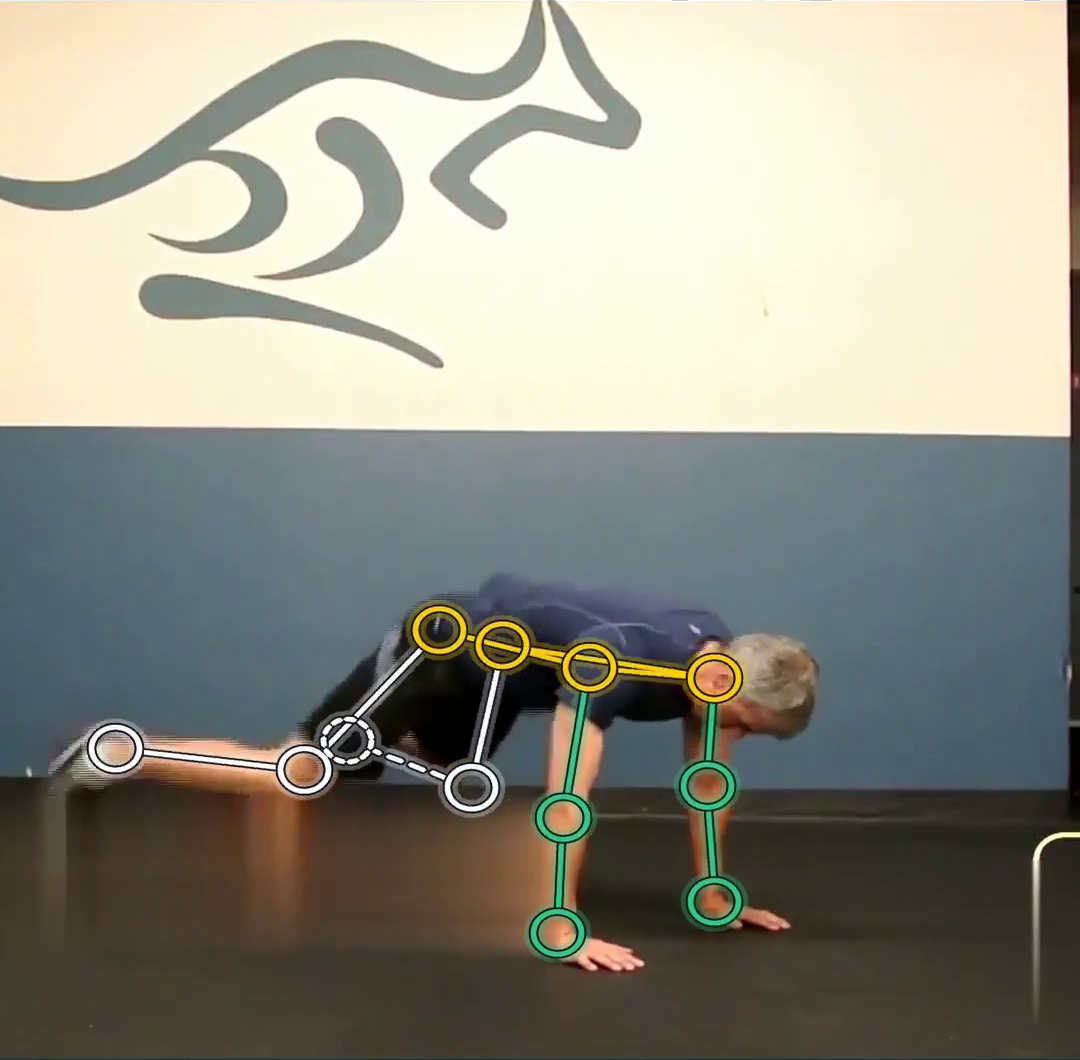
In short: Today's first post explained the motor unit from the Level 3 anatomy unit, and today's second covered Coach a 10, where a client scores their own movement from 1 to 10. PT Manager's Live analysis lets a trainer mount a phone and coach live: a skeleton is laid over the client and tracked in real time, with reps, joint angles and depth readable from a few metres away. It sits beside the client's own score, so the trainer hears what it felt like and sees what the body did. PT Manager opens when a trainer signs up with FASTER, and adding real clients unlocks when they pass a course.
Two things a trainer wants in the same moment
Today's first post was for someone thinking about becoming a trainer, and it explained the motor unit in three plain steps. The second came from the Injury Recovery to Performance Specialist course: a client scores their own squat out of ten and the trainer coaches towards that ten.
Both are about the same moment in a session. The client has just moved, and the trainer wants to know what happened.
The score, and the picture
A client's number says how the movement felt. What the body did is a separate piece of information, and a trainer is always working from both.
PT Manager's Live analysis gives the second one in real time. Mount a phone, and a skeleton is laid over the client and tracked as they move, with reps, joint angles and depth readable from a few metres away. Side-on works best for squats and hinges.
What it looks like in use
A client squats and says six. The trainer glances at the skeleton while the client is still standing there. The angle at the knee, the depth and the rep count are on the screen. The two pieces fit together, and the next coaching idea comes from both.
There is nothing to film, upload and scrub through afterwards. It happens during the set, when the client can still do something about it.
Seeing beats describing
FASTER trainers learn to see movement and describe it as if it is normal. The skeleton helps that eye along. It marks what the joints are doing, and the trainer decides what it means for this client and their goal.
Signing up and passing are still different moments
PT Manager opens the moment someone signs up with any FASTER course, so a trainer can explore and build in their own name straight away. Adding real clients unlocks the day a course is passed. It is free, and nobody takes a cut of your sessions. Read more about the Injury Recovery to Performance Specialist course, where today's second post comes from, or see PT Manager. Today's first post is here.
The FASTER Journal shares the next teaching point first. Sign up at /newsletter and it arrives the moment it's ready.
You just read one answer. The course is all of them.
PT Manager, free with any FASTER course — taught by the people who wrote it, with free return access for life. The price is on the page, payment plans at checkout, no sales calls.
Also worth a look: Injury Recovery to Performance Specialist, today's second post in full.
See what the course covers →Frequently asked
What does Live analysis do?
It lays a skeleton over the client through the phone's camera and tracks the joints in real time, with reps, joint angles and depth.
Does it replace the client's own score?
No. The client's score says how it felt and the skeleton shows what the body did, and the trainer uses both.
Do I need a course to use it?
PT Manager opens the moment you sign up with FASTER. Adding real clients unlocks once you pass a course.
Reading this for your own training? Every trainer on the FASTER register has been assessed by us — search by town or speciality, free.
Find a FASTER trainer →