
Become a Personal Trainer
The Nutrition Unit In Level 3 Starts With Three Fuels And One Idea That Makes Sense Of The Whole Thing
From the FASTER syllabus: this article is taught in full in The honest route from scratch to qualified →
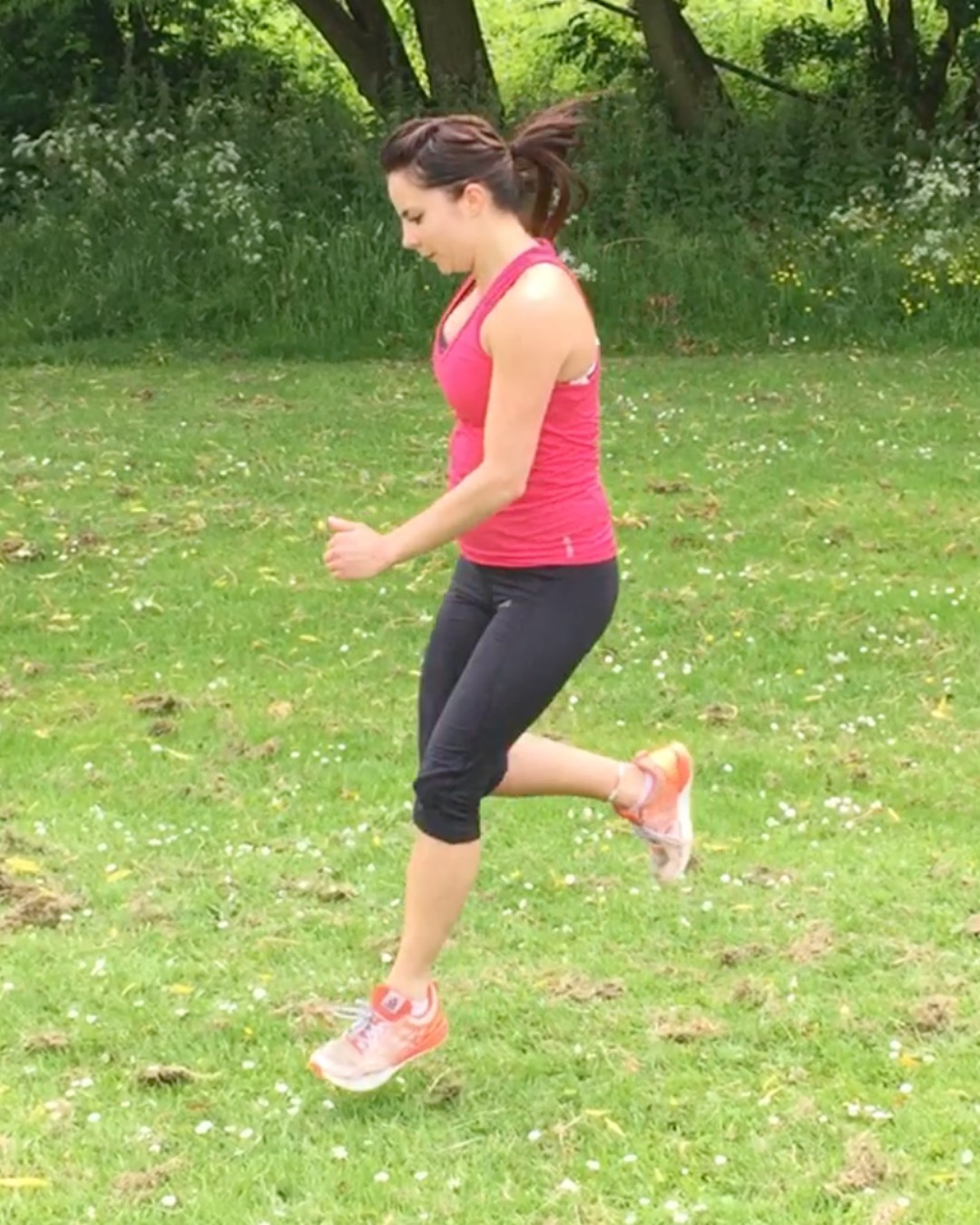
In short: The Level 2 and 3 personal training course includes a nutrition unit, and its criterion 4.1 (M/617/8595) asks a learner to define the role of carbohydrate, fat and protein as fuels for aerobic and anaerobic energy production. The course text frames it simply. Energy metabolism is the process by which food is converted into ATP to fuel muscle activity. Carbohydrate, fat and protein are the three major macronutrients that serve as fuel during exercise, and how much each one contributes changes with the intensity and the duration of the activity. It is taught in plain words, with no academic background needed, and it gives a new trainer a clear idea to build on.
The worry that comes with the science
Plenty of people weighing up a career change like the sound of working with clients and feel a small wobble at the word nutrition. School science was a while ago, and a course with a unit called energy metabolism can sound like a hurdle.
It helps to see how the unit starts. One of the things you learn on our CIMSPA-recognised personal training course is a single idea that the rest of the unit hangs from, and it fits in a short paragraph.
One idea: food becomes fuel for muscles
The course text describes energy metabolism as the process by which food is converted into ATP, which fuels muscle activity. ATP is the name worth remembering. It is the form of energy a muscle can use.
Three things in food can be turned into it. Carbohydrate, fat and protein are the three major macronutrients, and the course calls each of them a fuel source during exercise. Criterion 4.1 of the nutrition unit (M/617/8595) asks a learner to define the role each one plays, for aerobic and anaerobic energy production.
The part that makes it practical
The text adds the sentence that matters most for a trainer. How much each fuel contributes varies with the intensity and the duration of the activity.
That is a useful thing to know before the first client. A long, easy walk and a hard, short effort are different jobs for the body, and the mix of fuel changes between them. The course then looks at the factors that affect how each fuel gets used, and at practical points about intake.
Play it at the right size
This is a driving-licence topic. It is a clear idea with a name, and it is meant to be understood and used, not feared. A trainer who can say plainly what carbohydrate, fat and protein do for a muscle can answer an interested client in two friendly sentences. Later FASTER courses build on that with real depth.
How the course teaches it
FASTER courses are visual and interactive. You can read a lesson, listen to it, write your answers or dictate them, so a person who left school glad to leave can still finish and pass.
PT Manager opens the moment you sign up with FASTER, and adding real clients unlocks when you pass a course. It is free, and nobody takes a cut of your sessions. Today's third post shows a PT Manager tool that turns joint angles into a picture, which is where the science you learn starts to show up on a screen.
Where to go next
The honest route from scratch to qualified sets out each step in order, and the Level 3 Personal Trainer course shows where this criterion sits.
The FASTER Journal shares the next teaching point first. Sign up at /newsletter and it arrives the moment it is ready.
You just read one answer. The course is all of them.
The honest route from scratch to qualified — taught by the people who wrote it, with free return access for life. The price is on the page, payment plans at checkout, no sales calls.
Also worth a look: Level 3 Personal Trainer, where the nutrition unit lives.
See what the course covers →Frequently asked
What does criterion 4.1 ask for?
To define the role of carbohydrate, fat and protein as fuels for aerobic and anaerobic energy production.
What is energy metabolism?
In the course text, the process by which food is converted into ATP (adenosine triphosphate) to fuel muscle activity.
Do I need a science background?
No. The course explains it in plain words, and you can read it, listen to it, write your answers or dictate them.
Where is it in the course?
In the nutrition unit, M/617/8595, of the Level 2 and 3 personal training course.
Reading this for your own training? Every trainer on the FASTER register has been assessed by us — search by town or speciality, free.
Find a FASTER trainer →