Sports Science
A fast first step is a shin angle you can see, coach and film
From the FASTER syllabus: this article is taught in full in the Stop Turn Accelerate (Speed for Sport) course is £600 →
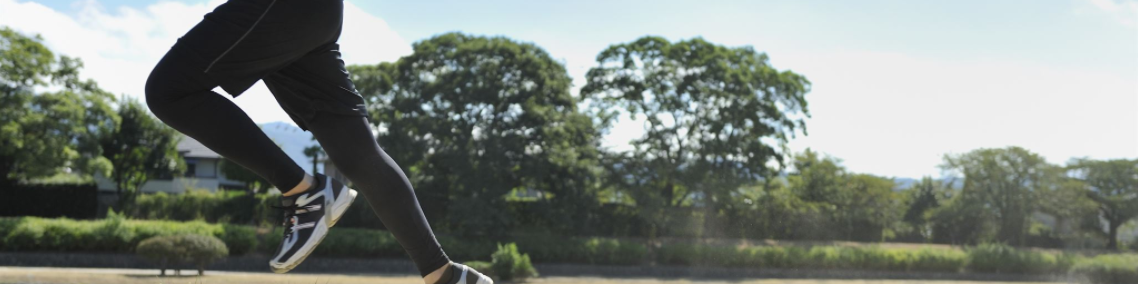
In short: A fast first step comes down to a visible shin angle at ground contact, not raw talent. The Stop Turn Accelerate course teaches a trainer to see that angle and coach it directly, rather than just shouting 'drive' at an athlete.
The short version
A fast first step comes down to one angle: how hard the shin leans forward the instant the foot hits the ground. Athletes who look explosive are usually just hitting that angle over and over, and the Stop Turn Accelerate course teaches a trainer to see it and coach it directly, rather than shouting "drive" and hoping.
Key Takeaways
- Explosive acceleration is a shin angle at ground contact, not a mystery gift some athletes are born with.
- Spotting that angle, and knowing the one cue that shifts it, is a coachable skill.
- The Stop Turn Accelerate course builds that eye, and the PT Manager lets an athlete watch their own first step back.
The "explosive" myth
Commentators love the word explosive. It suggests something happened that cannot be taught, a switch some athletes were born with and the rest were not. Watch the same moment in slow motion and the switch turns out to be a shin, leaning hard forward the instant the foot lands, over and over, step after step.
What the course actually teaches
The Stop Turn Accelerate course does not open with a lecture on fast-twitch fibres. It opens with the eye: watching an athlete's first three steps and reading the shin angle at each contact, then predicting which cue, a taller chest, a shorter first step, more forward lean, will shift it. Passing means catching that angle on a real athlete, not describing it from a textbook.
Playing down the mystery is deliberate. An athlete who believes speed is a gift they either have or don't stops trying to fix the fixable part. A trainer who can see the shin angle gives them something to actually work on.
Seeing it, not guessing at it
A first step happens in well under half a second, too fast to judge from the sideline with a clipboard. The PT Manager helps there: film the start, and a trainer or athlete can play the contact back frame by frame, watching the exact angle the shin makes with the ground. The same habit helps with seeing a hip hinge or catching a brace slip. Seeing beats describing, every time.
Coached, not born with it
The Stop Turn Accelerate course is £600, and it turns "just run faster" into a specific angle a trainer can spot and shift. Watch it back, read the notes, or dictate the cue afterwards, whichever way the athlete learns fastest.
The FASTER Journal shares the next teaching point first. Sign up at /newsletter and it arrives the moment it is ready.
You just read one answer. The course is all of them.
the Stop Turn Accelerate (Speed for Sport) course is £600 — taught by the people who wrote it, with free return access for life. The price is on the page, payment plans at checkout, no sales calls.
Also worth a look: film an athlete's first step and replay the angle in the PT Manager.
See what the course covers →Frequently asked
What actually makes someone accelerate faster?
A shin angle that leans forward hard at the instant of ground contact, not a bigger engine. The Stop Turn Accelerate course teaches a trainer to see that angle and coach it directly.
Do I need to be a sprint specialist to coach this?
No. The course builds the eye for the angle and the cue that shifts it, the same HMAC approach FASTER uses for every movement, not a separate sprint science degree.
Where does the PT Manager fit in?
It lets a trainer film an athlete's first steps and play the shin angle back frame by frame, so the athlete sees the exact moment their shin gives the speed away.
Reading this for your own training? Every trainer on the FASTER register has been assessed by us — search by town or speciality, free.
Find a FASTER trainer →