Become a Personal Trainer
What Muscles Work In A Squat, And The Four Steps That Tell You
From the FASTER syllabus: this article is taught in full in The honest route from scratch to qualified →
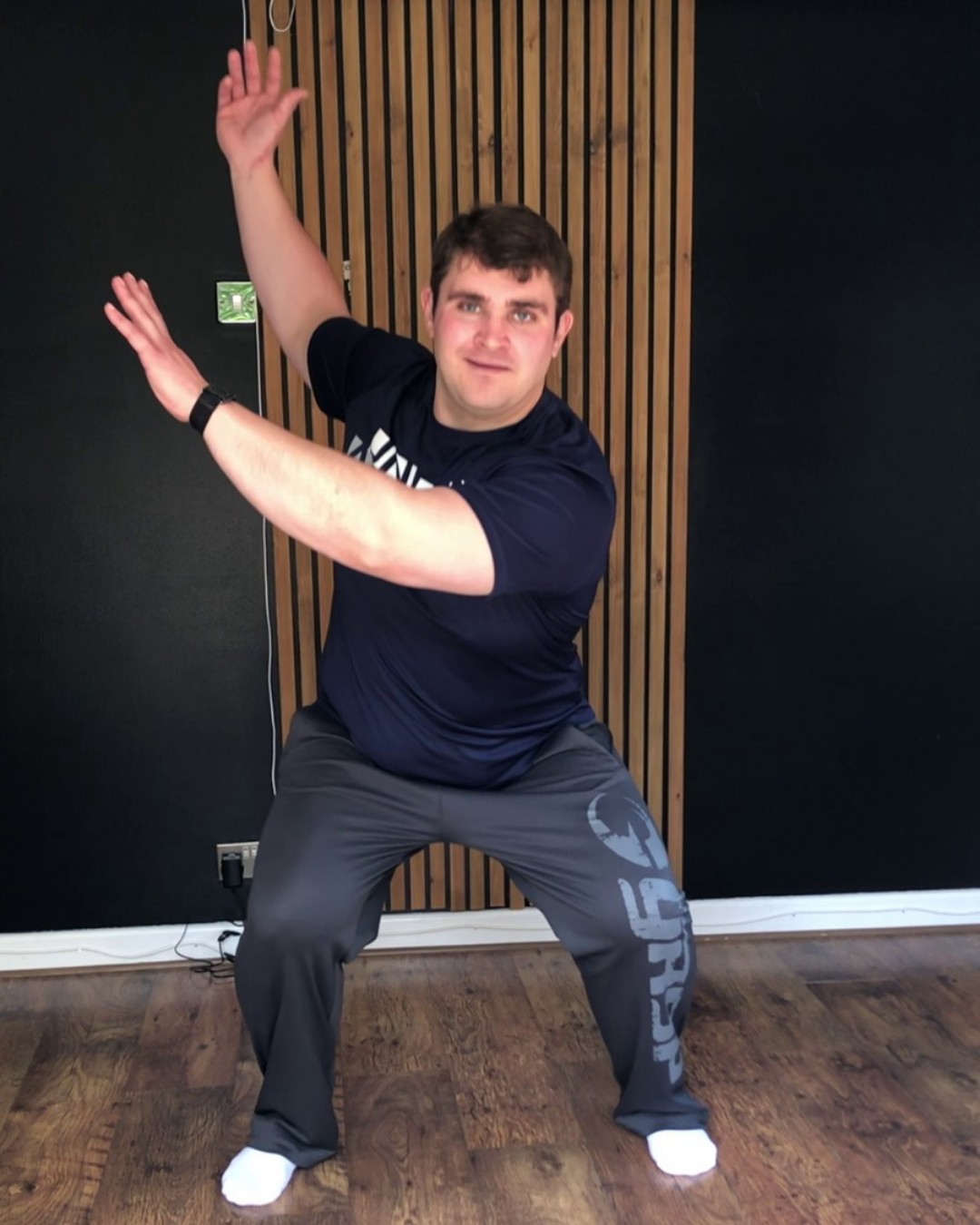
In short: A squat works the quadriceps at the knee, the gluteus maximus and hamstrings at the hip, with the adductors assisting, the erector spinae holding the spine and the calves controlling the ankle. The four steps that produce that answer are: decide where the force is acting, find the muscles working directly against it (the ones lengthening are easiest to see), find the secondary muscles assisting, then find the muscles supporting the joint. The same four steps answer the same question about a lunge, a deadlift, a row or a press.
What muscles work in a squat
The quadriceps at the knee. The gluteus maximus and hamstrings at the hip. The adductors assisting, the erector spinae holding the spine upright, the calves controlling the ankle.
That is the answer. The useful part is the method that produces it, because the same method answers the same question about a lunge, a deadlift, a row, or whatever a client asks about on a Tuesday.
The anatomy unit is the part people ask about before they enrol
It comes up more than anything else. Someone is weighing up a personal training course, they get to the word anatomy, and a school memory arrives with it. Lists of muscles, origins and insertions, learned the night before and gone by the weekend.
That is a fair thing to be wary of, and it is also the wrong picture of the job. Nobody working keeps a table in their head. What they keep is a way of looking.
The four steps
One of the things you learn on our CIMSPA-recognised personal training course is a method for reading any exercise, and it is four steps long:
- Decide where the force is acting on the body
- Identify which muscles work directly against that force (muscles that lengthen are easiest to see)
- Identify which secondary muscles assist that movement
- Identify which muscles would support that joint / movement
Run it on the squat.
One, where is the force acting? Straight down through the middle of the body. Gravity, plus whatever the bar or the dumbbells add.
Two, what works directly against it? Going down, the knee bends and the hip folds. The quadriceps lengthen at the knee under load; the gluteus maximus and hamstrings lengthen at the hip. Muscles that lengthen are the easiest to see, which is why step two points at them. Those are the prime movers.
Three, what assists? The adductors, doing more than most people credit them with, and the hamstrings again as hip and knee share the work.
Four, what supports? The erector spinae, keeping the spine where it was put, and the calves controlling how far forward the shin travels.
Six answers, no table.
The words for what each one is doing
The course gives you the naming as well, and it is worth having because it is what makes an explanation sound like it came from somebody who knows:
"agonist / prime mover: the muscle(s) that causes a desired action… antagonist: the opposing muscle(s) to the agonist… synergist: the muscle(s) that assist or modify the movement of the prime mover"
In the squat, the quadriceps are the agonist at the knee, the hamstrings the antagonist there, the adductors synergists. Attachment sites and primary actions for all of them are on the syllabus at K/617/8594 2.4, and what each contraction does to the joint at 2.7. The method above is how you use them without opening the book.
Point it at anything
A lunge. A deadlift. A press-up. A row. A carry. A step-up where one side aches and the client wants to know why. Same four steps, different answer each time, and it gets quick after about three goes.
What to do next
If you are looking at courses, the whole route from no qualification to working trainer is set out at become a personal trainer. It sets out what Level 2 and Level 3 contain, what it costs, and how long it takes. The price is on the page. There are no sales calls. Free lifetime return access is included, so the anatomy unit is still there the week a client asks you something you have not thought about in a year.
The anatomy unit itself sits in Level 3 Personal Trainer, and in the Certified PT Bundle at £1,500 alongside Level 2 and Movement Trainer.
You just read one answer. The course is all of them.
The honest route from scratch to qualified — taught by the people who wrote it, with free return access for life. The price is on the page, payment plans at checkout, no sales calls.
Also worth a look: Level 3 Personal Trainer — the anatomy unit this comes from.
See what the course covers →Reading this for your own training? Every trainer on the FASTER register has been assessed by us — search by town or speciality, free.
Find a FASTER trainer →