Coaching & Mindset
Read the shoulders, the breath and the pace to know whether your cue landed
From the FASTER syllabus: this article is taught in full in the Certified PT course (Level 2 and Level 3) →
In short: A client can say a cue makes sense while their body is telling you it hasn't landed. Level 3 asks trainers to explain why non-verbal communication matters when instructing, because the honest read is usually the shoulders, the breath or the pace, not the reply.
The short version
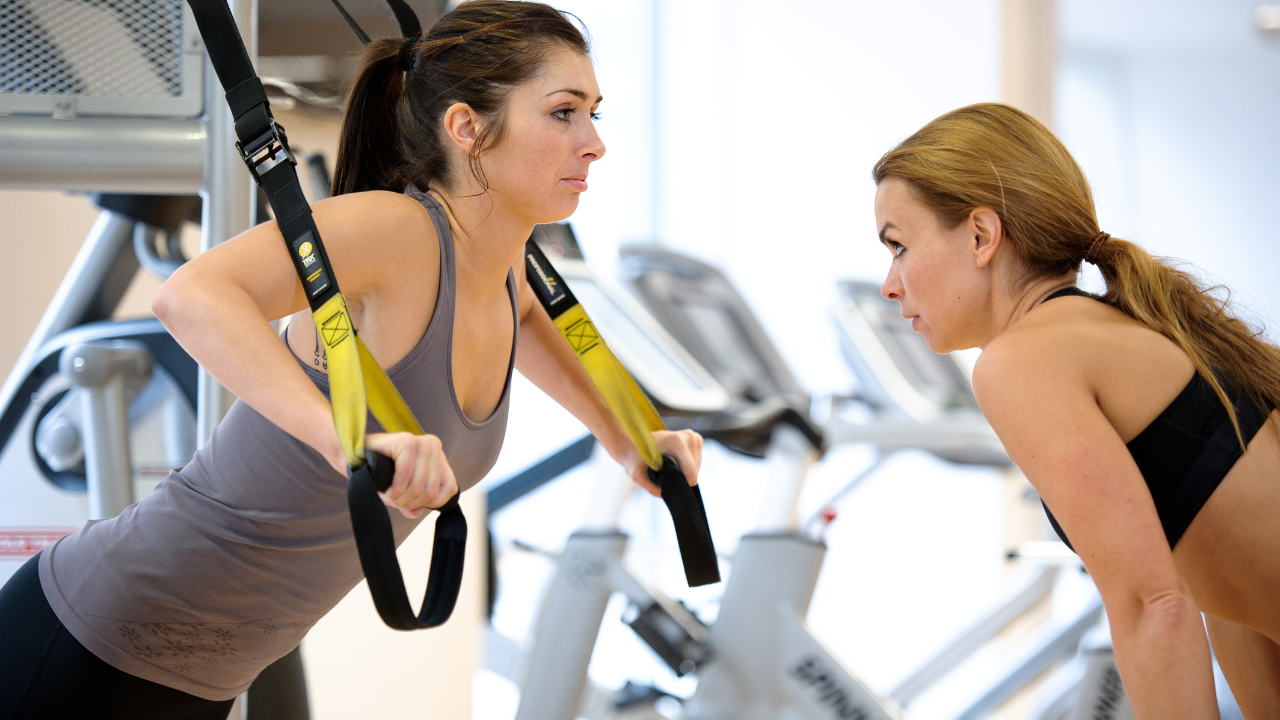
Ask a client if a cue makes sense and most will say yes, because saying no feels like admitting they're not keeping up. Meanwhile their shoulders have crept up toward their ears and the rep has quietly gotten a few inches shorter than the last one. That gap between what gets said and what the body is doing is exactly what Level 3 asks a trainer to notice.
Key Takeaways
- "Yeah, got it" is a social answer as often as it's an honest one.
- The body usually answers before the mouth does: tension, breath, pace, rep length.
- Level 3 asks trainers to explain why non-verbal communication matters when instructing, not just tick a box on the topic.
What the unit asks
Unit A/617/8597 asks trainers to explain the importance of non-verbal communication when instructing clients. It sounds like a soft skill next to heart rate zones and periodisation, so it's easy to skim past on the way to the exam. In an actual session it's the difference between a cue that landed and a client who agreed with you just to keep the set moving.
None of this is mysterious once you know what you're checking. A client who's understood a cue tends to look steadier through the rep, breathes on roughly the rhythm you'd expect, and holds the range you asked for. A client who hasn't tends to rush the hard part, hold their breath through it, or find a way to make the rep a little shorter without saying anything about why.
Why the industry makes it sound bigger than it is
Somewhere along the way "reading the client" got talked up into an almost mystical instinct, something a handful of naturally gifted coaches supposedly have and the rest of us are missing. That's a good story and a bad description of what happens. It's a short, specific checklist: shoulders, breath, pace, range. Watch for those four things across a set and most of what a client isn't saying becomes obvious.
Playing it up as a gift does trainers a disservice, because it makes something learnable sound like something you either have or don't. You don't need twenty years on the floor to notice a held breath. You need to know to look for it.
What to do next
The Certified PT route covers this properly, alongside everything else Level 2 and Level 3 build toward, and it's taught to be seen and practised, not just memorised for an exam. FASTER leans on video and hands-on practice throughout, because a shoulder creeping up is something you learn to spot by watching it happen, not by reading a description of it.
PT Manager's Live Analyser gives you a second set of eyes on exactly this. It lays a live skeleton over the client from a single camera and reads joint angle and range in real time, so if a rep is quietly getting shorter than the one before it, you're not relying on catching it from memory alone.
The FASTER Journal shares the next teaching point first. Sign up at /newsletter and it arrives the moment it is ready.
You just read one answer. The course is all of them.
the Certified PT course (Level 2 and Level 3) — taught by the people who wrote it, with free return access for life. The price is on the page, payment plans at checkout, no sales calls.
Also worth a look: PT Manager, free with any FASTER course.
See what the course covers →Frequently asked
What counts as a non-verbal signal worth watching for?
Shoulders creeping up toward the ears, breath held rather than exhaled through the hard part, pace speeding up to get past a position, or a rep getting quietly shorter each time.
Should I stop asking clients if a cue makes sense?
No, keep asking. Just don't treat 'yeah, got it' as the final answer if what you're watching says otherwise.
Is reading non-verbal signals a natural talent or something you can learn?
It's a skill, not a gift. Once you know the specific things to look for, most trainers start catching them within a session or two.
Reading this for your own training? Every trainer on the FASTER register has been assessed by us — search by town or speciality, free.
Find a FASTER trainer →