Workouts & Exercises
Change The Load, The Speed Or The Hold, And The Same Squat Becomes A Different Exercise
From the FASTER syllabus: this article is taught in full in Skill-Driven Mobility Coach — where this is taught in full →
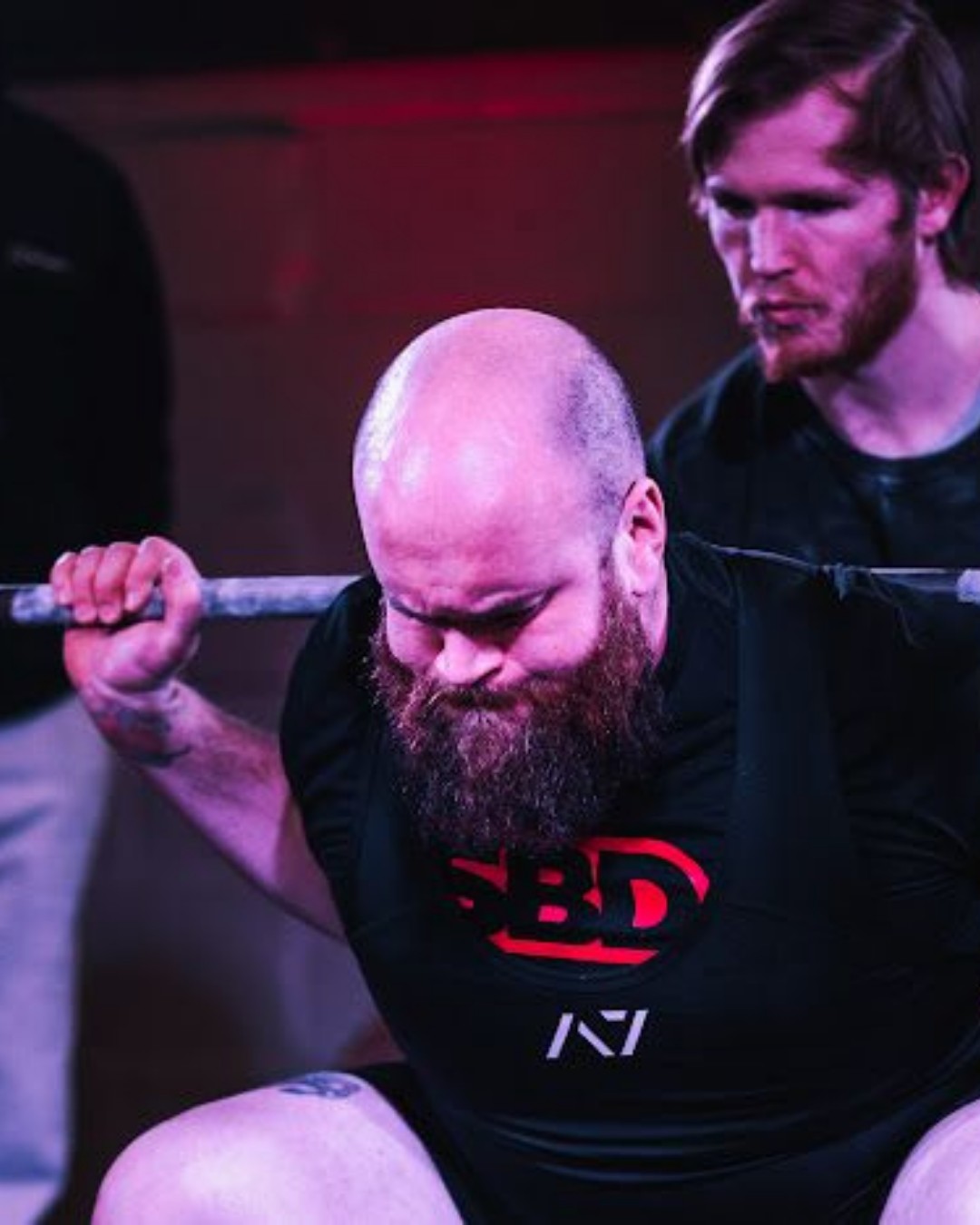
In short: The same squat can be four different exercises depending on what you change: light load and a slow, held bottom position trains mobility; no load taken to end range trains flexibility; heavy load with a slow ascent and descent trains strength; moderate load moved fast with no pause trains power. Skill-Driven Mobility Coach teaches this as part of Motor Skill Development Theory, and the same load/speed/hold lens works on any movement, not only a squat.
The same exercise, doing two different jobs, without anyone noticing
Two clients, both told to squat. One wants to get off the floor without thinking about it. The other wants to squat more than they can now. Write them the same set and rep scheme and something in a trainer's own instinct says that isn't right, even without being able to say exactly what's wrong with it.
One movement, four different jobs
One of the things you learn on Skill-Driven Mobility Coach is that a squat is a movement you can point at several different jobs, and what it trains depends on three things a trainer sets on purpose: the load, the speed, and the hold. The course lays it out on the exact same lift:
"Mobility Squat: Light load, slow speed, extended hold at the bottom. Flexibility Squat: No load, end range squat with hands straight in the air, often used as an assessment. Strength Squat: Heavy load, slow ascent and descent, no hold at the bottom. Power Squat: Moderate load, fast, explosive ascent, no hold."
Same hips, same knees, same floor. Four different training effects, and nothing about the exercise's name tells you which one you're looking at.
What each dial is doing
Mobility is a joint's ability to move into and out of full range under control, rarely against real resistance, which is why the mobility squat keeps the load light and asks for a slow, held bottom rather than a heavy one.
Flexibility is how far a joint can get to end range at all, active or passive, which is why the flexibility squat drops the load altogether and uses the position itself as the test.
Strength is how much external resistance gets moved, which is why the strength squat is heavy and unhurried. The load is doing the job here, not the speed.
Power is how fast that resistance, or the client's own body, gets displaced, which is why the power squat trades some of the load for explosive speed and drops the hold.
Why the client's actual goal decides the dial, not the exercise name
A trainer who only has "squat" in their head can make a client stronger or can make a client move better, almost by accident, depending on which version they happened to default to. A trainer who has the four descriptions can set the dial on purpose. Decide what this client needs this session, and build the squat to do that job specifically, rather than hoping the usual version covers it.
Point it at anything
The same load/speed/hold lens works on a lunge, a press, a carry, any movement a client already knows can be turned into a different training effect just by changing what surrounds it, without ever teaching them a new exercise.
What to do next
Skill-Driven Mobility Coach is £600 paid in full, or £100 deposit then 7 monthly payments of £86, plan total £702. It's a hands-on coaching skill built around Motor Skill Development Theory, and it pairs well with Field- Based Biomechanics. The price is on the page, there are no sales calls, and PT Manager opens the moment you sign up.
The FASTER Journal shares the next teaching point first. Sign up at /newsletter and it arrives the moment it's ready.
You just read one answer. The course is all of them.
Skill-Driven Mobility Coach — where this is taught in full — taught by the people who wrote it, with free return access for life. The price is on the page, payment plans at checkout, no sales calls.
Also worth a look: Field-Based Biomechanics — the sibling course this pairs with.
See what the course covers →Frequently asked
Do I need four different exercises to train mobility, flexibility, strength and power?
No. The course's whole point is that one exercise, described four different ways through load, speed and hold, can do all four jobs.
Which squat should a client do first?
Whichever one matches what they actually came for — the course teaches this as part of finding out where a client's psychology, motor skill ability, structural capacity and physical fitness actually sit, not a fixed order.
Does finishing the course open PT Manager?
Yes. PT Manager opens the moment you sign up with FASTER, and adding real clients unlocks once you pass a course.
Reading this for your own training? Every trainer on the FASTER register has been assessed by us — search by town or speciality, free.
Find a FASTER trainer →