
Workouts & Exercises
Fourteen Ways To Progress Any Exercise Before You Reach For A New One
From the FASTER syllabus: this article is taught in full in the Movement Trainer (AFT) course, £375 →
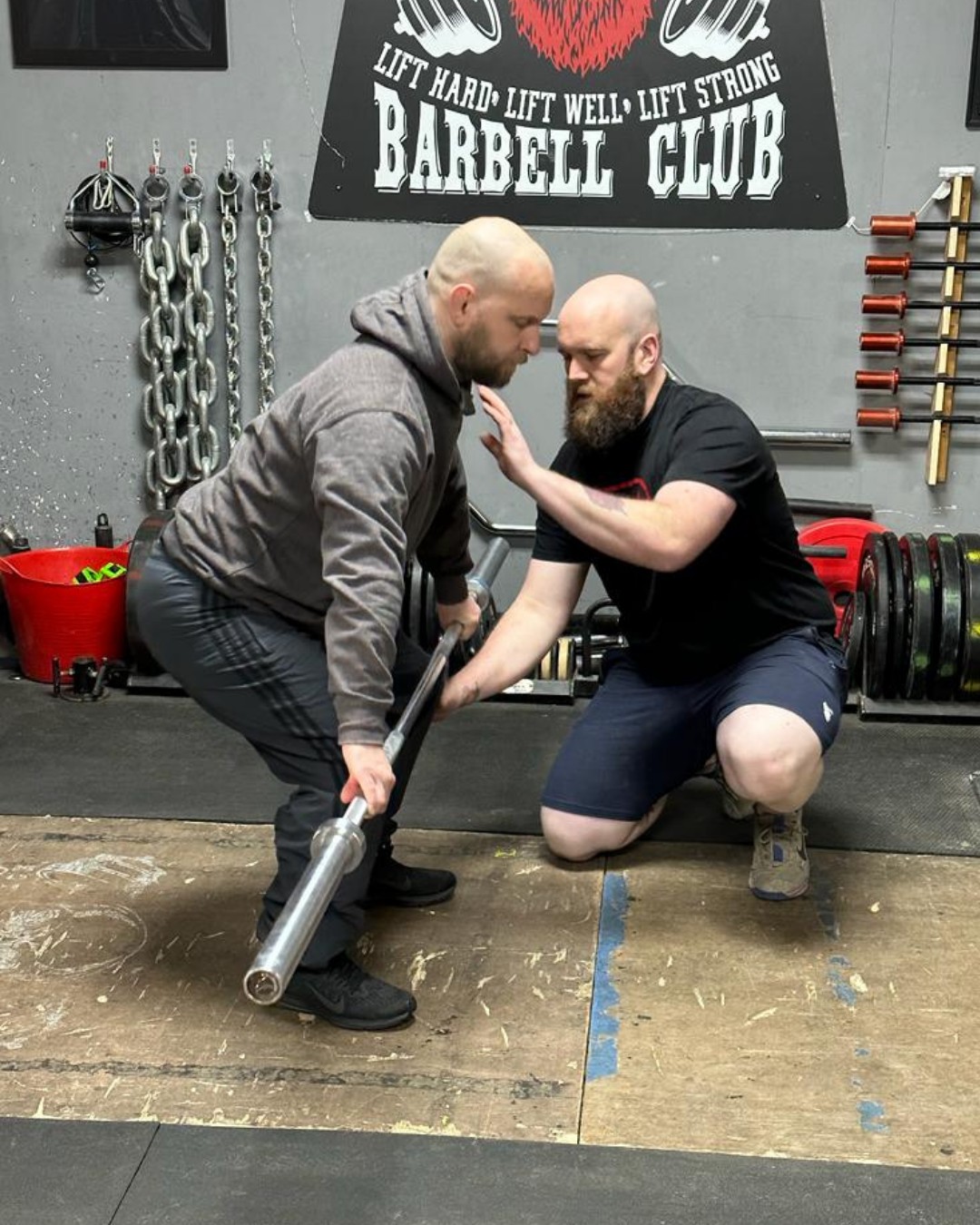
In short: FASTER's Movement Trainer course lists fourteen ways to progress any exercise without changing the movement itself: more weight, a slower tempo, more reps, more sets, less rest, a different angle, a more complex version, one side at a time, an added movement, an unstable surface, an isometric hold, more range, an explosive version, or two exercises combined. One exercise, fourteen doors.
The short version
Building a client's next session can turn into a search through somebody else's programme, a video from an account with more followers, borrowed because the well of ideas feels dry that week. FASTER's Movement Trainer course answers that with a list instead of a search: fourteen ways to make the exercise already in front of you harder, easier or different, before a single new movement gets added.
Key Takeaways
- Movement Trainer lists fourteen ways to progress any exercise: load, tempo, reps, sets, rest, angle, complexity, sidedness, added movement, instability, holds, range, explosiveness and combinations.
- None of them require teaching a client something new. All fourteen work on a movement they already know.
- A programme built this way looks like the client in front of you, not a copy of somebody else's feed.
The fourteen
- More weight. Heavier dumbbells, kettlebells or resistance bands.
- Slower tempo. Especially on the way down, where muscle tension builds.
- More reps. The same set, carried further.
- More sets. The same exercise, repeated again.
- Less rest. Shorter gaps between sets, heart rate kept up.
- A different angle. Elevated feet on a press-up, a changed body position.
- A more complex version. A bicep curl becomes a curl-to-press.
- One side at a time. Bilateral becomes unilateral, balance included.
- An added movement. A twist added to a plank, a leg lift added to a pull-up.
- An unstable surface. A cushion or a Bosu, more stabiliser work.
- A held position. A pause at the hardest point, like the bottom of a squat.
- More range. Deeper into the movement than before.
- More speed. A jump squat instead of a controlled one.
- Combined into a set. Two exercises run back-to-back with little rest.
Same exercise, fourteen different jobs
None of these swap the movement out. A squat stays a squat through every single one of them. What changes is the dial, load, tempo, angle, rest, range, and that's the whole skill: reading which dial the client in front of you needs turned, rather than reaching for a different exercise because the last one has been done a few times already.
Why fourteen beats one more exercise
A trainer chasing new exercises runs into the same wall eventually, because a client's needs shift faster than any list of movements can keep up. A trainer who knows the fourteen doesn't hit that wall, because every exercise they already teach just became fourteen exercises deep, without a single new movement added.
Where this comes from
This is straight out of Module 3 of our Movement Trainer course, the module built to end the feeling of running dry mid-programme, and it's also where the full programme builder inside PT Manager saves the result once a progression is chosen for a real client.
What to do next
Fourteen ways to progress one exercise is the start of a much bigger toolkit. The Movement Trainer course covers the rest of it for £375, taught by the people who wrote it.
The FASTER Journal shares the next teaching point first. Sign up at /newsletter and it arrives the moment it's ready.
You just read one answer. The course is all of them.
the Movement Trainer (AFT) course, £375 — taught by the people who wrote it, with free return access for life. The price is on the page, payment plans at checkout, no sales calls.
Also worth a look: where a progression gets saved into a real client's plan.
See what the course covers →Frequently asked
Do I need fourteen new exercises to use this?
No. All fourteen apply to one exercise a client already knows. The movement stays the same, one dial changes.
Which of the fourteen should come first?
Whichever answers what the client actually needs that week, more load, more control, or something to keep the session interesting. The list is a menu, not a sequence.
Does this replace learning new exercises altogether?
No, it changes what new exercises are for. A trainer still learns more movements over time, this just means a session never runs dry waiting for one.
Reading this for your own training? Every trainer on the FASTER register has been assessed by us — search by town or speciality, free.
Find a FASTER trainer →