
Workouts & Exercises
A Block Only Counts As Functional If It Matches What The Client Actually Does
From the FASTER syllabus: this article is taught in full in Movement Trainer (AFT) — where Skeletons and Blocks is taught →
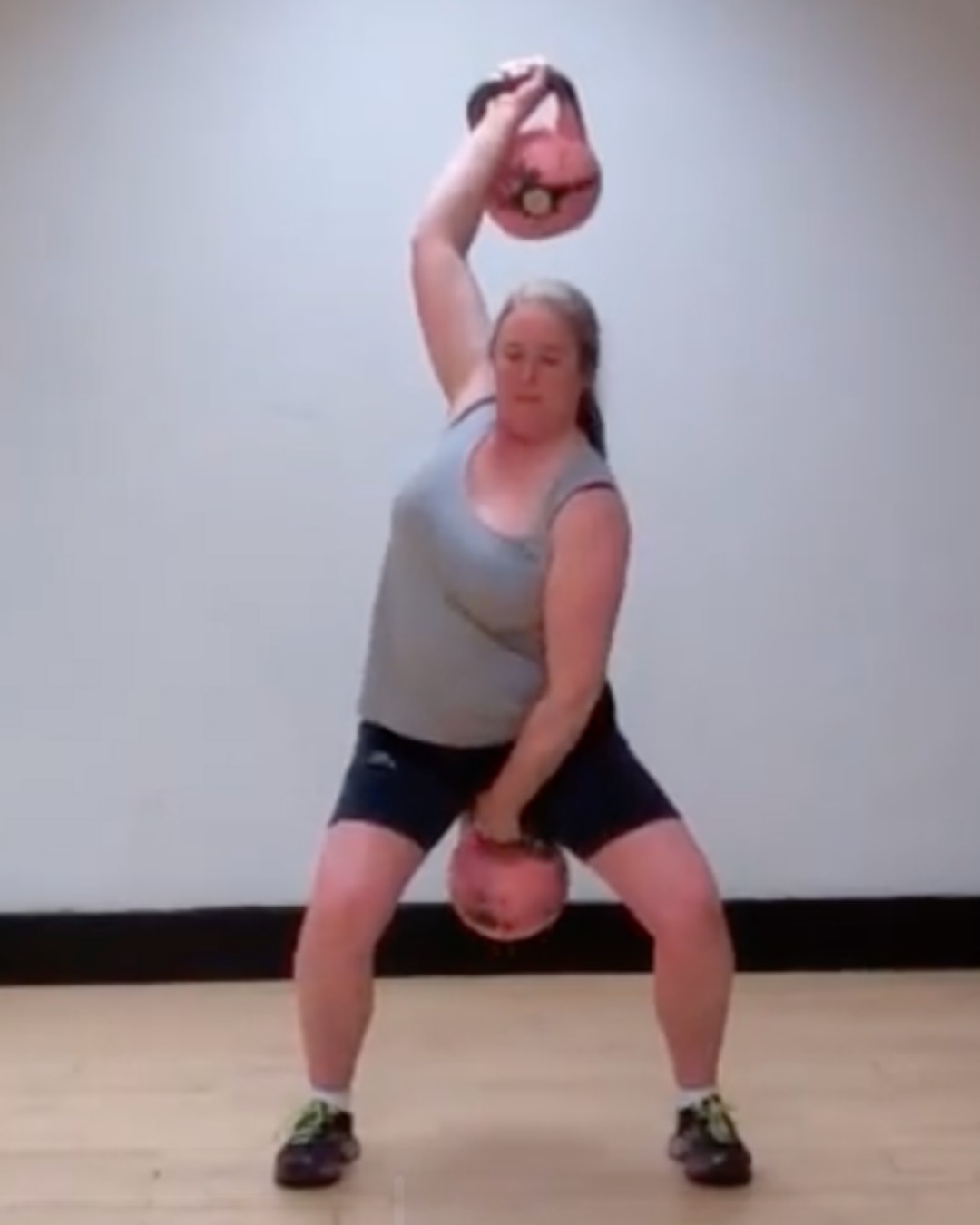
In short: A functional circuit block chains movements that mimic what a client actually does, day to day or in their sport, and runs them back-to-back with minimal rest. The course's own example: kettlebell swings, a farmer's walk, a sled push and battle ropes, one after the other. What makes it functional isn't the exercise list, it's whether that list was chosen against the client's actual demands rather than picked because it looks like hard work. Movement Trainer (AFT) teaches this as a block, the specific deliverable that sits inside a skeleton, FASTER's own system for building a session so it's specific, effective and repeatable rather than improvised on the spot.
What a functional circuit block is
A functional circuit block chains several movements together and runs them back-to-back with minimal rest, the way Movement Trainer (AFT) puts it:
"Assemble a circuit with functional movements that mimic daily or sport-specific activities. Block Example: A1. Kettlebell Swings – 15 reps. A2. Farmer's Walk – 40 meters. A3. Sled Push – 30 meters. A4. Battle Ropes – 30 seconds. Perform each exercise back-to-back with minimal rest."
Four movements. No rest built in between them, only what it takes to get from one station to the next.
Where "functional" earns its name
The word gets used loosely across the industry, usually to mean "looks hard" or "isn't a machine." The course is specific about it instead: the movements have to mimic daily or sport-specific activities, which is a test a trainer can run rather than a feeling. A swing that trains hip drive, a carry that trains the trunk holding still under load, today's first post already ran the four-step method on exactly that carry, a push against real resistance, and a pull that never stops moving, all chosen because a working day or a match already asks the client for those things.
Why the order and the rest matter as much as the list
Minimal rest between stations is what turns four separate exercises into one block. It's also what makes the block honest: a shift on your feet or ninety minutes on a pitch doesn't hand out a full recovery between demands either, so a client training for that gets asked to move from a swing straight into a carry the same way.
The block that sits inside the skeleton
Movement Trainer (AFT) calls the session's overall shape a skeleton, and the specific pieces inside it blocks: "a combination of exercises and systems that define the order, intensity, volume and rest for the section of programming you are designing." A functional circuit is one kind of block, built around movements chosen for a reason rather than difficulty, that a trainer can drop into a skeleton wherever a session needs to train more than one demand at once.
Point it at anything
A push, a pull, a carry and a hinge, swapped for whatever a client's own day or sport asks of them, keep the same back-to-back shape and the same reason for choosing each one. The exercises change. The test for whether they belong in the block doesn't.
What to do next
Movement Trainer (AFT) is £375, and it's where Skeletons and Blocks is taught in full, alongside the rest of the programming system this block belongs to. The price is on the page, there are no sales calls, and PT Manager opens the moment you sign up.
FASTER Daily News sends you each day's blog links, the latest on new courses and live opportunities, and updates to PT Manager, free for students. Sign up at /newsletter.
You just read one answer. The course is all of them.
Movement Trainer (AFT) — where Skeletons and Blocks is taught — taught by the people who wrote it, with free return access for life. The price is on the page, payment plans at checkout, no sales calls.
Also worth a look: PT Manager, where a block like this gets saved into the plan.
See what the course covers →Frequently asked
Is a functional circuit block just four exercises in a row?
The four-in-a-row part is the shape, but what makes it a functional block is choosing those four against what the client actually does, day to day or in their sport, rather than picking a hard-looking list.
Does it have to be exactly those four exercises?
No, the course gives kettlebell swings, a farmer's walk, a sled push and battle ropes as the worked example — the shape, movements chosen for a reason, run back-to-back, is what transfers to any client.
Why minimal rest between exercises rather than a full recovery?
Minimal rest is what makes it a circuit rather than four separate exercises, which matters when the thing it's mimicking, a shift on your feet, a match, doesn't hand out full recoveries either.
Reading this for your own training? Every trainer on the FASTER register has been assessed by us — search by town or speciality, free.
Find a FASTER trainer →