Biomechanics
Any Workout From Social Media Breaks Into A Sequence Of Joints, And Motor Skill Application Specialist Starts Module 1 There
From the FASTER syllabus: this article is taught in full in Motor Skill Application Specialist, where Module 1 starts with this task →
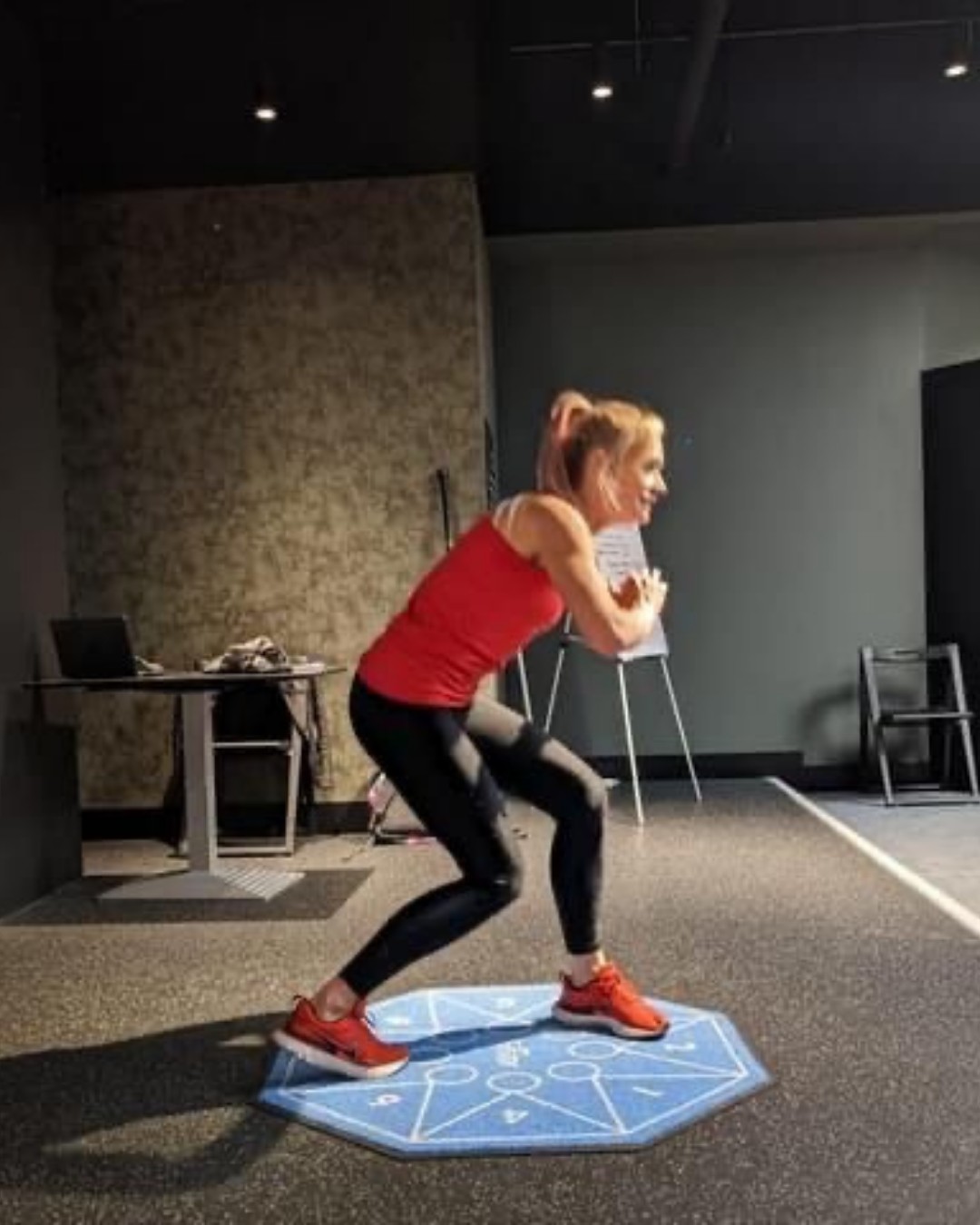
In short: Module 1 of the FASTER Motor Skill Application Specialist course teaches a trainer to take a workout from social media and break it into components: the simple biomechanics, the energy systems, an evaluation, and a rebuild. The first task is to watch the way into a rep and the way out, note which joint changes shape first, list the next joints in order, name the major movement at each, decide whether muscle power or gravity creates it, and identify the muscle slowing down or speeding up each movement.
Every popular workout has a sequence in it
A workout video on social media looks like one thing: a person doing a circuit. Underneath, it is a list of joints changing shape in an order. Learning to see that order turns a video you scrolled past into a programme you understand.
Module 1 of the Motor Skill Application Specialist course starts there. It teaches you to take workouts that are popular on social media and break them down into components.
The four parts of the module
The module lists what it covers: breaking down the simple biomechanics, identifying the energy systems, evaluating the workout, and rebuilding a workout. The first task is to find a workout video and share the link with the group. The course works through one itself, a circuit of dumbbell front squats, bent over rows, walking lunges and a medicine ball.
The sequence task
The course asks you to look at two moments of each rep, the way in and the way out, and work through five things.
- See which joint or joints change shape first.
- List the next joints in order to create a sequence.
- Go back to each joint and name the major movement happening.
- Decide whether each movement needs muscles to power it or could be created by gravity, which takes less muscle power.
- Identify the muscle working to slow down or speed up each movement.
Nothing in the list asks whether the exercise is good or bad. It asks what is happening. A trainer who can say what is happening can describe it to a client in plain words, and that is the skill the rest of the course builds on.
Why start with a video someone else made
A video gives you something to pause, replay and list. You can practise the sequence on a circuit with a famous name on it, and the answer to each step is on the screen. When a client later does a movement in front of you, you already have the habit.
Then the module moves to energy systems, an evaluation of the whole workout, and a rebuild. The rebuild is where the circuit becomes yours, shaped around one client's goal.
How it is taught
The course is visual and interactive. You read, listen, watch the video, and answer in writing or by dictating if you would rather talk than type.
Where the rebuilt workout lives
Once a workout is rebuilt, it needs somewhere to stay. PT Manager is free with any FASTER course and opens when you sign up. Adding clients unlocks when you pass a course. Today's third post covers the room that keeps a rebuilt programme as a template.
See the course at Motor Skill Application Specialist.
The FASTER Journal shares the next teaching point first. Sign up at /newsletter.
You just read one answer. The course is all of them.
Motor Skill Application Specialist, where Module 1 starts with this task — taught by the people who wrote it, with free return access for life. The price is on the page, payment plans at checkout, no sales calls.
Also worth a look: PT Manager, where the rebuilt workout is kept.
See what the course covers →Frequently asked
What does Module 1 of the Motor Skill Application Specialist course cover?
Four things: breaking down the simple biomechanics, identifying the energy systems, evaluating the workout, and rebuilding a workout.
What is the first task?
Find a workout video on YouTube or another social media account and share the link in the course group, then work through it joint by joint.
Do I need the Level 3 first?
The course is for trainers who want to go further. Level 3 gives the base, and this course teaches a way to read any programme you find.
Does it tell me the workout is good or bad?
It gives you a way to see what the workout does and to rebuild it for your own client.
Reading this for your own training? Every trainer on the FASTER register has been assessed by us — search by town or speciality, free.
Find a FASTER trainer →