Biomechanics
A Bone Moving Needs Six Descriptions, And Motor Skill Application Specialist Teaches Them As A Simple Table
From the FASTER syllabus: this article is taught in full in Motor Skill Application Specialist, where bone motion is taught →
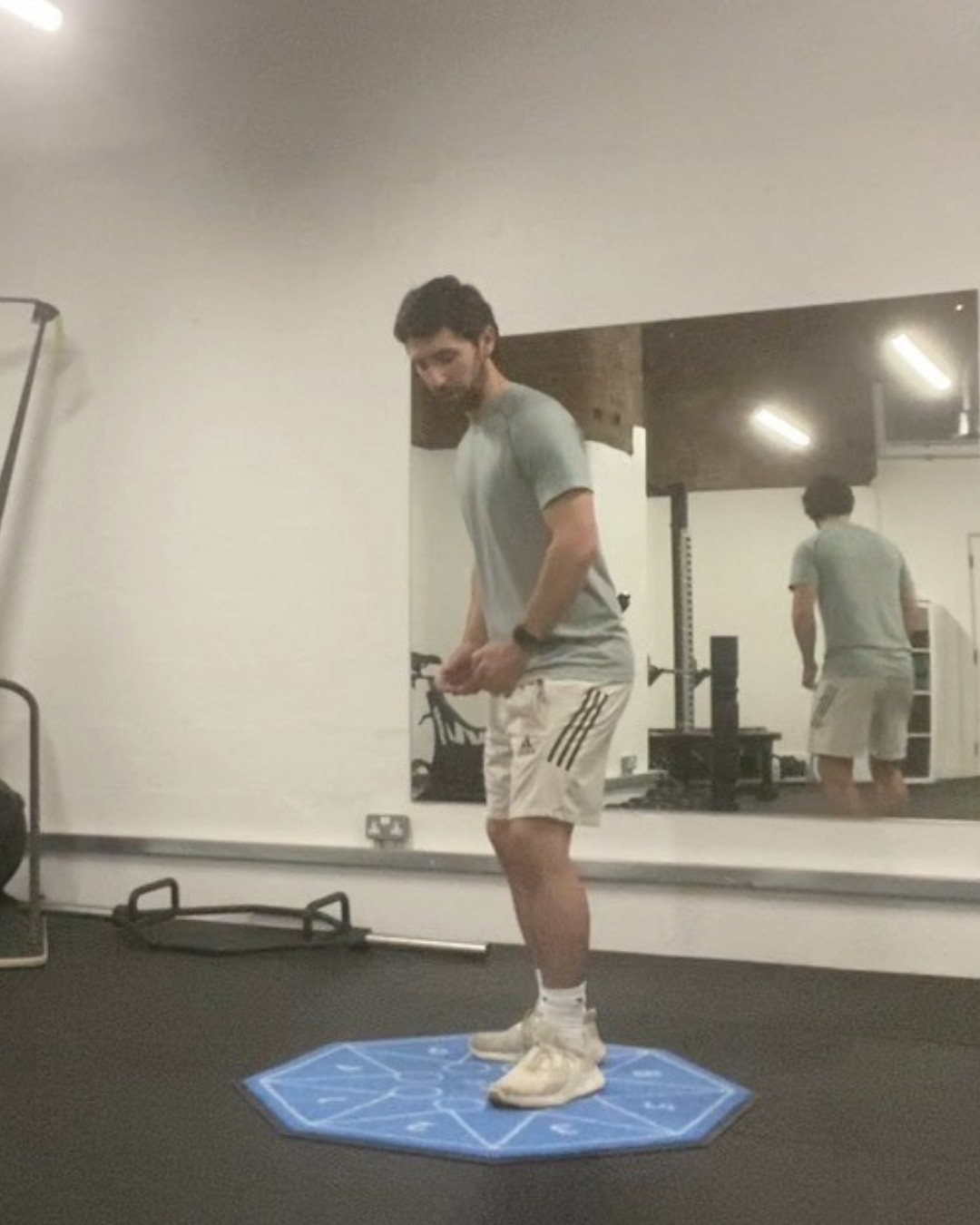
In short: The Motor Skill Application Specialist course teaches that bones are the part of the body a trainer can see travel relative to each other, so they become landmarks for predicting how a joint feels and then how the muscles react. When a bone travels it moves both through space and around its own axis, which means a bone moving needs 6 descriptions from 12 options, covering every possible movement of that bone. The course gives them as a Bone Motion Table. Because bones are visible, describing them well is the first step towards seeing movement as it happens, and describing it as normal.
What this gives a trainer
A client moves and a trainer wants to say what just happened, out loud, in a sentence. Motor Skill Application Specialist gives a way to do that, and it starts with the one part of the body that is easy to see.
Bones are the landmarks
The course makes a plain point. You can see some muscles contract through the skin, but the bones are the part of the body you see travel relative to each other. That makes them landmarks. From where the bones go, a trainer predicts how a joint feels, and then how the muscles react.
The course also gives the order the body is expected to react in any movement: a compelling reason to move, emotion, reflex and processing, then a change in muscle tone based on a skill. After that come the bones moving, the joints feeling and the muscles reacting. The bones are the visible middle of a longer chain.
Six descriptions from twelve options
A bone does two things at once. It travels through space, and it turns around its own axis. The course puts it like this: a bone moving requires 6 descriptions from 12 options, covering all possible movements of the bone in space.
The twelve options sit in a Bone Motion Table next to a labelled skeleton. Forwards or backwards, up or down, right or left, and the turning around its own pivot point. Pick one from each pair and the movement of that bone is described completely.
Why it works on anything
A squat, a press, a throw and a walk across a room all describe the same way. The trainer looks at a bone, says where it travelled and how it turned, and the sentence is neutral. It says what is happening, which is the FASTER way to describe movement, as if it is normal.
How the course teaches it
The lesson is visual and interactive, with a skeleton and a table to look at. Read it, listen to it, write your answers or dictate them, whichever suits. Nobody has to be academic to use it.
PT Manager opens the moment you sign up with FASTER, and adding real clients unlocks when you pass a course. Today's third post shows a PT Manager tool that takes joint angles from the analyser and draws them as a picture.
Where to go next
Motor Skill Application Specialist teaches bone motion in full, with joints and muscles after it. The first post today, on the three fuels in the Level 3 nutrition unit, shows another place where one clear idea makes a whole unit easy to follow.
The FASTER Journal shares the next teaching point first. Sign up at /newsletter.
You just read one answer. The course is all of them.
Motor Skill Application Specialist, where bone motion is taught — taught by the people who wrote it, with free return access for life. The price is on the page, payment plans at checkout, no sales calls.
Also worth a look: PT Manager, free with any FASTER course.
See what the course covers →Frequently asked
How many descriptions does a moving bone need?
Six, chosen from twelve options, covering every possible movement of the bone in space.
Why start with bones?
Bones are the part of the body you see travel relative to each other, so they are landmarks for predicting how a joint feels and how the muscles react.
Where is this taught?
In Module 5 of the Motor Skill Application Specialist course.
Is it hard to learn?
The course gives it as a table with a labelled skeleton, and the lesson can be read, listened to, written or dictated.
Reading this for your own training? Every trainer on the FASTER register has been assessed by us — search by town or speciality, free.
Find a FASTER trainer →