Coaching & Mindset
Ask about menopause the way you already ask about everything else, and a client's biggest variable stops going unspoken
From the FASTER syllabus: this article is taught in full in Pelvic Floor & Core Specialist covers what a changing pelvic floor and core actually need →
In short: Menopause rarely comes up on its own in a consultation, embarrassment or 'that's just ageing' keeps it unspoken. FASTER's Pelvic Floor & Core Specialist and Motor Skill Application Specialist courses teach the interviewing and assessment that surfaces it, and the reasoning to programme around it with confidence.
The short version
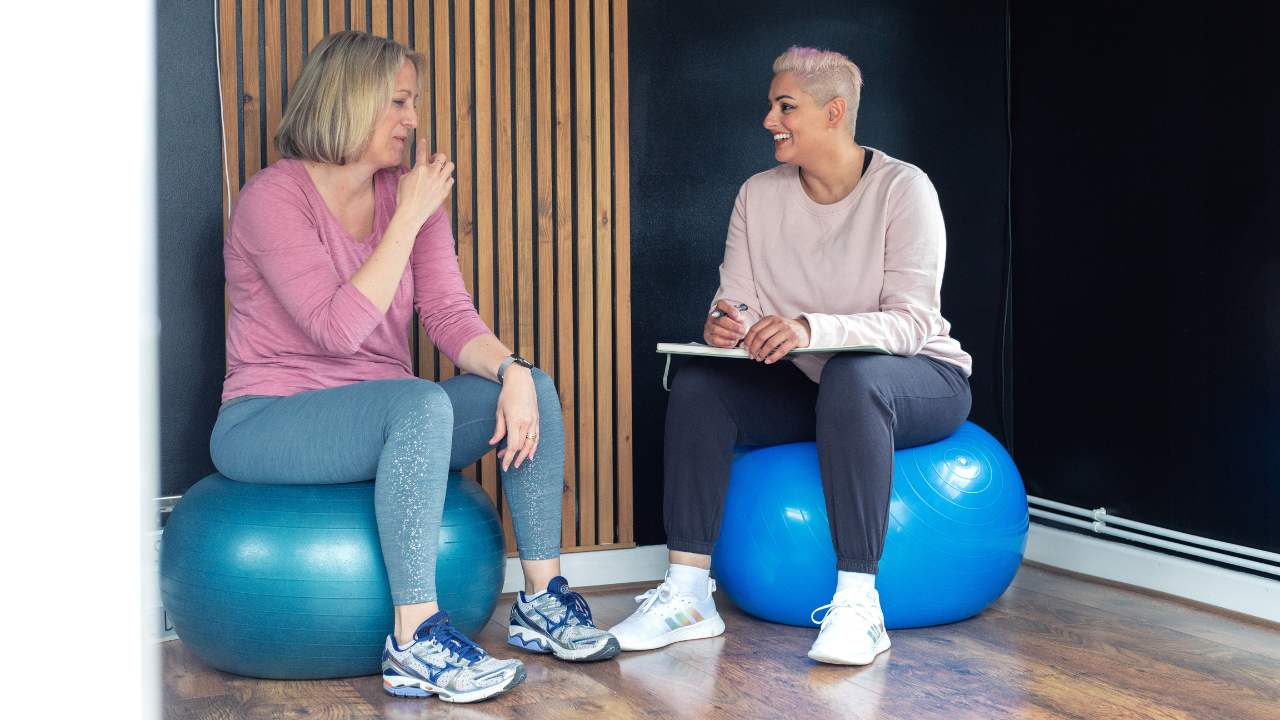
A client mentions she's not sleeping, or her joints feel different lately, or a session that used to feel easy suddenly doesn't. She won't usually say the word menopause first. Embarrassment keeps it out of the room, or she's already decided it's just what getting older feels like and not something worth mentioning to her trainer. The information is sitting right there in the consultation. It just needs a trainer who knows to ask for it properly.
Key Takeaways
- Menopause rarely surfaces on its own in a consultation, it gets left out through embarrassment or written off as ordinary ageing.
- John's own words: MSAS, Pelvic Floor & Core Specialist and Injury Recovery to Performance Specialist are the three courses that cover it, because it's a client to interview and assess properly, not a topic with its own syllabus.
- The system is the same one you'd use on the next client with a completely different problem: interview for the real story, then assess and programme from what's actually true.
The hook and the system
Menopause and perimenopause have appeared in zero of FASTER's blog posts before this one, against a background where research, pain and performance come up constantly. It matters plenty to trainers, it's just easy to miss when a client isn't naming it herself. The fix is the interviewing skill that gets the real story out of any client, applied here on purpose.
What the courses teach
Pelvic Floor & Core Specialist teaches what the core and pelvic floor do, how they fail, and what helps when they're compromised, techniques you could defend to a physio rather than pass-along advice. A lot of what shifts through menopause runs straight through that same territory: joint comfort, pelvic floor changes, and a body that responds to load differently than it did five years ago. Motor Skill Application Specialist does the other half of the job, taking whatever a client has already been told or has read online and running it through research and exercise design, so you're not guessing whether a popular claim about menopause and exercise holds up.
The system underneath it
This is rule the tool, one level up. A trainer with the interviewing skill and the assessment skill doesn't need a menopause certificate any more than they need a kettlebell certificate, the system already covers a client whose needs have shifted, whatever's causing the shift. Injury Recovery to Performance Specialist adds the third piece for clients whose menopause symptoms overlap with pain or injury, the same specific, evidence-based reasoning applied to a different question.
What to do next
Pelvic Floor & Core Specialist and Motor Skill Application Specialist both count as active learning, so PT Manager keeps running while you study and stays free once you've passed. Between the two, you get the mechanics and the reasoning, taught directly by the people who built them, no sales calls and no deadline pressure.
The FASTER Journal shares the next teaching point first. Sign up at /newsletter and it arrives the moment it's ready.
You just read one answer. The course is all of them.
Pelvic Floor & Core Specialist covers what a changing pelvic floor and core actually need — taught by the people who wrote it, with free return access for life. The price is on the page, payment plans at checkout, no sales calls.
Also worth a look: Motor Skill Application Specialist gives you the reasoning behind every exercise you change.
See what the course covers →Frequently asked
Does a trainer need a menopause-specific course to coach through it well?
No. FASTER teaches it as an application of interviewing and assessment skills already covered in Pelvic Floor & Core Specialist and Motor Skill Application Specialist, not as a separate certificate.
Why do menopausal symptoms often go unmentioned in a consultation?
Embarrassment is common, and some clients have been told, or assume, that what they're feeling is just normal ageing rather than something a trainer can actually programme around.
What actually changes in programming once menopause is part of the picture?
The reasoning changes more than the exercises do. Load, recovery, joint comfort and pelvic floor considerations all get weighed with the same specific evidence-based approach the course teaches for any client.
Reading this for your own training? Every trainer on the FASTER register has been assessed by us — search by town or speciality, free.
Find a FASTER trainer →