10 ARTICLES
Research
Papers, read properly. What the evidence actually says once the headline has been taken off it — including the studies that did not go the way we hoped.
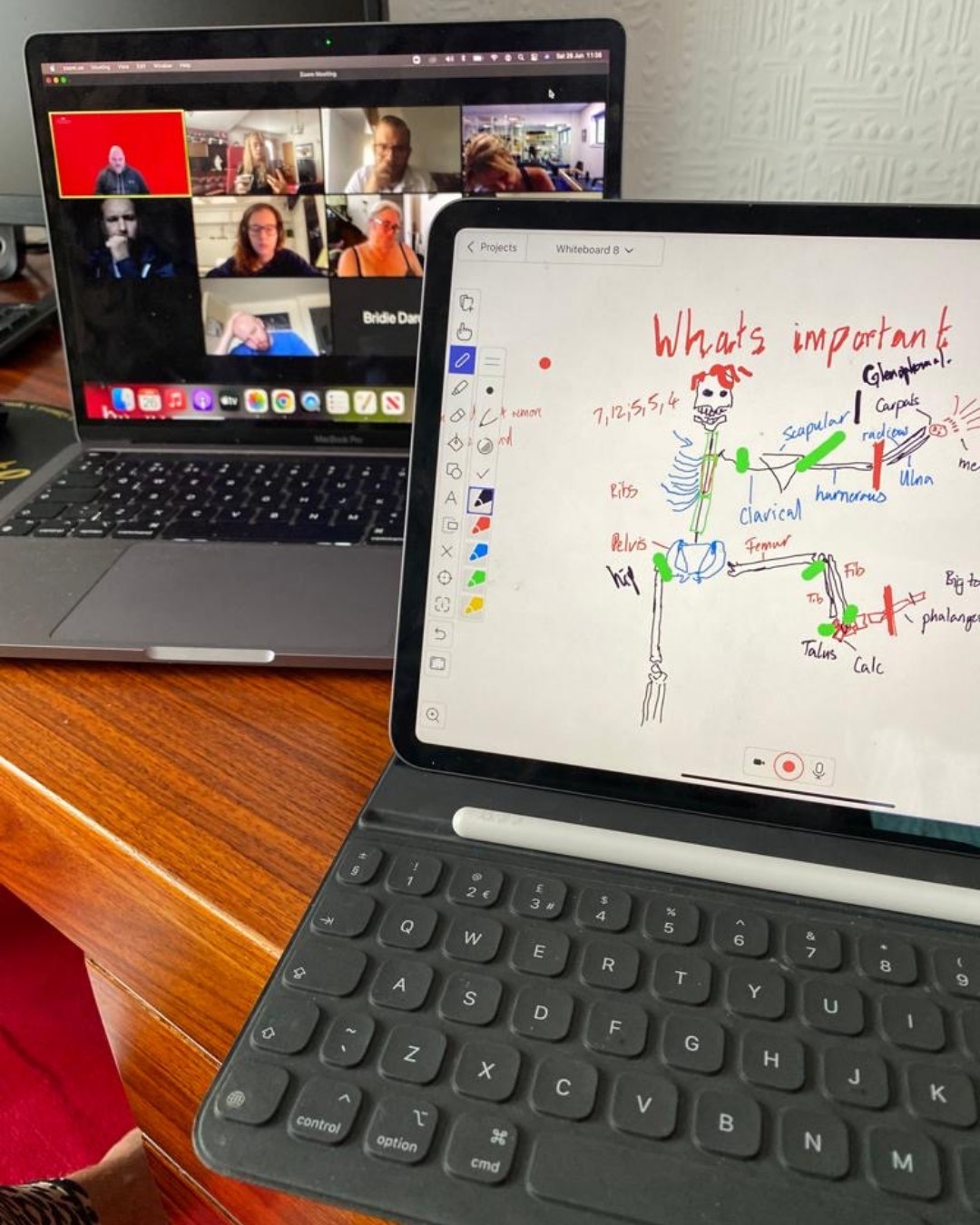
Decide What You'll Trust Before You're Standing In Front Of A Client Who's Read Something You Haven't
Movement Trainer teaches a fixed set of criteria for what counts as evidence, applied the same way to everything a trainer reads, rather than chasing whatever the best available study happens to be each time a client asks a question. It's built so a trainer without a research background can still back every decision they make.

Your Client Isn't Learning A Squat, They're Learning A Pattern They Can Use Anywhere
Schema Theory explains why a client who's practised a squat with a light dumbbell can still squat on a balance board they've never stood on. Skill-Driven Mobility Coach teaches it as one of two ways motor skill learning actually works, and it changes what "teaching a movement" means.

How To Check A Coaching Technique Before You Use It On A Client
Movement Trainer names three fallacies that move through the fitness industry unchecked: appeal to nature, appeal to authority, and post hoc. If someone has a technique, they're usually calling to authority. Here's how to hear it before you repeat it.

A Diet Can Work And Still Be Wrong About Why
FASTER's Results-Based Nutrition Coach course teaches trainers to separate whether a diet worked from why a client thinks it worked, using the Palaeolithic diet as the worked example.
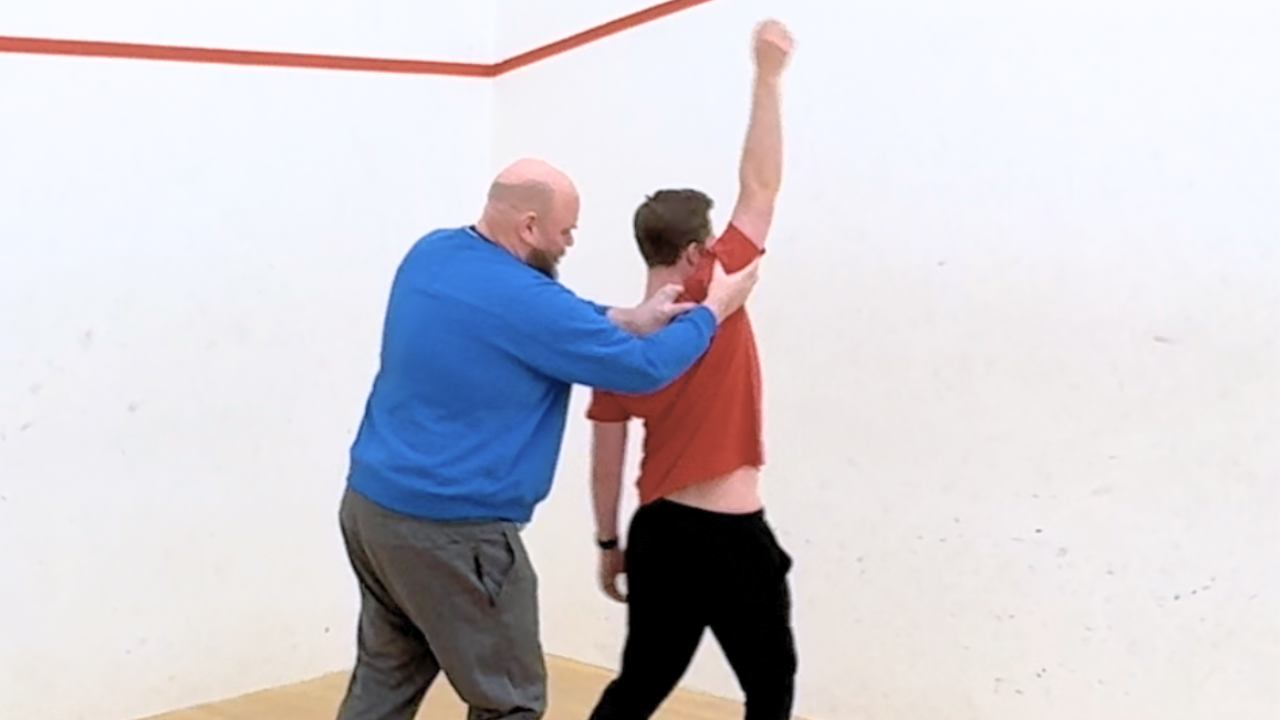
The Three Word-Endings That Turn A Vague Description Into Something You Can Coach
Movement Trainer teaches the three word-endings that describe any joint doing anything: -ed for a held position, -ing for the movement as it happens, -ion for the whole event afterwards. It turns 'that looked a bit off' into a word a coach can actually use.

Learn How To Find Information Without Having To Remember It All
Research well without needing the academic background. FASTER teaches you to find information rather than memorise it, save it in your personal library in your own words, and filter it by level of evidence when a decision needs making.
Check the source, not the argument, when a client's video contradicts you. Level 2/3 already taught you how
A client turns up quoting a video that disagrees with you. Level 2/3 names identifying credible sources as a core skill: the answer is a check, not an argument.

Applying Motor Learning Theory to Personal Training
How the science of skill acquisition helps you coach movement better, set smarter goals, and get results that stick.

How to Read Scientific-Sounding Fitness Blogs
Plenty of fitness blogs dress up opinion as science to win an argument. Here is a simple way to break one down and find the useful parts, if there are any.

Research in the Fitness Industry
A practical system for reading research so you give clients the best advice, filter out weak papers, and know when you're stating fact versus opinion.
More from the FASTER blog
Grow your brain for free
Let's not pretend. It's a mailing list. Blogs, useful ideas and things we are excited about, in the hope you learn something and get results. No spam, unsubscribe any time.