Home› Blog› Coaching & Mindset
32 ARTICLES
Coaching & Mindset
Interviewing for the goal under the goal, building the feeling a client comes back for, and coaching the person rather than the programme.
Agree The Rules With A Client Before Session One, And Core And Pelvic Floor Shows How Rules Hand Them A Say In Their Own Training
Rules give a client autonomy in their sessions. The FASTER Core and Pelvic Floor course shows how environment, rules and rapport shape the experience you give.
Fatigue Is A Forecast Your Client's Brain Makes, And Motor Skill Application Specialist Teaches The Three Stages It Goes Through
Motor Skill Application Specialist teaches fatigue as the brain protecting the body by prediction. Six things a trainer can work on directly, and three stages of a hard set.
A Client's Week Is Shaped Before They Reach The Session, And Core And Pelvic Floor Teaches You To Read Those Outside Influences First
Core & Pelvic Floor opens with the multilevel research on why some people are active and others are not. Learn the outside influences to check before you coach.
Two Short Whys And Two Short Sos Find The Goal A Client Can't Say First, And Core And Pelvic Floor Teaches The Method
Clients often open with 'lose weight' or 'a stronger core'. The Core & Pelvic Floor course teaches Why, Why, So, So, four short questions that find the goal underneath, plus five ways to read a client's confidence.
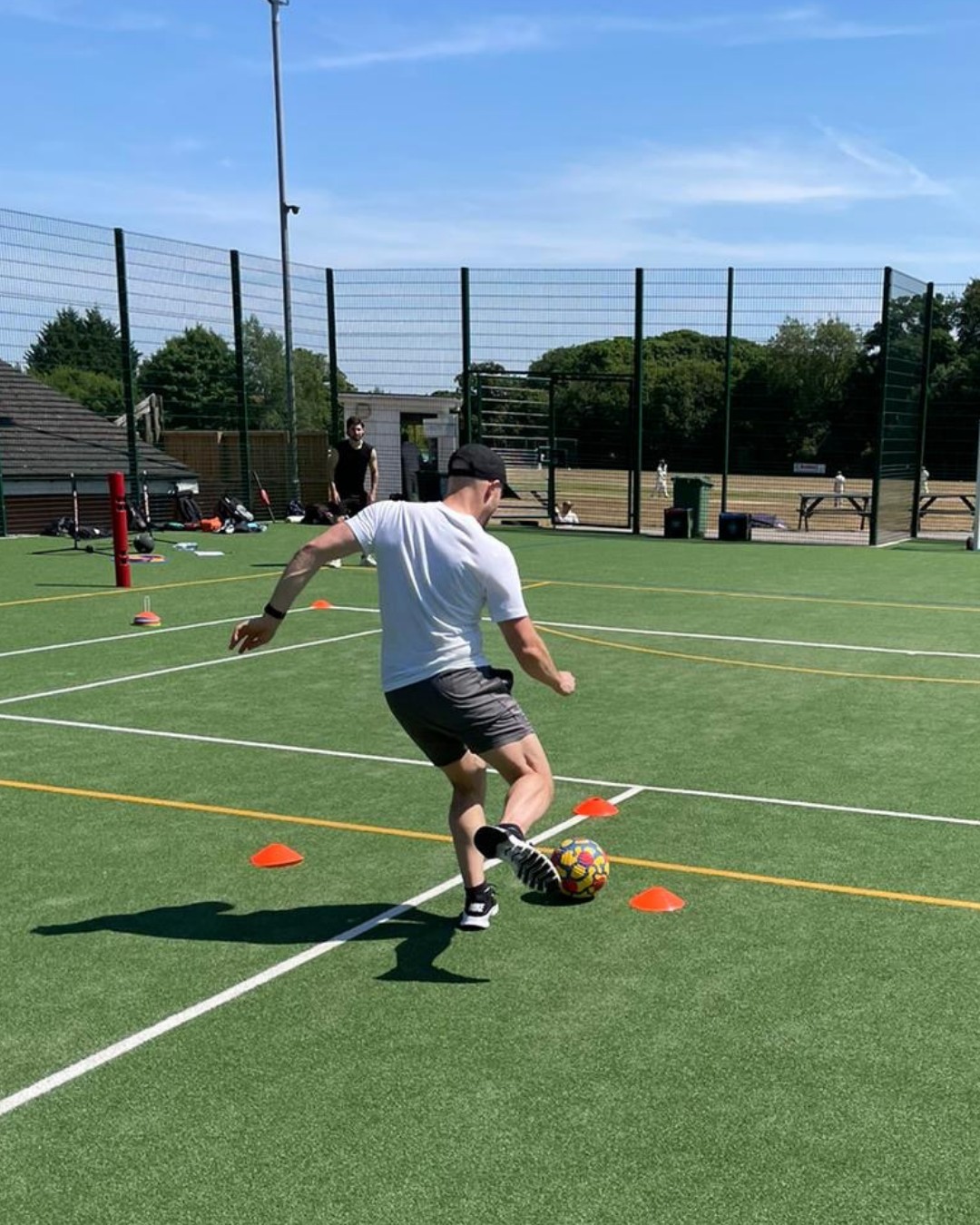
Brazil Didn't Teach Better Ball Control, They Shrunk The Ball
Movement Trainer teaches a constraint-led approach: change what's in the room, the task or the rules, and a client finds the movement without being told what to do. Futsal's smaller ball is the course's own example, and the same idea works on a gym floor with no exercise list to memorise.
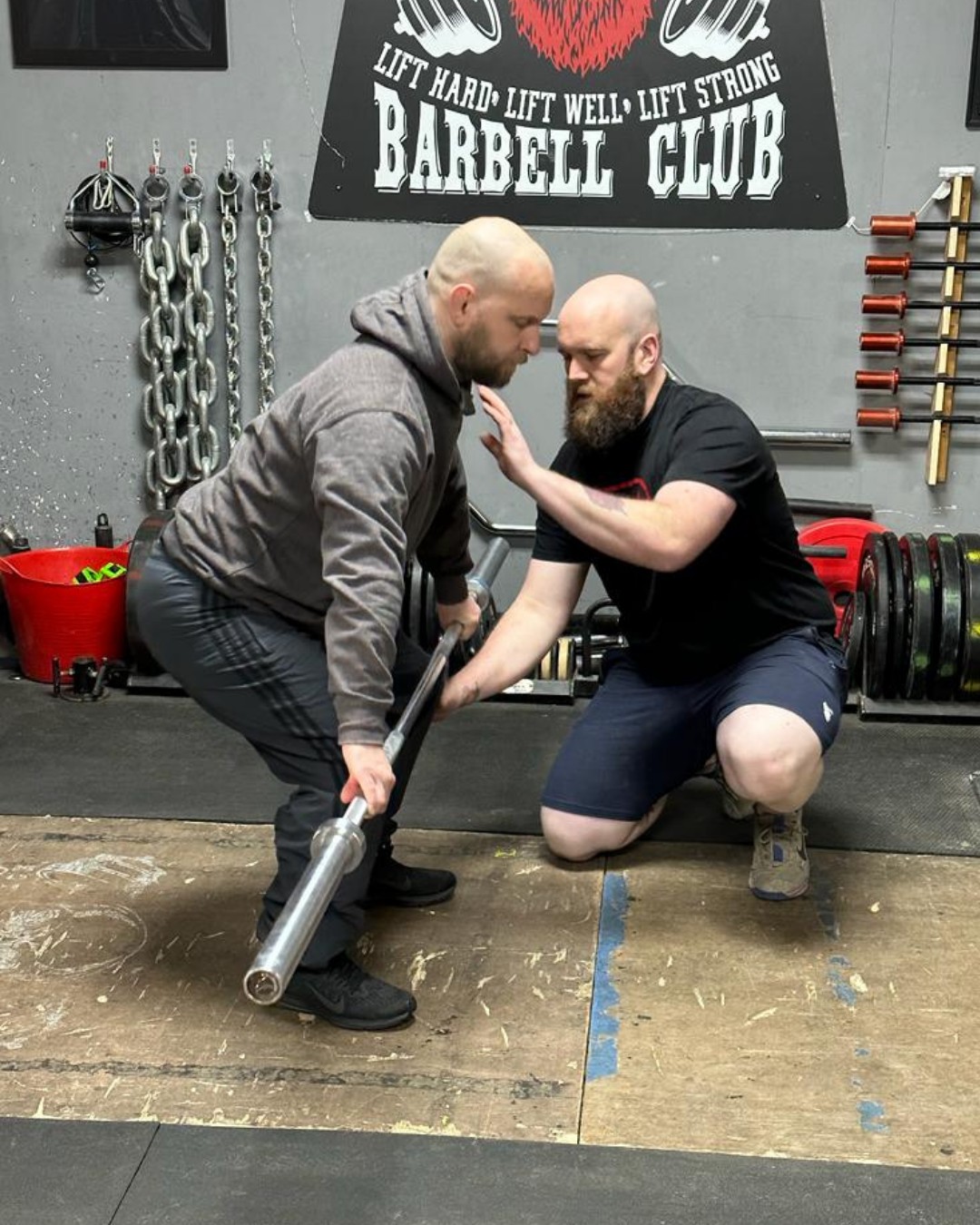
Fix One Piece Of A Movement Before You Mention The Next One
Movement Trainer teaches chunking: break a complex movement into smaller pieces and give feedback on one chunk at a time, rather than a full list of corrections in one go. A client can only hold so much in their head mid-set, and a trainer who knows that gets more changed, not less.
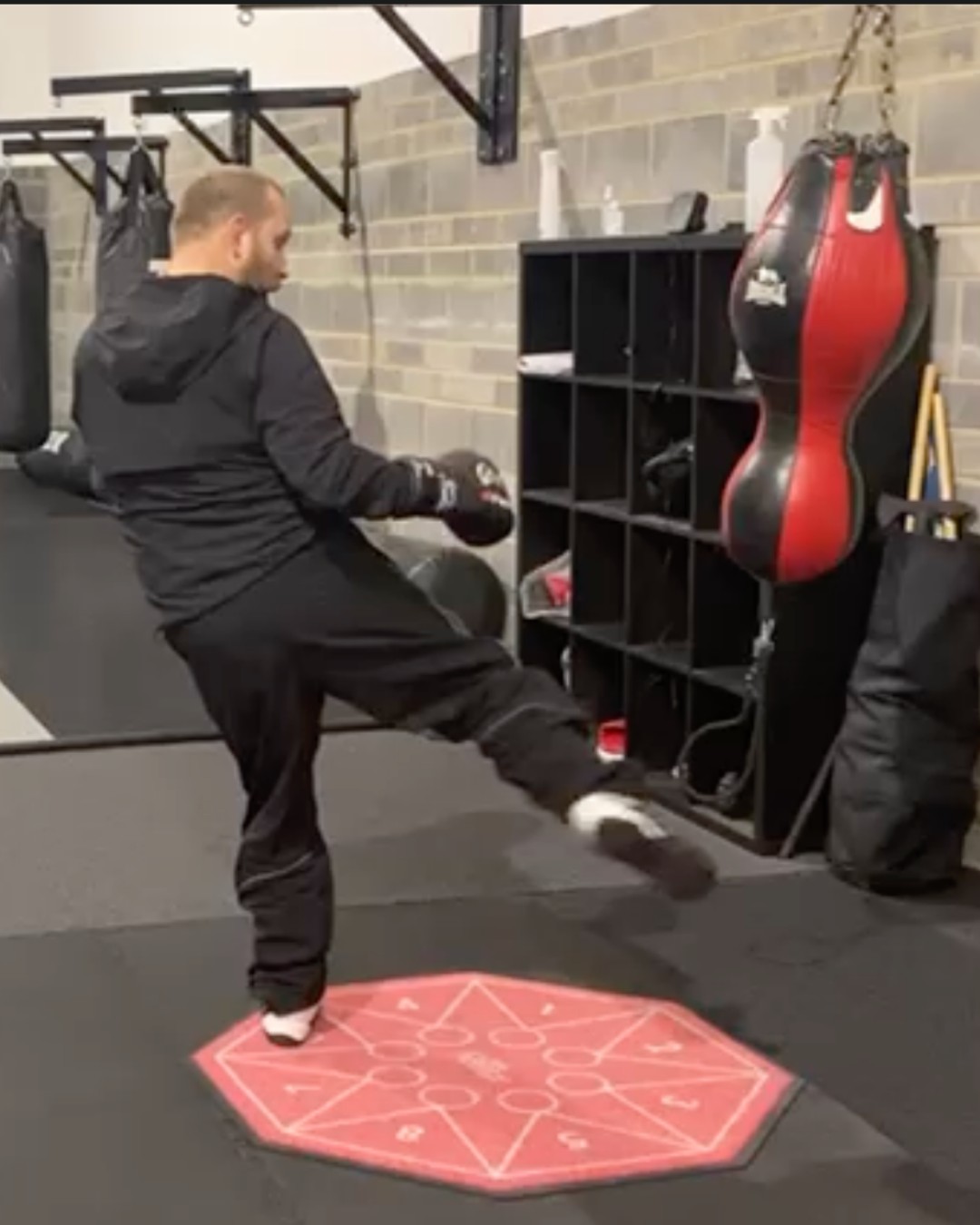
Give A Client A Target To Hit, And The Movement Looks After Itself
Movement Trainer teaches external targets: point a client at an outcome, a height or a distance to reach, rather than a body part to think about, and the movement organises itself more efficiently. The course also gives two ways to scale that target harder or easier without changing the exercise at all.

Clients Remember The Trainer Who Laughs At Themselves, Not The One Who's Trying To Be Funny
Fitness Business Accelerator's module on how funny works says a joke lands when an expectation isn't met but the link still makes sense, and the surest way to get there is revealing something ordinary and human, not performing a routine. It also carries a rule most trainers never hear stated out loud: always hit up, never down, and the safest target is yourself.
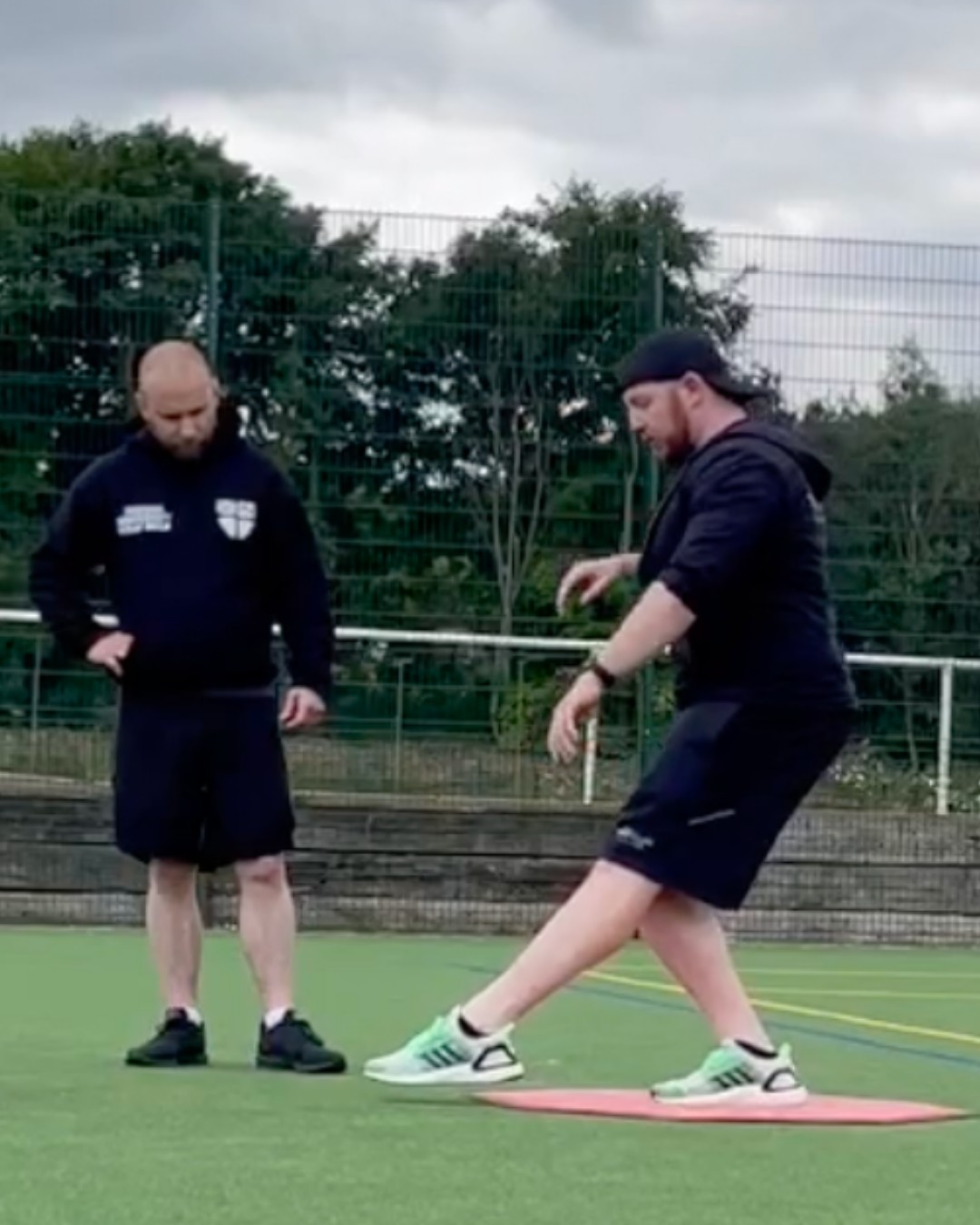
Three Kinds Of Fitness Test, And The One Most Clients Need
Movement Trainer names three kinds of fitness test, an academic test, a comparison test and a self-built one, and teaches trainers to build the third kind for the goal in front of them, without a lab.
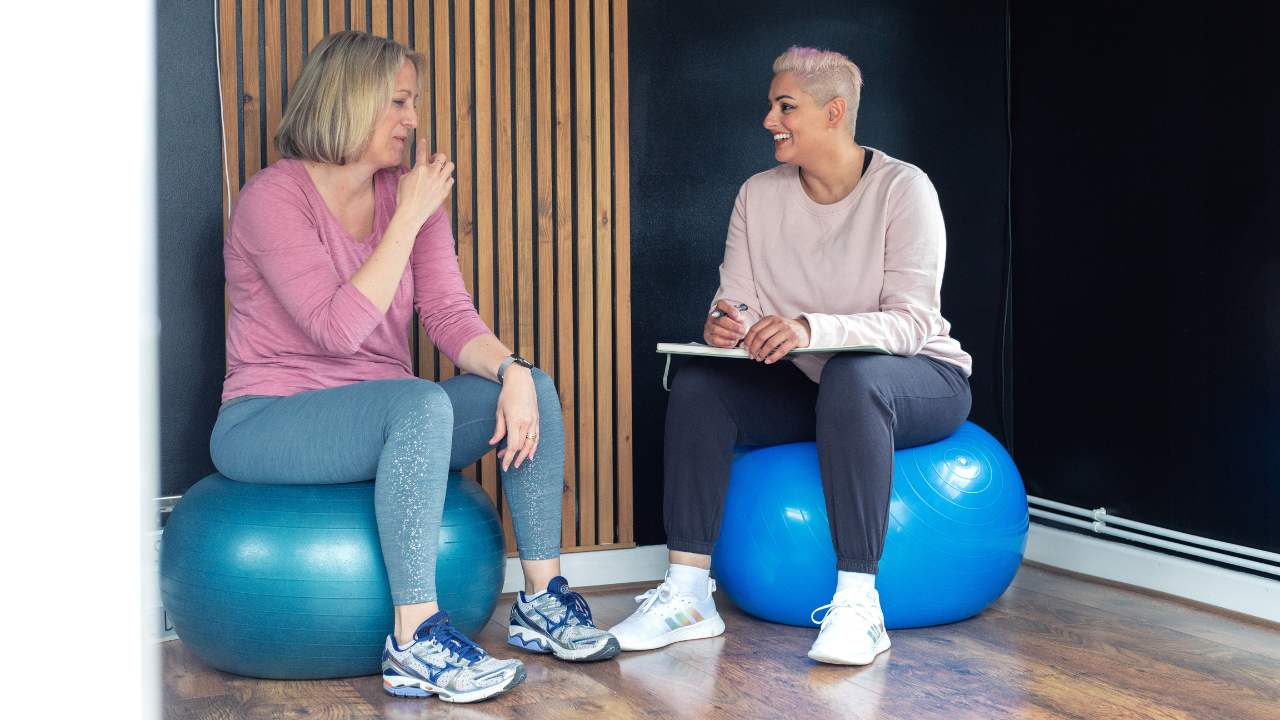
A Question Can Teach A Movement Faster Than Your Best Cue
Movement Trainer teaches guided discovery: instead of instructing a client through every rep, ask a question that lets them find the answer themselves, and the movement is more likely to stick because they found it rather than because you said it. The method, and where it comes from, is on our Movement Trainer (AFT) course.
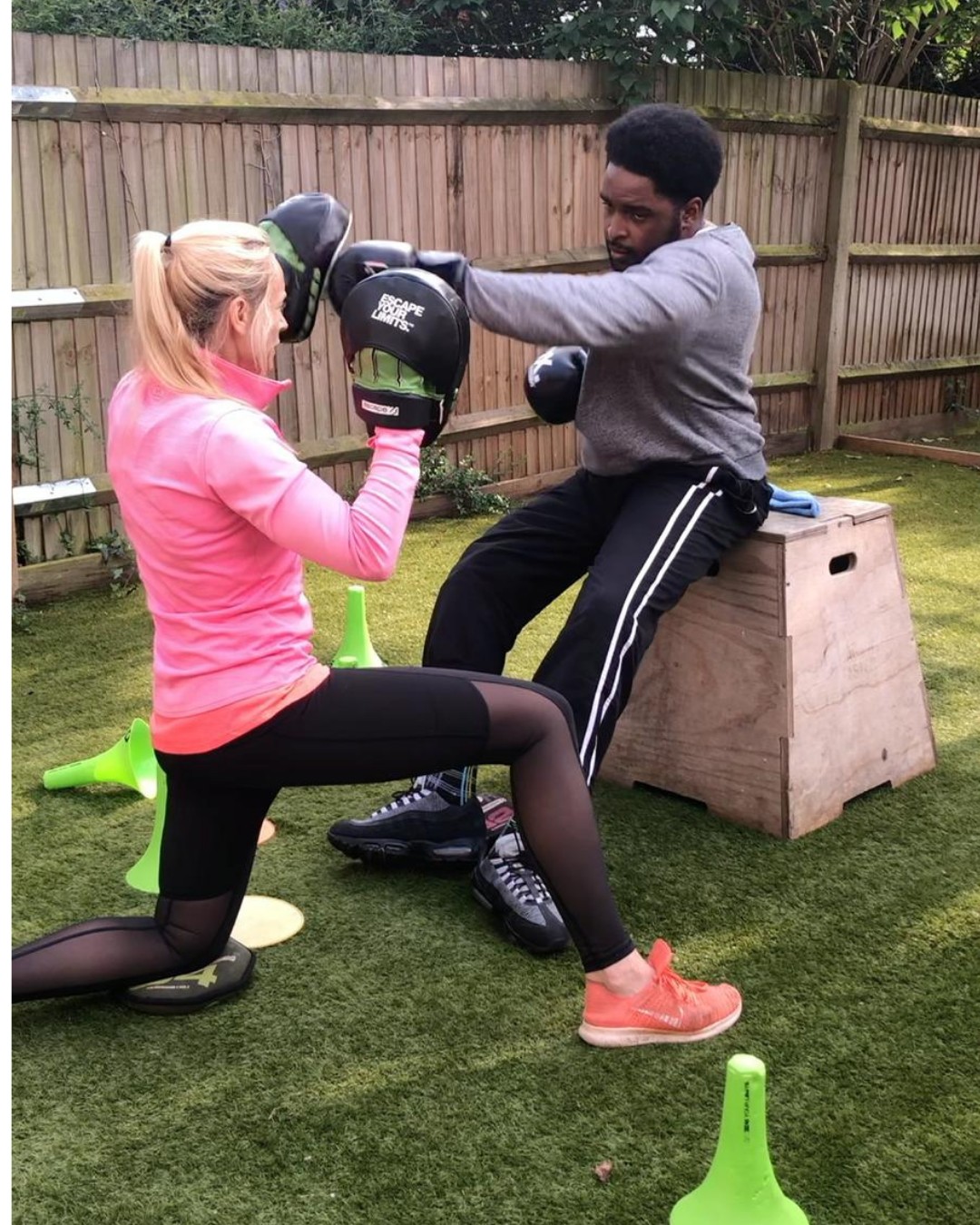
Six Different Coaches Live Inside You, Your Client Just Needs The Right One Today
Movement Trainer teaches six named coaching styles, from the Military Style to the Zen Master, so a trainer can pick the delivery a specific client needs on a specific day instead of running one voice on everybody. The list, and how it's taught, is on our Movement Trainer (AFT) course.
Keep Asking Why Until You Find The Goal Behind The Goal
A client's first answer is rarely the real goal. FASTER's Why Why So So process, taught on the Motor Skill Application Specialist course, is how you dig past it without turning the conversation into an interrogation.

We Teach Personal Trainers How To Program In Blocks For Great Client Results
Movement Trainer's Skeletons and Blocks system gives programming a specific, repeatable deliverable. An Escalating Density Block is one of them: same time, same pair of exercises, more work each time you run it.
Change What's Around A Client, And Their Movement Changes Itself
FASTER's Movement Trainer course teaches six ways to shape a client's movement by changing the space around them, a wall, a line, a gradient, instead of adding another verbal cue.

Turn 'I Need To Sort My Diet' Into A Plan Your Client Believes In
FASTER's Results-Based Nutrition Coach course teaches the TGROW model, five stages that turn a vague client concern into a specific plan they agreed to themselves.
Ask about menopause the way you already ask about everything else, and a client's biggest variable stops going unspoken
A menopausal client rarely raises it themselves. FASTER's courses teach the interviewing that catches it anyway, and the reasoning to programme for it.
Match the session to the body in front of you, not the plan you wrote last night
One programme rarely fits a sedentary client, an injured one and your fittest without a change. Level 3 asks trainers to explain exactly what shifts for each.

Read the shoulders, the breath and the pace to know whether your cue landed
A client says the cue makes sense while their shoulders climb toward their ears. Level 3 asks why non-verbal communication matters: the answer is in the body.
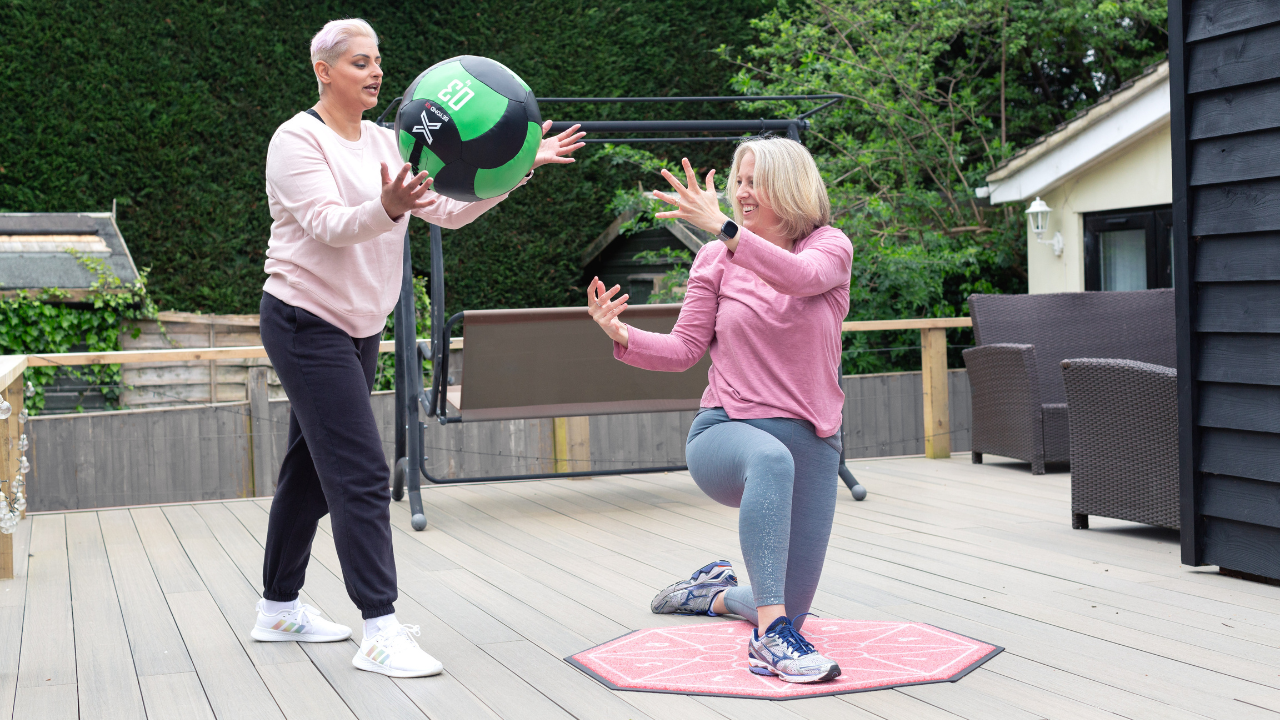
One question gets your client to name the barrier that is really ending sessions
Clients rarely quit because training was too hard. They quit over something in their week they never mentioned. Level 2 teaches you to find it first.
Why some personal trainers have confidence, and it has nothing to do with believing in their own programme
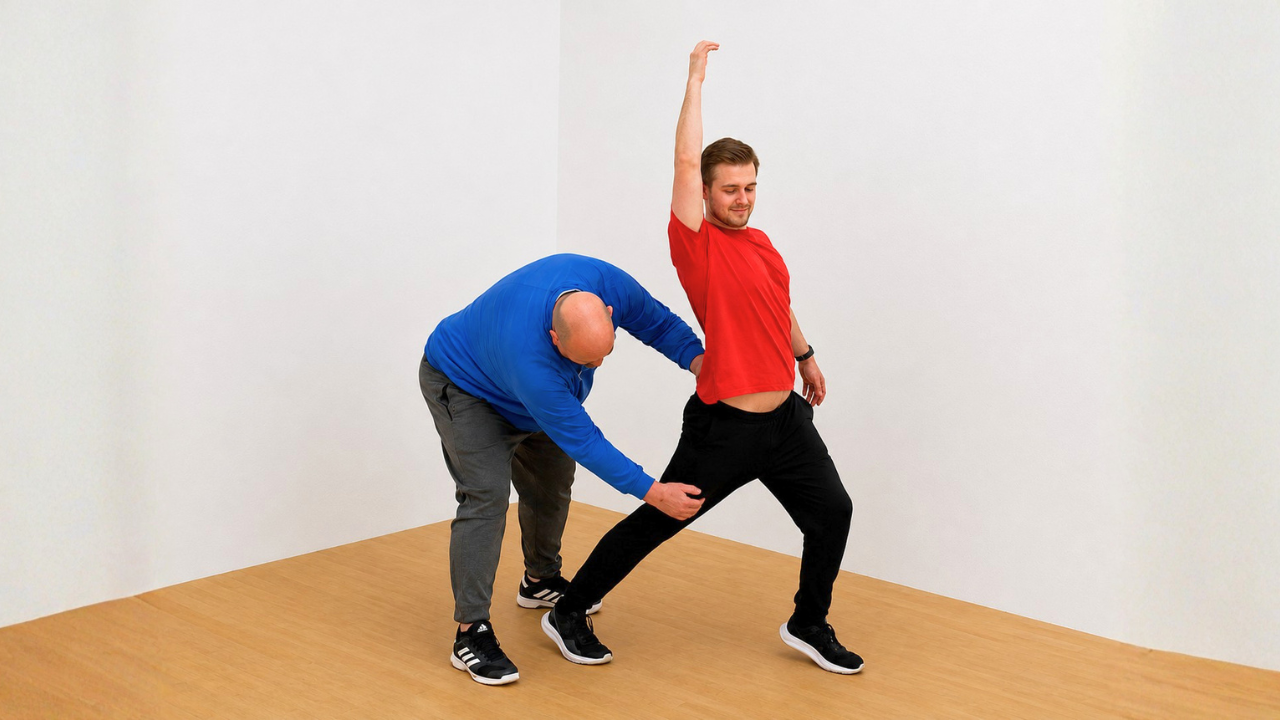
A trainer's product is invisible: it gets judged on a feeling. Confident trainers read whether they are creating that feeling, and that is a learnable skill.
Some clients aren't 'just flexible'. They were taught to move well, and that is a skill you can coach too
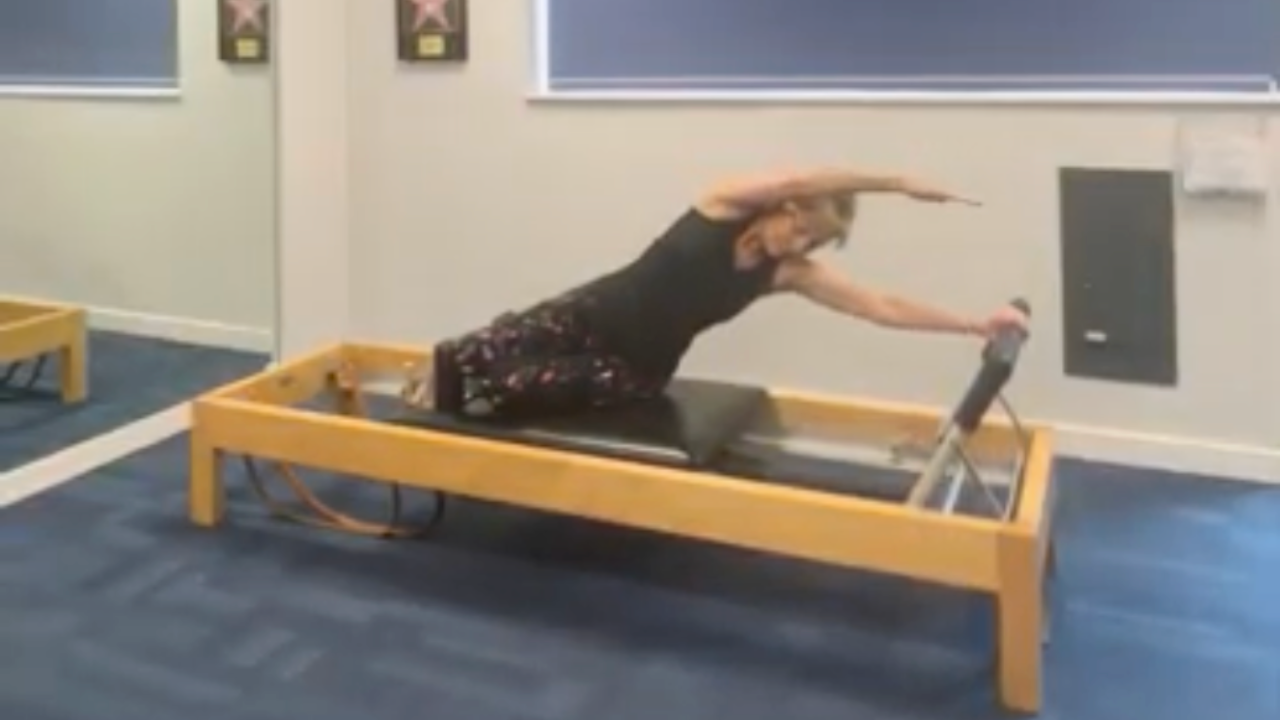
Mobility is a taught skill: joint range someone learns to control and use, not a genetic gift. Skill Driven Mobility Coach turns that into hands-on technique.
Bits of paper, a pile of Google Docs, or £60 a month. Programming for clients deserves better
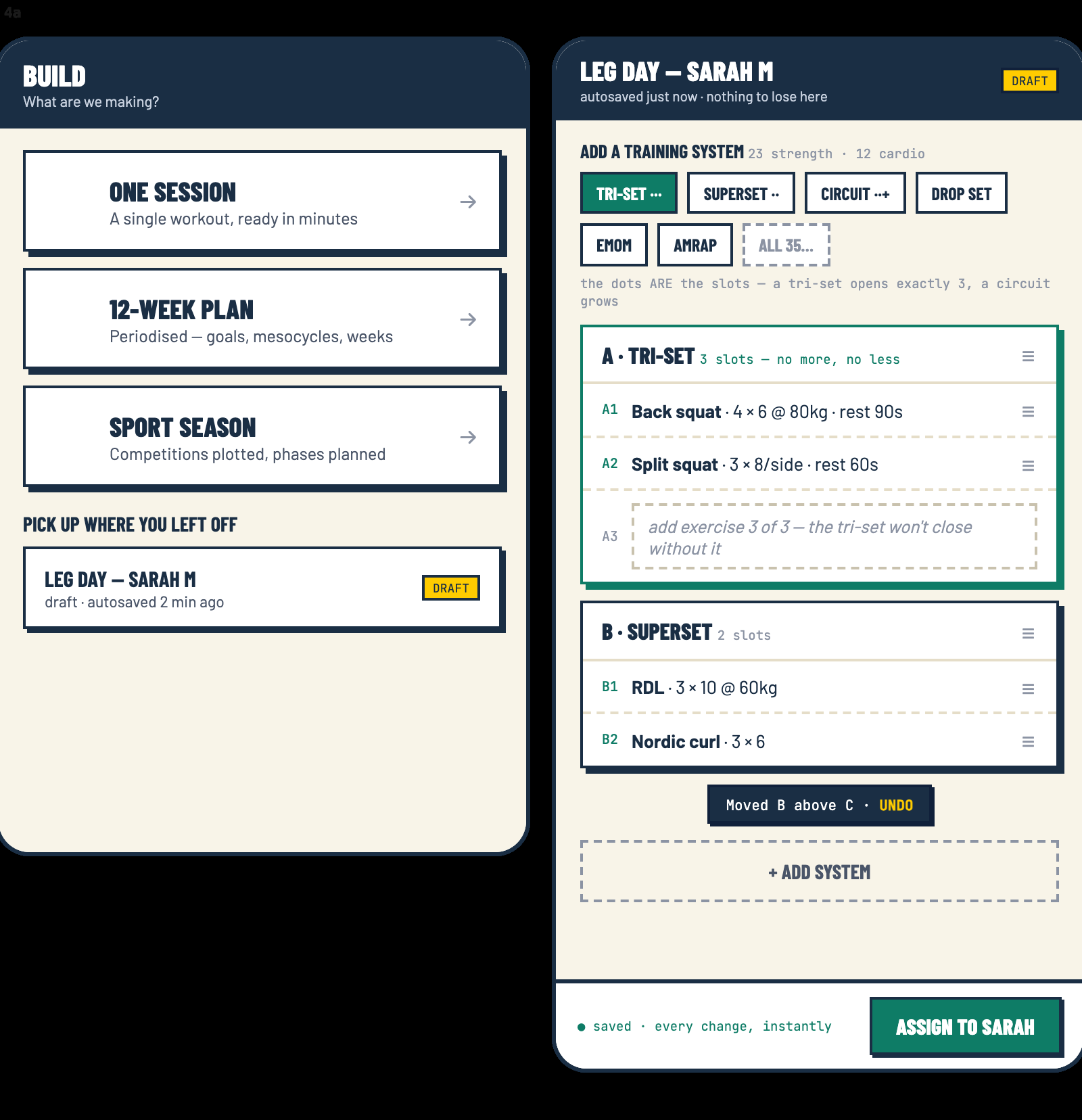
Skeletons and Blocks is the FASTER way to build programmes: mimic the best patterns, then train the client consistently in a way they love. In PT Manager.

Personal Trainer Imposter Syndrome, Part 4: Owning Your Authority
The final step isn't the disappearance of doubt — it's the arrival of authority. Here's how to lead sessions instead of just surviving them.
Personal Trainer Imposter Syndrome, Part 3: Programme Design
Imposter syndrome shrinks when programme design stops being guesswork. Here's the FASTER order of priorities — long-term plan, session design, and story beats.

Personal Trainer Imposter Syndrome, Part 2: A Programme Design Checklist
Imposter syndrome when writing programmes usually means you're missing a system. Here's the checklist I use to cover every angle of programme design.
Personal Trainer Imposter Syndrome, Part 1: Programme Design
Programme design is where imposter syndrome hits many trainers hardest. Here is what a programme really is, and why doing it right builds your confidence.

How to Spot a Dodgy Fitness Technique or System
The fitness industry has more answers than questions. Here is a simple filter for working out why a technique seems to work — and whether it actually does.
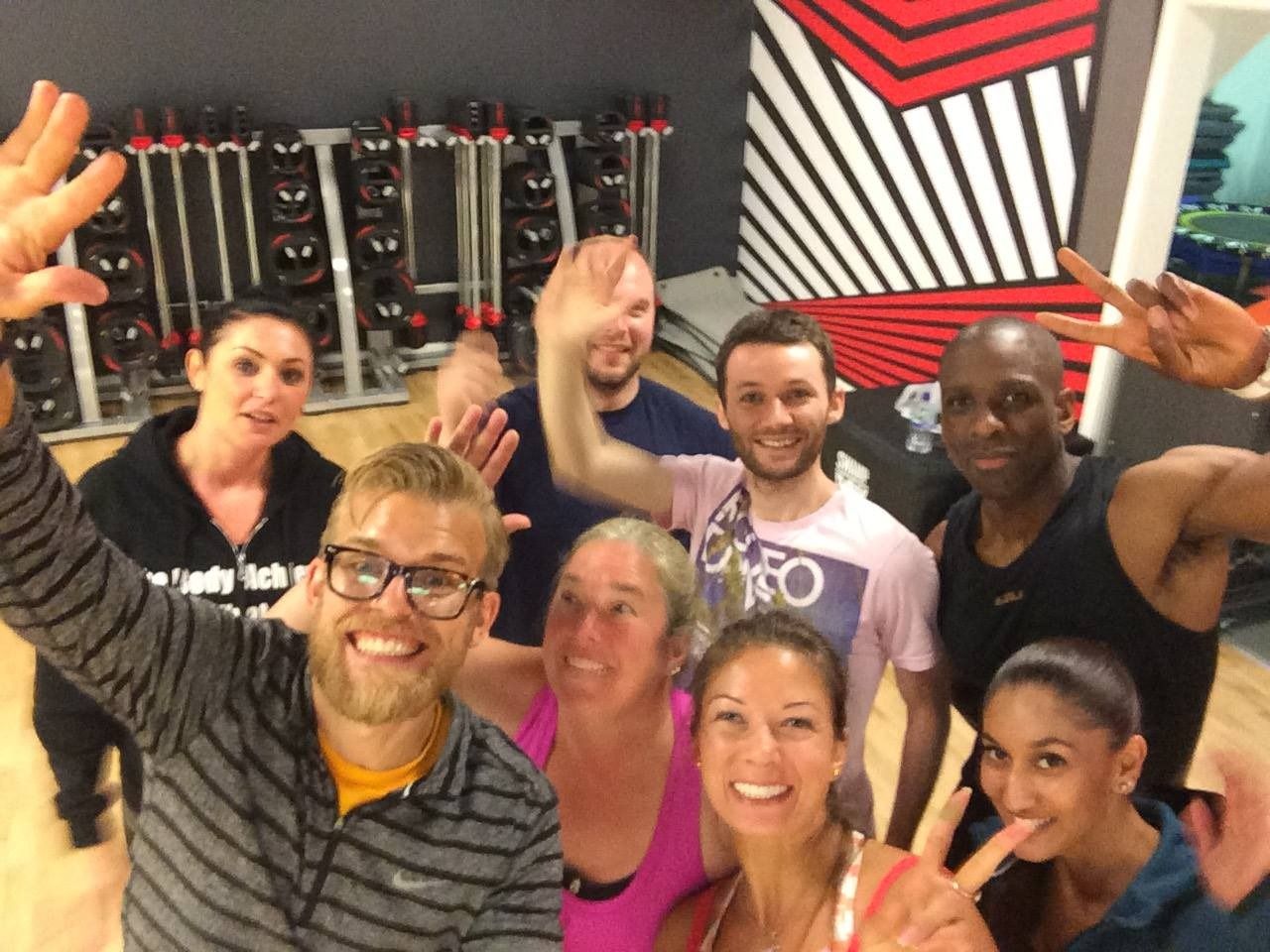
Using Games with Clients in Pain
Why bringing games into sessions with clients in pain builds engagement, gives you real-time assessment, and helps people rebuild a healthier relationship with movement.
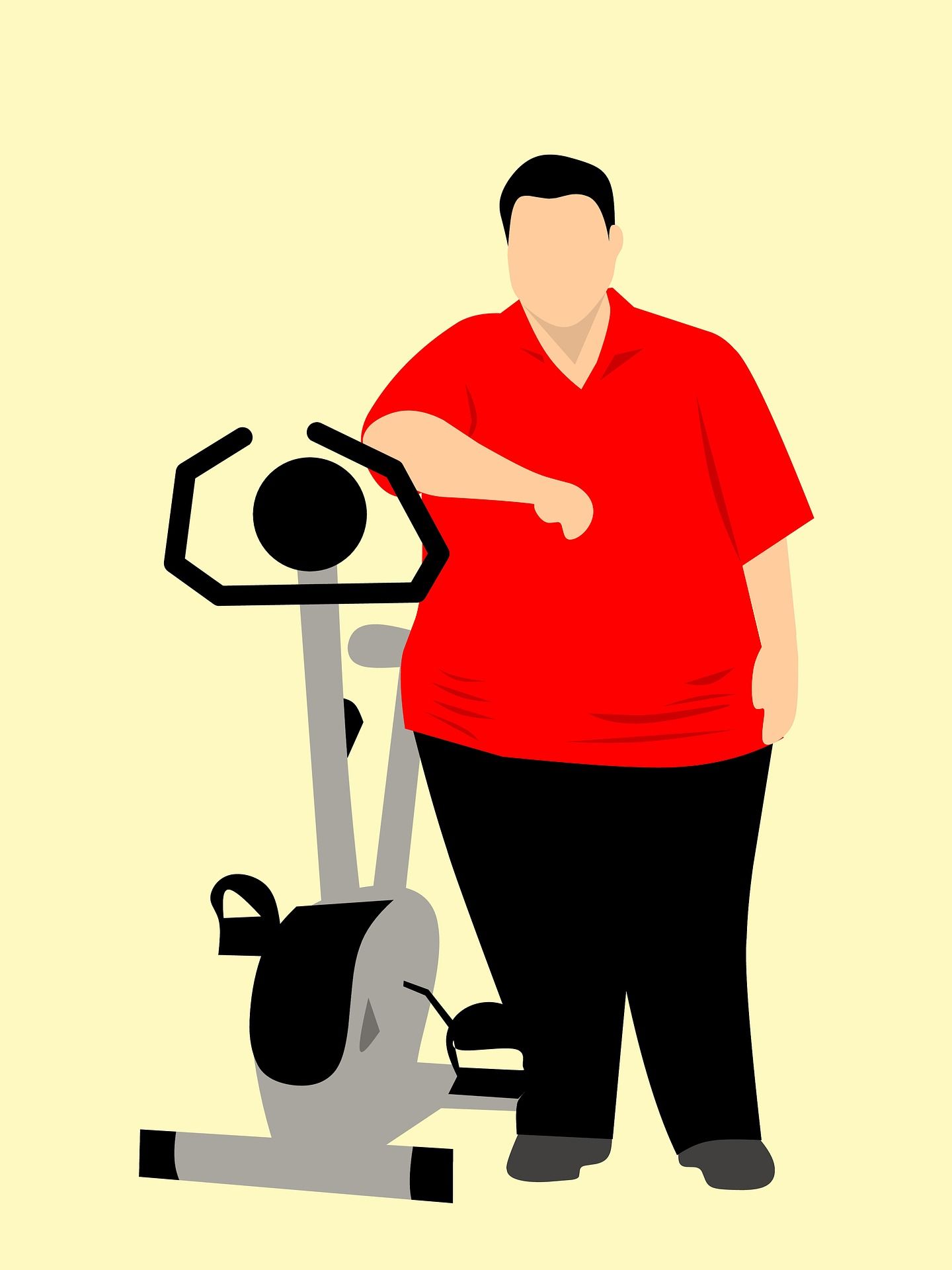
Putting the Fat Personal Trainer Debate to Bed
Does a personal trainer have to be lean to be good? The industry loves this debate. Here is why it measures the wrong thing entirely.

New Year, So What? Trainers and Weight-Loss Preaching
Exercise is not just for January. A trainer's job is to help people reach their goals when they are ready, not to guilt-trip them into a workout.
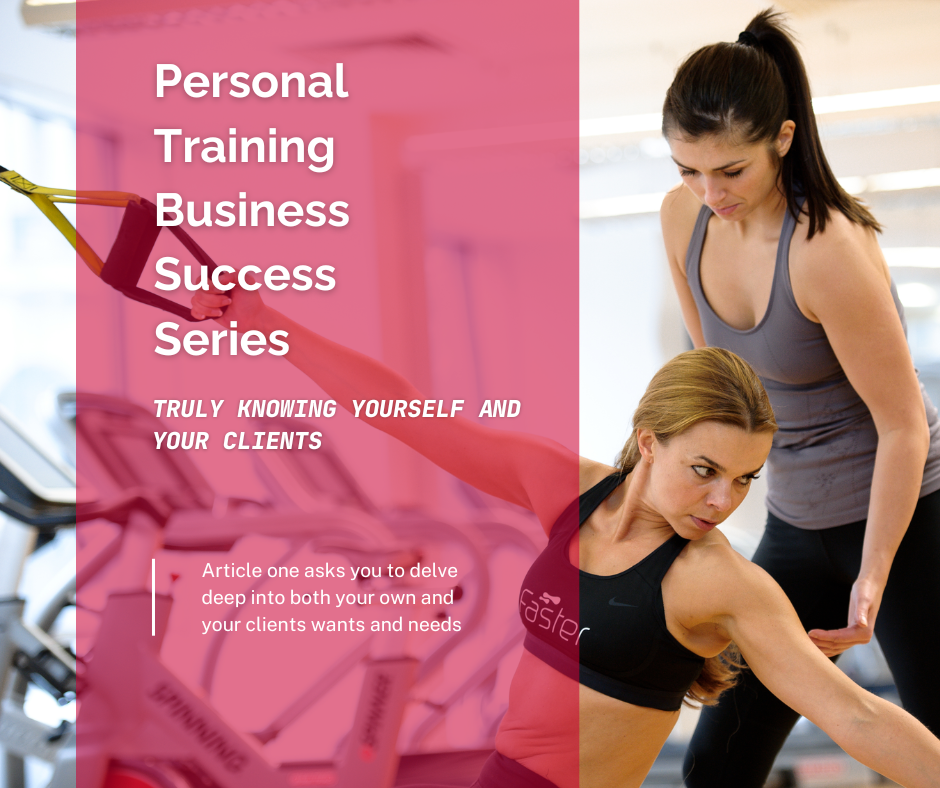
Success Series: Truly Knowing Yourself and Your Clients
The self-awareness exercise that underpins everything from marketing to retention — because long-term success as a trainer starts with knowing what makes you and your clients tick.

How Not to Finish a Client Consultation
A popular bit of consultation advice — 'is there anything important we haven't covered?' — is worse than it sounds. Here's why, and what to do instead.
More from the FASTER blog
Grow your brain for free
Let's not pretend. It's a mailing list. Blogs, useful ideas and things we are excited about, in the hope you learn something and get results. No spam, unsubscribe any time.