Home› Blog› Workouts & Exercises
30 ARTICLES
Workouts & Exercises
Sessions, drills and exercise selection, written for a trainer with a real client in front of them rather than a template to fill in. Whatever kit you have, there is more in it than you are using.
Hold Still, Then Move Fast, And A Plank Does Two Jobs In One Block
Movement Trainer's Skeletons and Blocks system names an Isometric-Integration Block: blend a static hold with a dynamic movement, no rest between the two, so one block trains stability and strength at the same time instead of treating them as separate sessions.
Rest One Minute After A Heavy Lift, And The Jump That Follows Gets Stronger
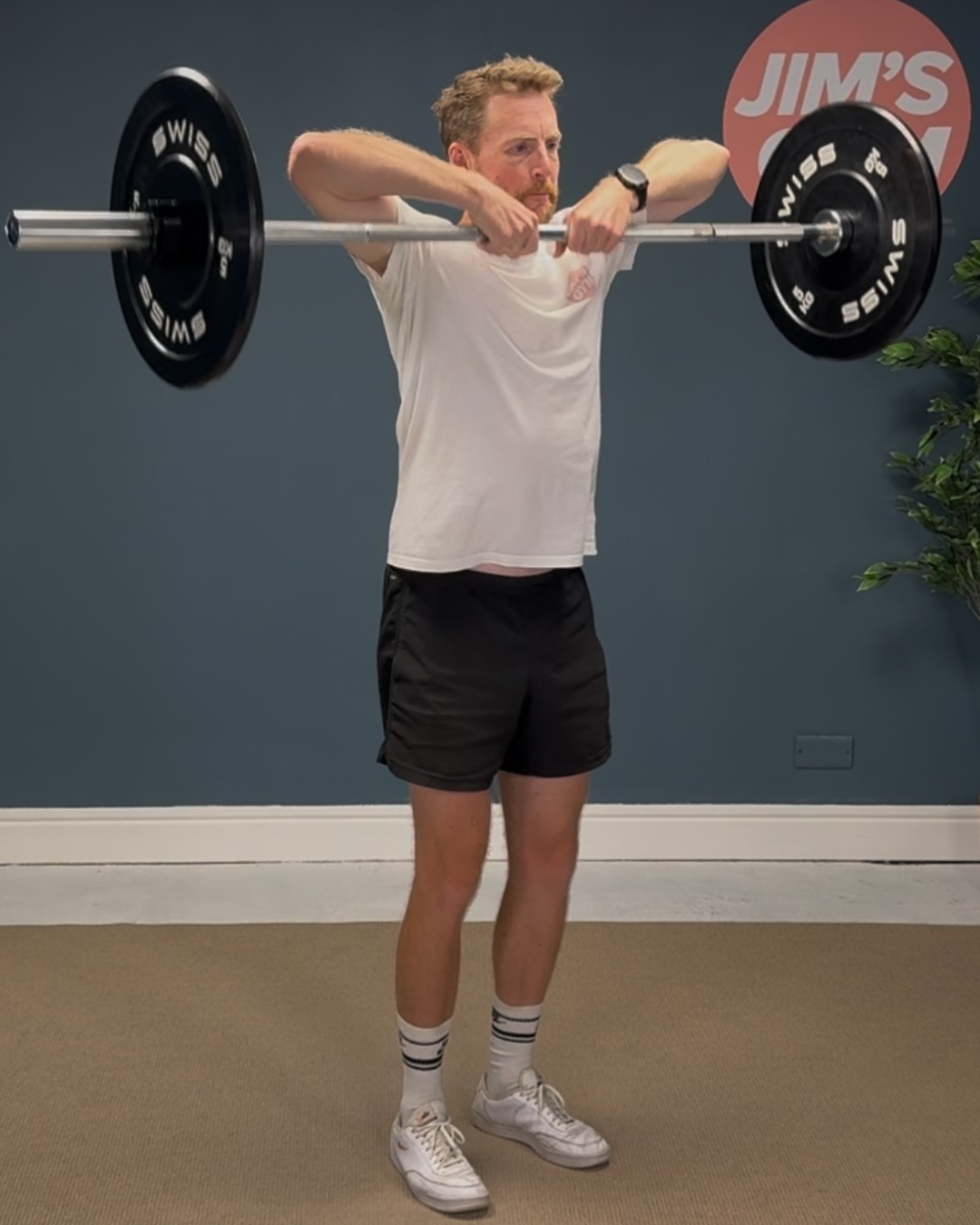
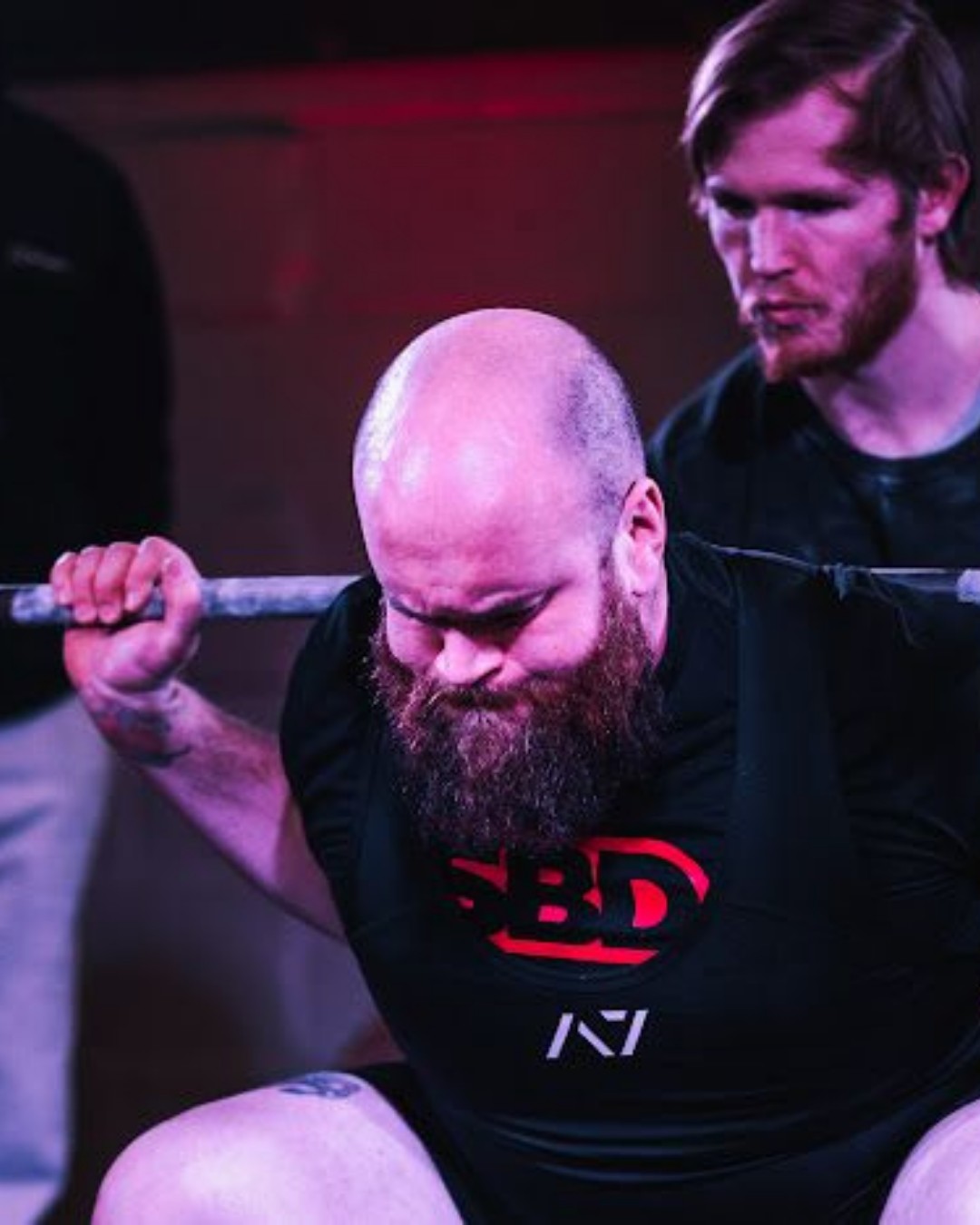
Movement Trainer's Skeletons and Blocks system names a Contrast Training Block: pair a heavy strength exercise with a plyometric one to exploit the post-activation potentiation effect. The rest sits in two different lengths for two different reasons, and getting that order right is the whole block.
The Same Exercise Has Fourteen Ways Left Before It Needs Replacing
Movement Trainer's Building Exercise Progressions lesson lists fourteen separate dials a trainer can turn on one exercise — weight, tempo, angle, range of motion, unilateral loading and more — before a client's programme ever needs a genuinely new movement.
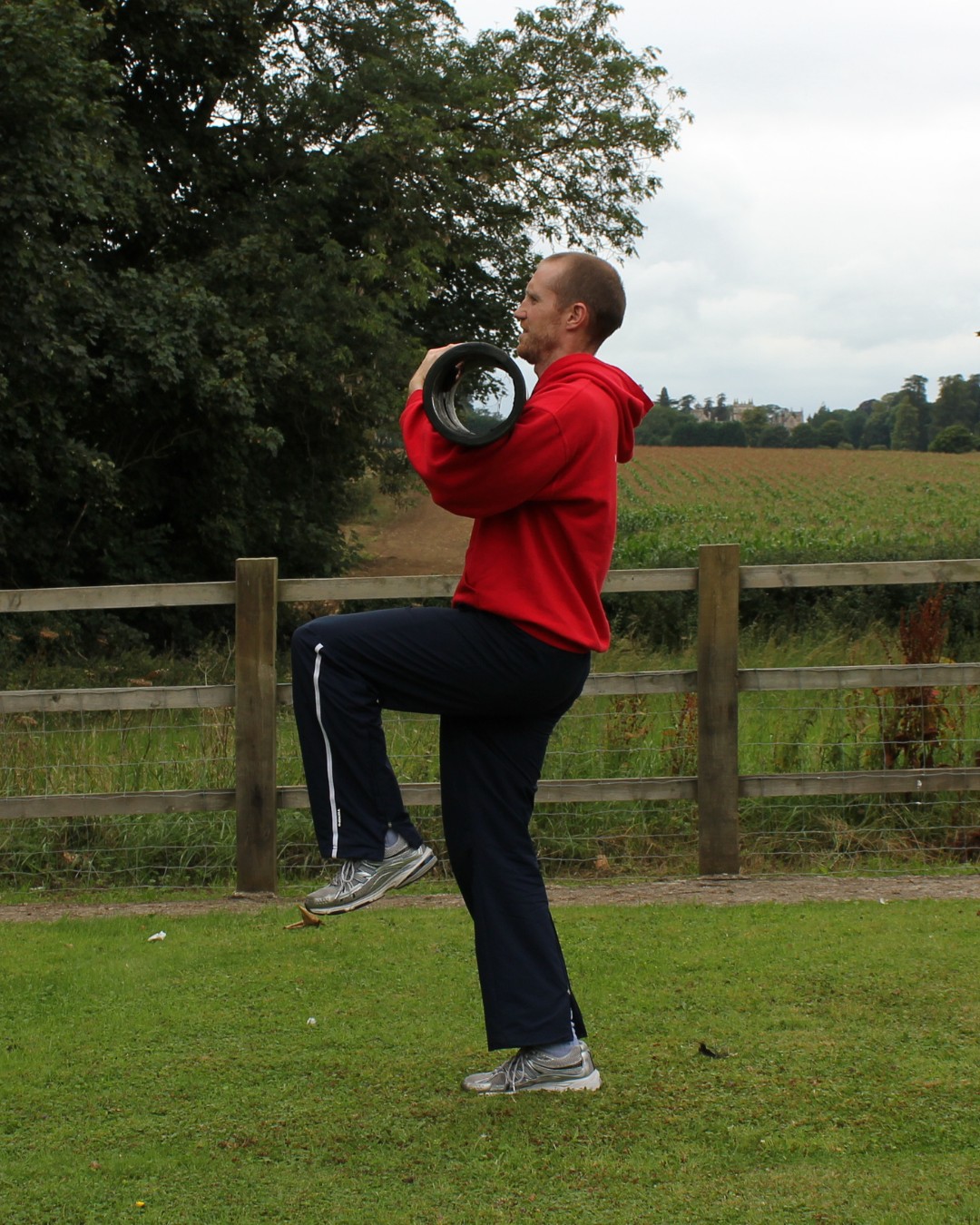
Kit Doesn't Create Exercises, Force Does, And That's Why You Never Run Out
Movement Trainer sorts every piece of kit in a gym into three jobs it can do to a body — enhance gravity, magnify momentum, or make the floor unpredictable — instead of sorting it by name or brand. Once a trainer can read the job, the same kettlebell becomes three different tools, and the room is never short of exercises.
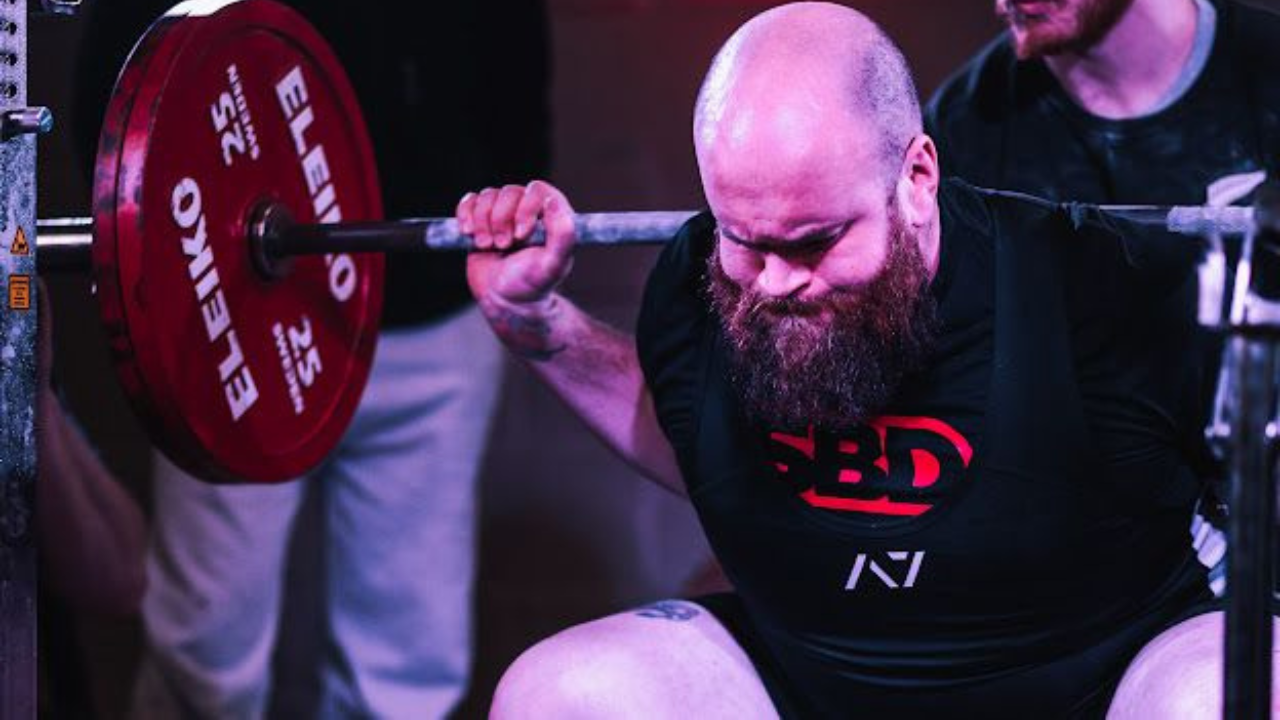
Giant Strength Power Sets Pair A Heavy Lift With An Explosive One, In The Same Block
Movement Trainer's Skeletons and Blocks system includes a Giant Strength Power Set: a heavy strength movement supersetted straight into an explosive one, back to back, no rest between the pair.
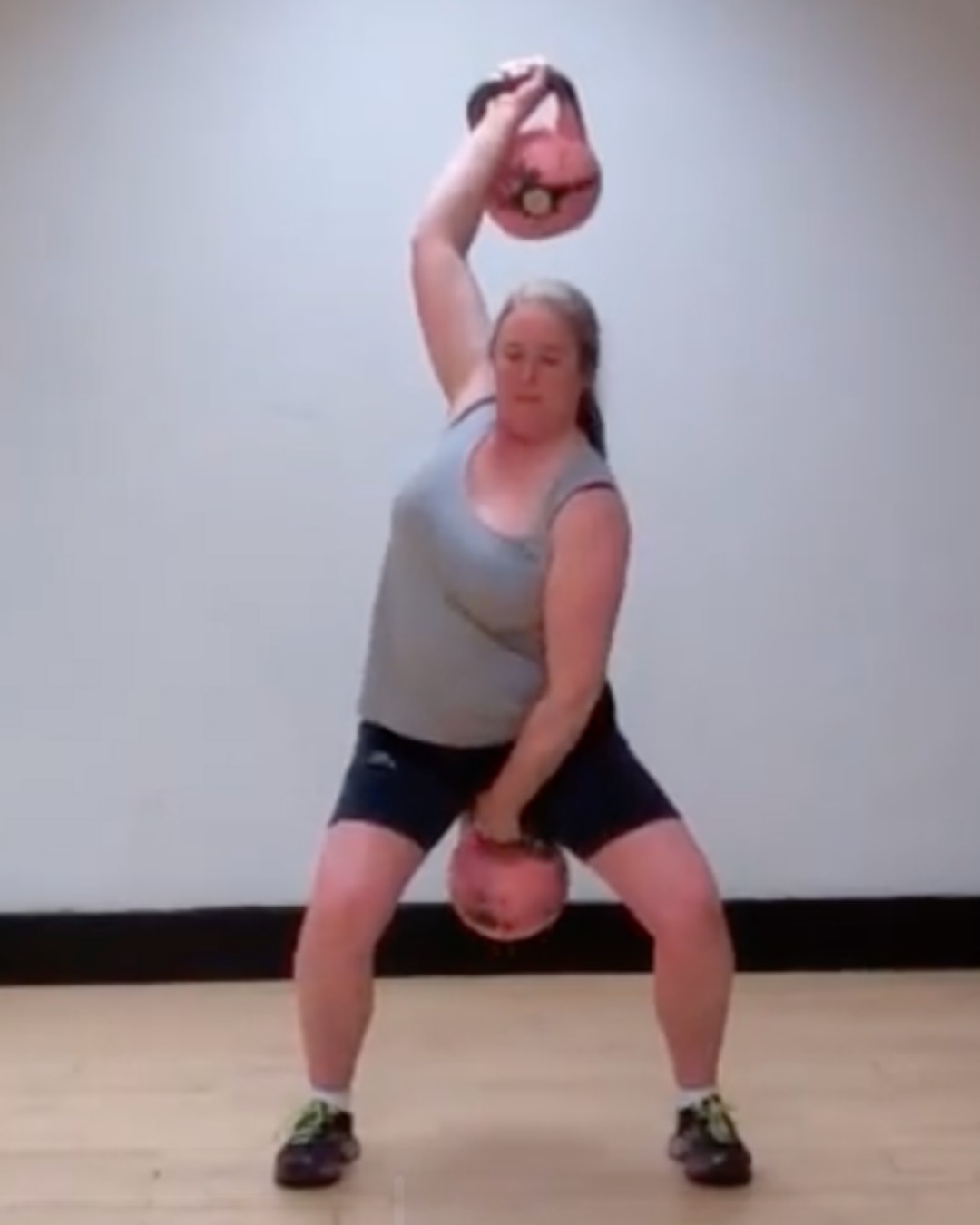
A Block Only Counts As Functional If It Matches What The Client Actually Does
A functional circuit block chains movements that mimic what a client actually does day to day or in their sport, run back-to-back with minimal rest. Movement Trainer (AFT) teaches it as one block inside Skeletons and Blocks, FASTER's own programme-design system.
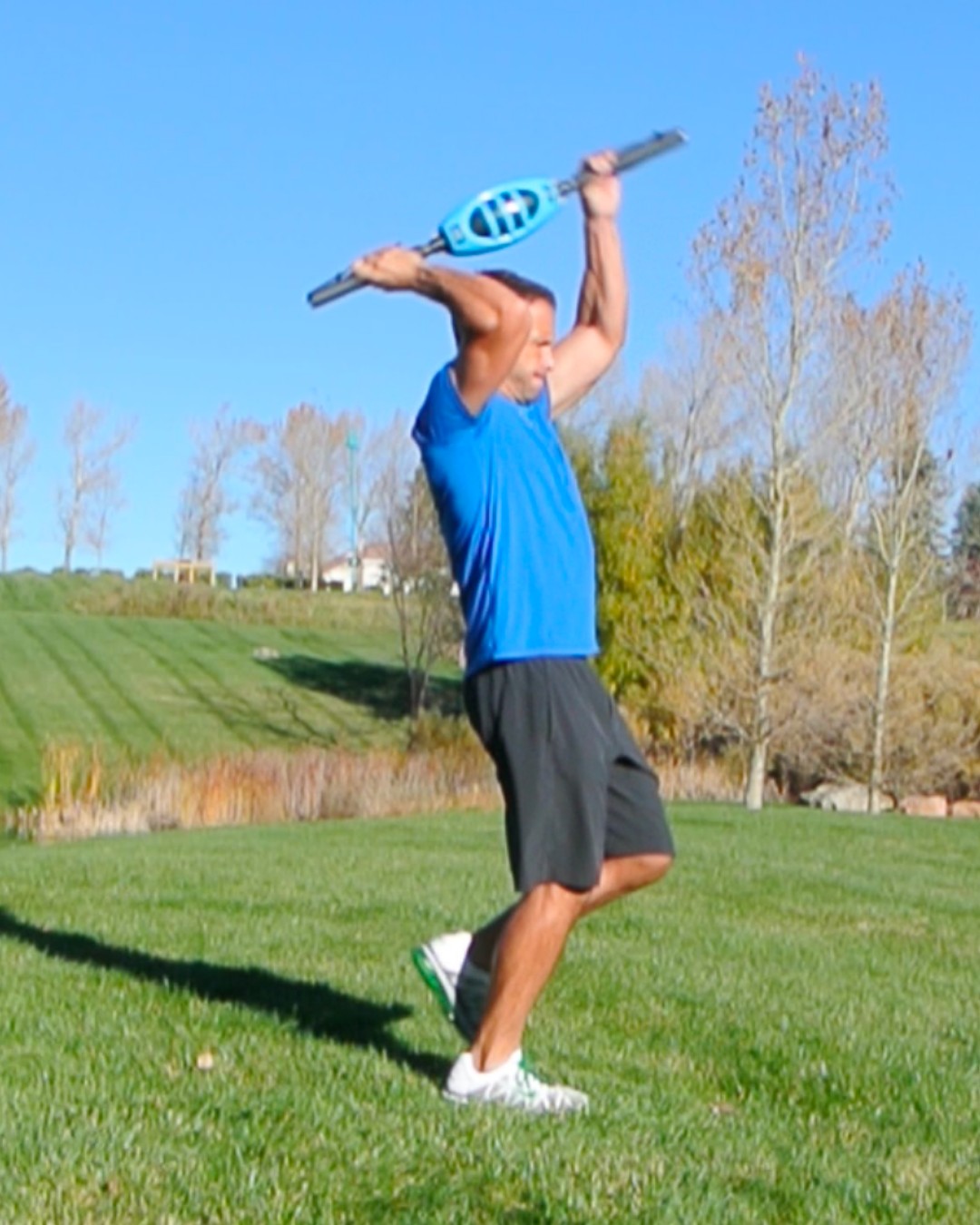
One Exercise, Four Rep Ranges: How A Wave Set Trains Strength And Size Together
A wave set runs one exercise through four different rep ranges in a single session, the weight adjusted at each step, so strength and size both get trained without a separate day for each. Movement Trainer (AFT) teaches it as one block inside Skeletons and Blocks, FASTER's own programme-design system.
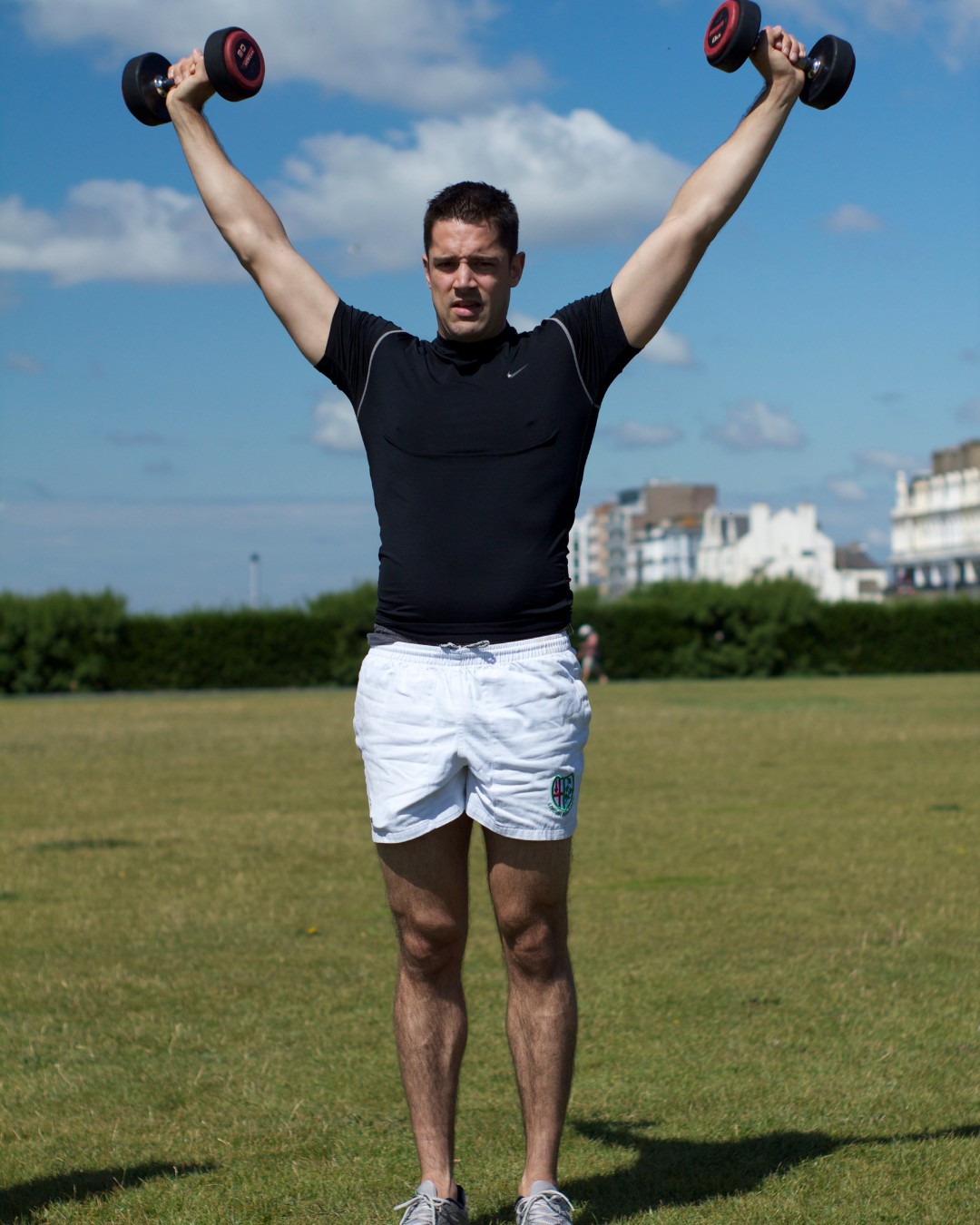
Break A Heavy Set Into Pieces, And A Client Lifts More Than They Think
A cluster set breaks a heavy set into small pieces with a short rest inside it, so a client can lift the weight they wanted rather than a lighter backup. Movement Trainer (AFT) teaches it as one block inside Skeletons and Blocks, FASTER's own programme-design system.
Change The Load, The Speed Or The Hold, And The Same Squat Becomes A Different Exercise
A mobility squat, a flexibility squat, a strength squat and a power squat are the same movement doing four different jobs. Skill-Driven Mobility Coach teaches how load, speed and hold change what an exercise is actually training.
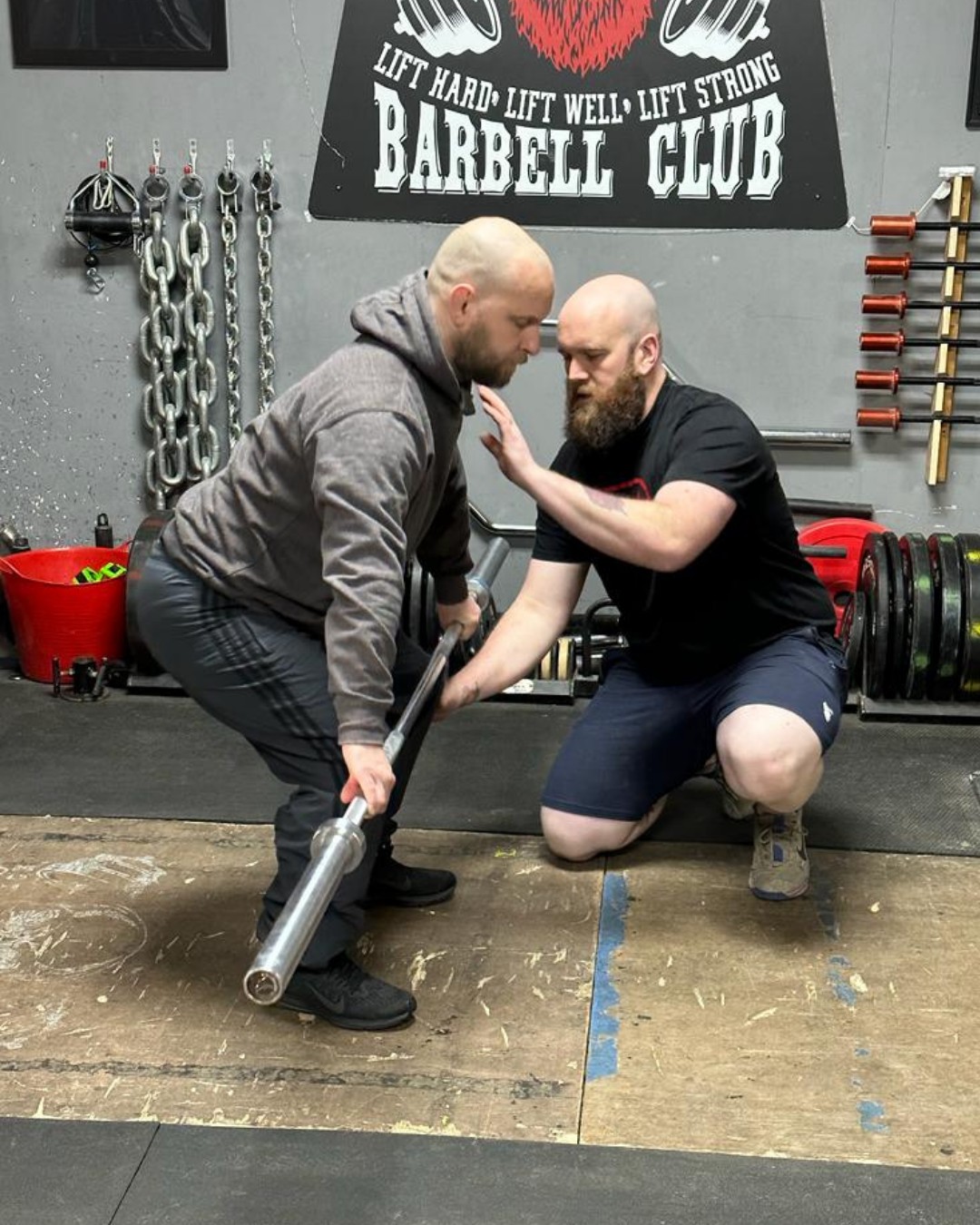
Fourteen Ways To Progress Any Exercise Before You Reach For A New One
Movement Trainer lists fourteen ways to make one exercise harder, easier or different, weight, tempo, angle, rest, range and more, before a trainer ever needs a new movement.
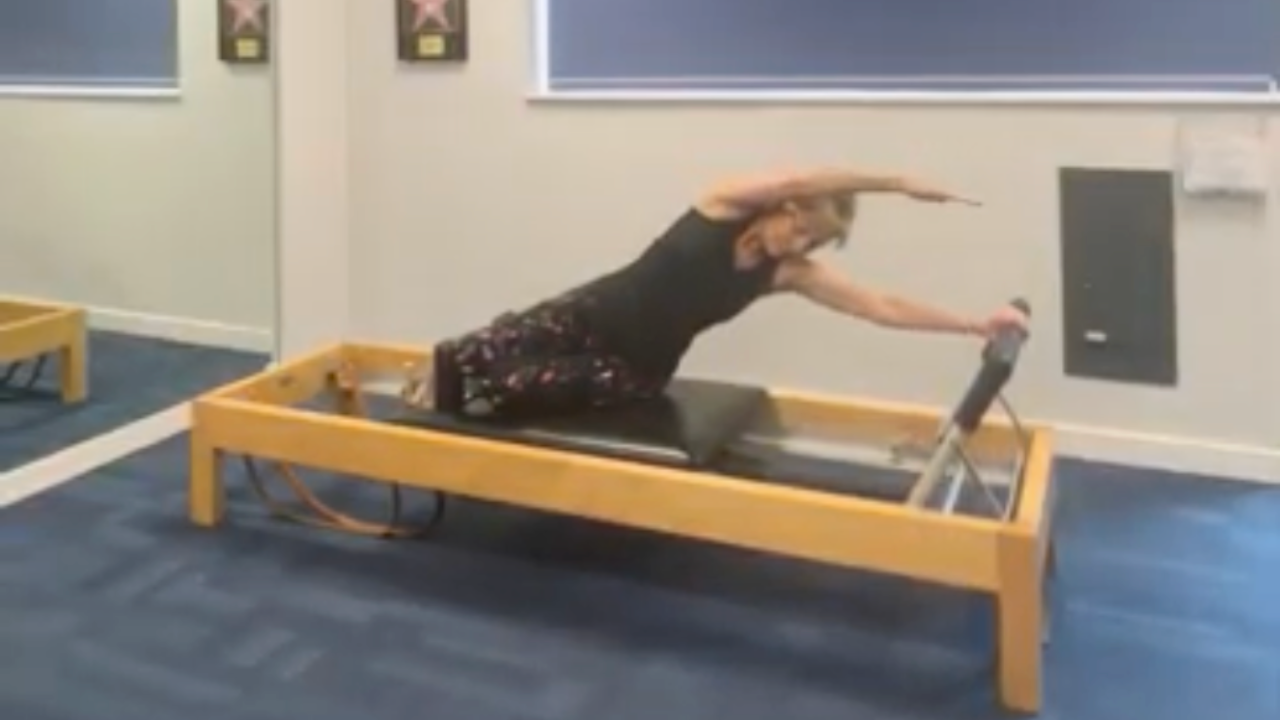
Add Pilates Strength Work To Your Sessions, No Full Pilates Qualification Needed
Pilates Injury Strength and Movement Specialist teaches why the exercises work, not just how to copy them, so you can build past them with any client.
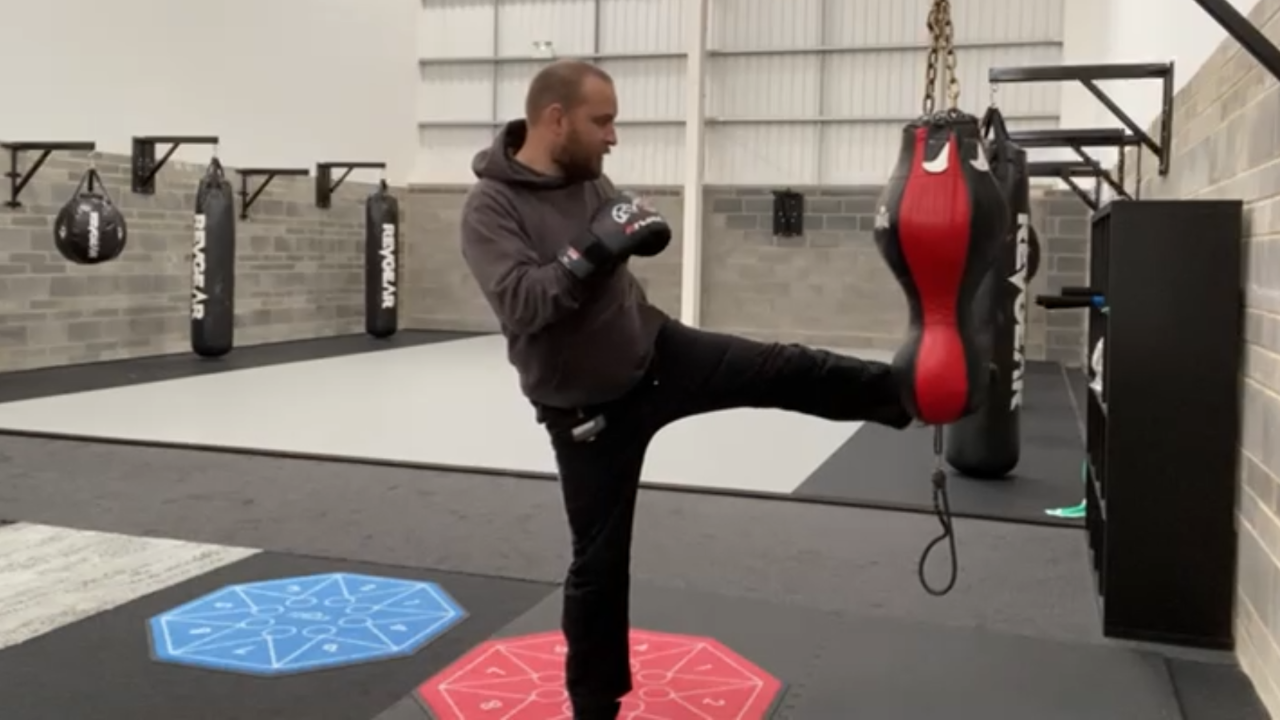
Turn the cardio block into pad work and your client asks for the hard bit
Clients don't rebook for the treadmill block. Advanced Combat Techniques turns cardio, speed and agility into sessions people actually look forward to.
Dose the soreness on purpose and your new client comes back for session two
A new client who can barely manage the stairs two days later isn't proof you know your job. Level 2 teaches DOMS: soreness is a choice, not an accident.
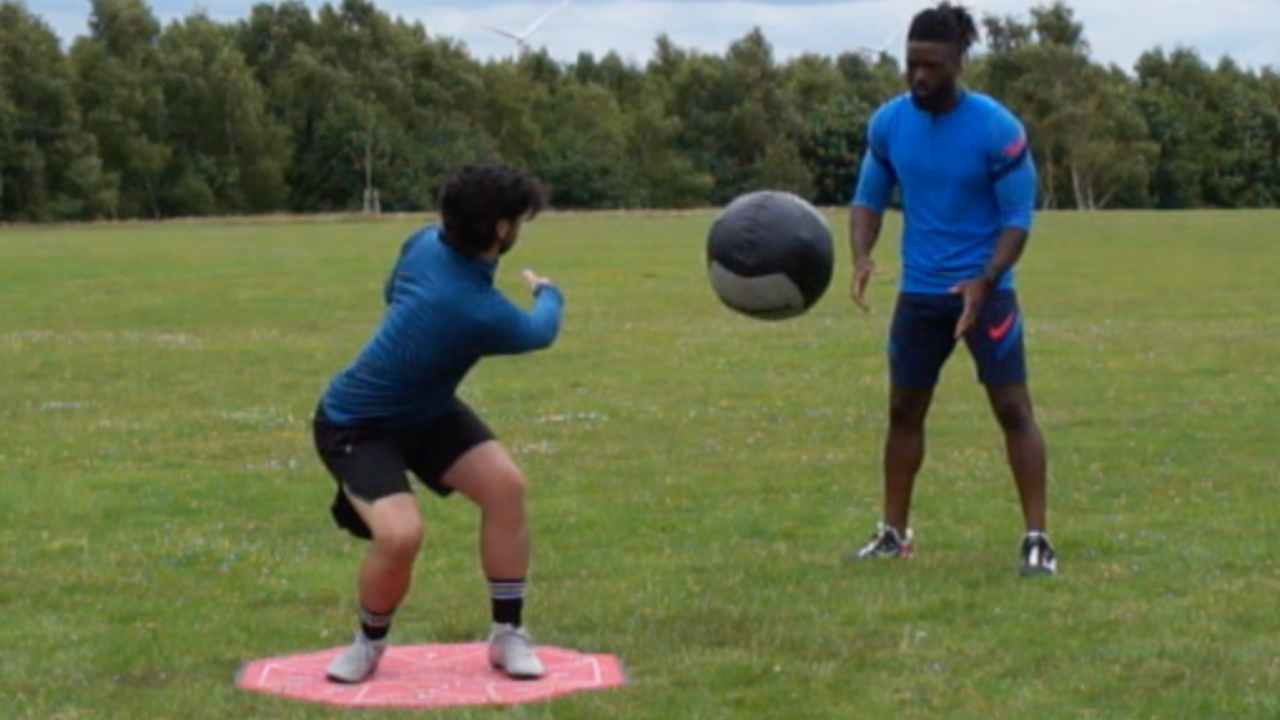
A plateaued client doesn't need a new programme, just a bit more load. The industry sells periodisation for what's really a few extra kilos
Progressive overload means a small, tracked bit more than last session. Why the industry inflates it, and how Level 2/3 teaches you to catch plateaus.
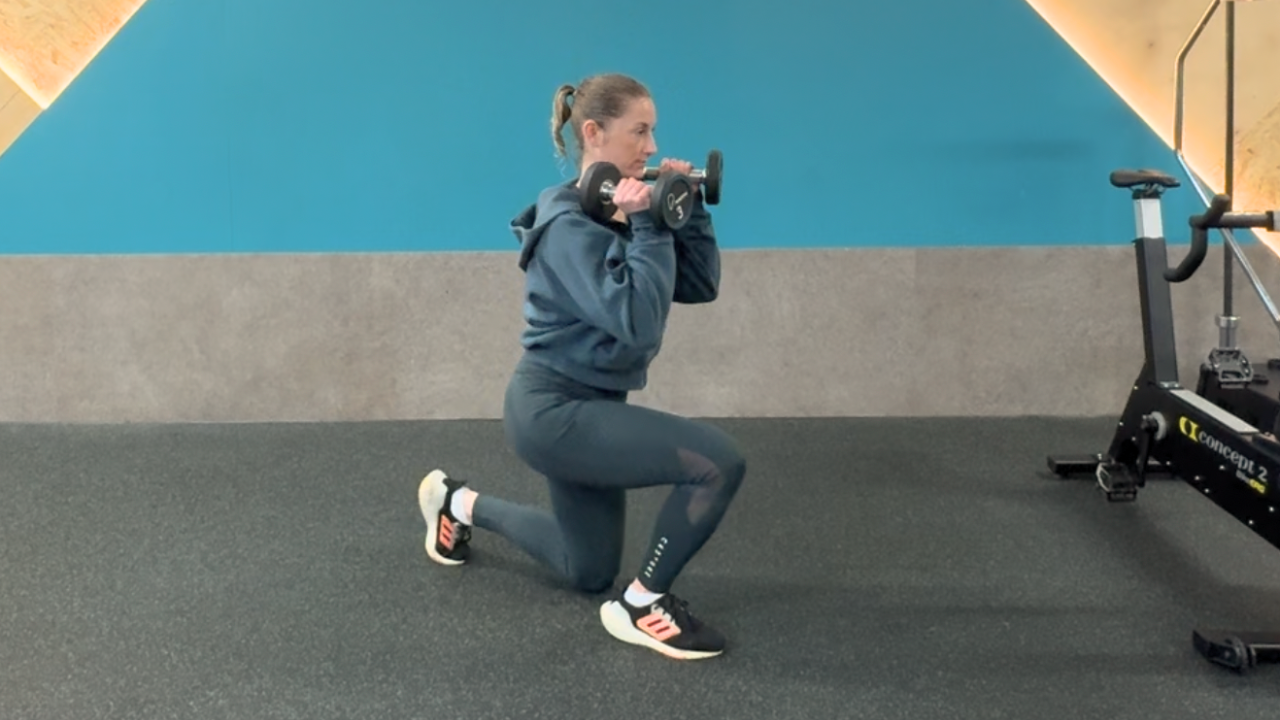
Squat depth is a hip crease passing a kneecap. The industry turned a joint angle into a personality test
Squat depth is the hip crease dropping below the top of the knee. Why the industry treats it like a referendum, and how Level 2/3 coaches it to the person.
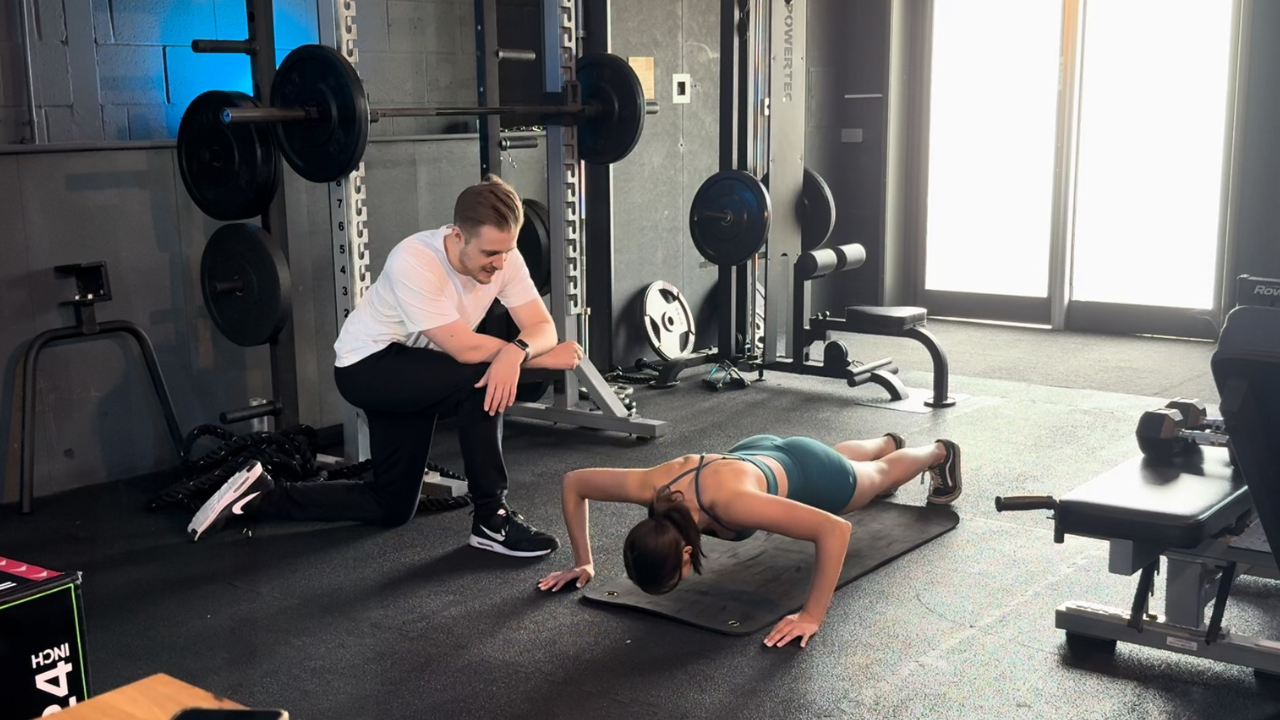
A balanced session is a push for a pull, and the front of the legs for the back. Learn the rule, then earn the fun of breaking it
At Level 2/3, balancing a session is insisted on: a push earns a pull, the front of the legs earns the back. The rule comes first; breaking it well comes later.
A hip hinge is bending at the hips. The industry made a fortune pretending it is harder than that
A hip hinge is bending at the hips while the spine stays still. Why the industry overcomplicates a fundamental, and how a Level 3 trainer learns to see it.
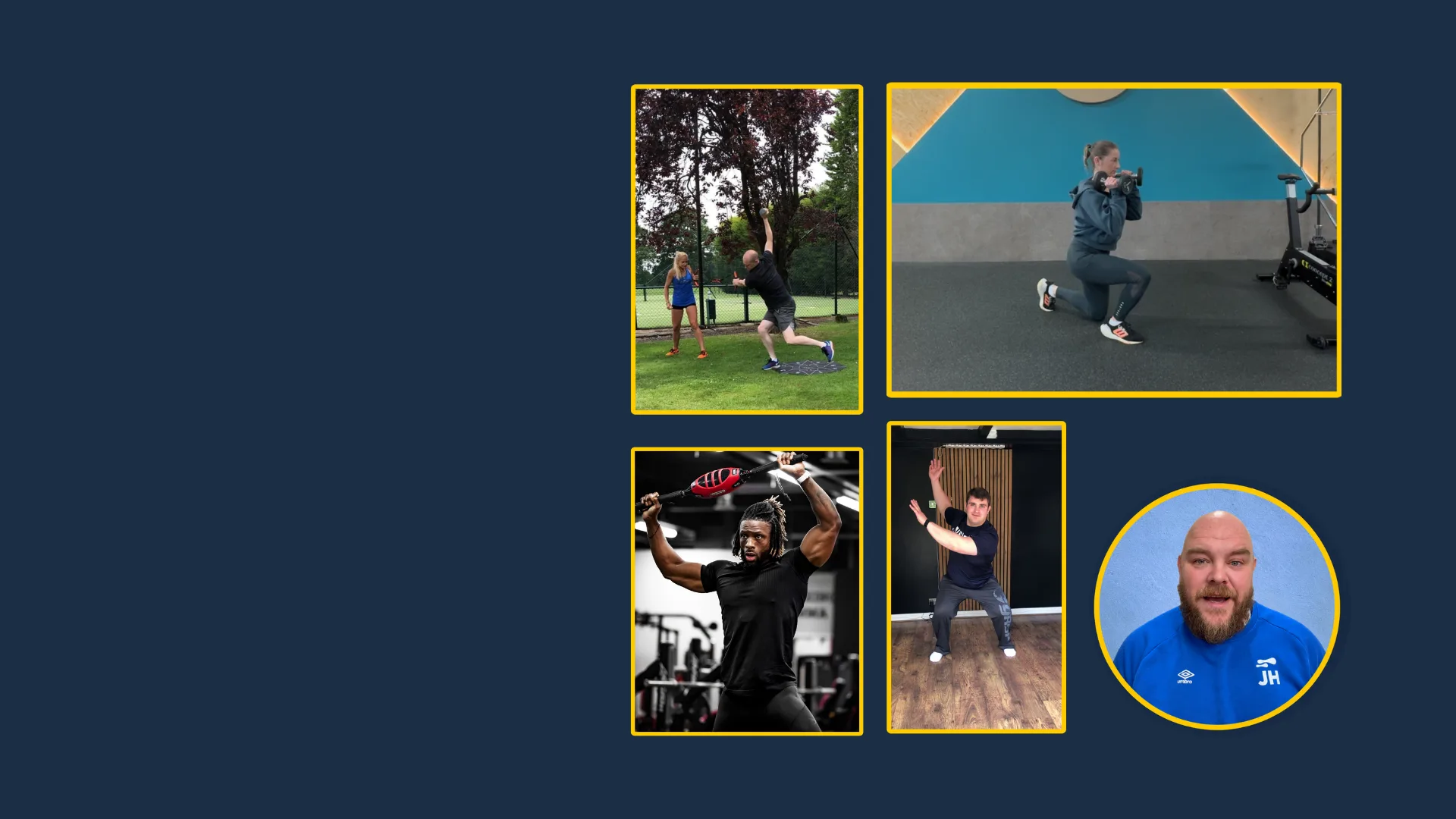
The best exercise isn't in an app with 500 of them. It is the one built for the person who turned up today
The best exercise for a client is rarely in an app with 500 of them. Here is how FASTER trainers build movements from feel, emotion and what they can see.
Skeletons and Blocks: How to Build Programmes on the Spot
The FASTER way to write programmes fast without them all looking the same — skeletons for the shape of a session, blocks for what goes inside.
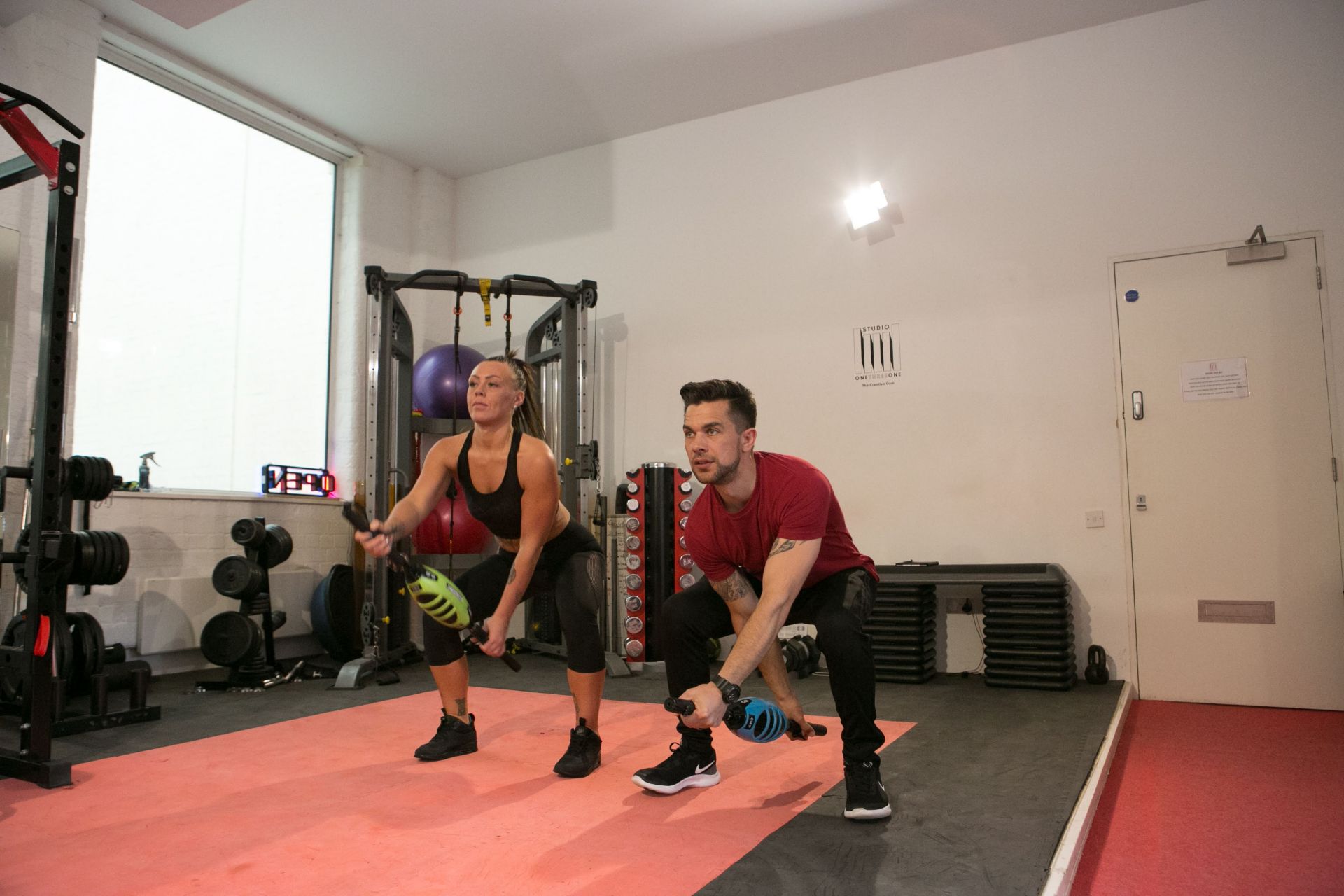
5 Core Momentum Trainer Exercises
A simple Core Momentum Trainer workout for the abs and supporting muscles, plus how the CMT actually builds core strength through force you have to control.
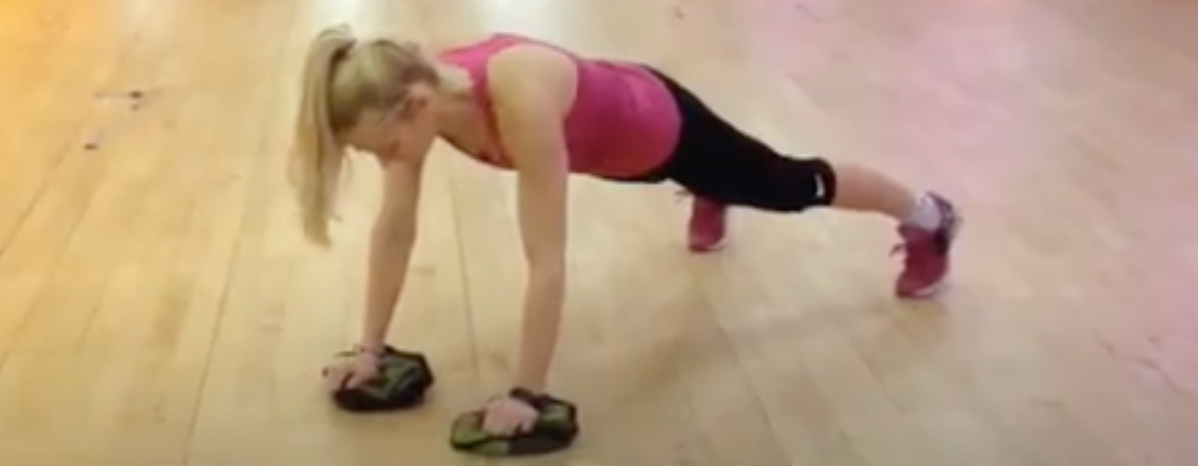
5 Favourite GRIPR Exercises
Five practical GRIPR drills that train the deep core and add an unpredictable, reactive element to your sessions and small-group training.
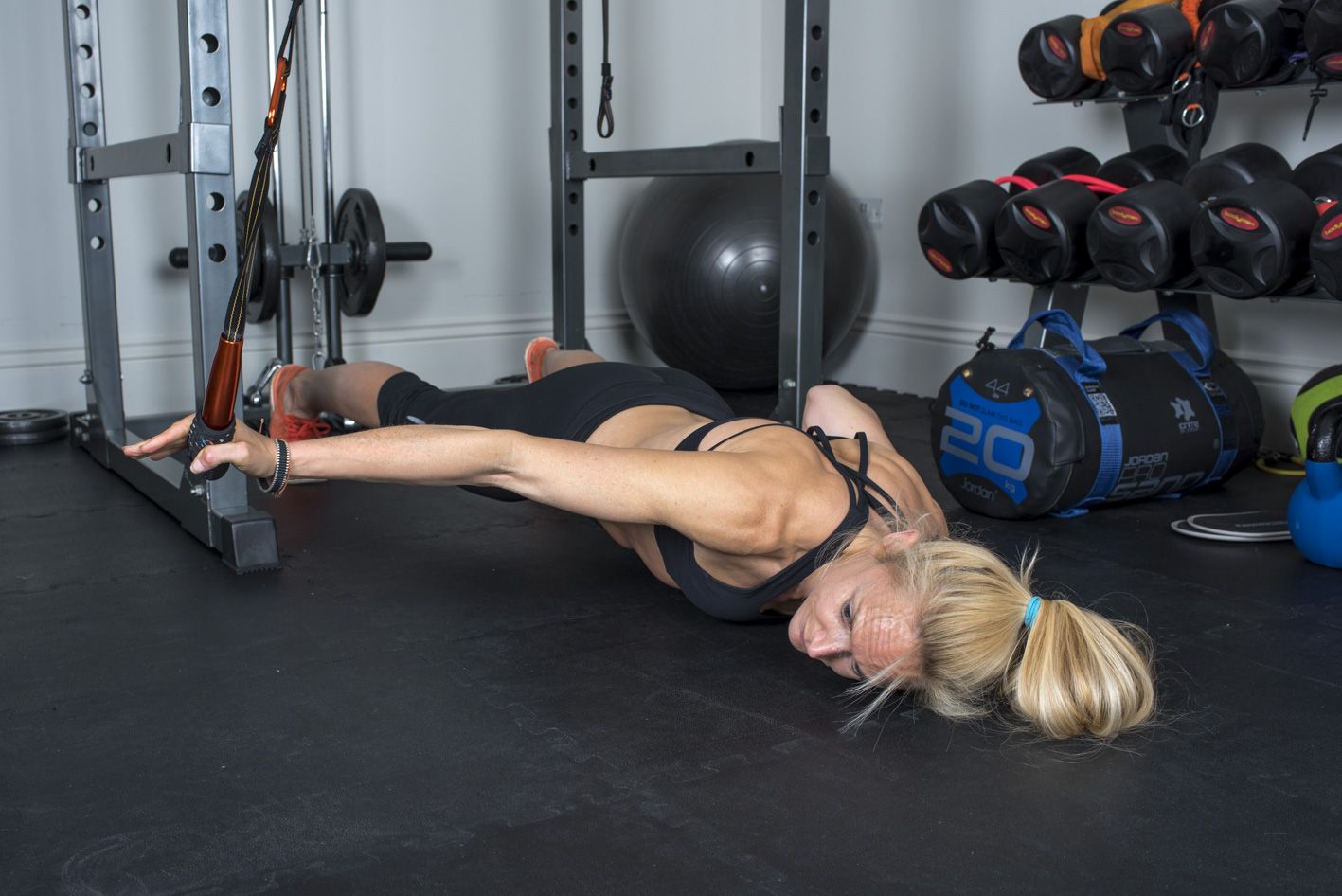
6 Exercises With GRIPR and Suspension Trainers
A full-body strength and core session that pairs an unstable sandbag load with suspension-trainer bodyweight work — six exercises, four rounds.
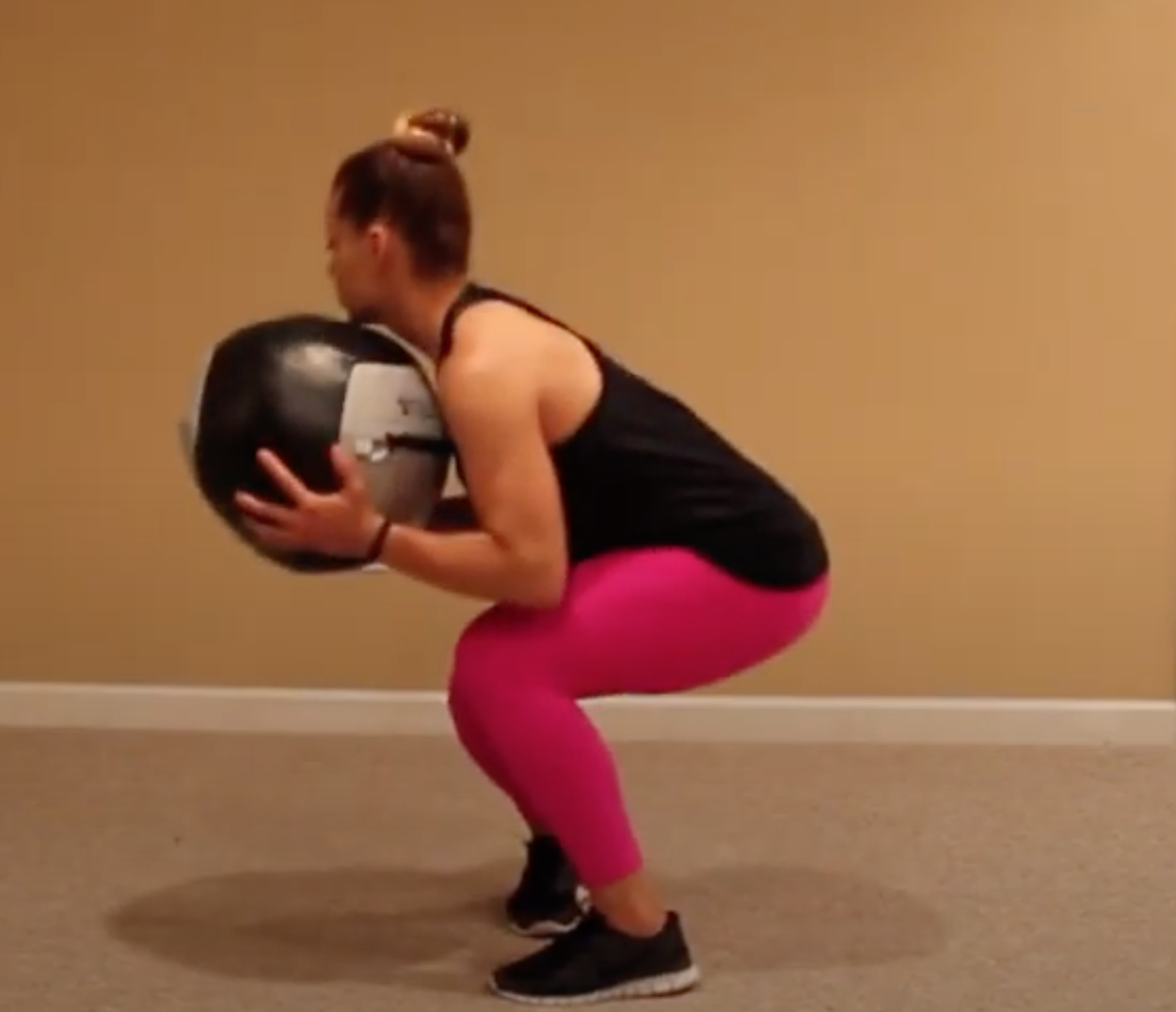
Exercise of the Day: Medicine Ball Russian Twist to Rotational Pass
A medicine ball drill that uses post-activation potentiation — a standing Russian twist to prime the muscles, then a powerful rotational throw.
Can a Functional Trainer Deadlift?
The labels — functional, strength and conditioning, holistic — are a distraction. Great trainers all work through the same system, and it shows in their programmes.
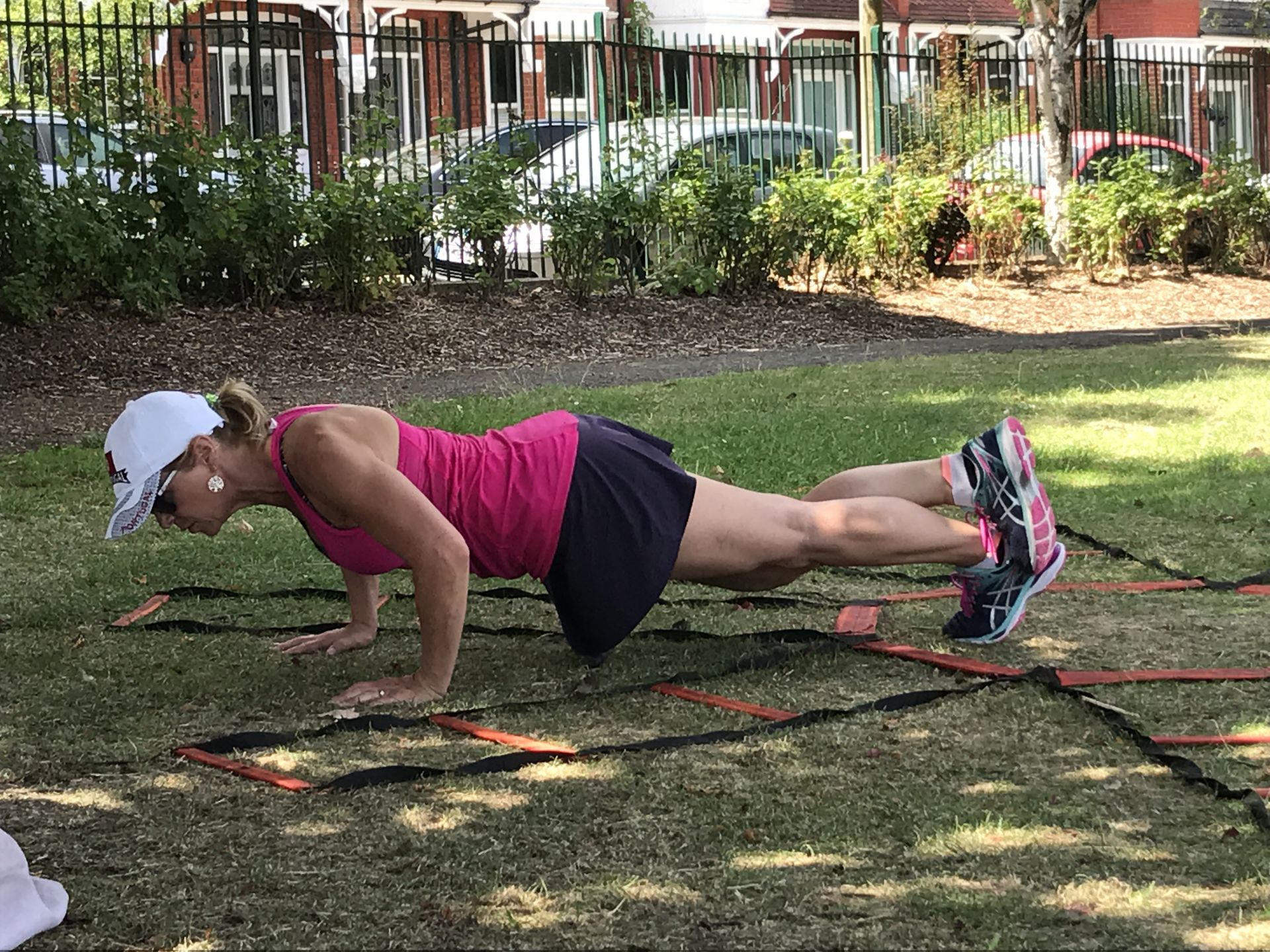
A Functional Training Circuit Workout
An example functional training circuit using ViPRs, kettlebells, CMTs, sandbags and GRIPRs. Try it if you are fit, experienced and injury-aware.
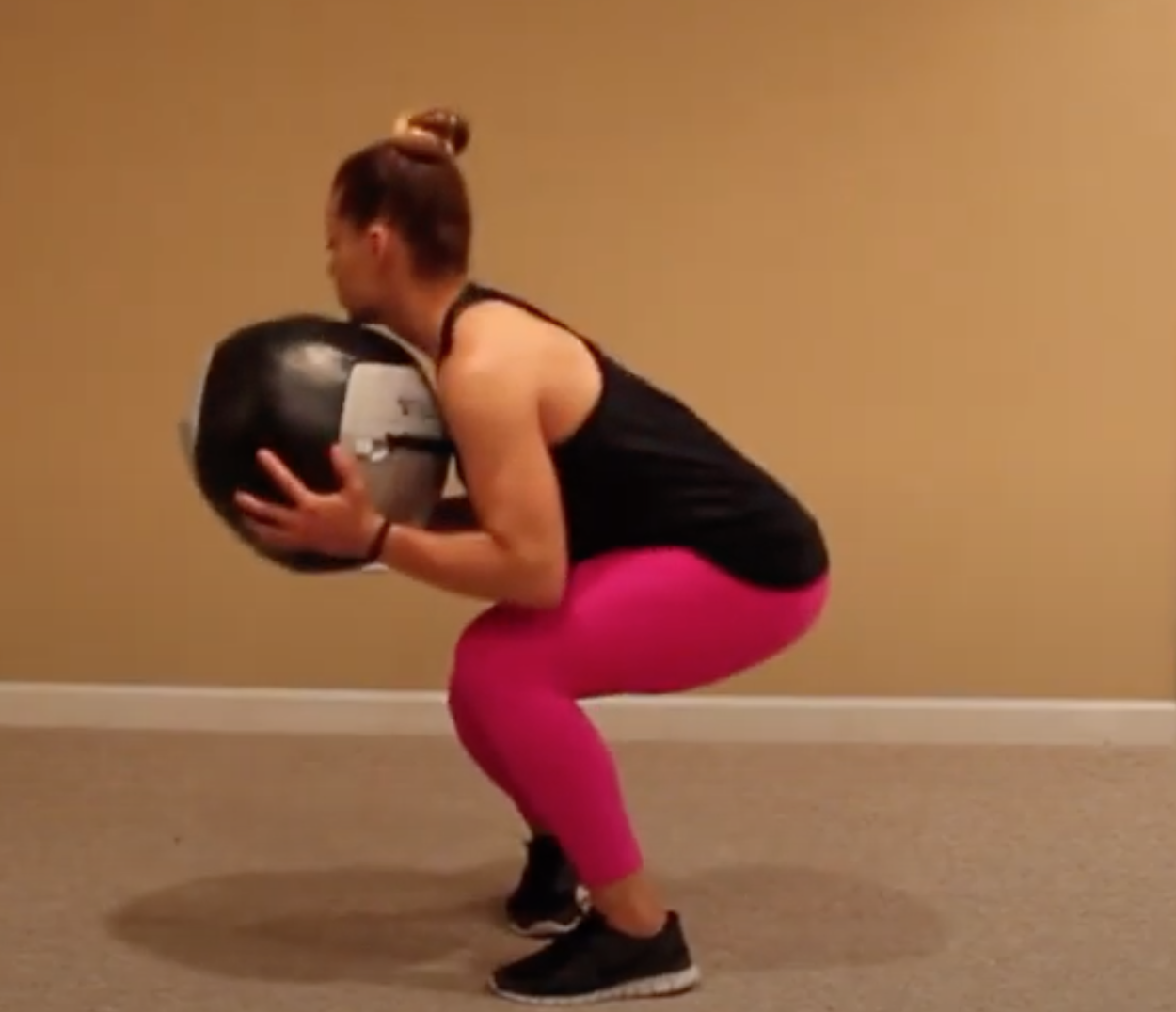
A Functional Training Workout Using Medicine Balls
The medicine ball went from ignored corner prop to genuine functional tool. Here are three of my favourite medicine ball exercises and the training principle behind each.
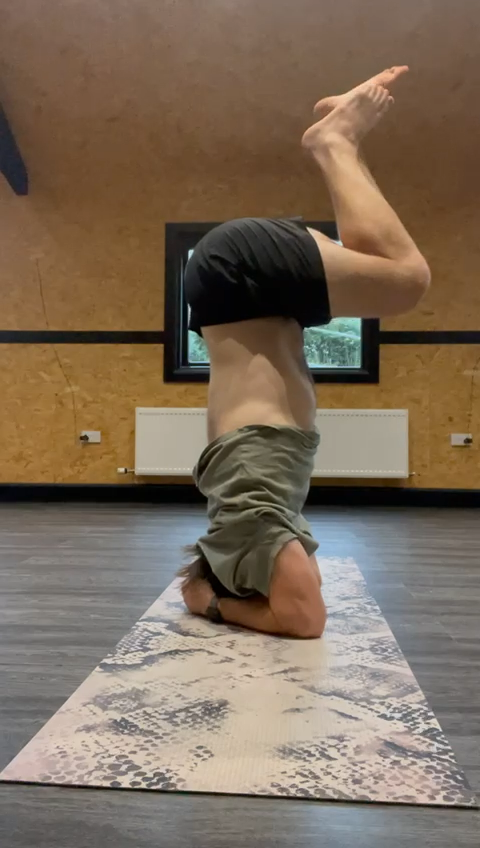
How to Teach a Client to Do a Headstand
A step-by-step guide for trainers on teaching a client the headstand safely — from building the foundation to correcting the mistakes that cause injury.
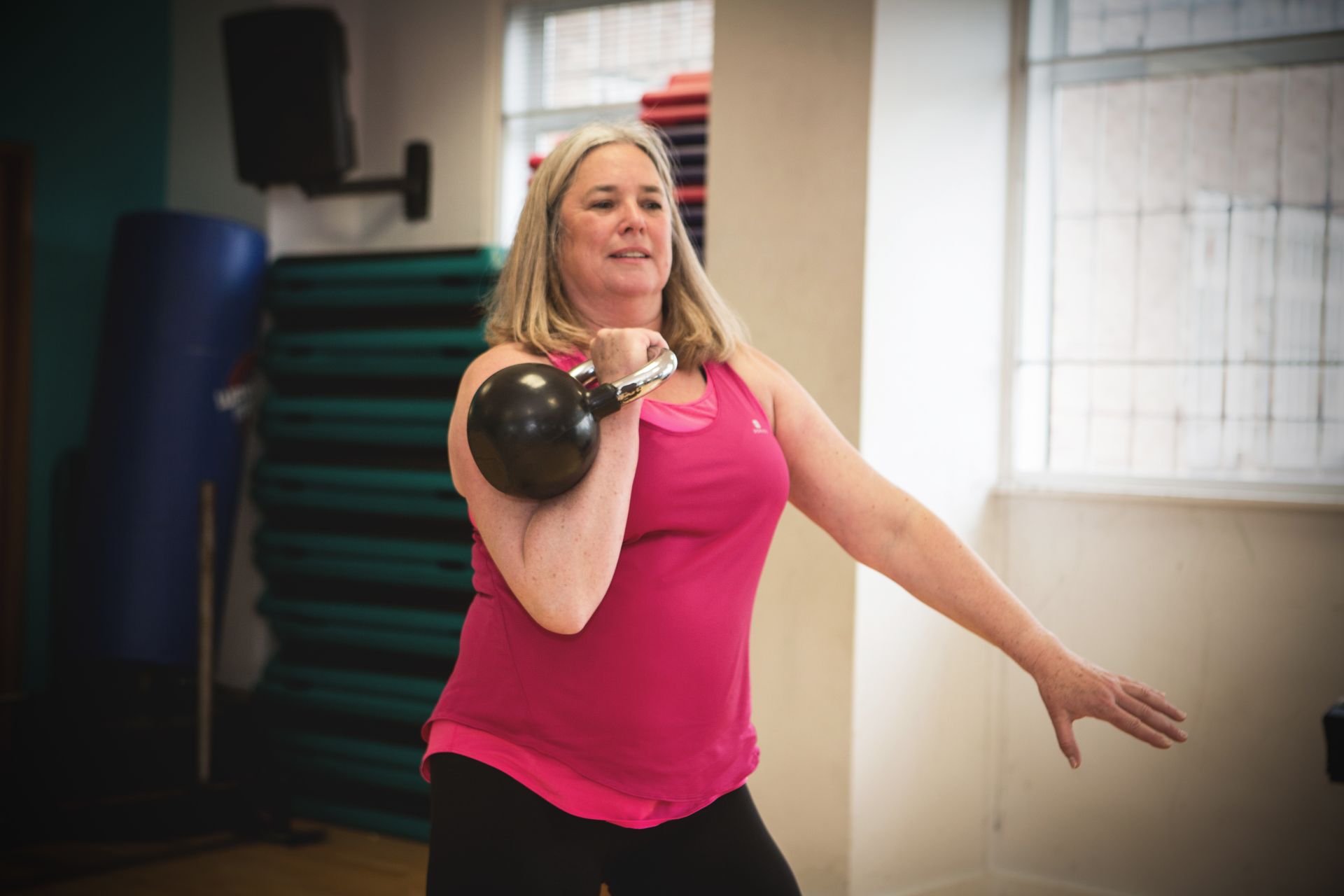
Medicine Ball and Kettlebell Workouts
Two tools, one full-body session. Why the medicine ball and kettlebell each create force in their own way — plus a six-exercise interval workout to try.
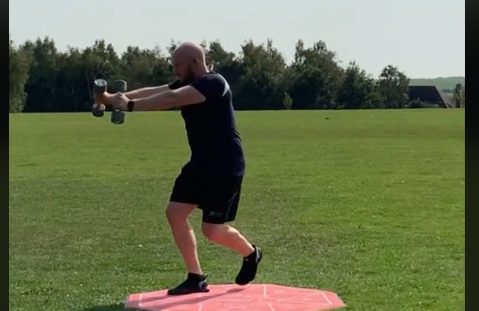
A Tri-Set for All Planes of Motion, With Hops and Pushes
A simple three-exercise tri-set that trains hops and pushes across the planes of motion — good for strength, coordination and range, and genuinely fun to coach.
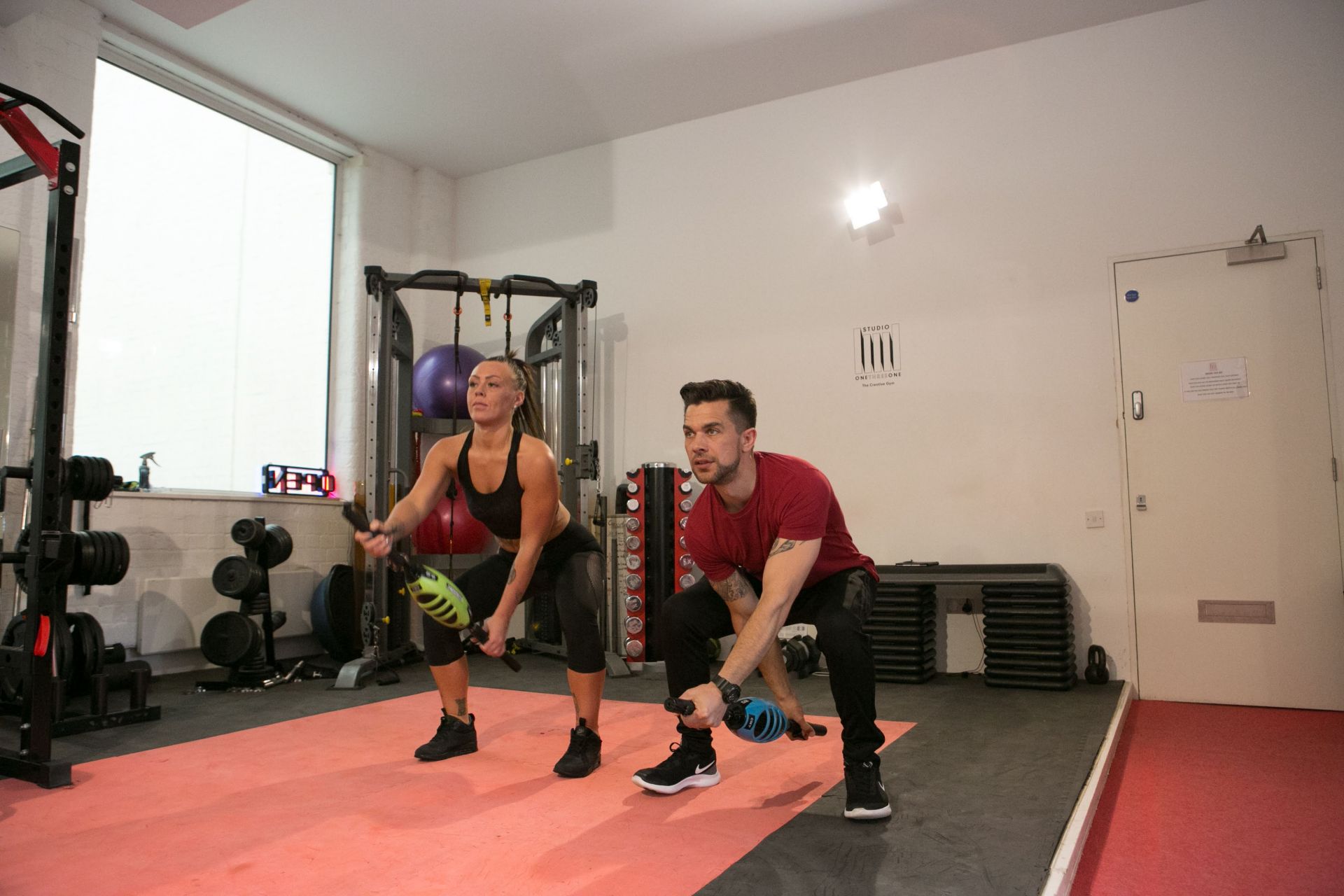
Unleashing Potential With Functional Training
Functional training builds strength you can actually use. What it is, how it differs from isolation work, and how trainers are using it to get clients results.
More from the FASTER blog
Grow your brain for free
Let's not pretend. It's a mailing list. Blogs, useful ideas and things we are excited about, in the hope you learn something and get results. No spam, unsubscribe any time.