13 ARTICLES
Sports Science
The science a working trainer can use on Monday morning, taken out of the journals and put into a session.
Level 2/3 Names Six Starting Points, So the Session Fits the Client in Front of You
Six client states, sedentary to sport-specific, sit inside one Level 2/3 criterion. The session gets built around the one actually there, not a template.
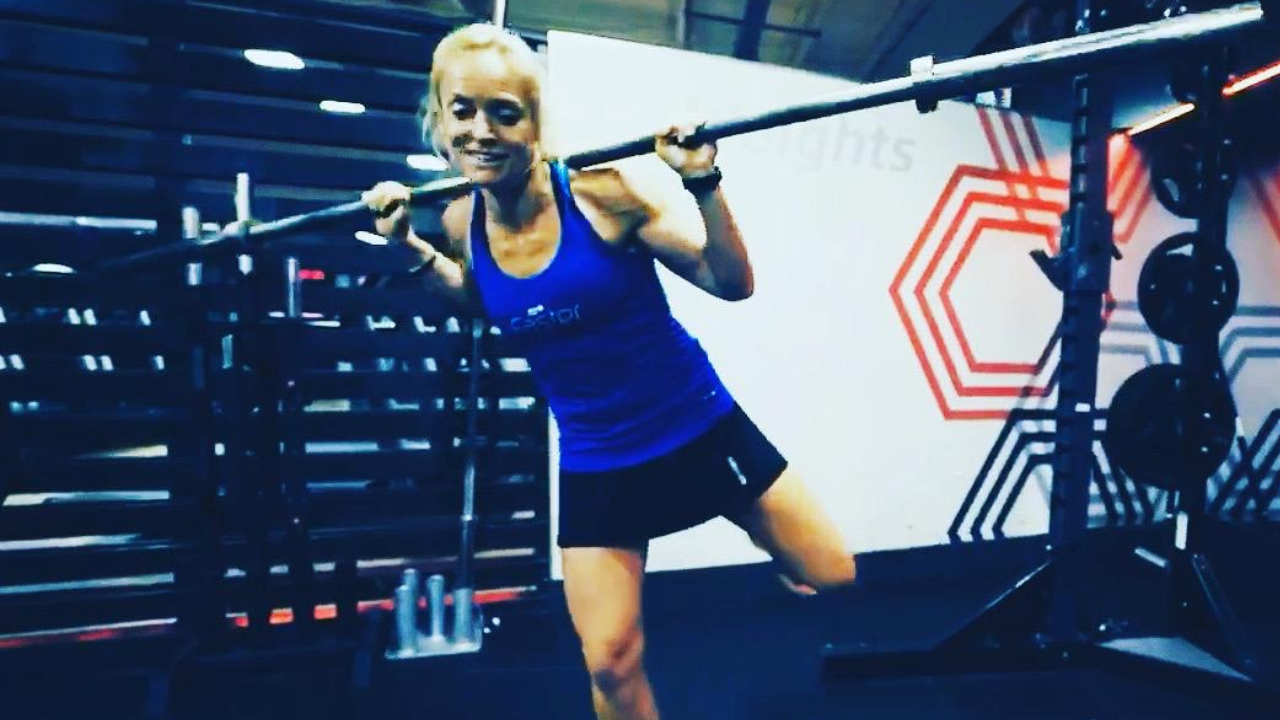
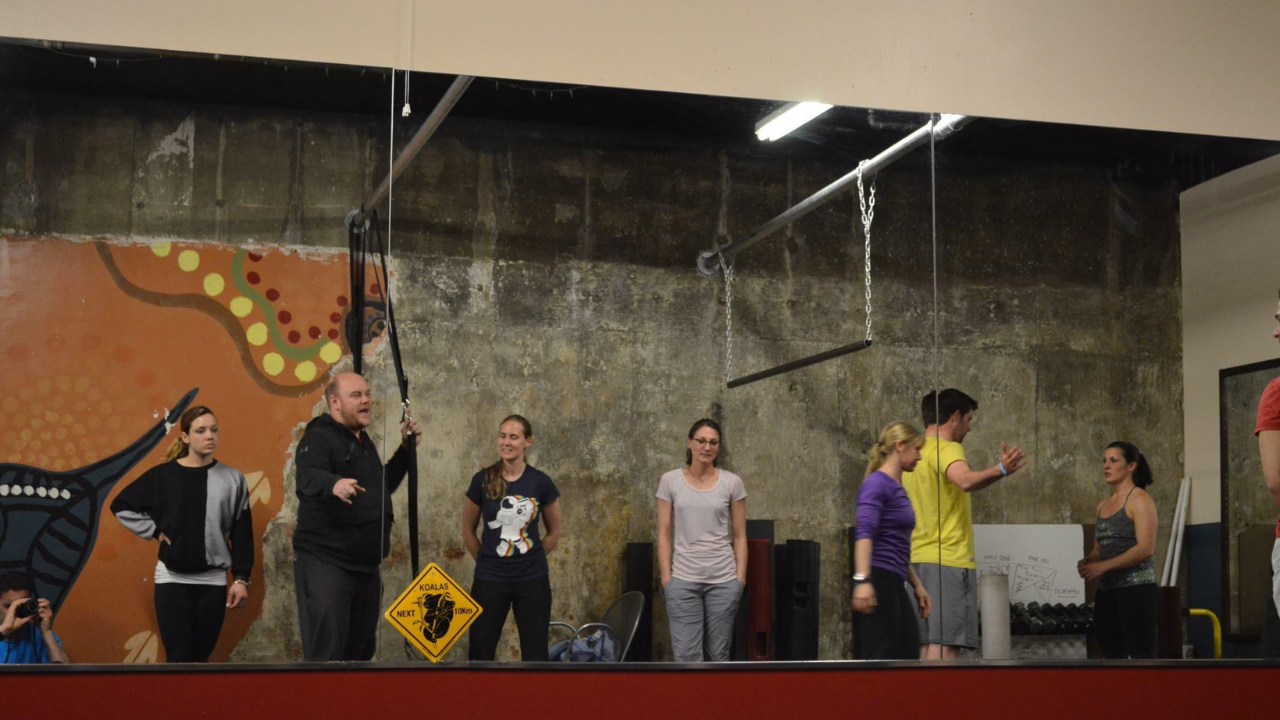
Level 2/3 asks you to spot a credible source. FASTER Sports Scientist teaches you to go and find one, one to one
Naming a credible source and finding the right evidence for a client are different skills. FASTER Sports Scientist teaches the second, no university bill.
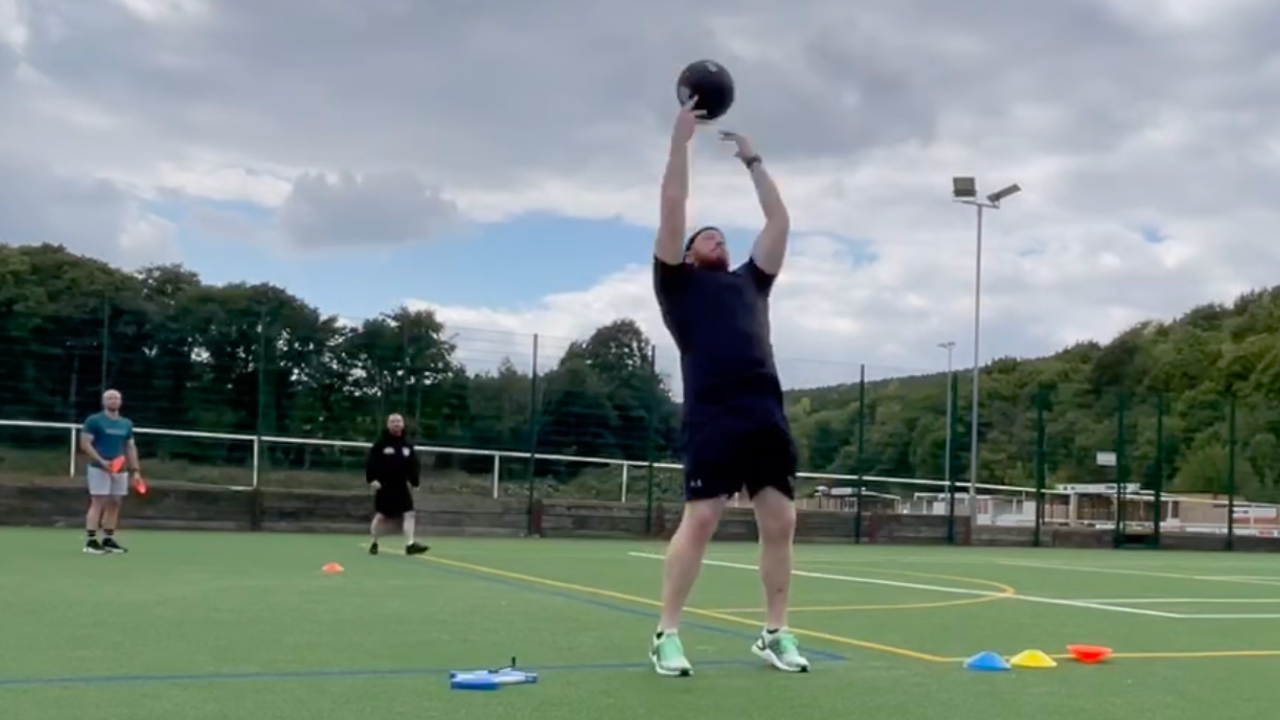
She's entered a Hyrox and brought a plan she found online. Running it through the system beats coaching it blind
A Hyrox client often arrives with someone else's programme in hand. MSAS and Speed for Sport give you the system to check it, not a Hyrox course you don't need.
Plan the season before the session, so your athlete peaks when the competition is
A strong session and a well-timed peak are different skills. Level 4 Strength & Conditioning teaches the second, so the athlete is ready on the day that counts.

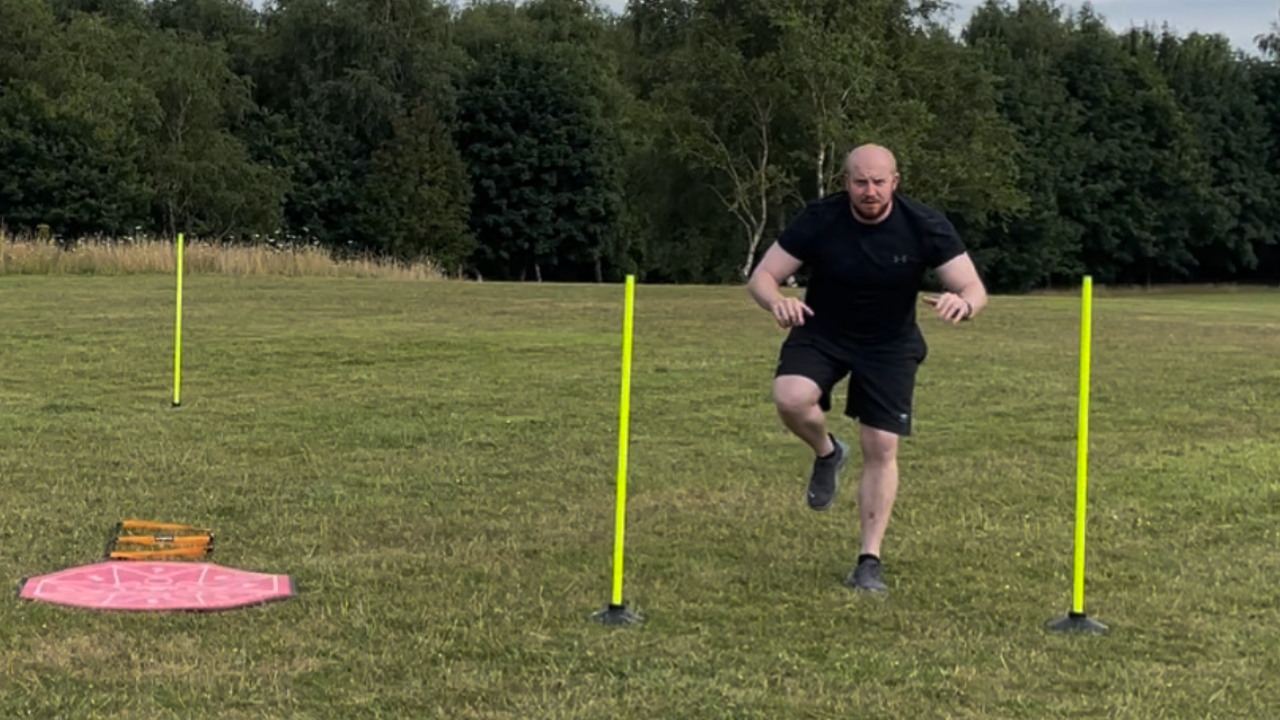
A fast first step is a shin angle you can see, coach and film
Explosive acceleration comes down to one visible angle at the ground. Stop Turn Accelerate teaches a trainer to see it and coach it.
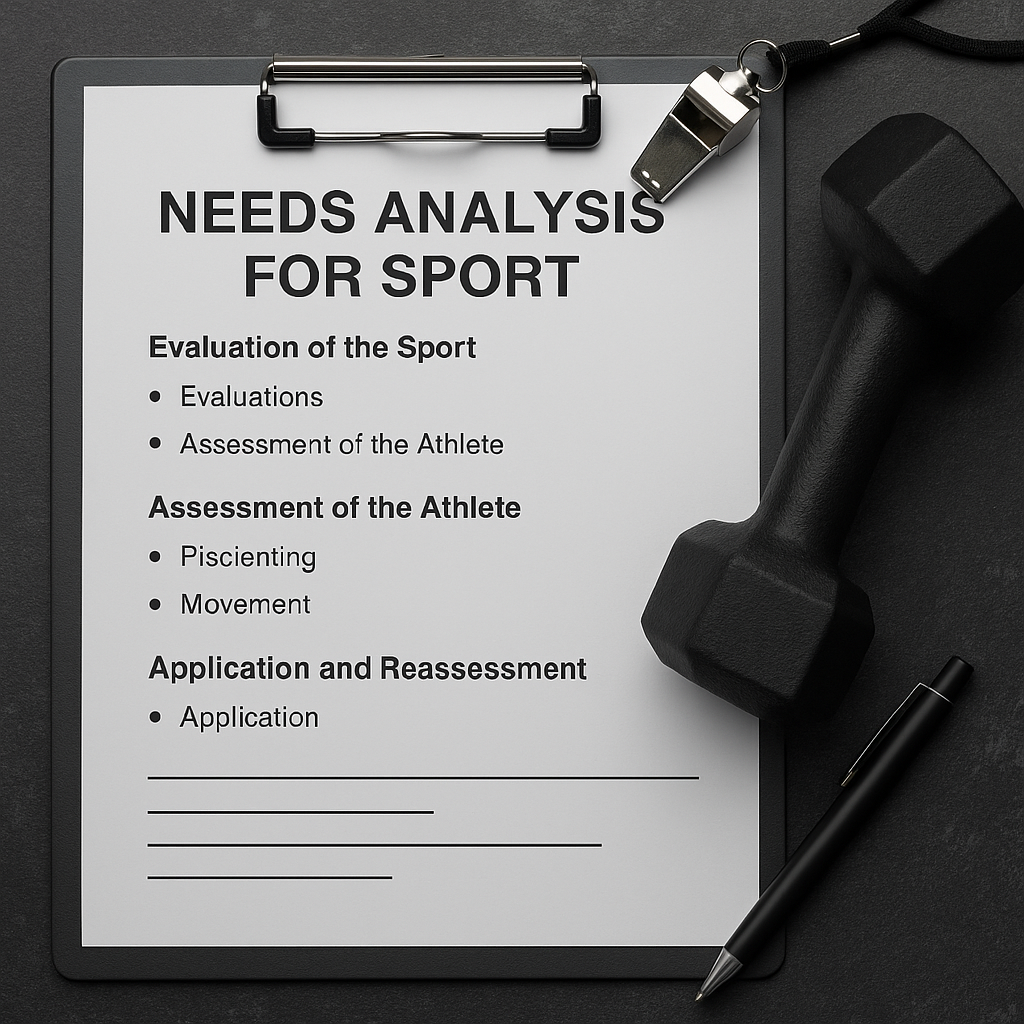
The Needs Analysis: The Cornerstone of S&C Practice
A needs analysis is what turns generic programming into evidence-based strength and conditioning. Here's the three-phase process that aligns training with the real demands of a sport.
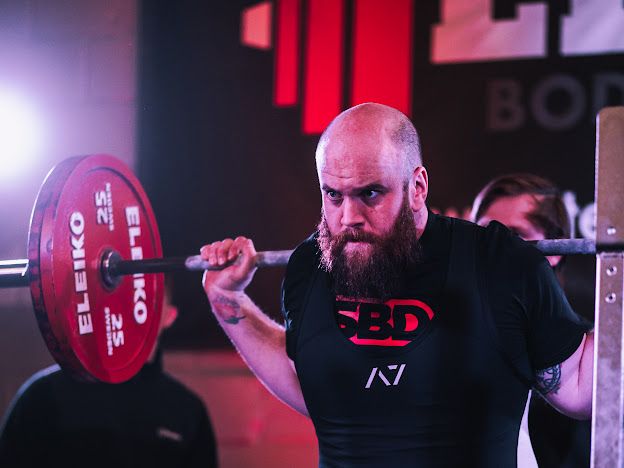
Boosting Strength With Plyometrics: A Guide
A no-nonsense guide to plyometrics: what jump training is, who it is for, how to build up to it safely, and how to program it.
Improving Sprint Speed: A Science-Based Approach
Sprinting is more than strength and power. Here's the science behind acceleration, top speed and speed endurance — plus reflexes, stiffness and a dynamic-systems approach to training it.
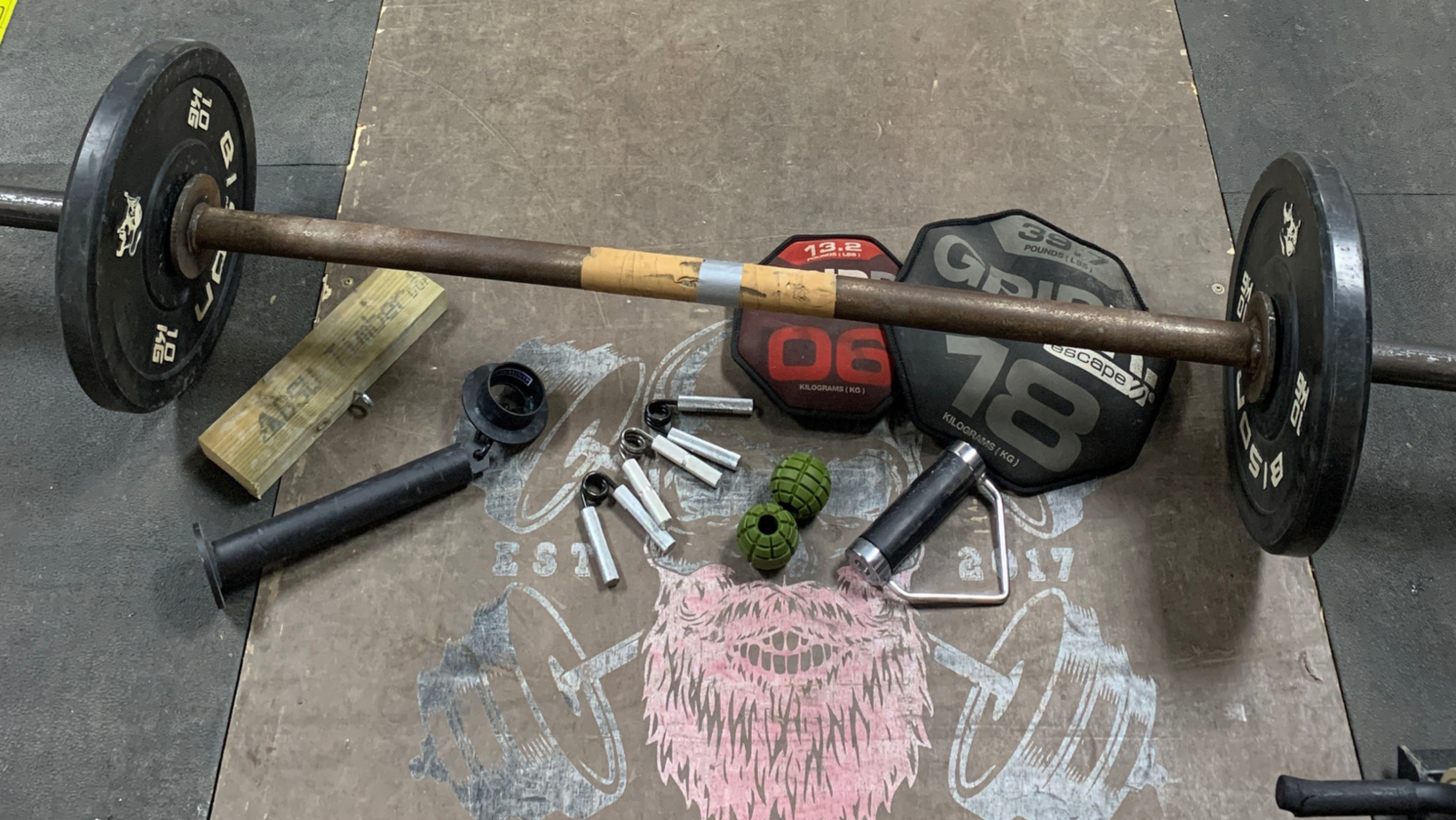
Level 4 Strength & Conditioning Coach Certification: A Guide
What a Level 4 Strength & Conditioning qualification actually is, who it's for, what you need to get on one, and where it can take your career.

Why Trainers Should Become Motor Skills Specialists
What a Motor Skills Application Specialist qualification actually gives you — from designing safer, more effective sessions to standing out in a crowded market and charging what you're worth.
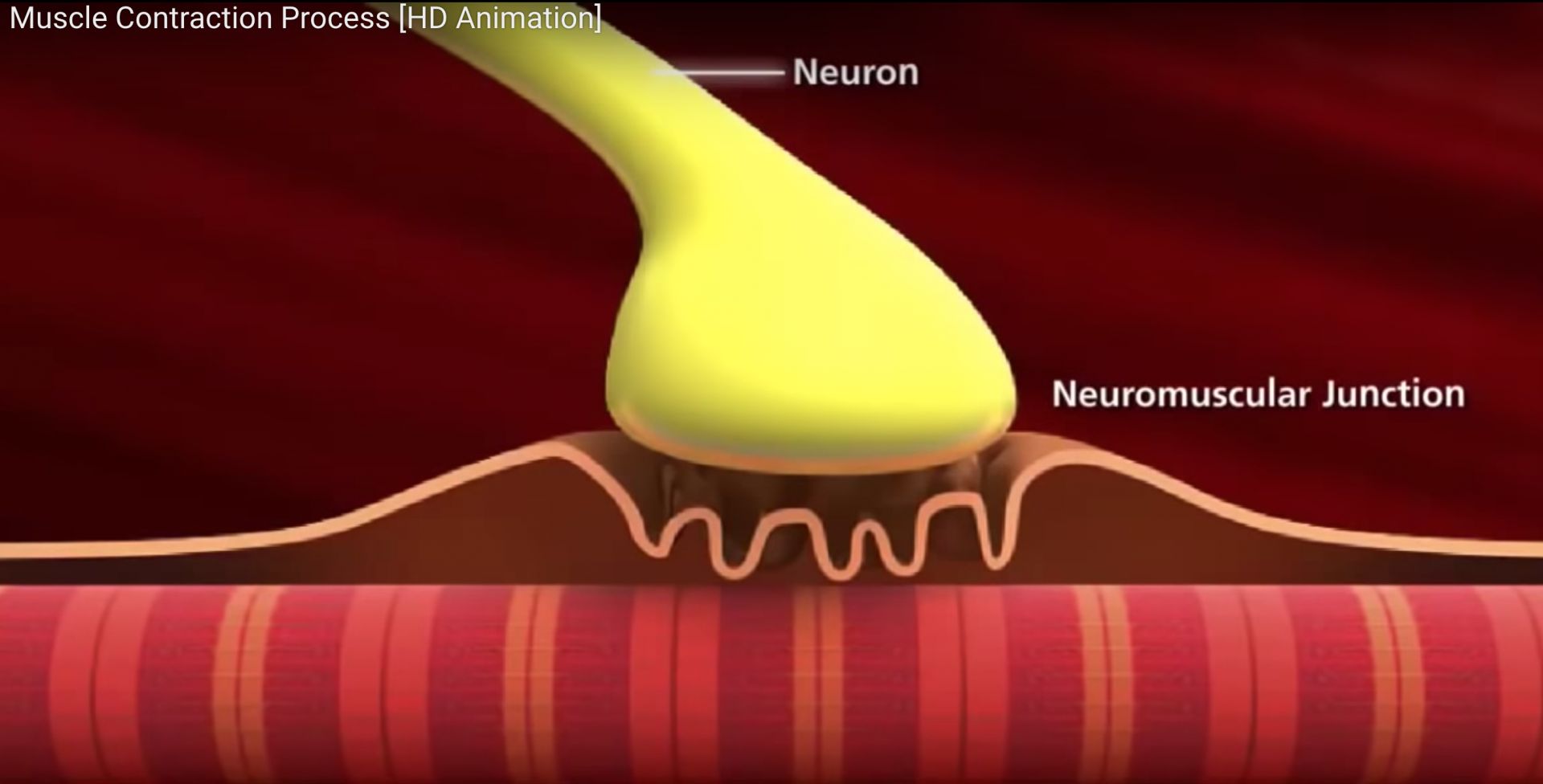
The Science of Muscle Hypertrophy for Trainers
Mechanical tension, not muscle damage, drives muscle growth. Here is what the research says and two techniques, drop sets and cluster sets, to apply it.
Is It Time Personal Trainers Stopped Stretching Clients?
The reasoning behind flexibility training is thinner than most trainers think. Here is what the research says about stretching, and what to do instead.
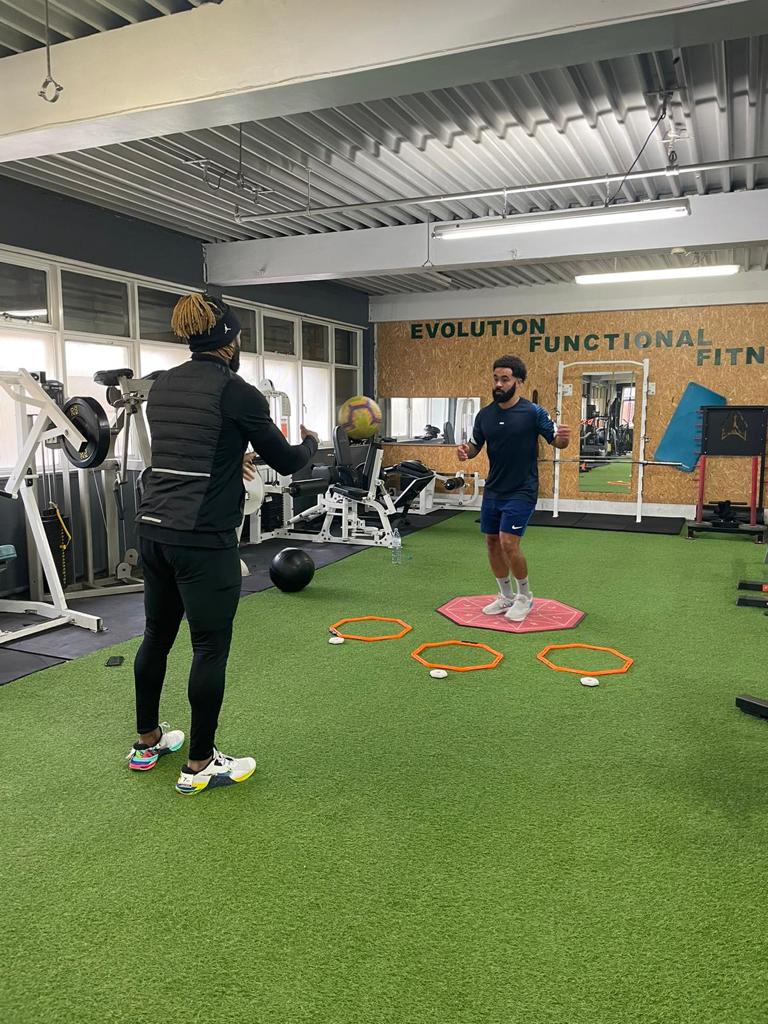
Why Personal Trainers Invest in Strength & Conditioning Courses
A strength and conditioning course broadens your skill set, widens your client base and lifts your earning potential. Here is what it does for your career.
More from the FASTER blog
Grow your brain for free
Let's not pretend. It's a mailing list. Blogs, useful ideas and things we are excited about, in the hope you learn something and get results. No spam, unsubscribe any time.