16 ARTICLES
Biomechanics
Seeing movement and describing it as normal. The anatomy, the mechanics and the eyes — the foundation FASTER was built on, and the thing that made the business.
Looking At Movement In Fine Detail Until It Looks Like Intuition, And Motor Skill Application Specialist Teaches The HMAC To Get You There
The HMAC is FASTER's chart for seeing movement. Module 6 of Motor Skill Application Specialist teaches five skills and a five-column form, until seeing movement in real time feels like intuition.
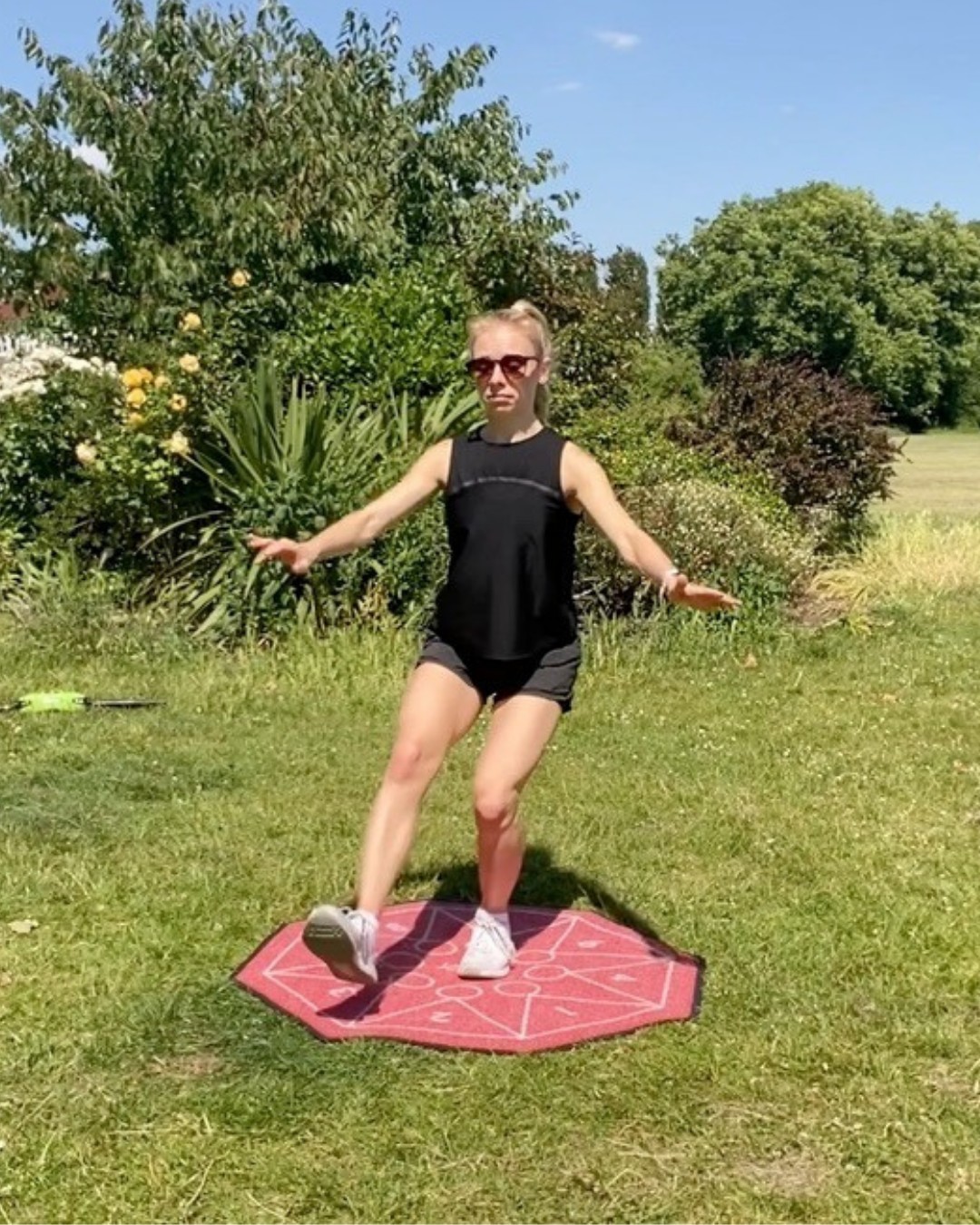
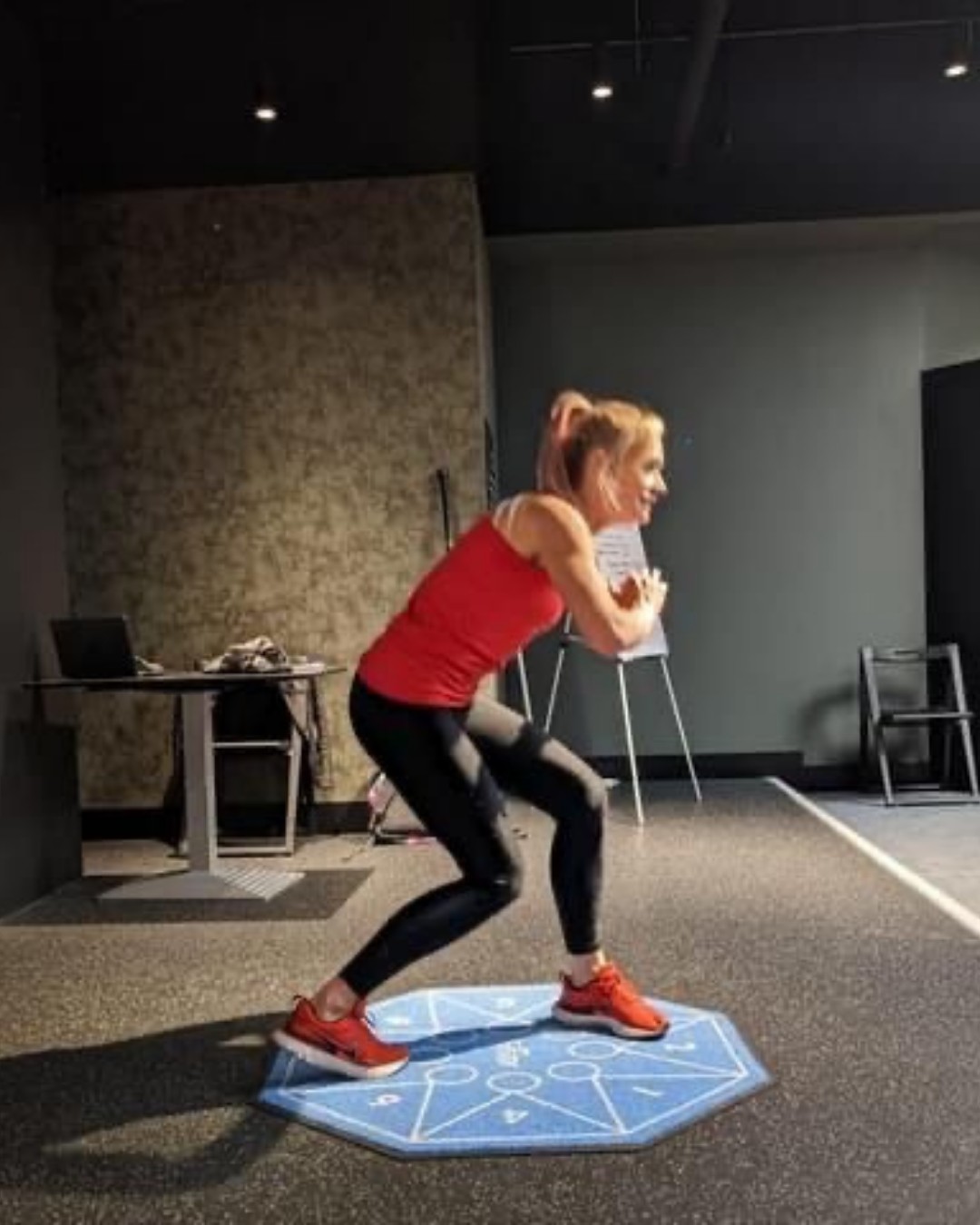
Any Workout From Social Media Breaks Into A Sequence Of Joints, And Motor Skill Application Specialist Starts Module 1 There
Module 1 of the Motor Skill Application Specialist course has you take a popular workout video and list which joints move first, what they do and what slows or speeds each one.
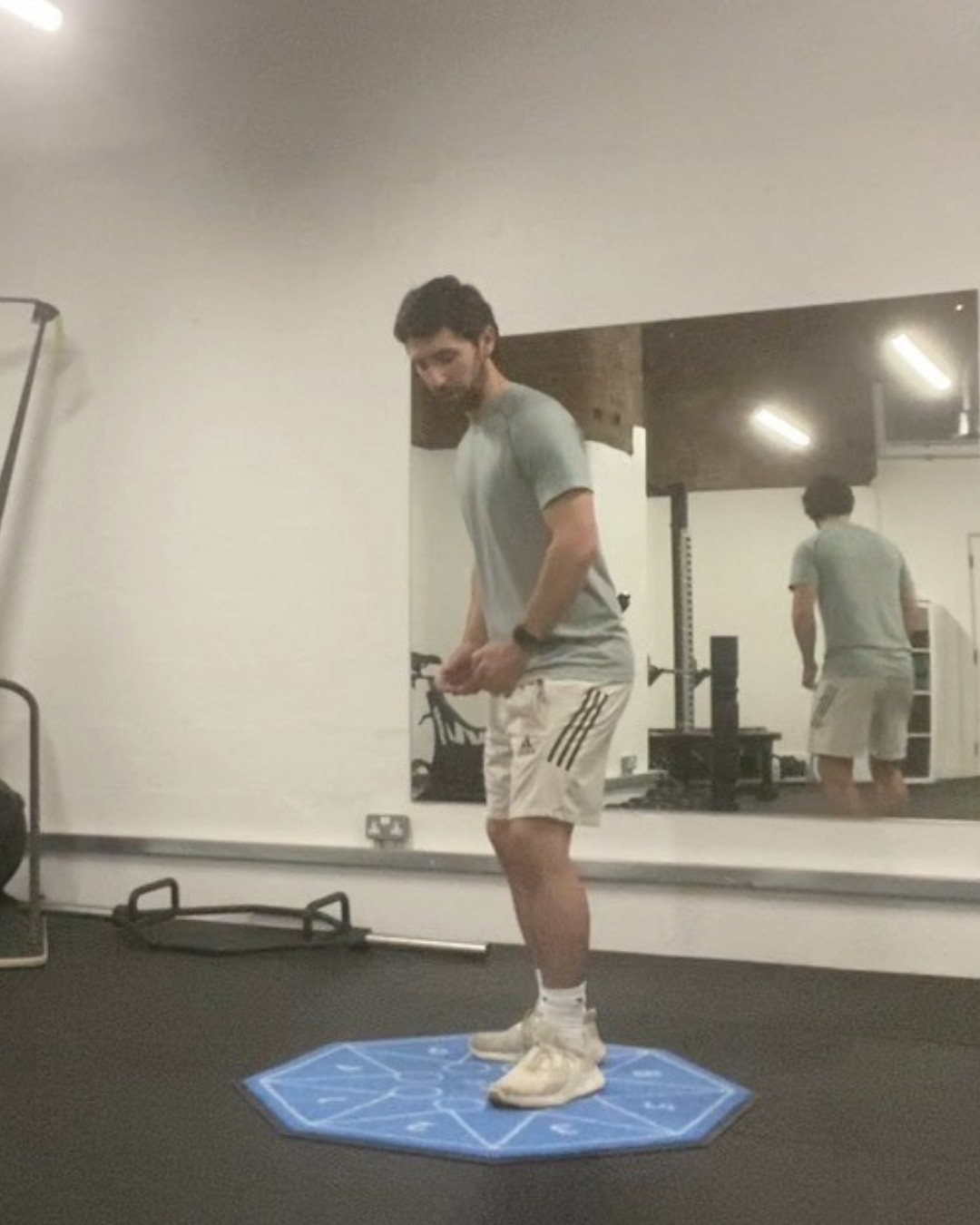
A Bone Moving Needs Six Descriptions, And Motor Skill Application Specialist Teaches Them As A Simple Table
Bones travel through space and turn around their own axis. The Motor Skill Application Specialist course gives six descriptions from twelve options, so a trainer can say exactly what is moving.
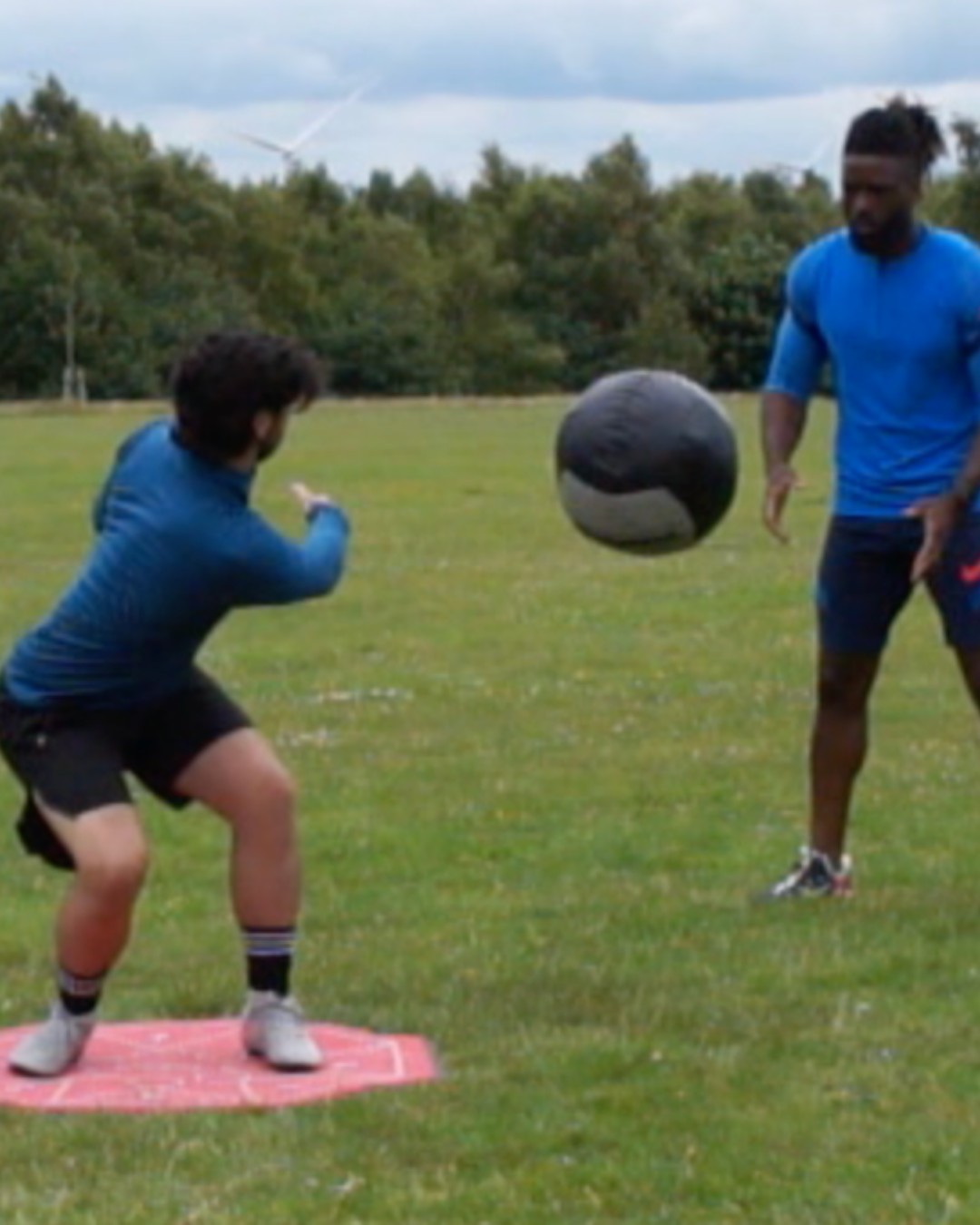
Picture A Muscle's Route From One Bone To Another, And It Gets Easy To Predict When It Is Working
Knowing where a muscle starts and finishes lets a trainer predict when it is working. Movement Coach teaches origin, insertion and four muscle roles with a curl as the example.
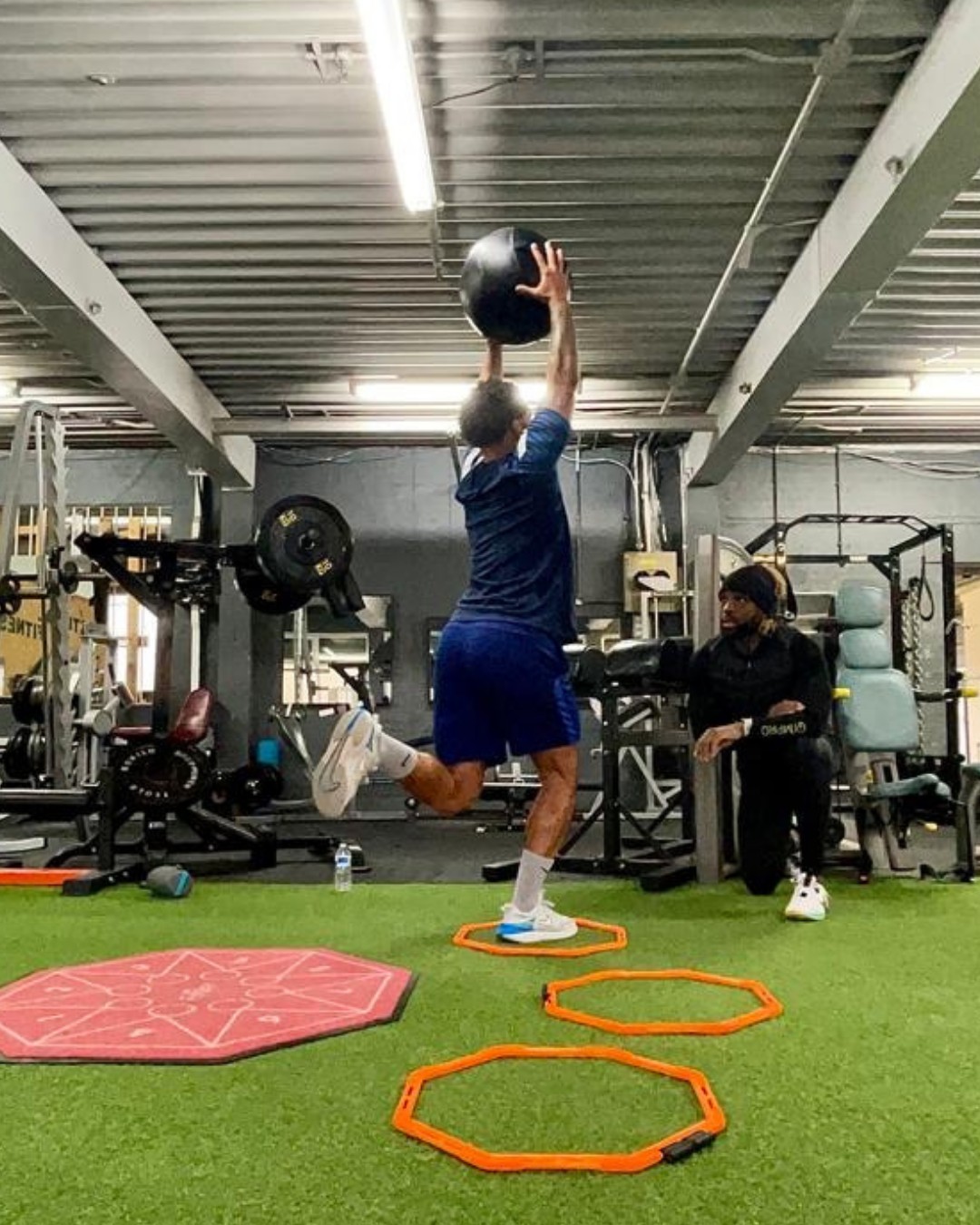
What Absorbs The Shock When A Client Lands, And Why The Spine Does Its Share Too
Movement Trainer teaches shock absorption as a chain, not a single joint: cartilage and synovial fluid in the knee and ankle, muscles and tendons controlling the drop, and the intervertebral discs in the spine taking their own share of every landing. Seeing the whole chain, not just the knee, is what the course builds.
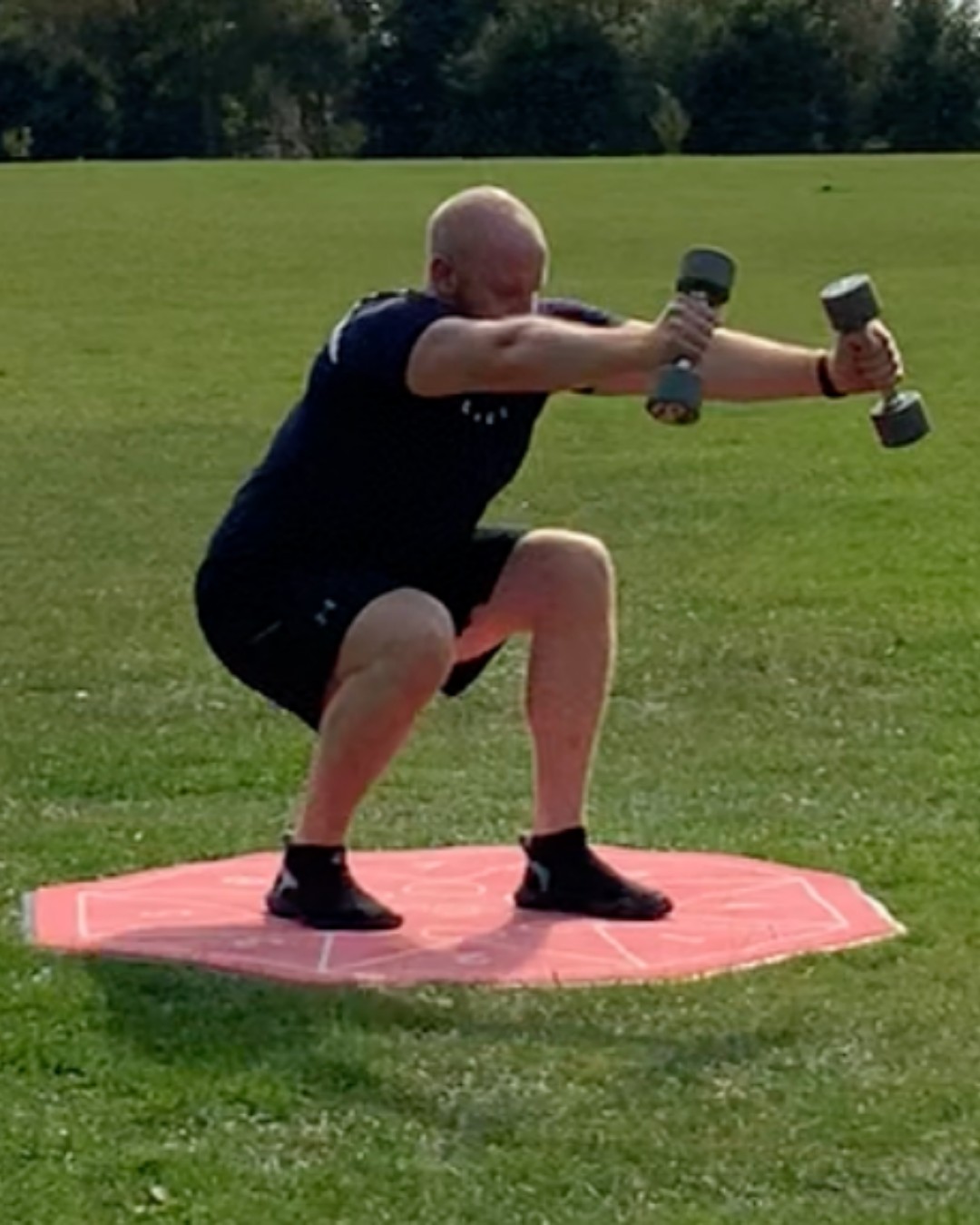
You Already Have Enough Exercises, You Just Need Four Ways To Use Each One
FASTER's Movement Trainer course splits training into four qualities, mobility, flexibility, strength and power, and shows how one exercise like the squat can be built to deliver any of them.
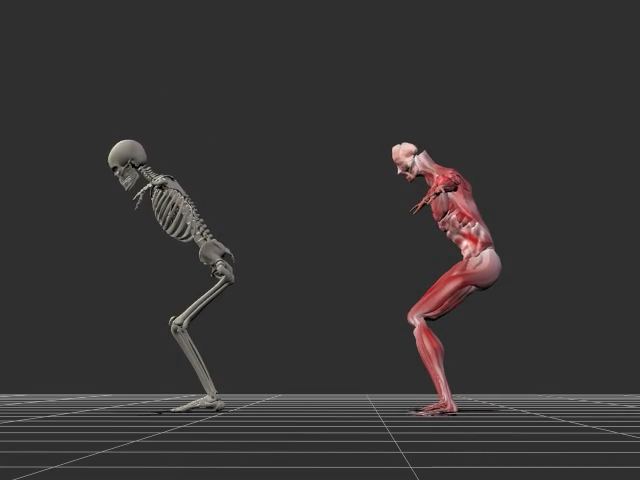
Read the hips in front of you and they will tell you that client's squat depth
A textbook squat diagram is one hip's answer, not everybody's. Field-Based Biomechanics teaches you to read the client in front of you, not grade a picture.
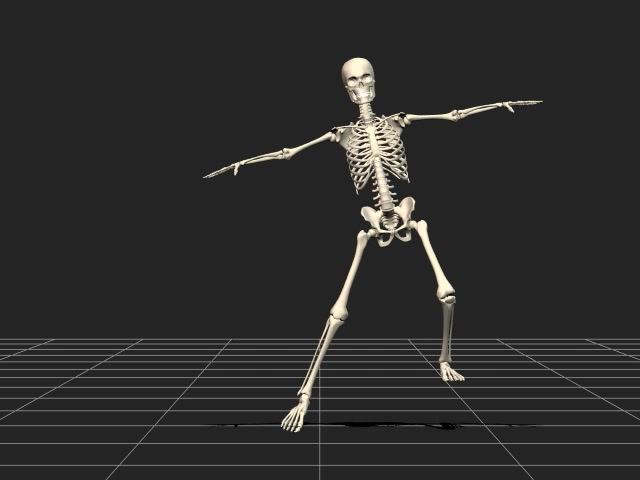
Five ways to get movement at one joint
Every joint action can happen five ways: distal end moving, proximal end moving, either end faster, or both ends in opposite directions. Most programmes only ever train one.
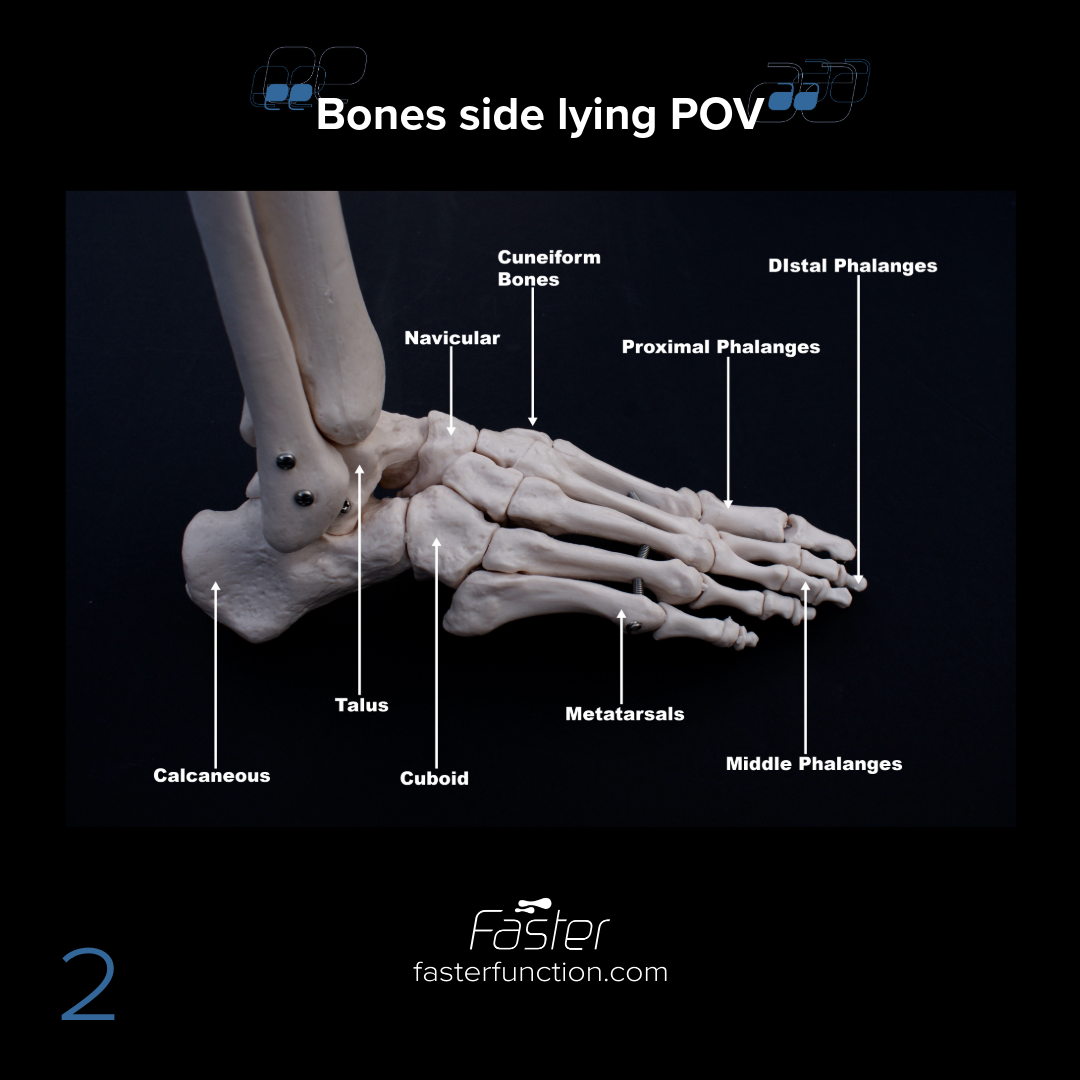
Anatomy and Function of the Foot and Ankle
The bones, joints and movements of the foot and ankle a personal trainer actually needs to know — including why some movements couple together and others simply can't.

Falling Into the Biomechanical Cure Hole
How a well-meaning trainer gets pulled into the Biomechanical Cure Hole, why its promises are so seductive, and what it takes to climb back out into evidence.
Biomechanics Are Misunderstood
People are calling biomechanics rubbish — but they're confusing a genuine observation skill with the guru techniques built on top of it. Here's the difference.
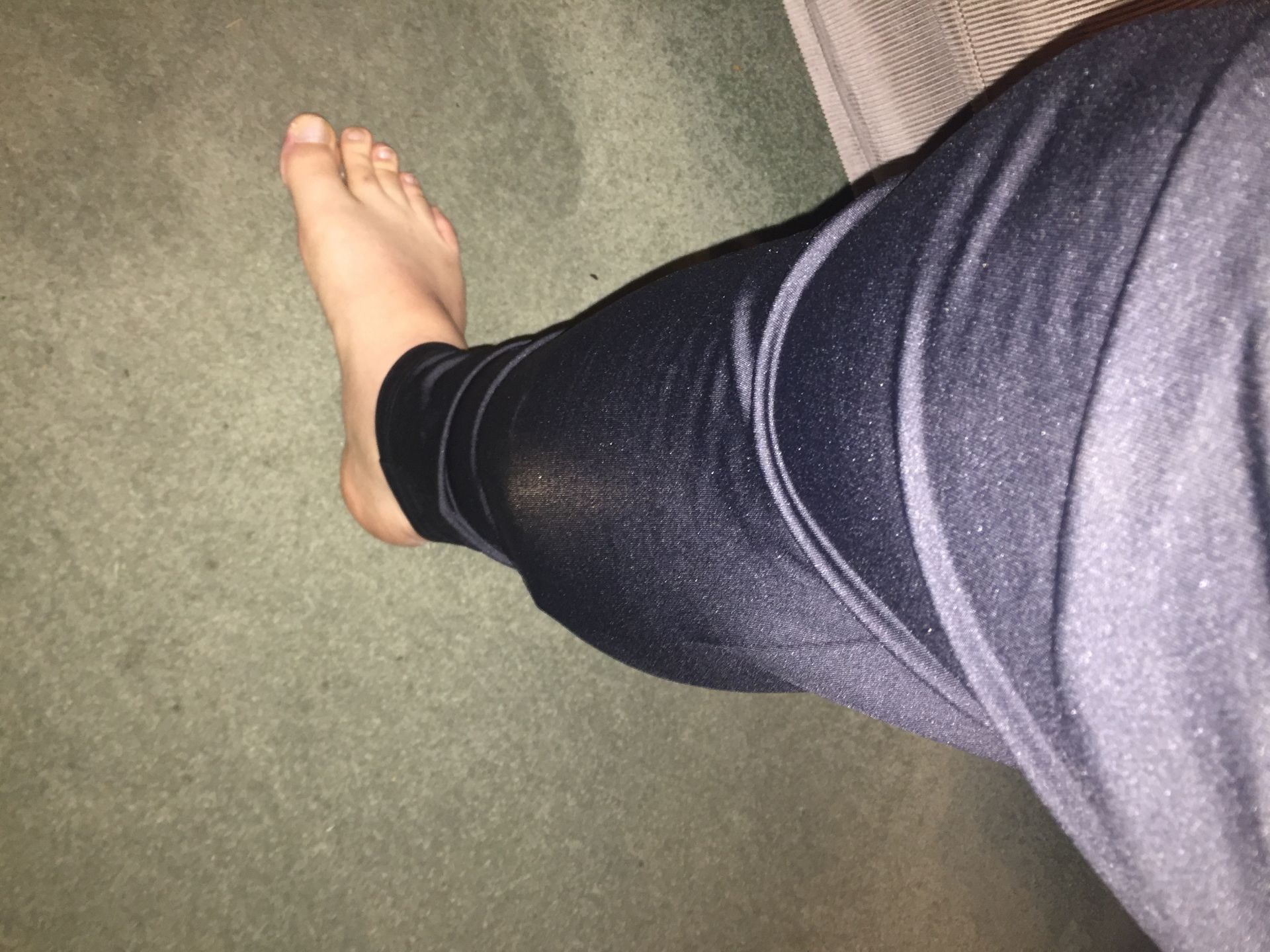
Foot: The Lot of You — My Relationship with the Foot and the Industry
The honest story of how I became a 'foot expert', why I stopped believing my own techniques, and what I teach instead now that the evidence caught up with me.
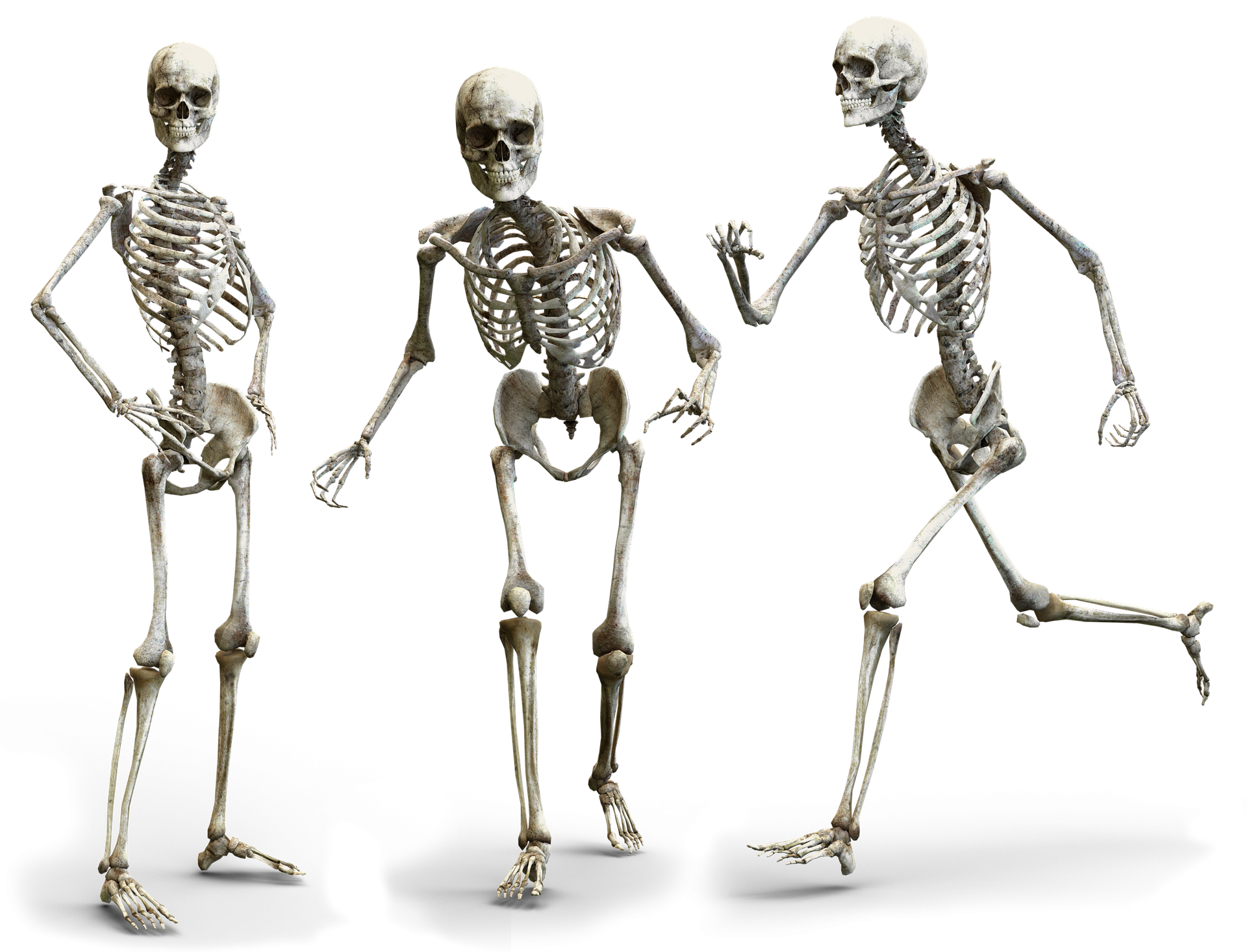
Functional Anatomy and Biomechanics: How to Learn Useable Anatomy
Anyone can learn to see and predict movement in real time. Here is the map-and-story method behind the HMAC — and a five-step drill to learn the bones and joints for good.
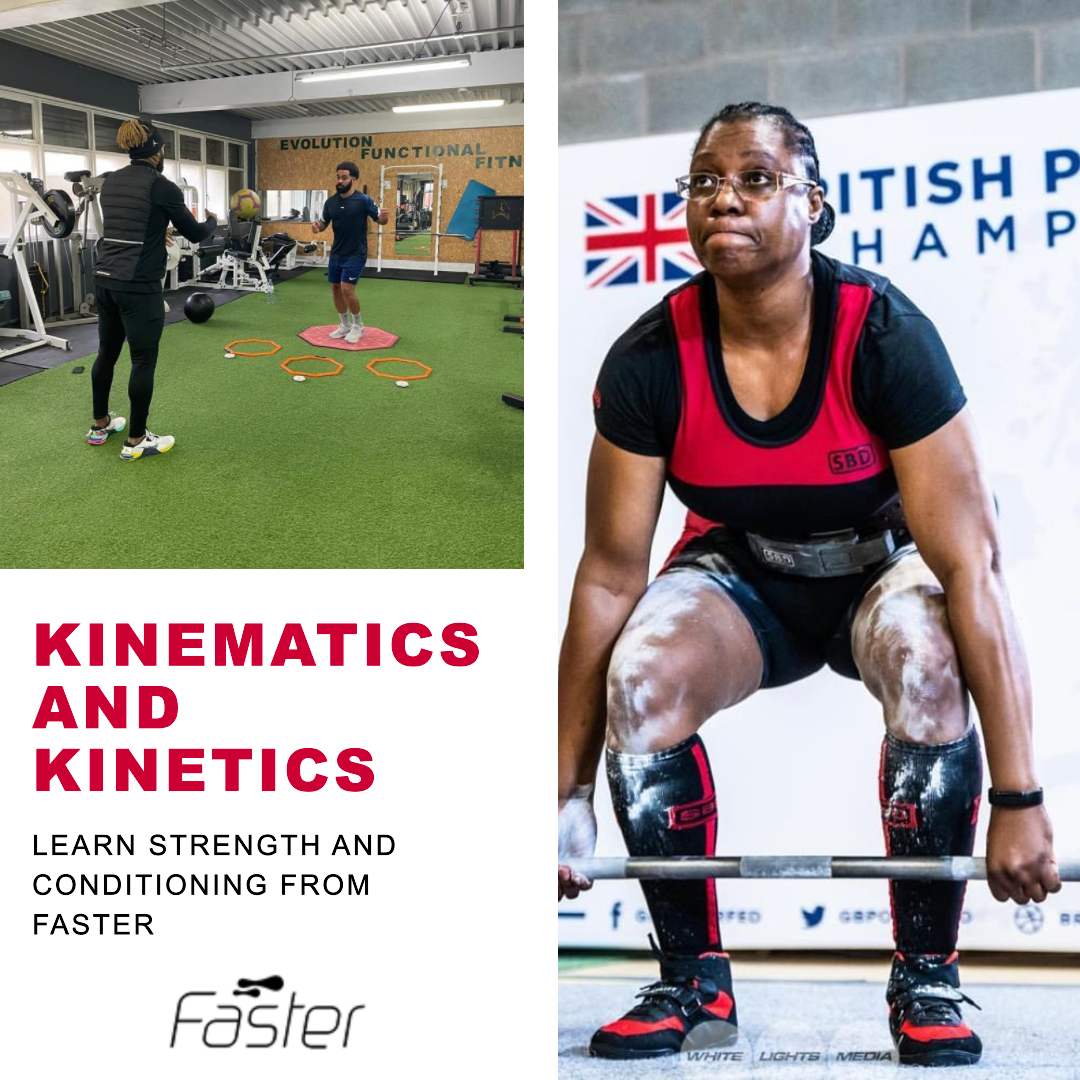
Strength and Conditioning: Kinematics and Kinetics
The two halves of biomechanics every aspiring S&C coach needs: kinematics (the motion) and kinetics (the forces behind it), and why both sharpen your coaching.
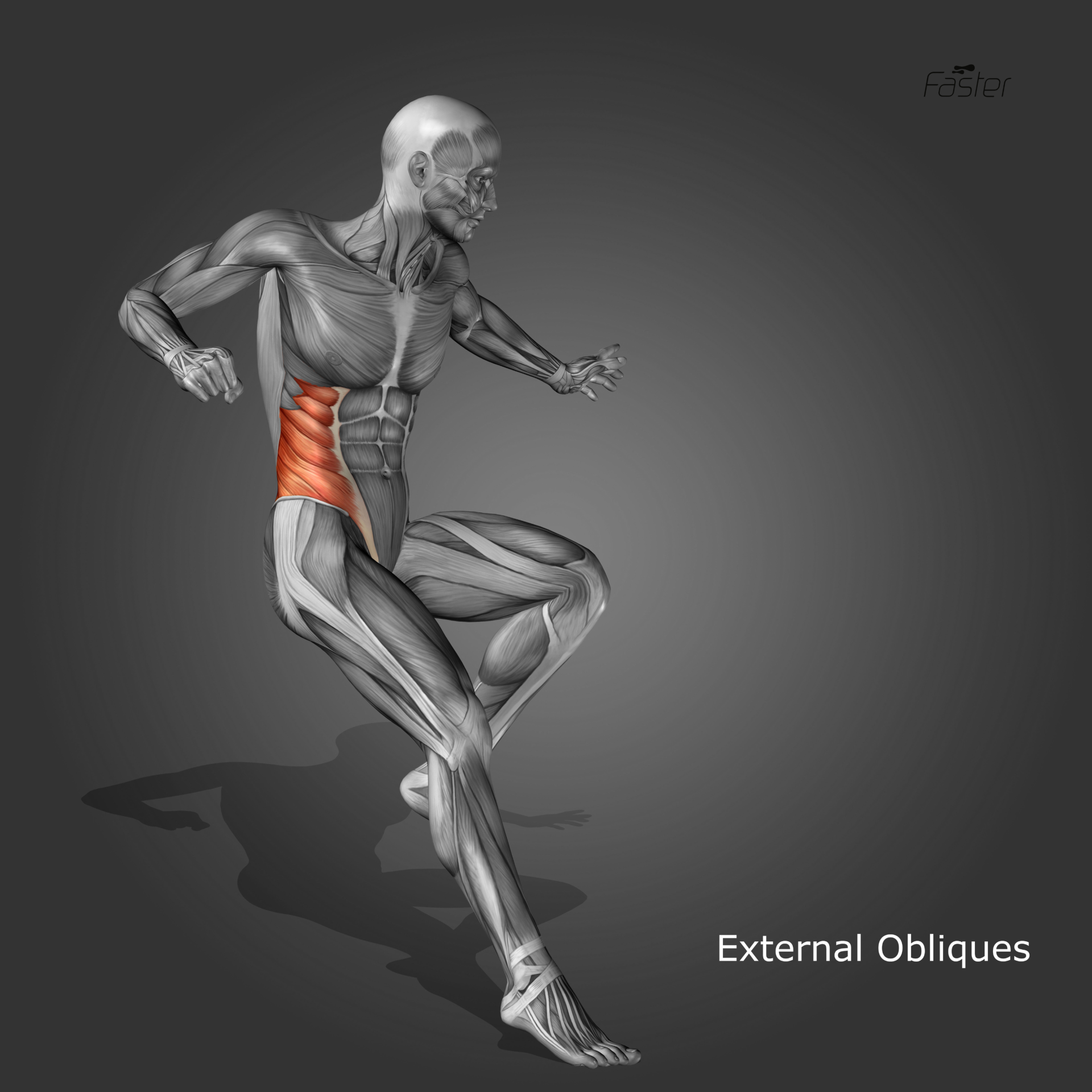
Tricks to Boost Your Anatomy Knowledge
Anatomy doesn't have to be a wall of Latin names. Practical, proven ways for personal trainers to actually learn and retain it — visuals, plain-English concepts, hands-on practice and self-testing.
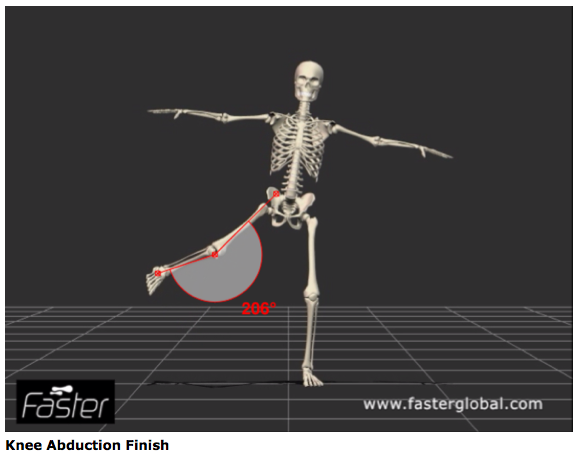
Understanding Knee Abduction
Knee abduction is one of the hardest motions to observe. Here's what's really happening at the joint, why the patella misleads your eye, and how to spot it in a closed chain.
More from the FASTER blog
Grow your brain for free
Let's not pretend. It's a mailing list. Blogs, useful ideas and things we are excited about, in the hope you learn something and get results. No spam, unsubscribe any time.