Home› Blog› Become a Personal Trainer
66 ARTICLES
Become a Personal Trainer
Getting qualified, start to finish. What Level 2 and Level 3 actually are, what they cost, how long they take, and the things nobody tells you before you have paid. FASTER qualifications are delivered through FOCUS Awards and recognised by CIMSPA.
Three Numbers Tell A New Personal Trainer Whether The Business Is Working, And The Level 3 Course Has You Pick Them Before The First Client
KPIs are the numbers that show whether a personal training business is working. The Level 2/3 course has you choose them early, such as new clients, revenue and retention.

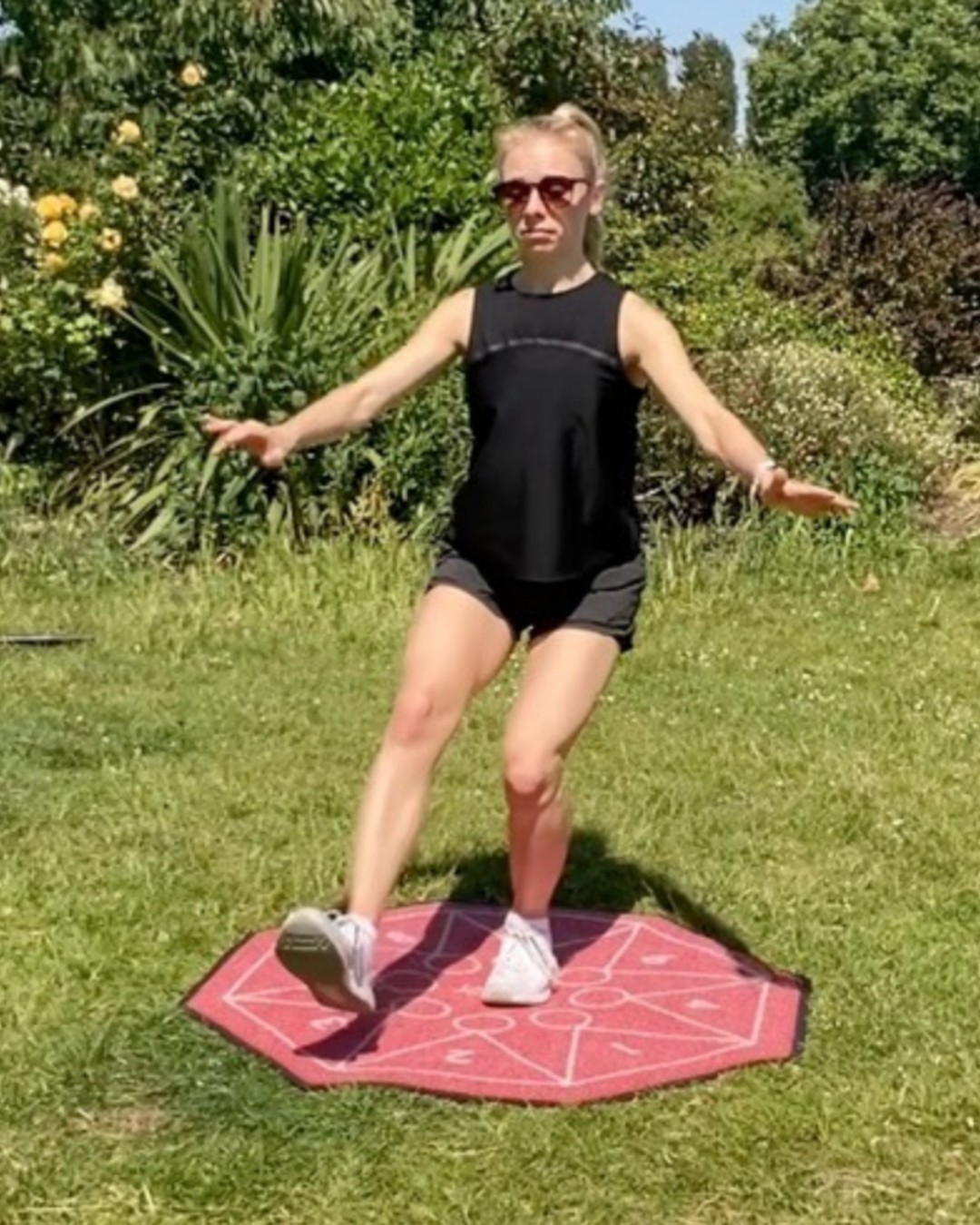
Reviewing Each Session Is The Habit That Makes A New Personal Trainer Better Every Week, And The Level 3 Course Teaches It As A Short Routine
Reflective practice means summarising and evaluating each session you deliver. The Level 2/3 personal training course gives five reasons it matters for a new trainer's career.
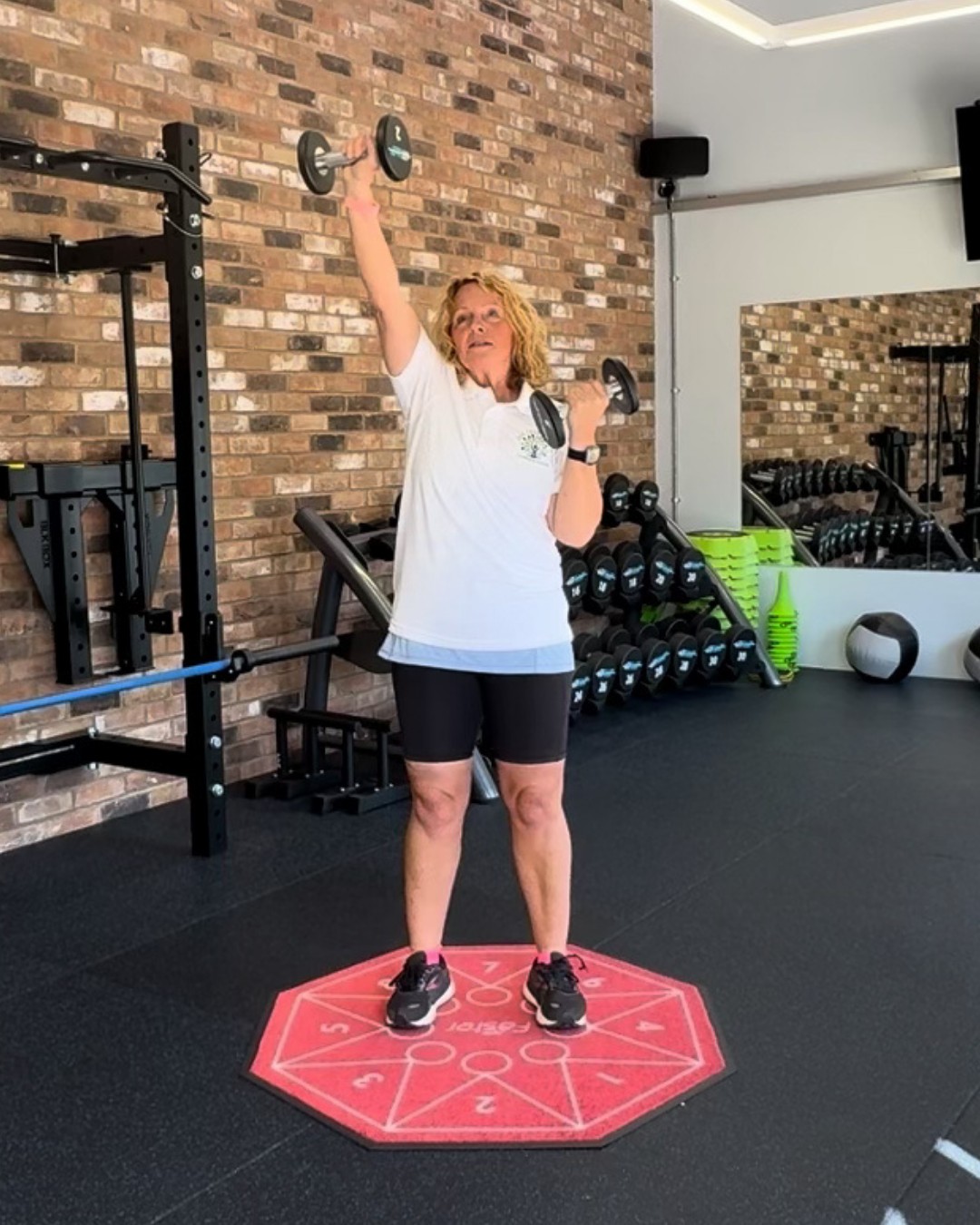
The Consultation You Will Be Asked To Run Uses Four Methods, And A Form Is Only One Of Them
A personal training consultation uses a questionnaire, an interview, observation and physical measurements. Here is what each one finds out, from the Level 2/3 course.
Sales Strategies For A Personal Training Business Come In Named Types, And The Level 3 Course Has You Pick The Ones That Fit Your Own Clients
Criterion 3.1 of the Level 3 personal training route covers sales strategies for target markets. Relationship selling and solution selling, explained plainly.
Every Muscle Around A Joint Has One Of Five Jobs, And The Level 2 And 3 Course Has You Name Them So Anatomy Stops Feeling Like A Wall Of Latin
Criterion 5.10 of the Level 2/3 personal training route covers the five roles muscles play around a joint. Learn them with the elbow as the worked example.
A Cash Flow Forecast Is Four Short Parts, And The Level 3 Course Has You Write One Before Your First Client So The First Year Has A Shape
Criterion 4.1 of the Level 2/3 personal training course defines a cash flow forecast. It has four parts, and a new trainer can write one before the first paying client.
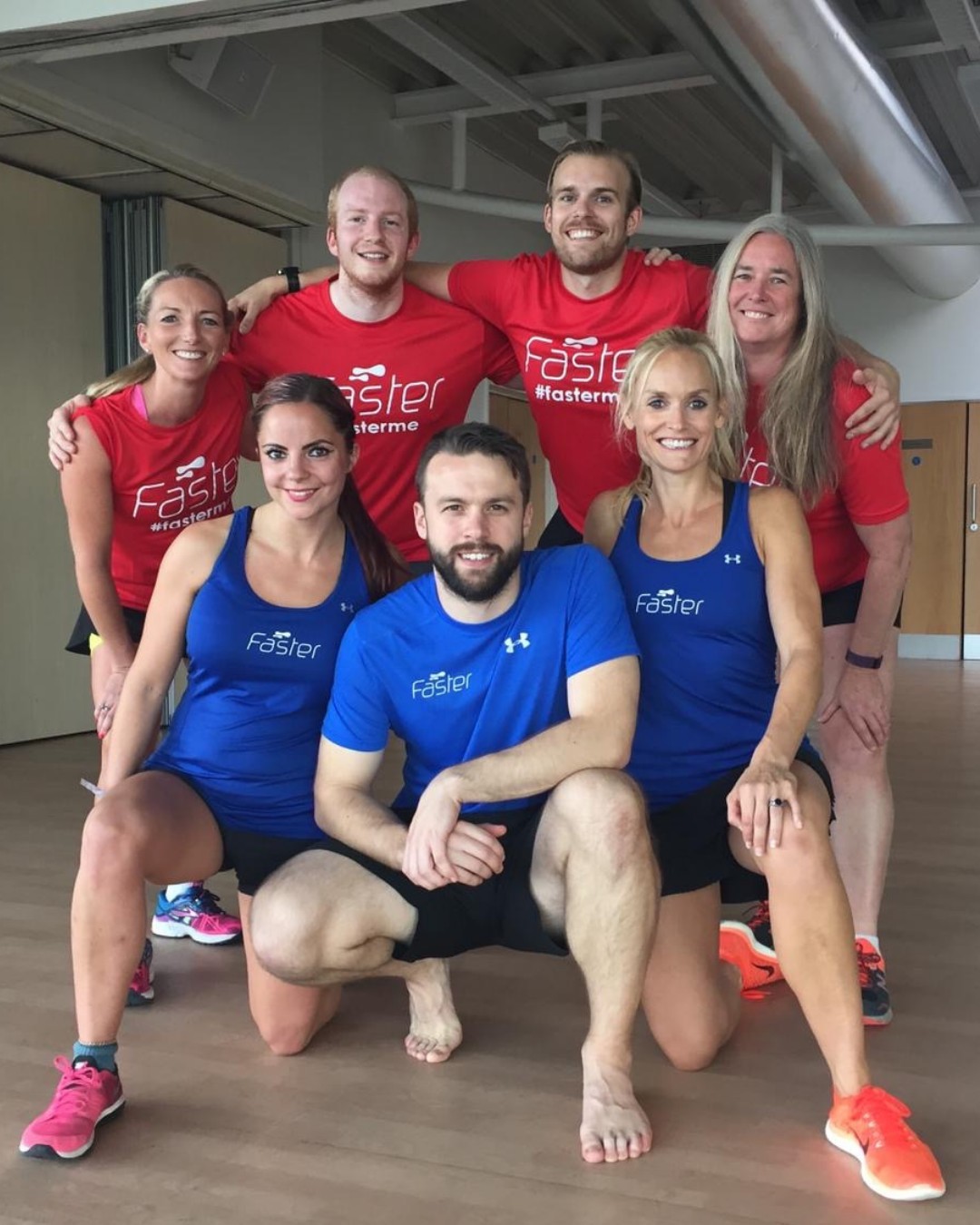
A Personal Training Business Plan Has Seven Parts, And The Level 3 Course Has You Write One Before Your First Paying Client
Criterion 2.2 of the Level 2/3 personal training course lists the seven parts of a business plan. Here they are in plain words, and why a new trainer can write one before the first client.
A New Personal Trainer's First Business Goal Has Five Parts, And The Level 3 Course Has You Write It Before You Take A Client
Criterion 3.3 of the Level 2/3 personal training course asks for SMART objectives for launch and short-term growth. Here is the five-part goal a new trainer writes before the first paying client.
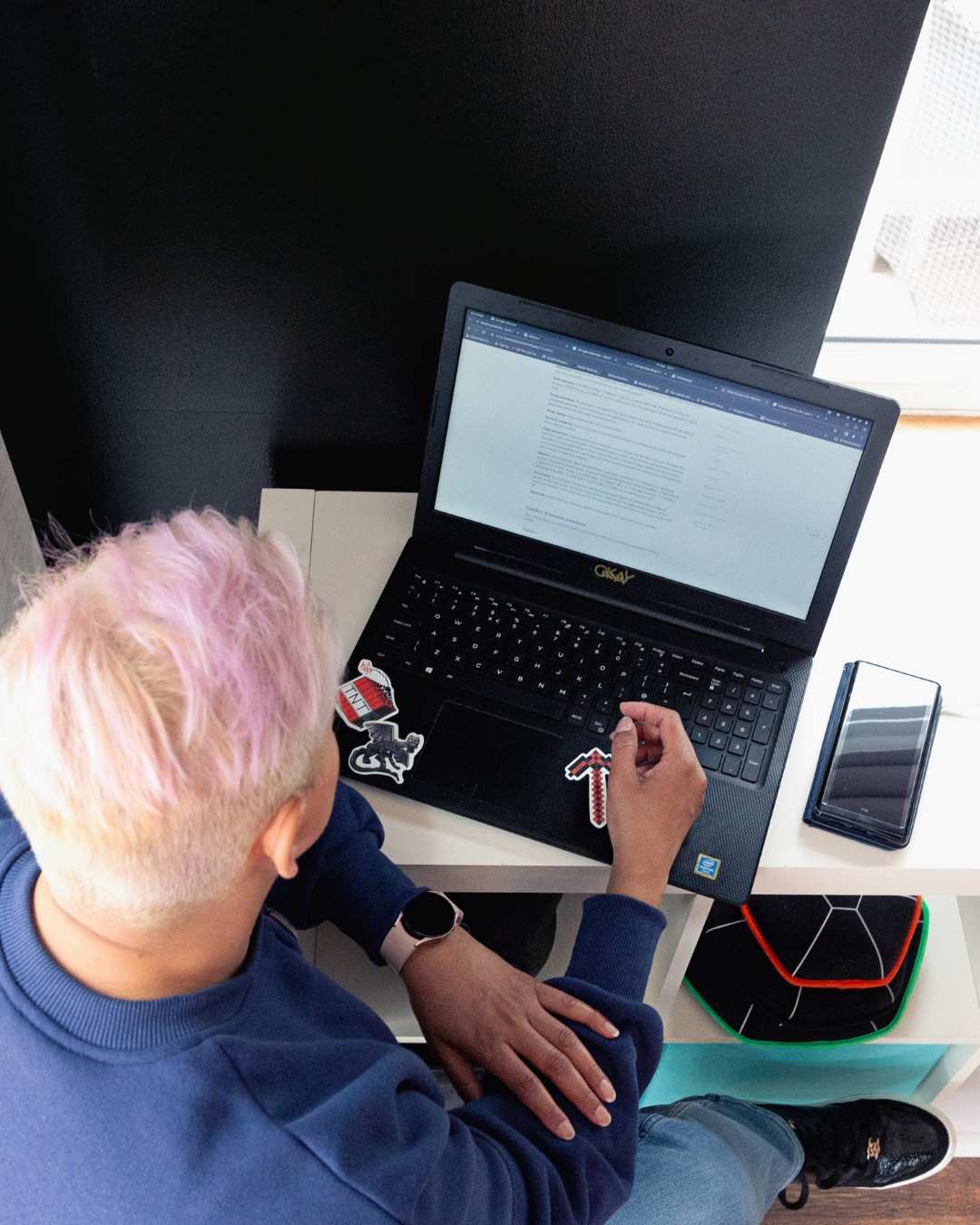
A Professional Social Media Profile Is A Short Job, And The Level 3 Course Has You Build One Before Your First Client
Criterion 6.6 of the Level 2/3 personal training course asks for a professional social media profile. Here is what it covers and why a new trainer can finish it before the first paying client.
A SWOT Analysis Is Six Short Steps, And The Level 3 Course Has You Write One For Your Own Personal Training Business
Criterion 5.3 of the Level 2/3 personal training course asks for a SWOT analysis of your own training business. Here is how the six steps read, and why a new trainer can do it before the first client.
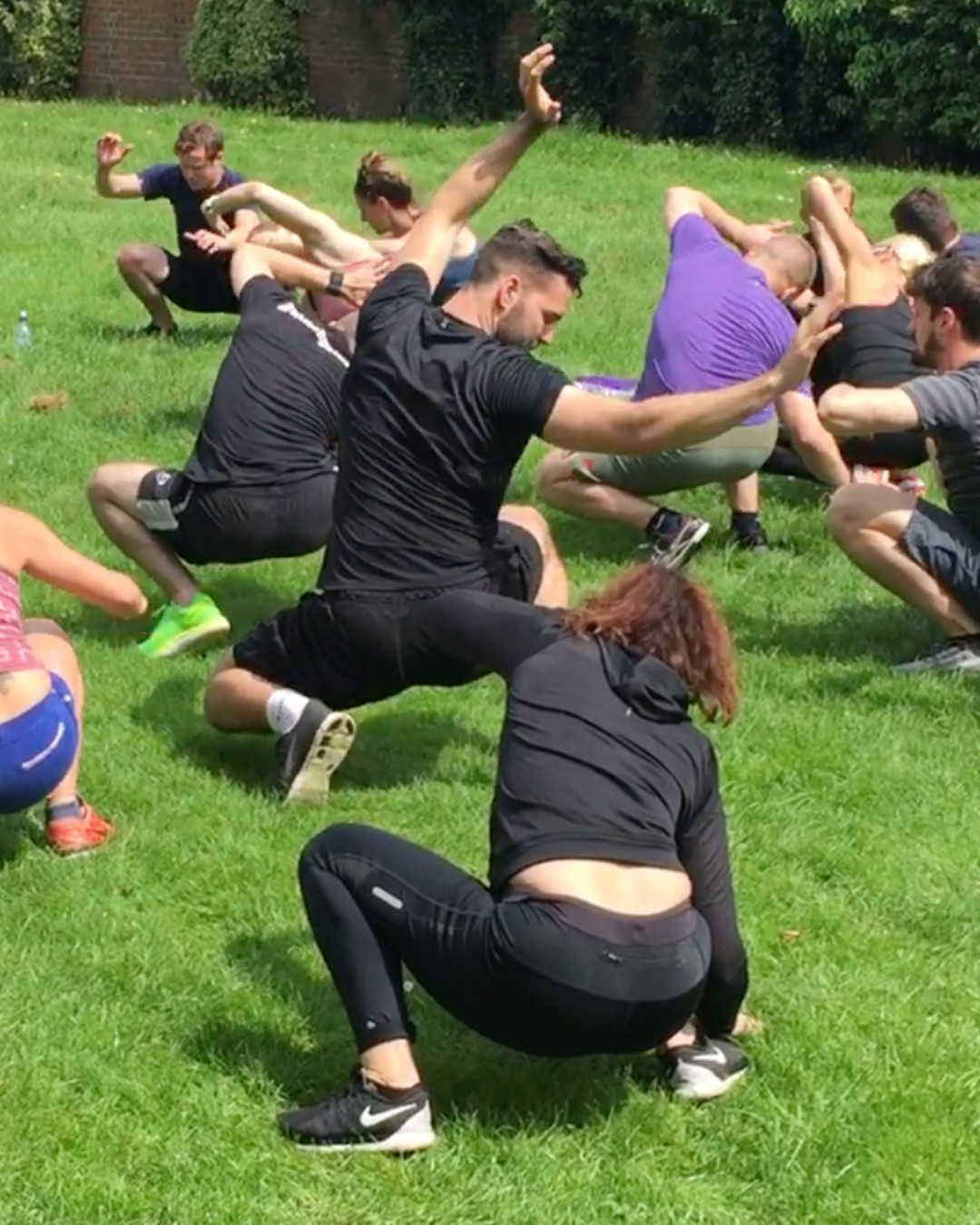
Planning A Safe Session On The Level 3 Course Means Five Short Lists, And Each One Is Easier Than It Sounds
Criterion 5.3 of the Level 2/3 personal training course asks for a safe session plan: pre-workout checks, warm-up, an alternative for each exercise and a cool down. Here is how it reads.
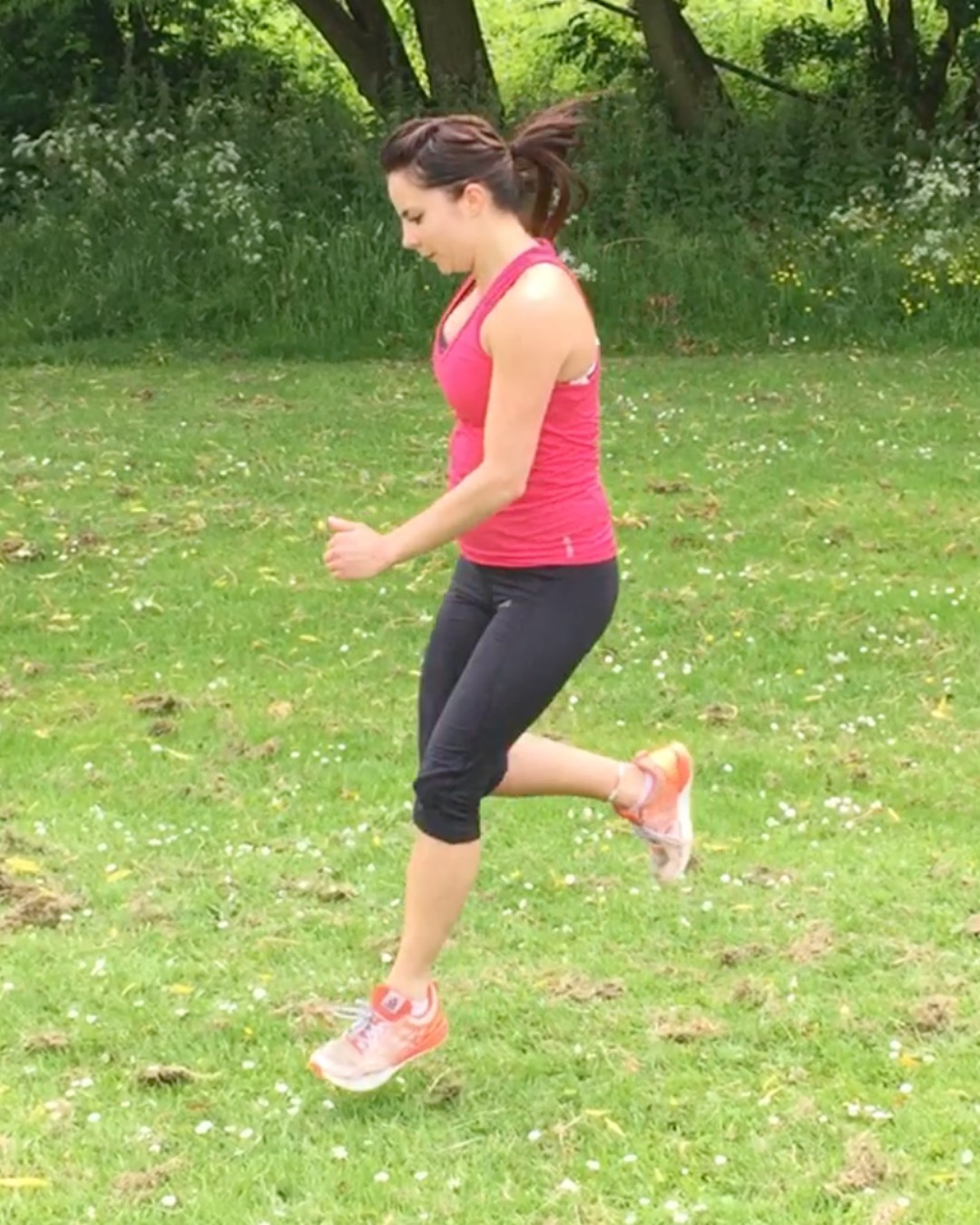
The Nutrition Unit In Level 3 Starts With Three Fuels And One Idea That Makes Sense Of The Whole Thing
Worried the science in a personal training course will be too much? The nutrition unit begins with carbohydrate, fat and protein as fuel. Here is how it reads and what it asks of you.
Clients Keep Coming Back For How Training Feels, And Level 3 Teaches The Two Kinds Of Motivation Behind That
Wondering if you can finish a personal training course and keep clients afterwards? Level 3 teaches intrinsic and extrinsic motivation in plain words. Here is what it covers.
A Motor Unit Is One Nerve Running A Team Of Muscle Fibres, And The Level 3 Anatomy Unit Makes It Simple
Worried the anatomy in a personal training course will be too hard? A motor unit is one nerve and the muscle fibres it controls. Here is how the Level 3 course explains it.
Track Three Numbers From Your First Month, And A New Personal Training Business Tells You What To Do Next
Thinking about becoming a personal trainer and wondering how you will know it is paying? The Level 3 course teaches KPIs: three simple numbers that tell a new trainer where to put their time.
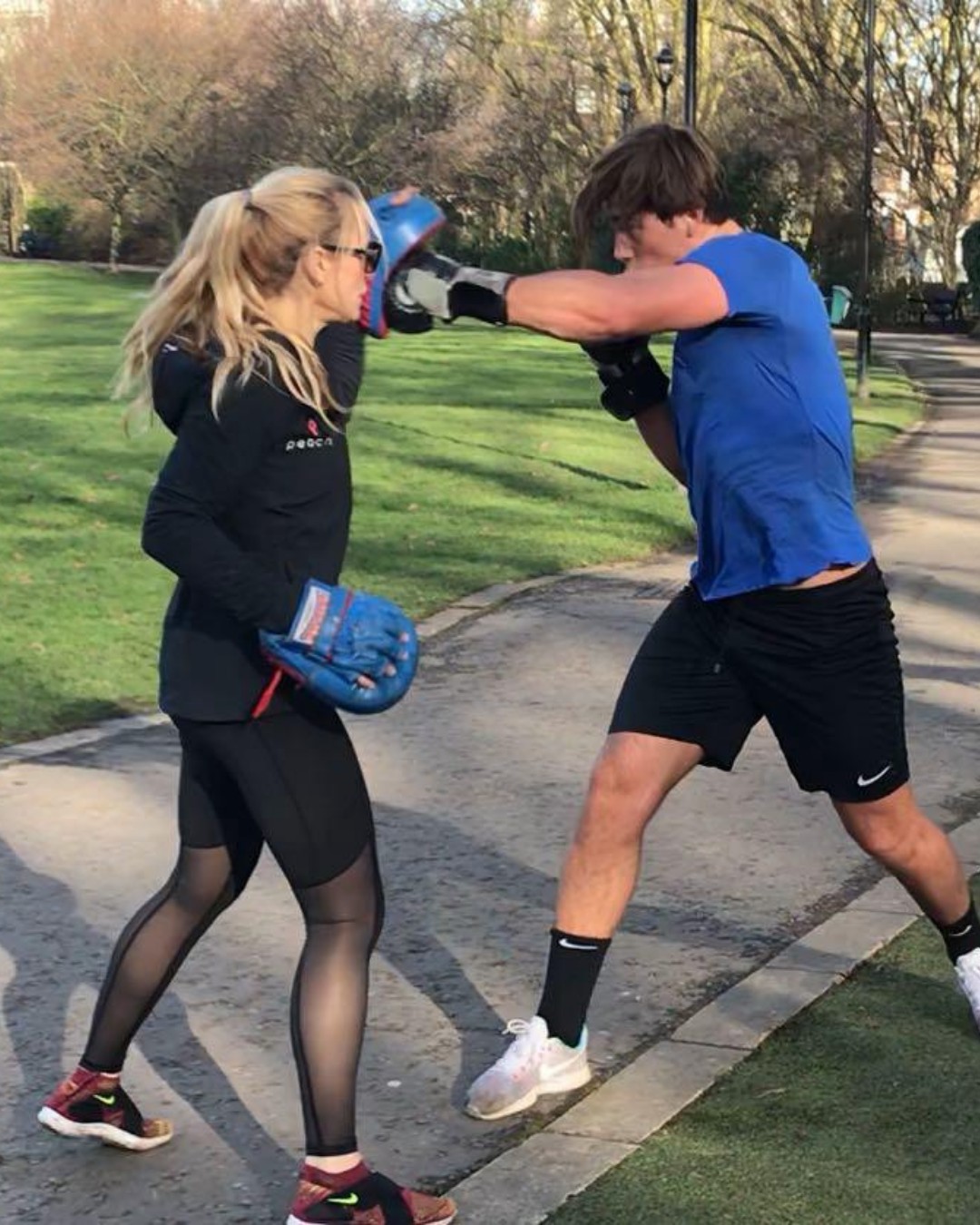
Learn Four Ways To Get One Idea Across Before You Meet Your First Client
A personal trainer course teaches verbal, non-verbal, listening and demonstration techniques for getting one idea across. Here is what each one looks like with a real client, and why the range matters more than any single style.
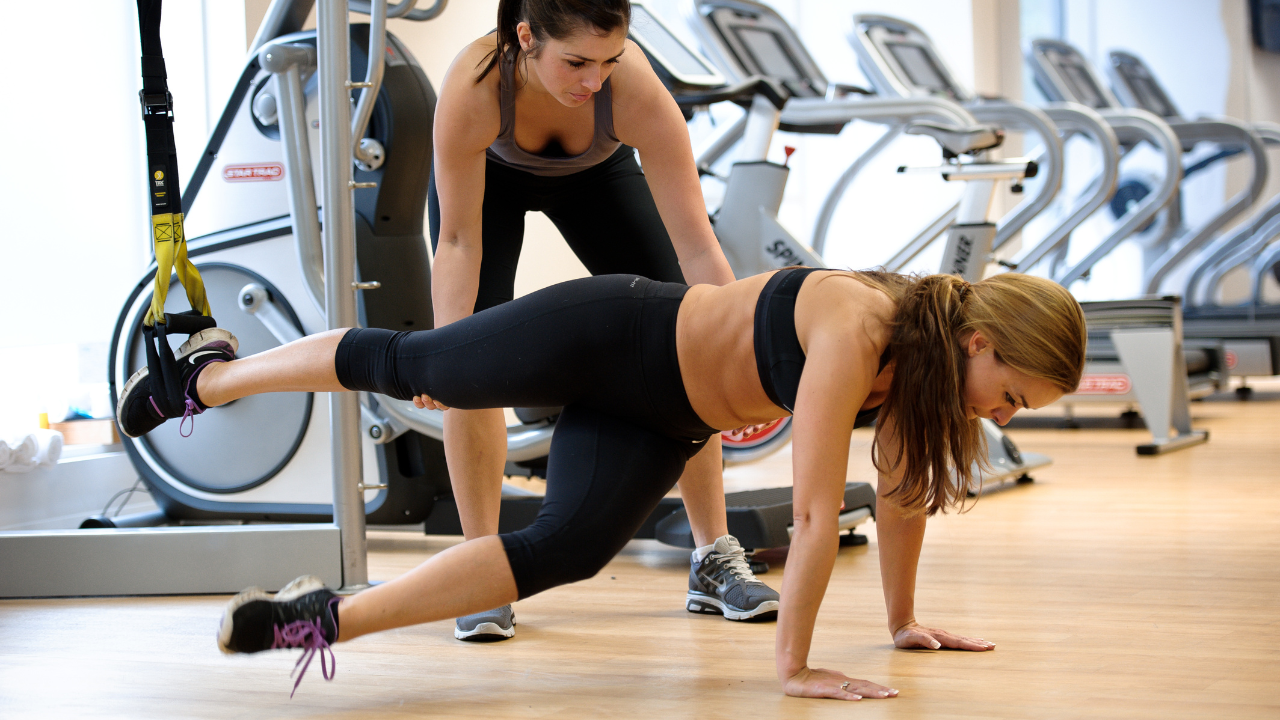
What Muscles Work In A Mountain Climber, And Why The Core Does More Than The Legs
A mountain climber looks like a leg exercise and isn't. The core holds the whole shape still while the hips do the actual work, and the shoulders carry a load they don't get credit for. The four steps that produce that answer are taught on our CIMSPA-recognised personal training course, and they work on any exercise.
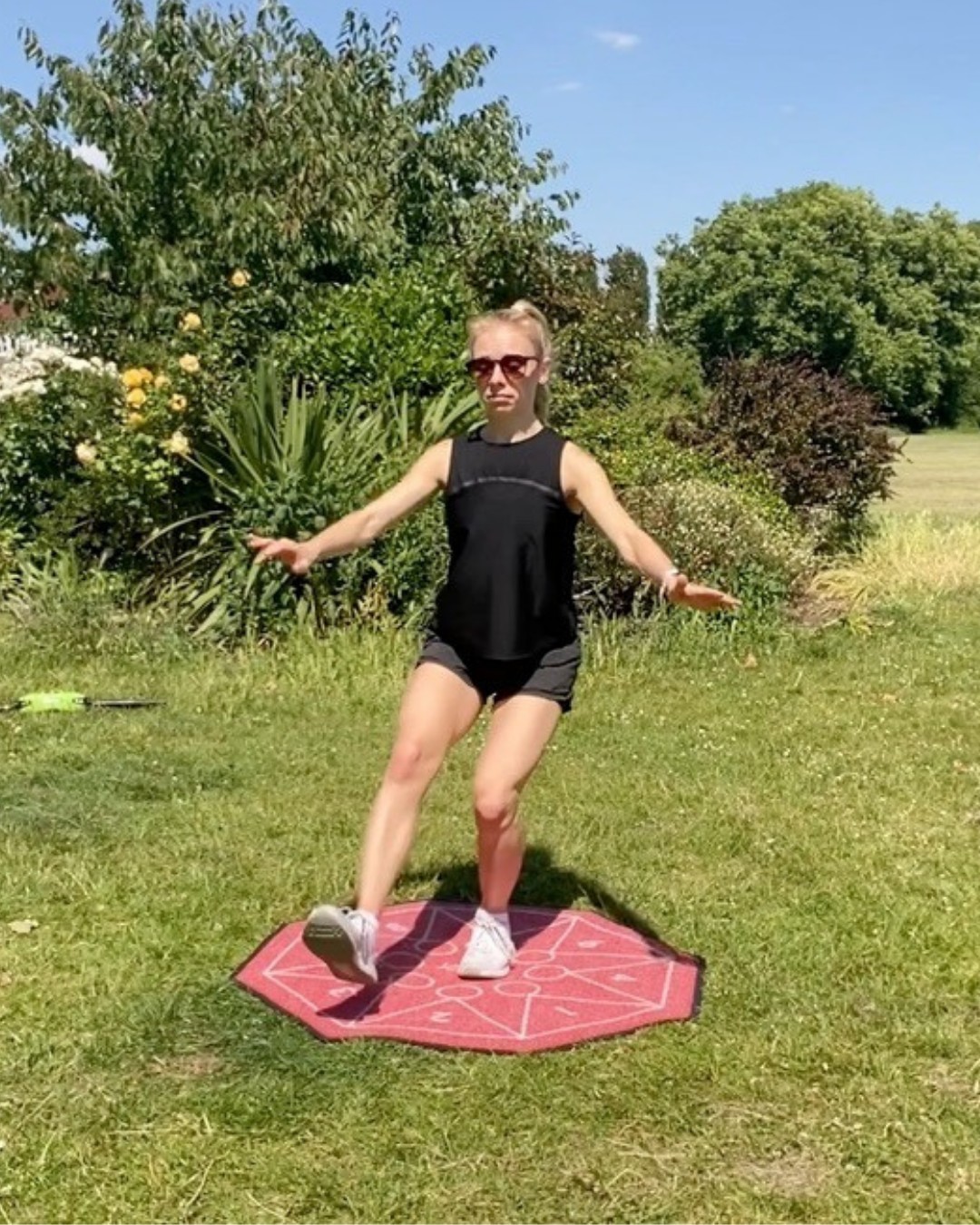
What Muscles Work In A Step-Up, And Why One Leg Does A Different Job To The Other
A step-up loads almost the whole rise onto one leg, the quads and glutes driving it and the glute medius holding the pelvis level while the other leg swings free. The four steps that produce that answer are taught on our CIMSPA-recognised personal training course, and they work on any exercise.
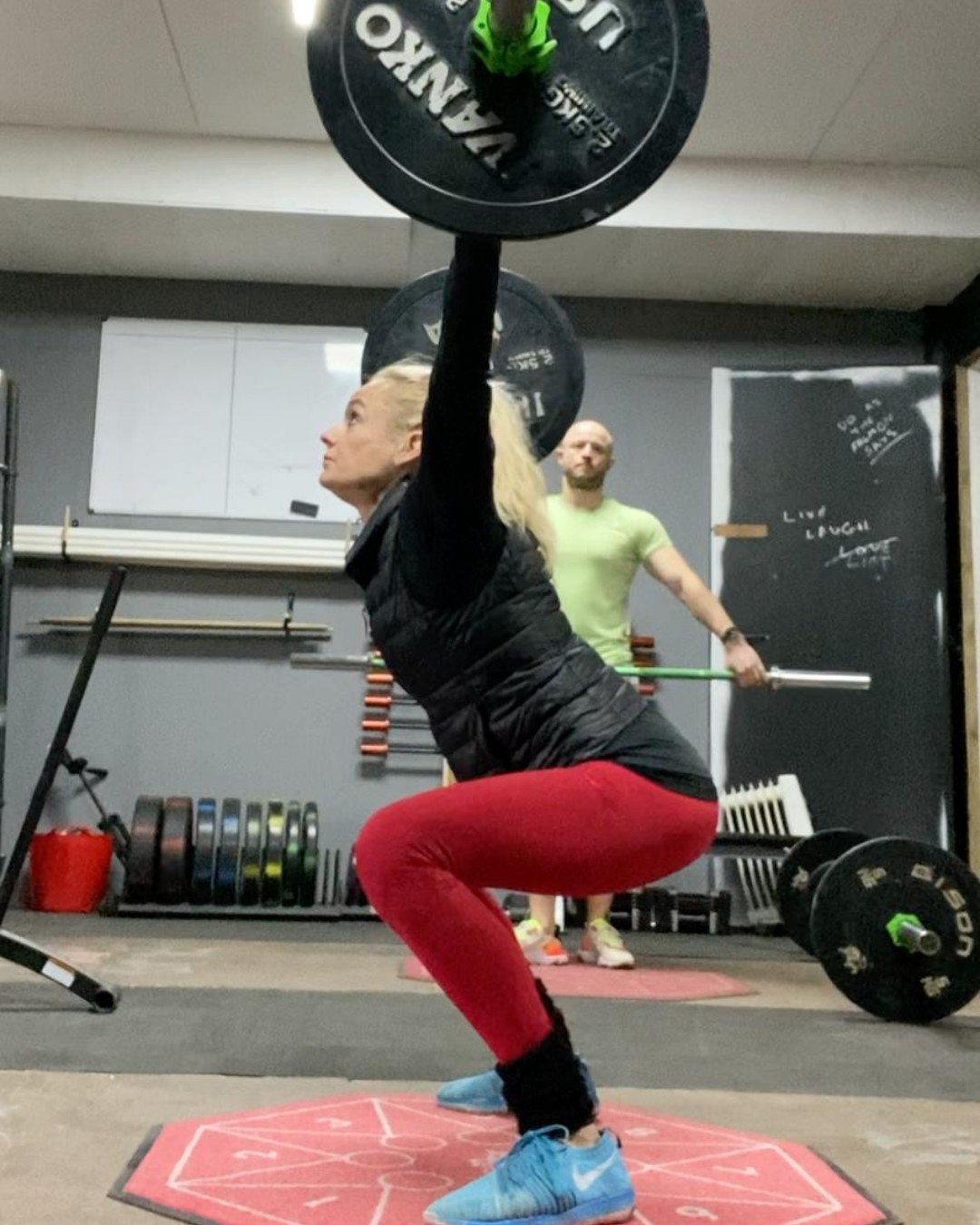
What Muscles Work In A Single-Arm Overhead Squat, And Why One Side Of The Trunk Works Harder Than The Other
A single-arm overhead squat works the shoulder and rotator cuff holding the load locked out, the quads and glutes through the squat, and the obliques resisting the trunk tipping toward the loaded side. The four steps that produce that answer are taught on our CIMSPA-recognised personal training course, and they work on any exercise.

A Client Doesn't Stop Coming Because They're Lazy, They Stop For One Of Four Reasons
Level 3 sorts every reason a client drifts off into four categories, physical, emotional, motivational or time, found through open questions in the consultation rather than guessed at afterwards. One of the things you learn on our CIMSPA-recognised personal training course is how to ask for the real one.
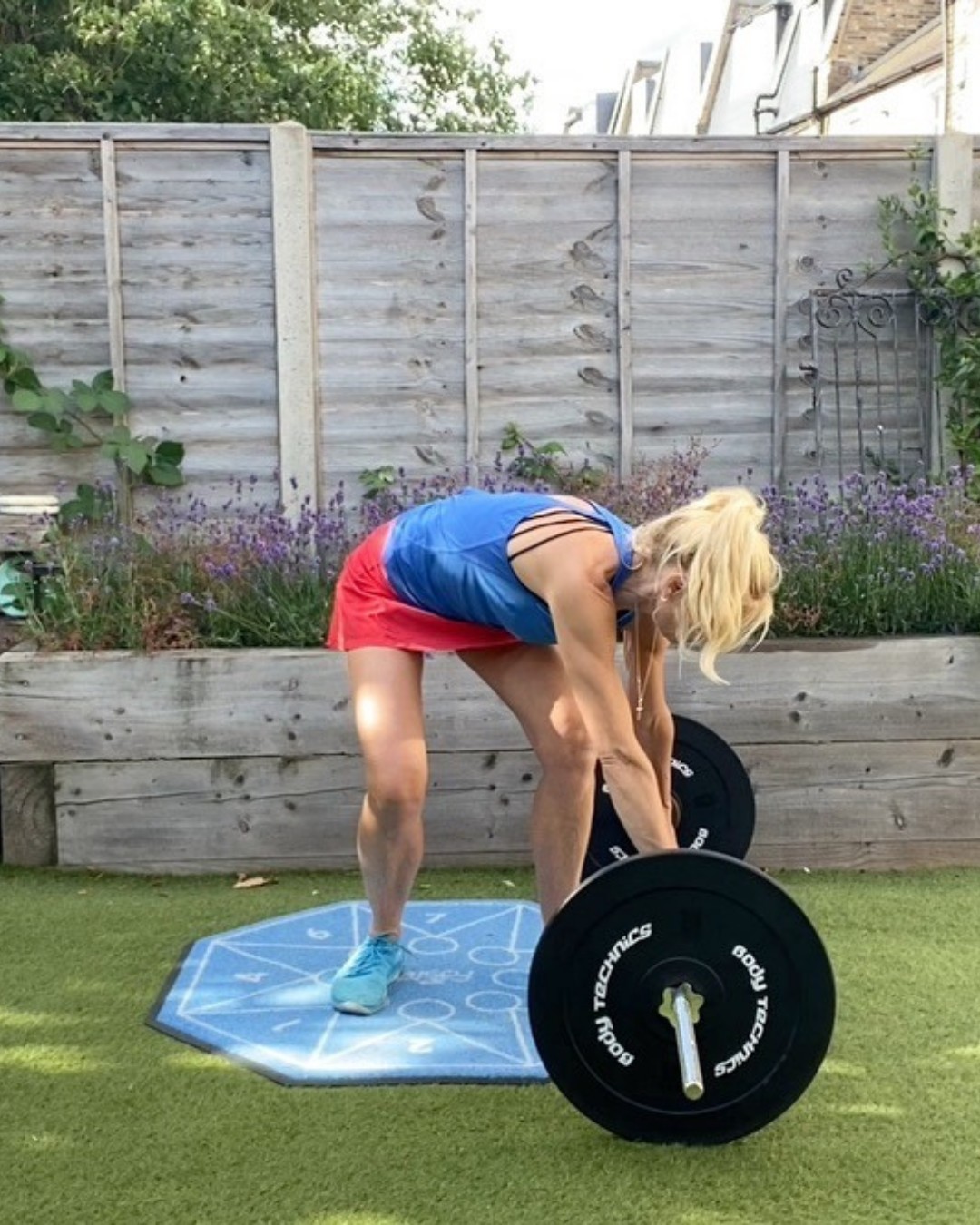
What Muscles Work In A Romanian Deadlift, And Why It Reads Different To A Deadlift From The Floor
A Romanian deadlift works the hamstrings and glutes through a hip hinge, with the erector spinae holding the spine and the grip and lats keeping the bar close. The four steps that produce that answer are taught on our CIMSPA-recognised personal training course, and they work on any exercise.
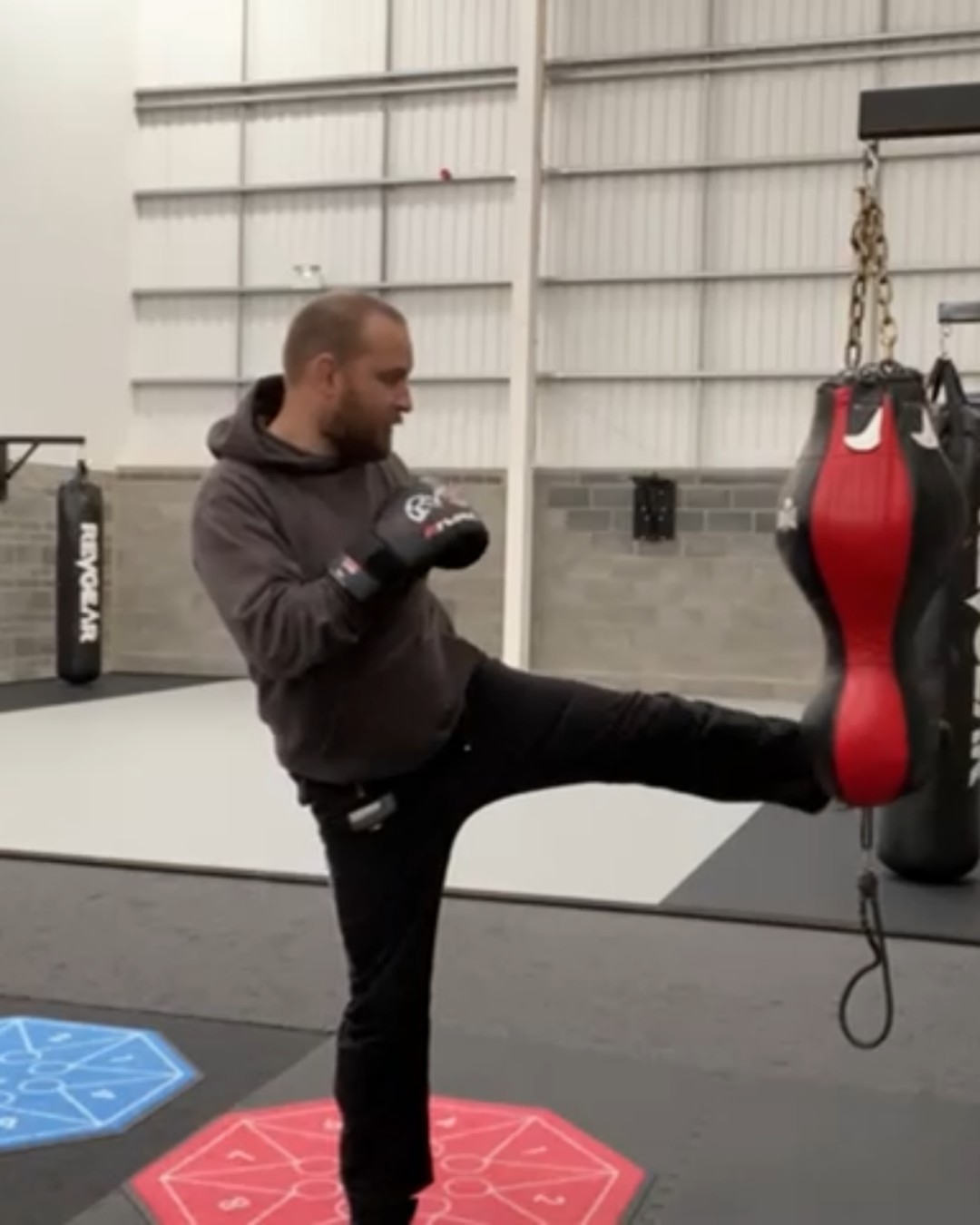
What Muscles Work In A High Kick, And Why The Standing Leg Does As Much As The One That Moves
A high kick asks the standing leg's glutes and hip to hold the whole body up on one foot while the kicking leg's hip flexors and quads do the visible work. The four steps that produce that answer are taught on our CIMSPA-recognised personal training course, and they work on any exercise.
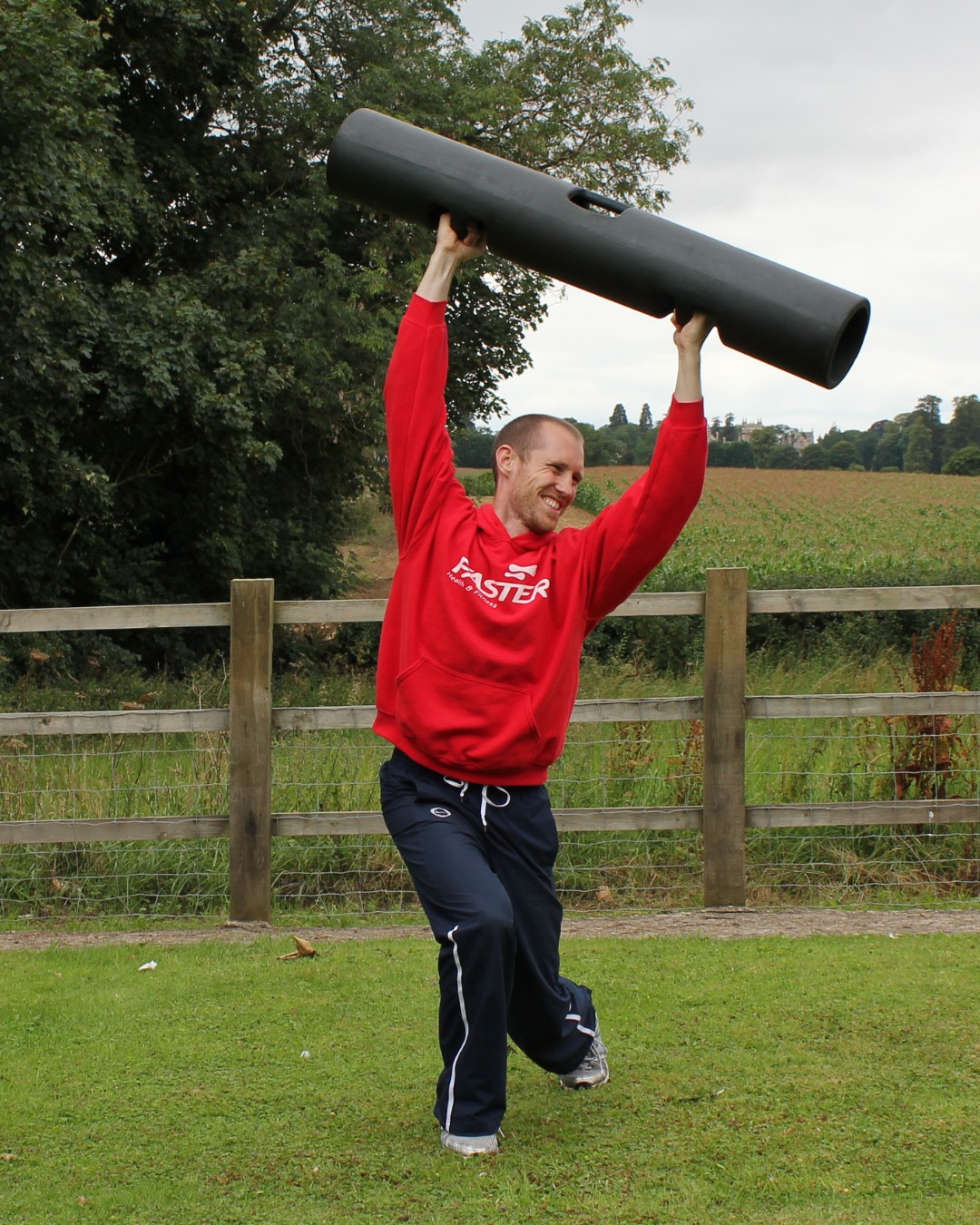
What Muscles Work In A Walking Lunge, And Why The Answer Isn't The Same As A Lunge
A walking lunge asks the glute medius and hamstrings to do a job a lunge that returns to standing never asks for, because the body is landing on a moving base instead of a fixed one. The four steps that produce that answer are taught on our CIMSPA-recognised personal training course, and they work on any exercise.
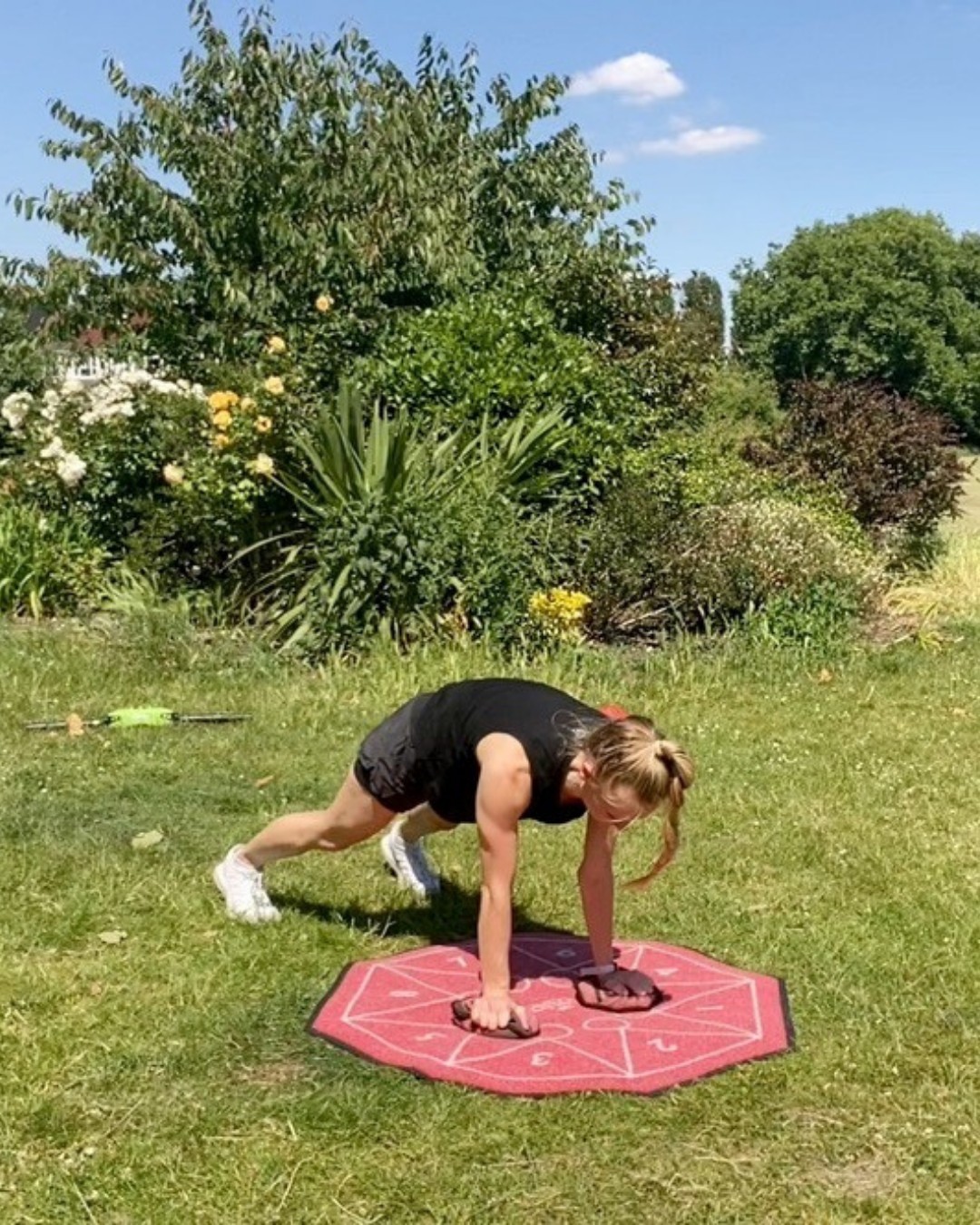
What Muscles Work In A Beast Position, And How To Work It Out For Any Exercise
A beast position is held by the shoulder stabilisers and hip flexors doing the same job a bear crawl does mid-step, except nothing moves. The four steps that produce that answer are taught on our CIMSPA-recognised personal training course, and they work on any exercise.
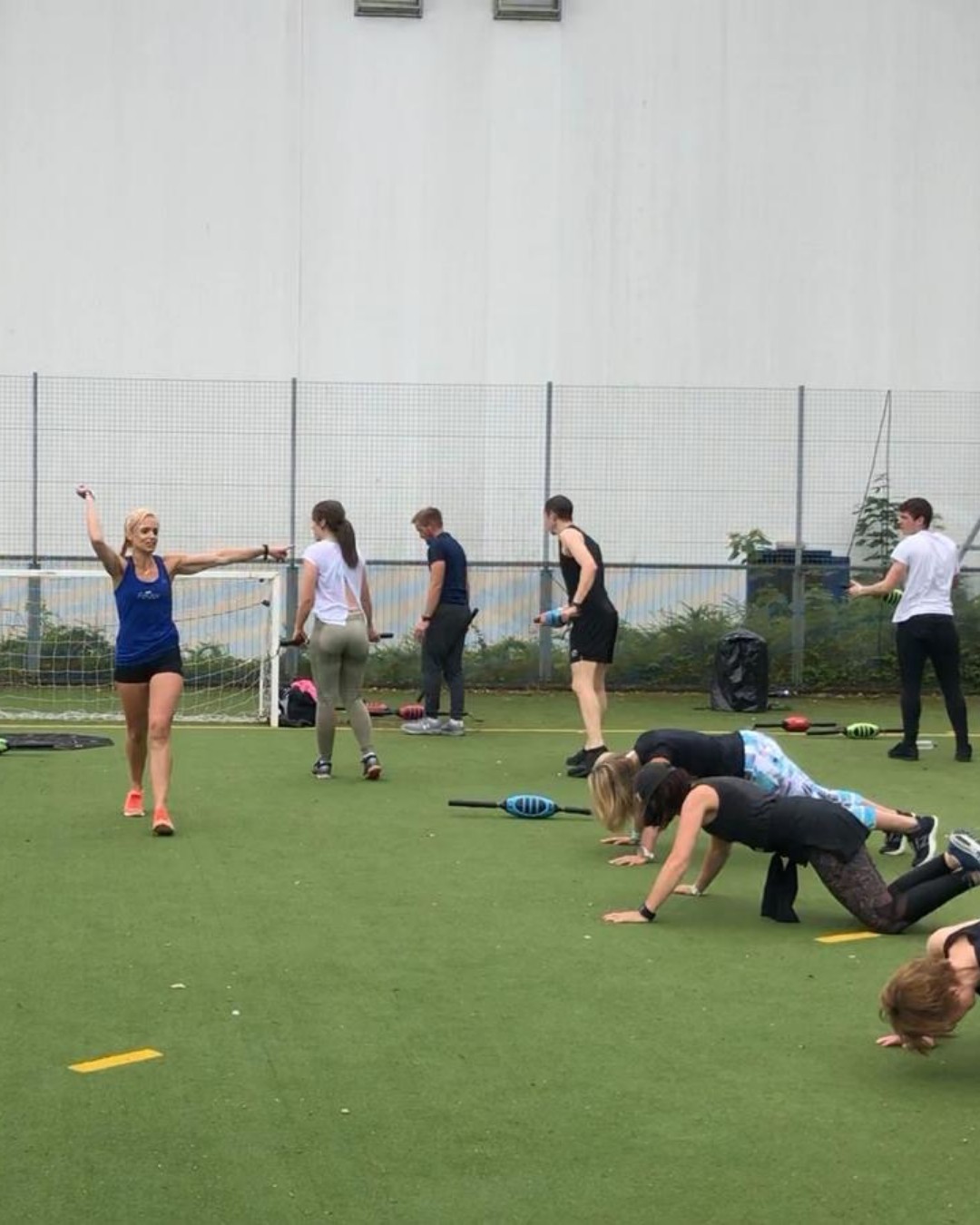
What Muscles Work In A Bear Crawl, And How To Work It Out For Any Exercise
A bear crawl is held together by the core resisting rotation and the shoulder stabilisers controlling the shoulder blade, because only two points of contact ever touch the ground at once. The four steps that produce that answer are taught on our CIMSPA-recognised personal training course, and they work on any exercise.
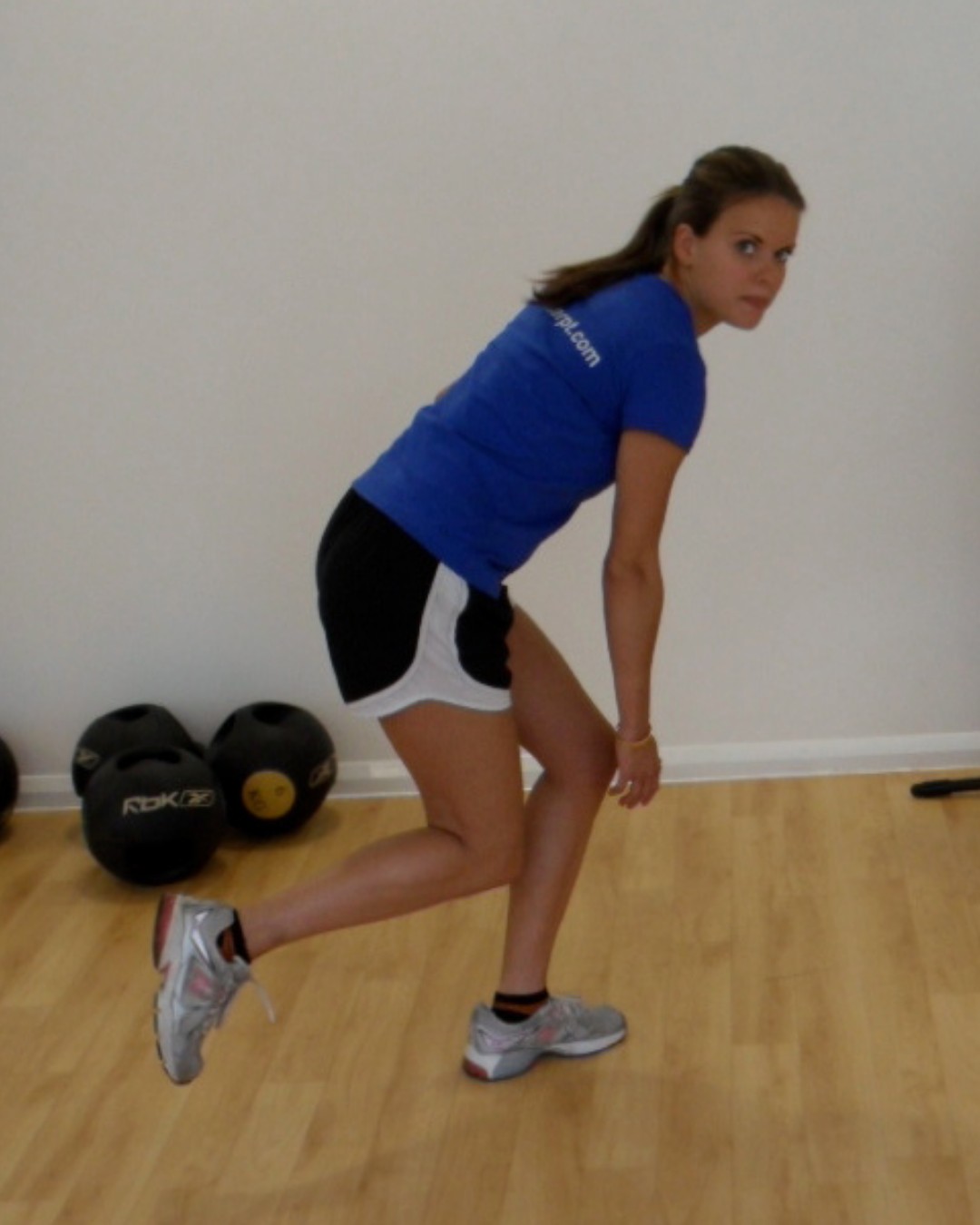
What Muscles Work In A Single-Leg Deadlift, And How To Work It Out For Any Exercise
A single-leg deadlift is held together by the hamstring and glute of the standing leg lengthening as the hip folds forward, with the glute medius and deep hip rotators doing a stabilising job a two-footed deadlift never asks for. The four steps that produce that answer are taught on our CIMSPA-recognised personal training course, and they work on any exercise.
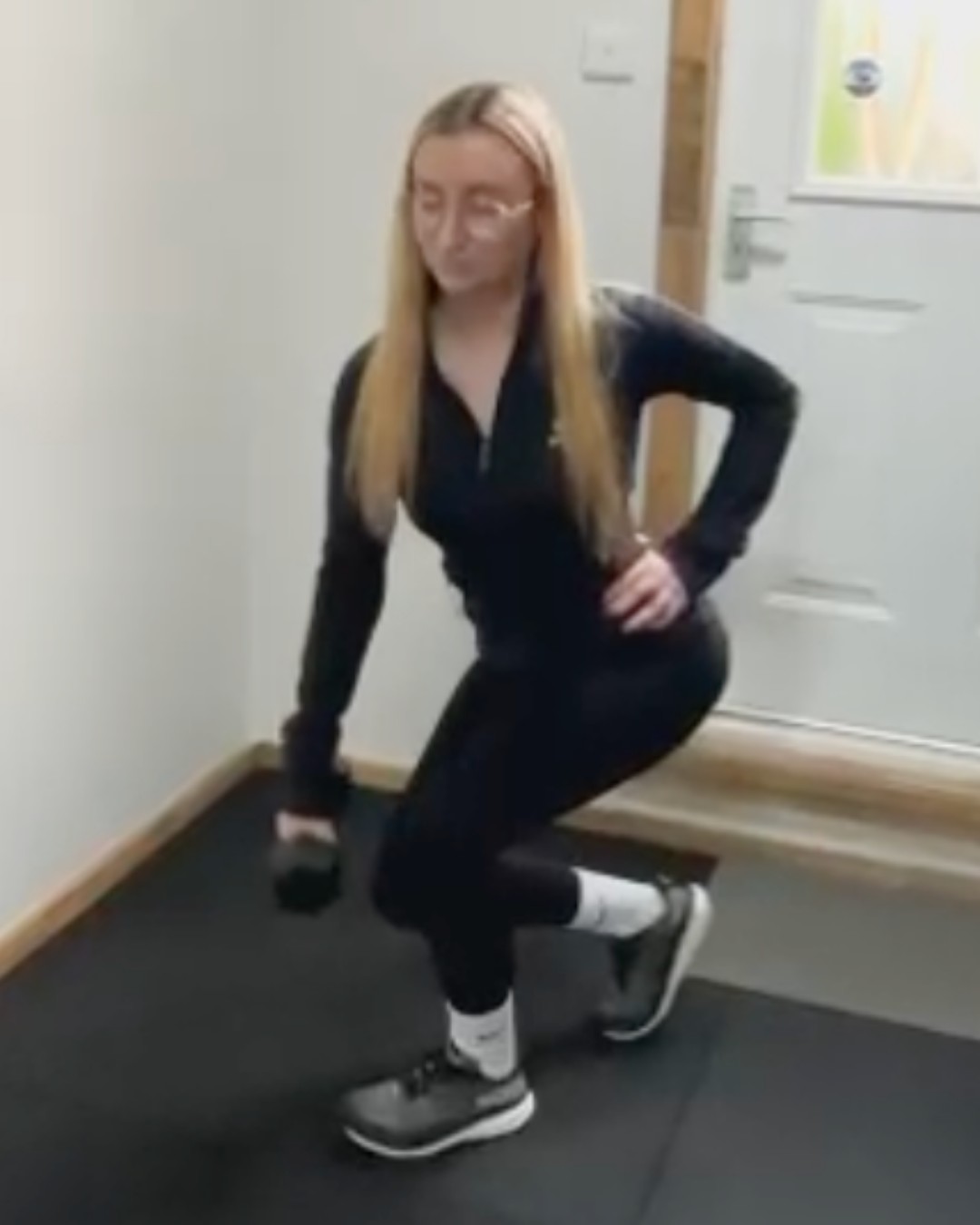
What Muscles Work In A Split Squat, And How To Work It Out For Any Exercise
A split squat is held together by the glutes and quads of the front leg lengthening on the way down and the hip flexors of the rear leg stretching under bodyweight, with the front glute medius and deep core doing the stabilising a bilateral squat never has to. The four steps that produce that answer are taught on our CIMSPA-recognised personal training course, and they work on any exercise.
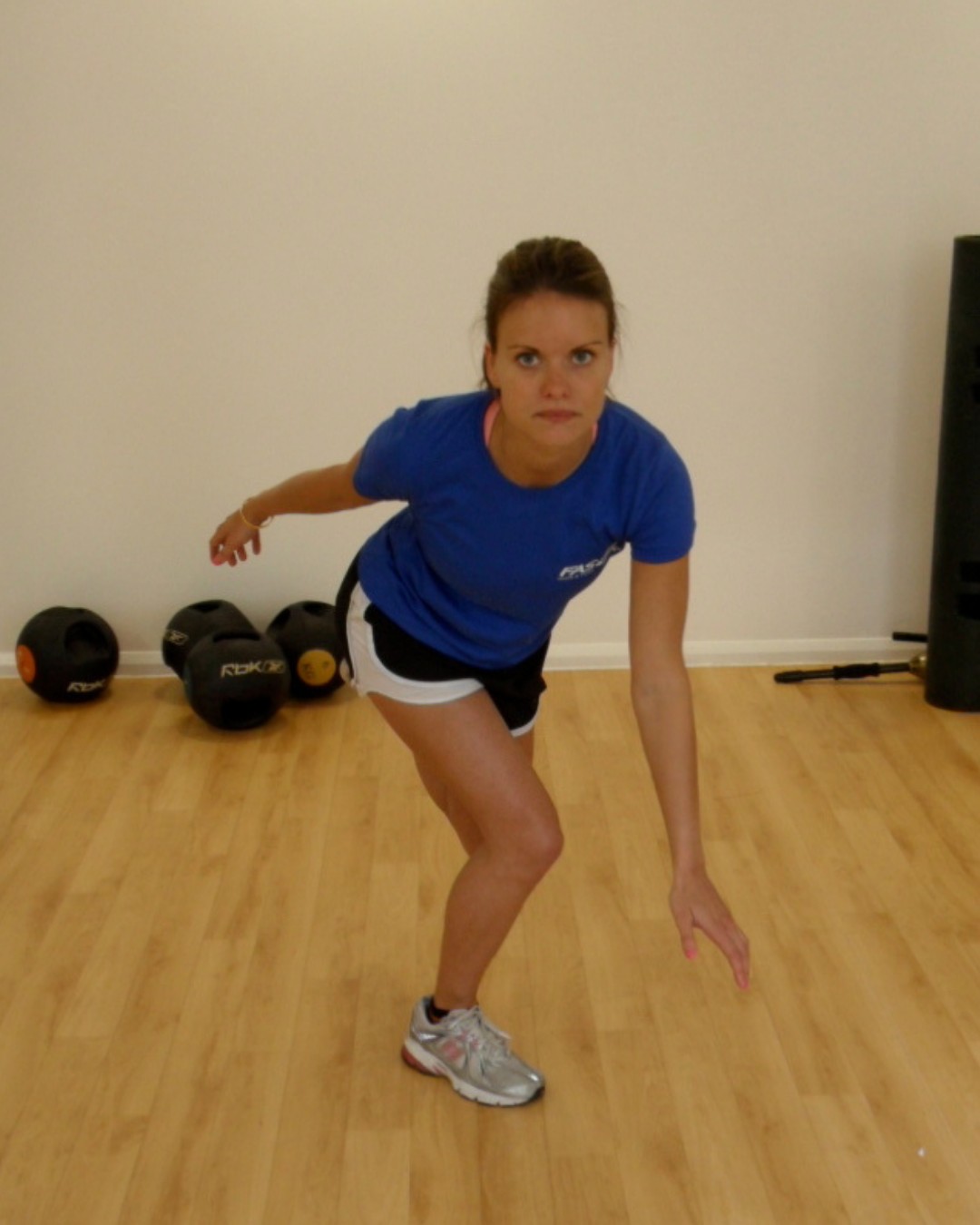
What Muscles Work In A Lateral Shuffle, And How To Work It Out For Any Exercise
A lateral shuffle is held together by the adductors and glute medius of the leading leg absorbing the sideways glide, and the glutes, quads and hamstrings of the trailing leg driving the push-off. The four steps that produce that answer are taught on our CIMSPA-recognised personal training course, and they work on any exercise.
Your Insurance Has Two Halves, And The Programme You Write Needs The Second
Before you ever need it, Level 2/3 teaches you exactly what Personal Liability and Professional Indemnity insurance has to cover once you're training clients for money.
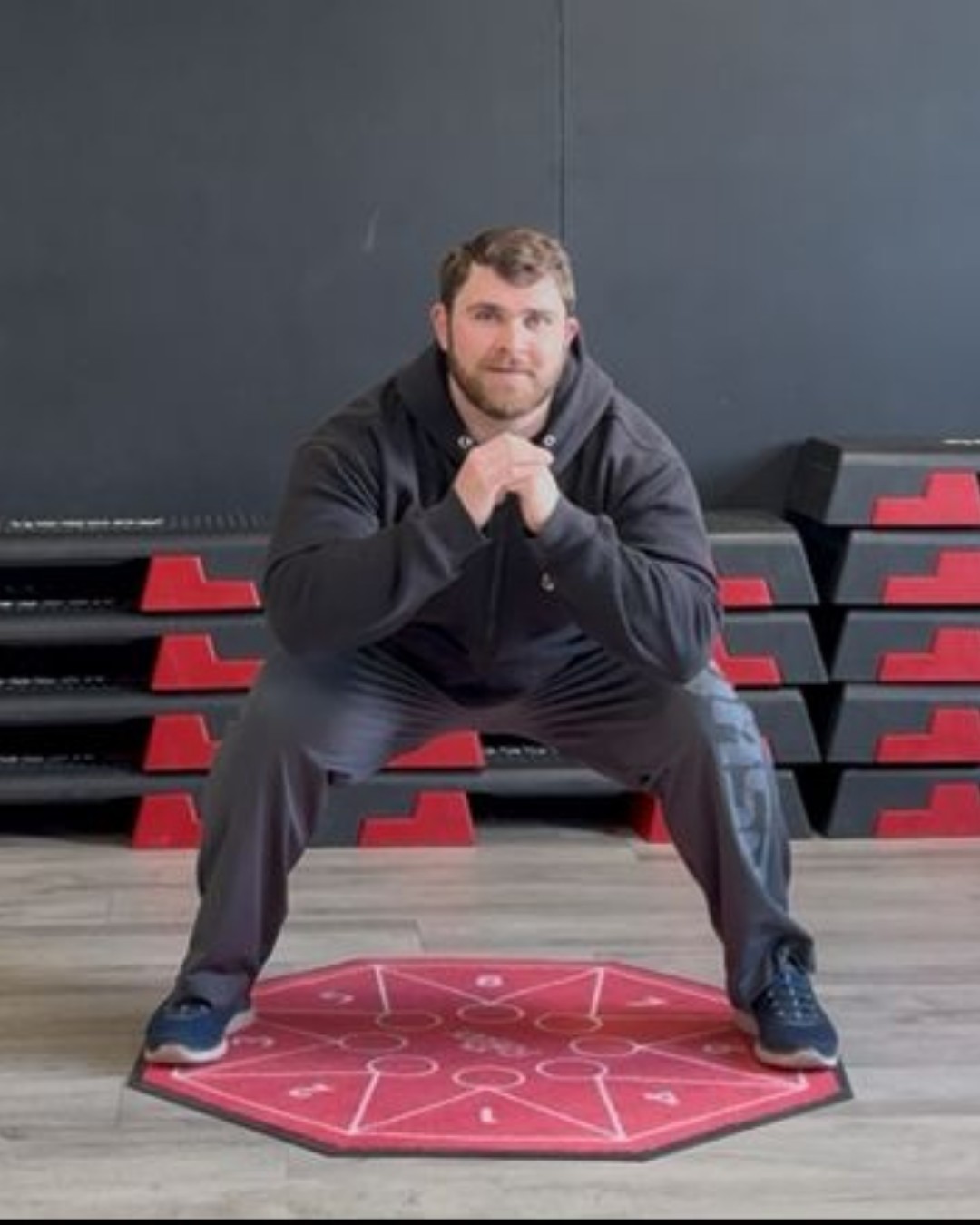
What Muscles Work In A Lateral Lunge, And How To Work It Out For Any Exercise
A lateral lunge is held together by the glutes and quads of the bending leg controlling the descent, and the adductors of the straight leg lengthening as it slides away, then pulling the body back to centre. The four steps that produce that answer are taught on our CIMSPA-recognised personal training course, and they work on any exercise.
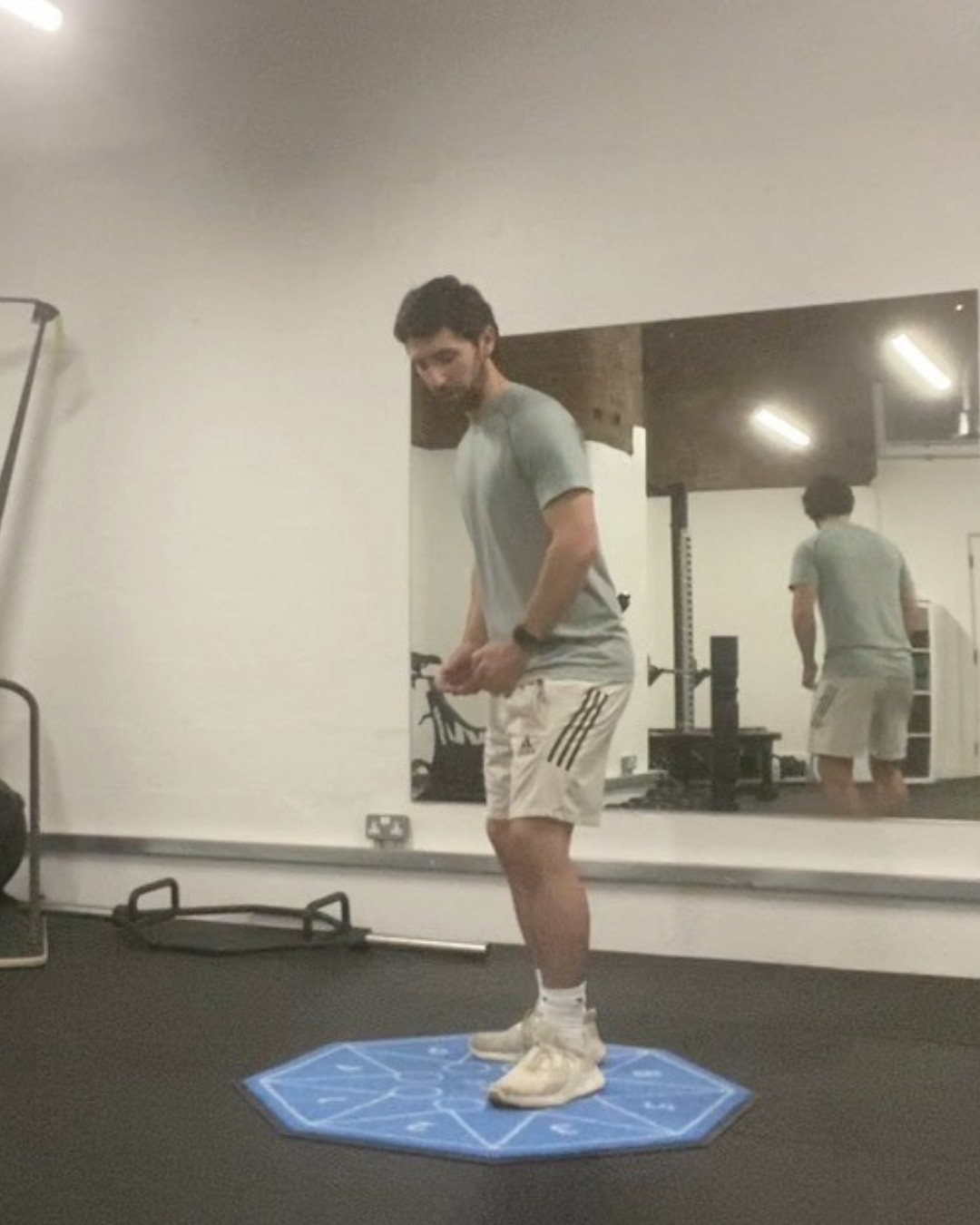
What Muscles Work In A Hip Hinge, And How To Work It Out For Any Exercise
A hip hinge is held together by the glutes and hamstrings lengthening as the hips push back, assisted by the adductor magnus and erector spinae, and supported by the deep core and the ankle stabilisers. The four steps that produce that answer are taught on our CIMSPA-recognised personal training course, and they work on any exercise.
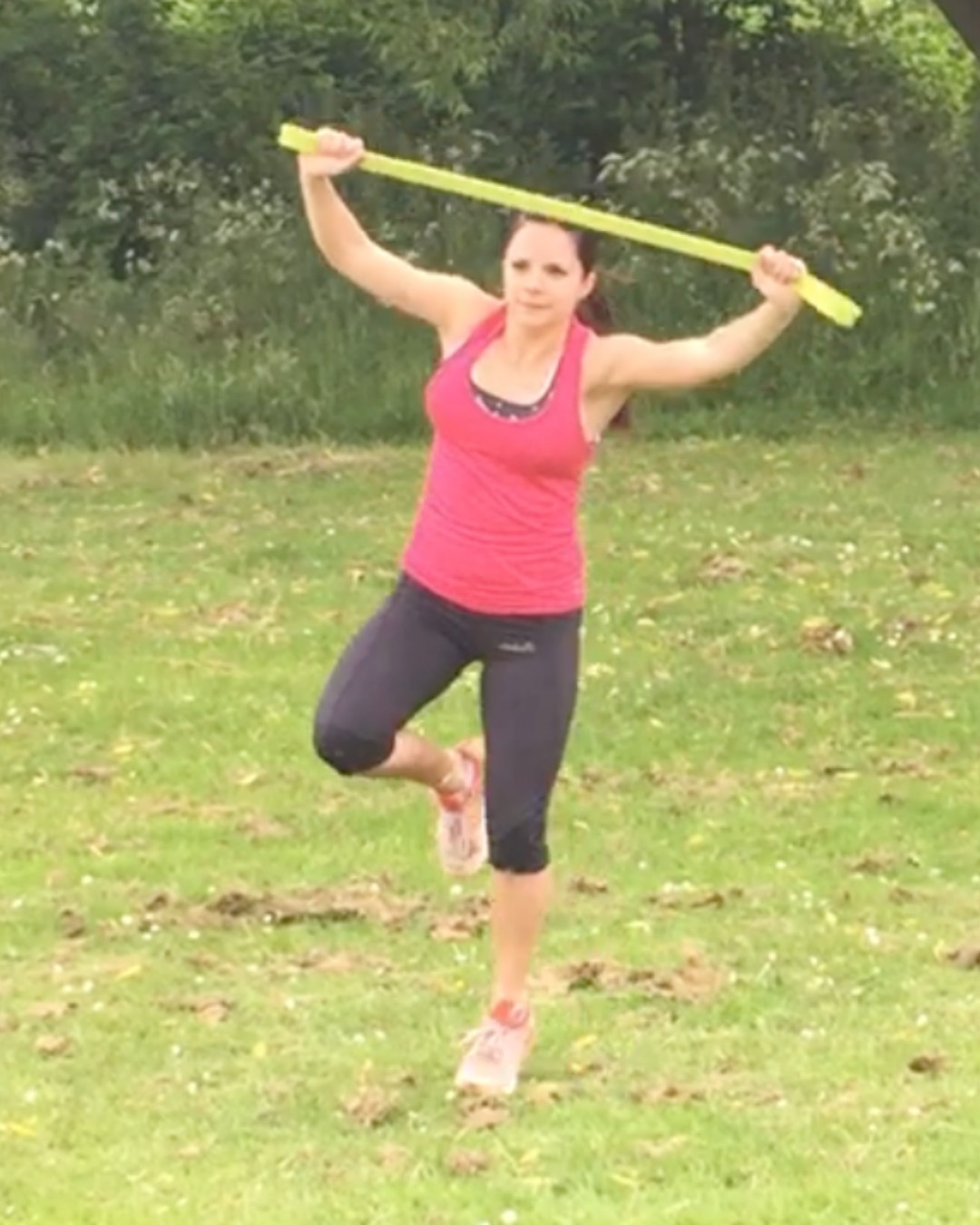
What Muscles Work In A Single-Leg Overhead Reach, And How To Work It Out For Any Exercise
A single-leg overhead reach is held up by the standing leg's glute medius and minimus stopping the pelvis dropping, assisted by the small muscles around the ankle and the obliques controlling the trunk, and supported by the deep core and the shoulder stabilisers holding the reach overhead. The four steps that produce that answer are taught on our CIMSPA-recognised personal training course, and they work on any exercise.
What To Do After You Qualify As A Personal Trainer
Most people qualify as a personal trainer and then guess what comes next. On the FASTER route the qualification is Phase 1 of three, and each phase ends with a real conversation with John about what is next for your business. The Level 3 course asks you to build a personal development plan; the mentored route is that plan with a person attached.

What Muscles Work In A Bird Dog, And How To Work It Out For Any Exercise
A bird dog is held together by the deep core and erector spinae supporting the spine, the extending leg's glute driving the hip straight, and the opposite-side obliques stopping the whole thing rotating. The four steps that produce that answer are taught on our CIMSPA-recognised personal training course, and they work on any exercise.
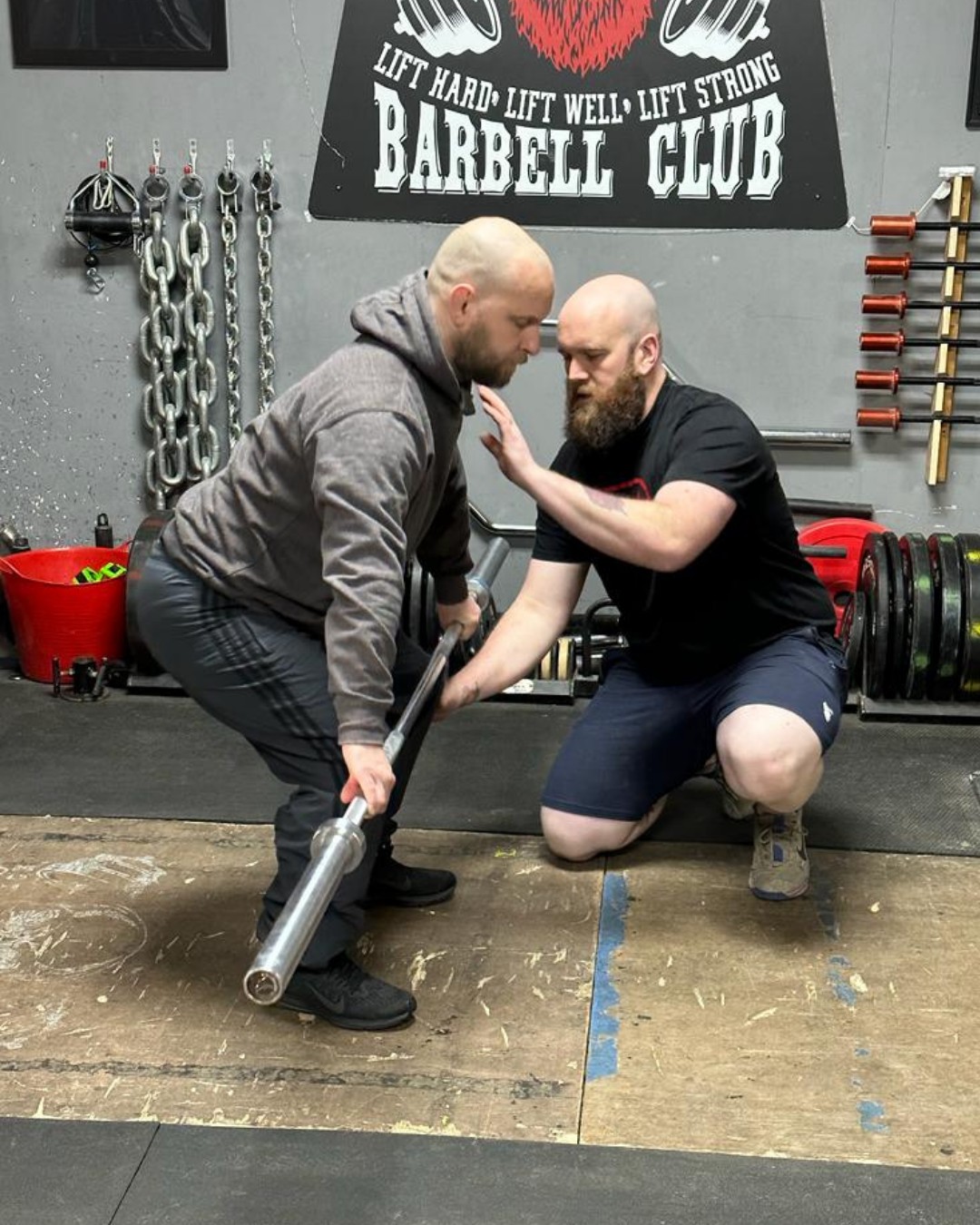
A New Client's Shaky Leg Is The Nervous System Learning The Movement
A client's leg shaking through a brand new movement is motor units firing out of sequence while the nervous system learns the pattern. One of the things you learn on our CIMSPA-recognised personal training course is what's happening in that shake, and why the client gets stronger before any muscle even grows.
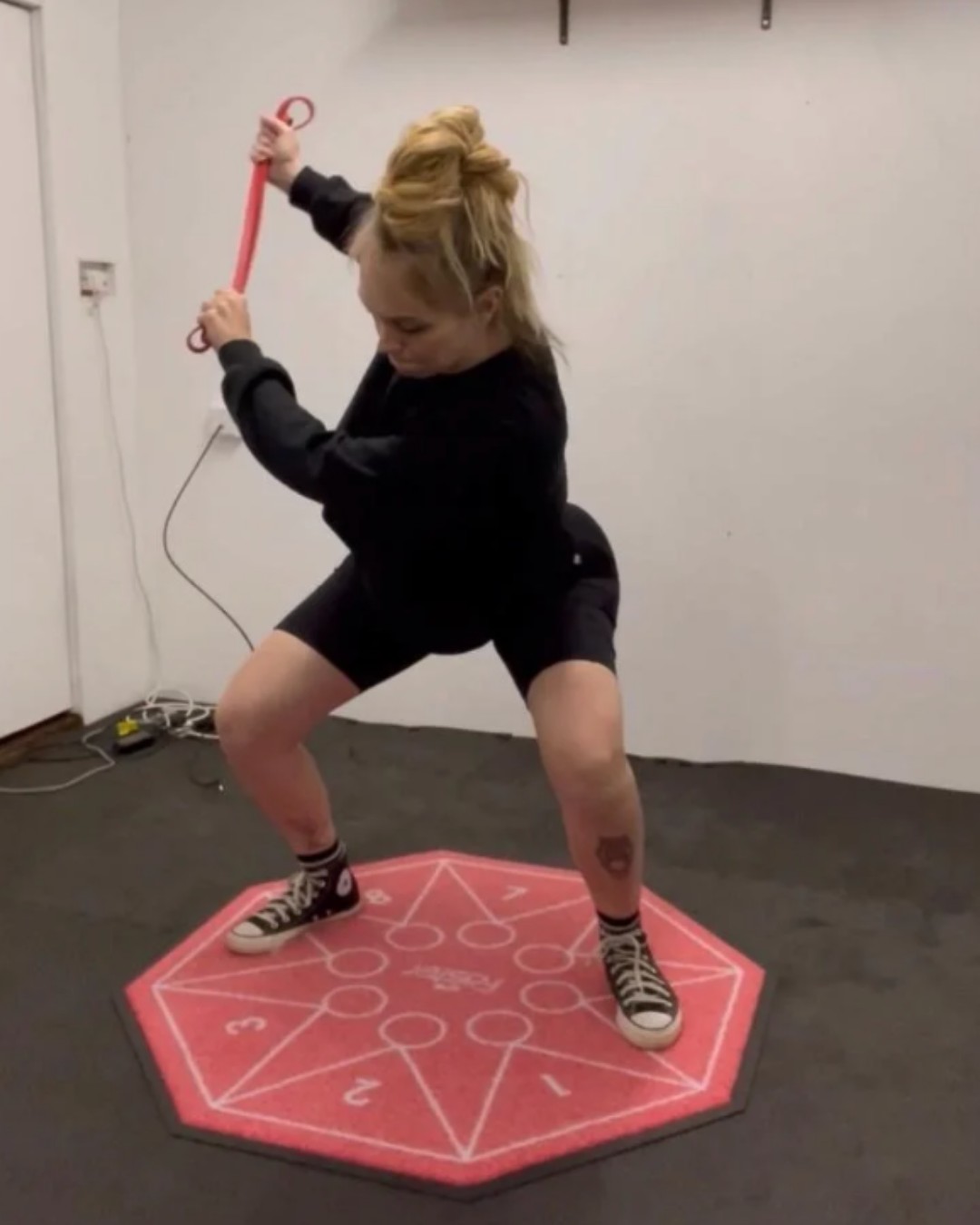
What Muscles Work In A Band Wood Chop, And How To Work It Out For Any Exercise
A band wood chop is driven by the obliques resisting and then producing the rotation, assisted by the lats finishing the pull and the back leg's glute powering the diagonal from the stance. The four steps that produce that answer are taught on our CIMSPA-recognised personal training course, and they work on any exercise.
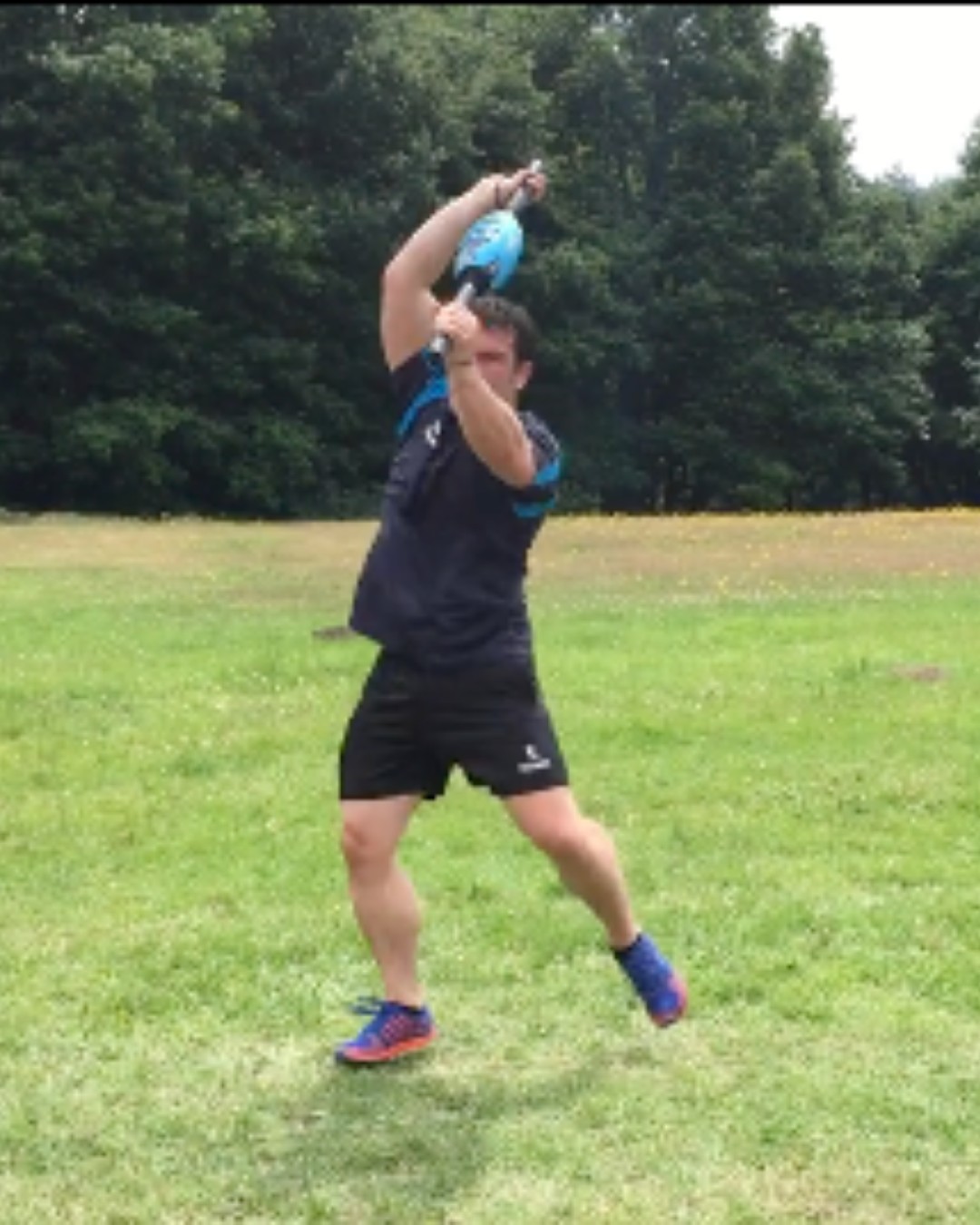
What Muscles Work In A Kettlebell Swing, And How To Work It Out For Any Exercise
A kettlebell swing is driven by the glutes and hamstrings snapping the hip straight, assisted by the adductors closing the hip and the lats steering the bell's arc, and held together by the core supporting the hinge and the forearms gripping throughout. The four steps that produce that answer are taught on our CIMSPA-recognised personal training course, and they work on any exercise.
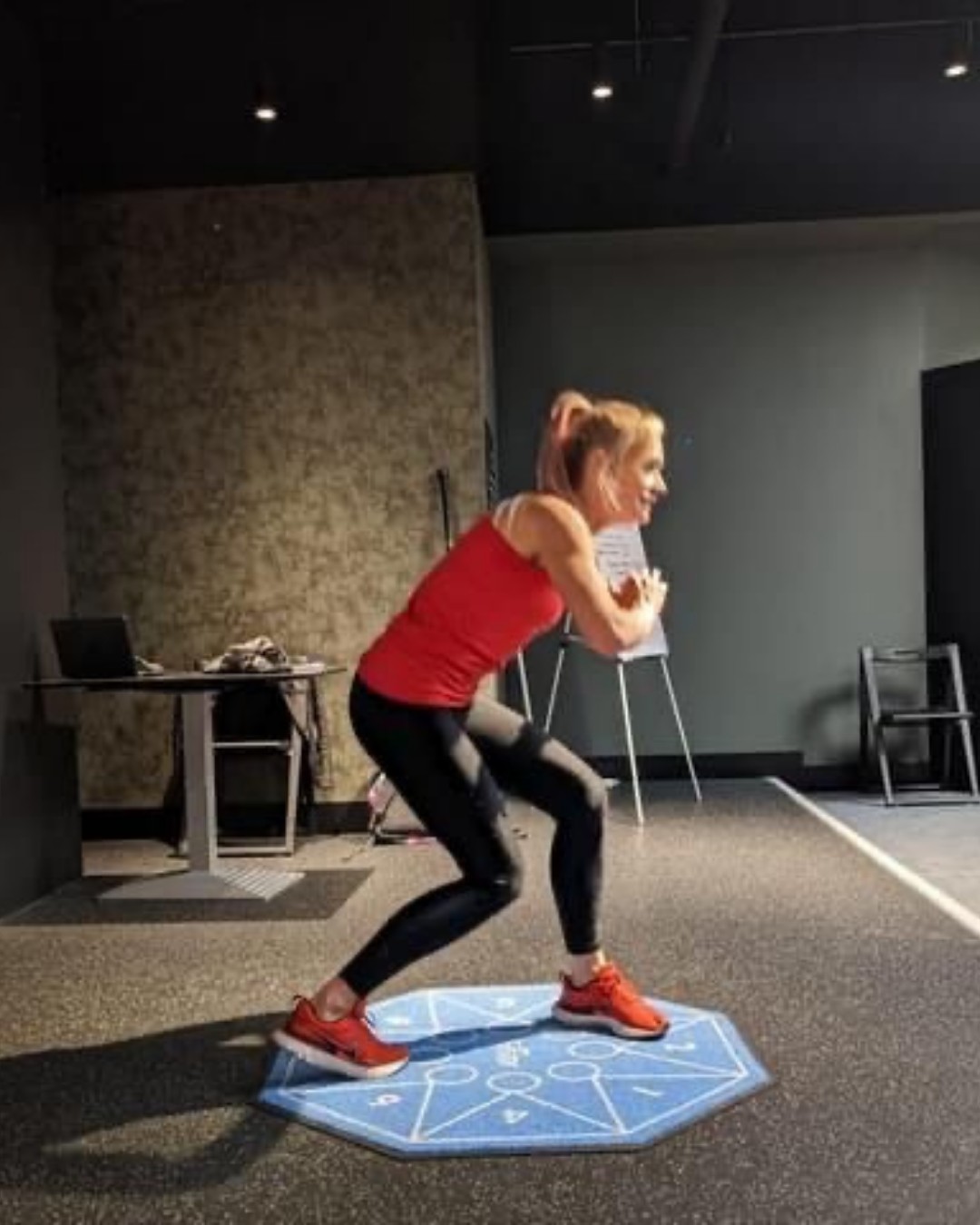
What Muscles Work In A Vertical Jump, And How To Work It Out For Any Exercise
A vertical jump is driven by the glutes and quads firing out of the dip, finished by the calves through the ankle at the very top, assisted by the hamstrings and hip flexors, and held together by the core and the smaller ankle and knee muscles controlling the landing. The four steps that produce that answer are taught on our CIMSPA-recognised personal training course, and they work on any exercise.
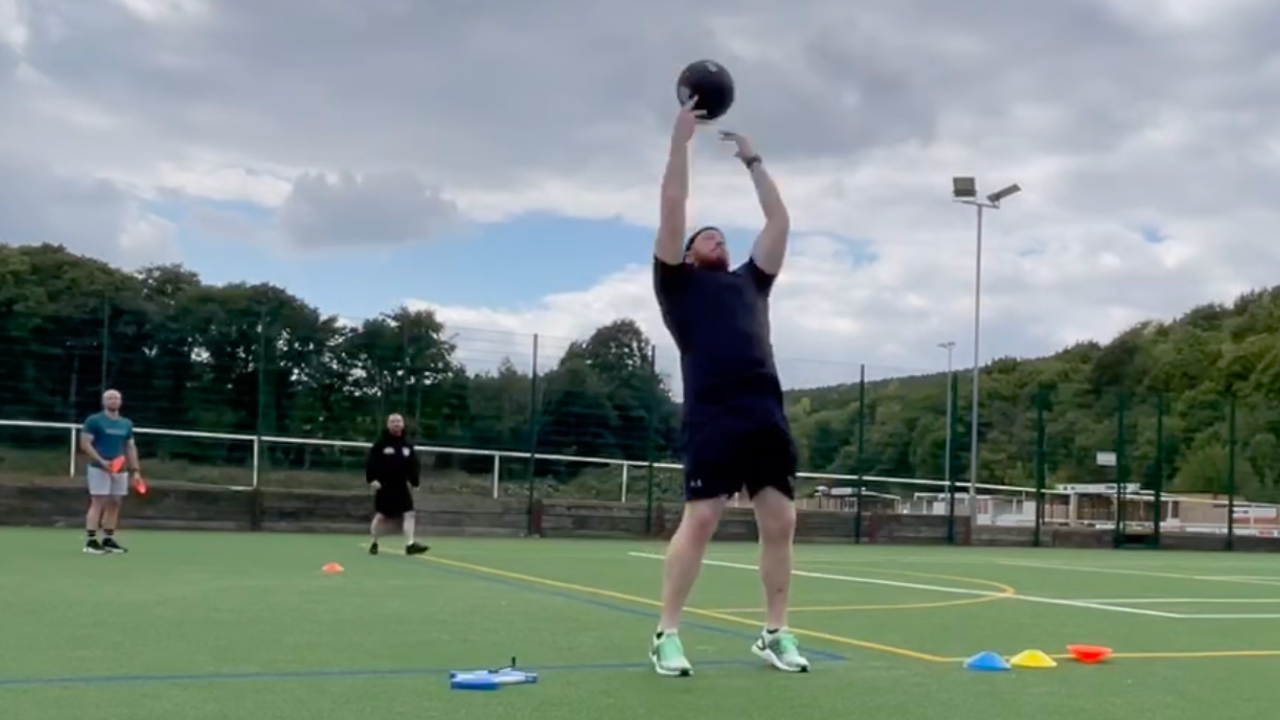
What Muscles Work In A Medicine Ball Throw, And How To Work It Out For Any Exercise
A medicine ball throw is driven by the rectus abdominis and the lats snapping the trunk and arms down from an overhead reach, finished by the triceps through the elbow, and held together by the legs and lower back absorbing the stop. The four steps that produce that answer are taught on our CIMSPA-recognised personal training course, and they work on any exercise.
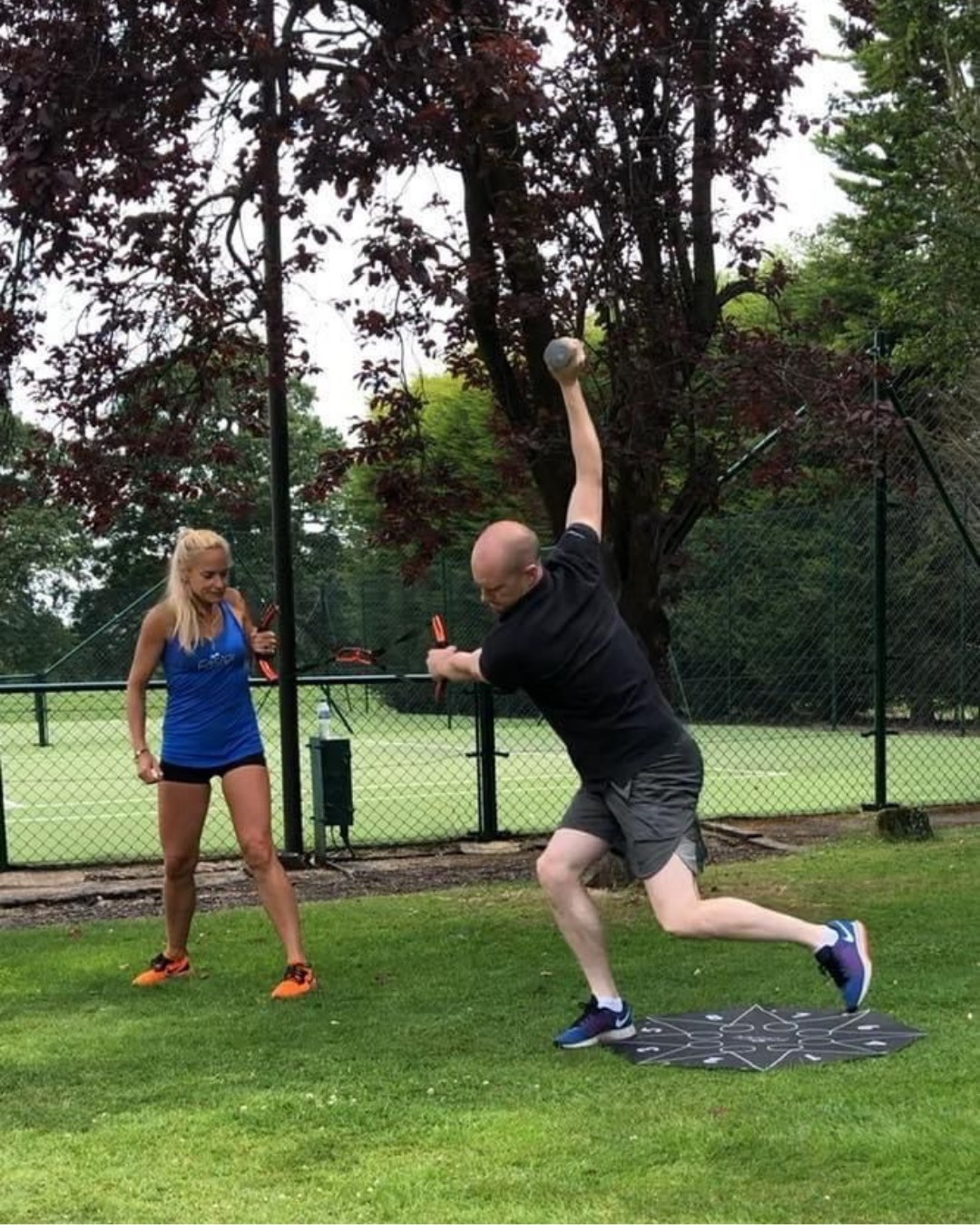
What Muscles Work In A Sprint, And How To Work It Out For Any Exercise
Sprinting is driven by the glutes and hamstrings extending the hip at push-off, the calves finishing through the ankle, and the hip flexors and quads bringing the recovery leg through fast. The four steps that produce that answer are taught on our CIMSPA-recognised personal training course, and they work on any exercise.
What Muscles Work In A Suspended Plank, And How To Work It Out For Any Exercise
A suspended plank is held together by the rectus abdominis and obliques resisting the sag, the hip flexors driving the moving knee in, and the shoulder stabilisers fighting the strap's wobble. The four steps that produce that answer are taught on our CIMSPA-recognised personal training course, and they work on any exercise.
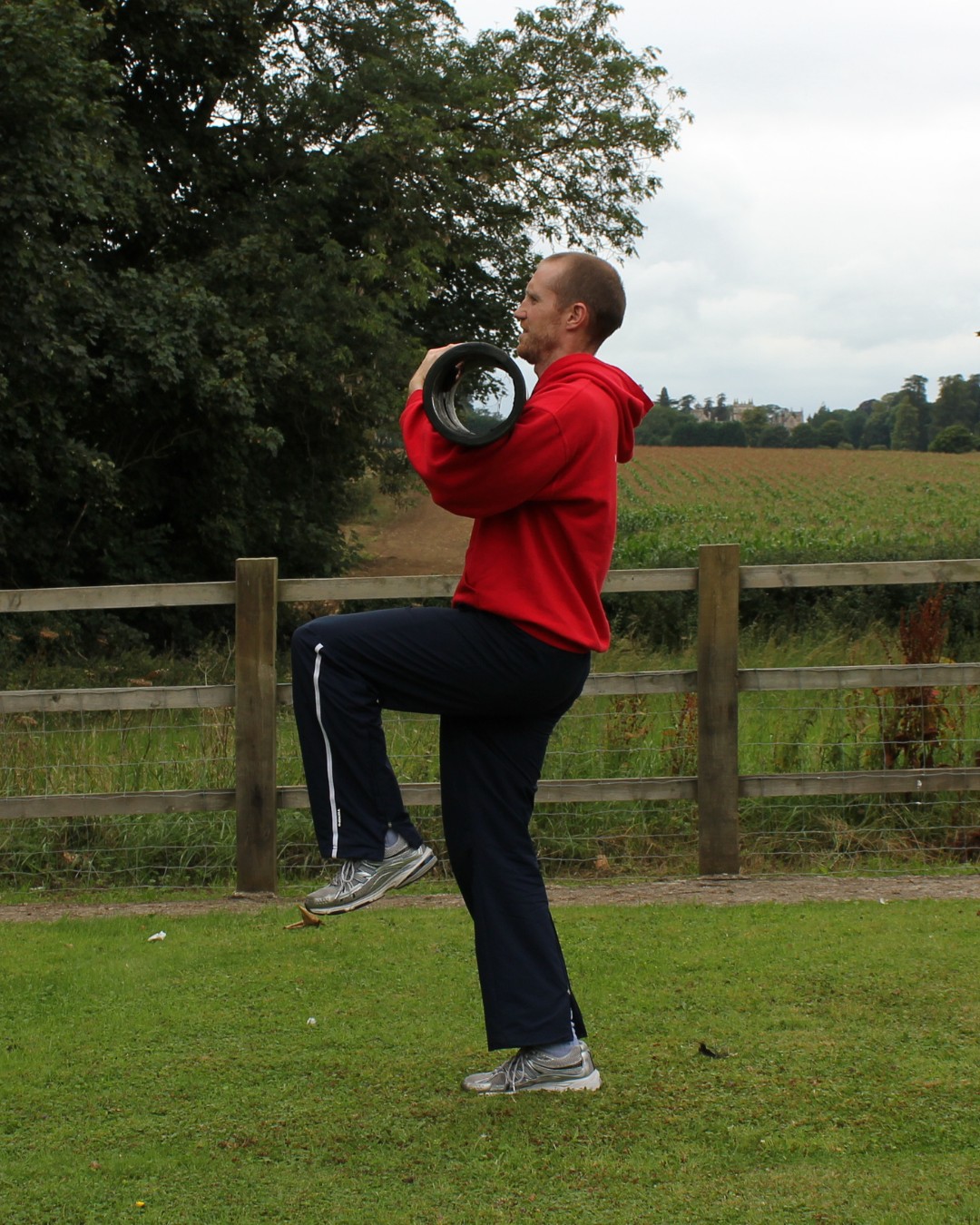
What Muscles Work In A Loaded Carry, And How To Work It Out For Any Exercise
A loaded carry is held up by the trapezius and the grip in the rack position, walked by the glutes and quadriceps, and kept level by the obliques and quadratus lumborum. The four steps that produce that answer are taught on our CIMSPA-recognised personal training course, and they work on any exercise.
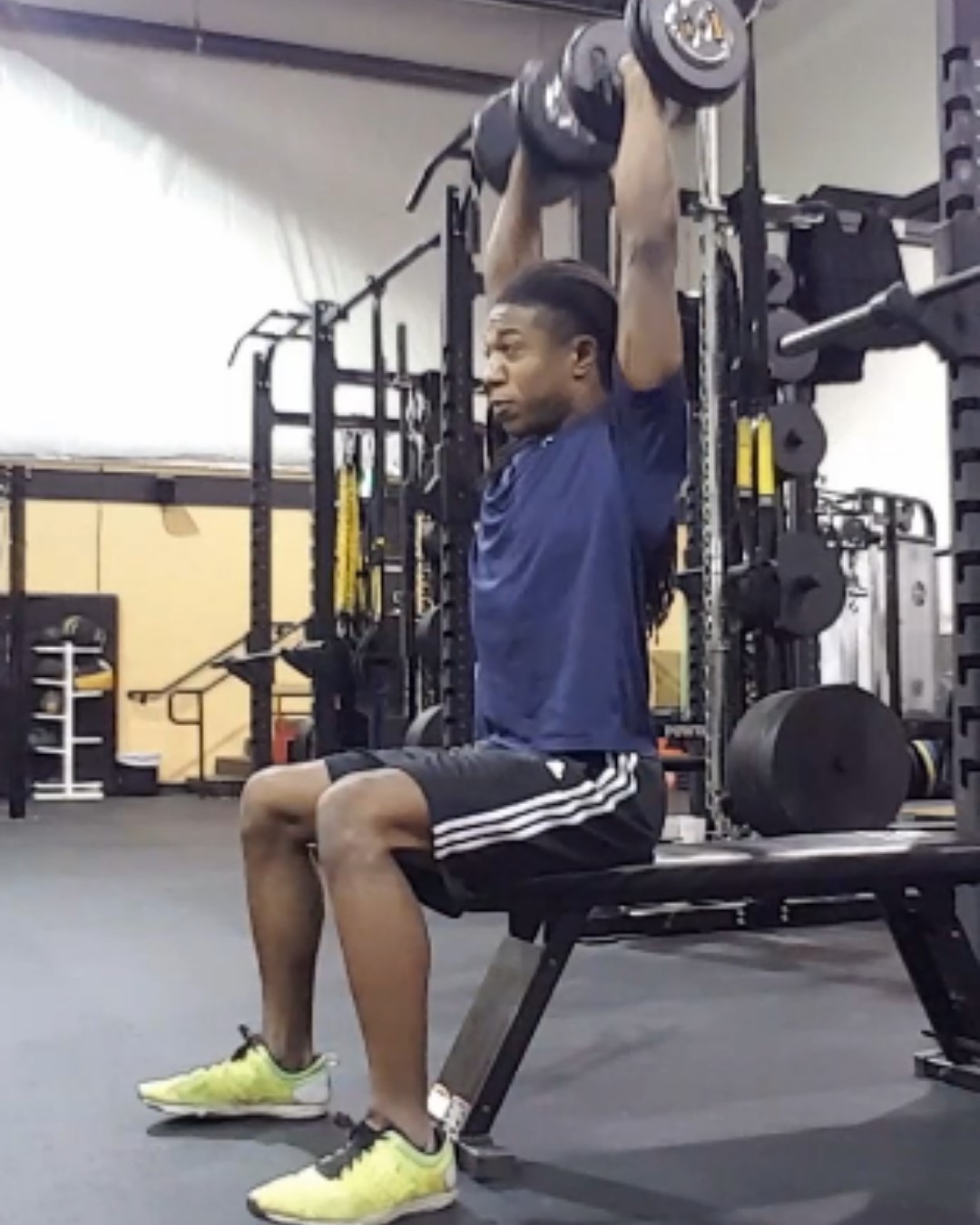
What Muscles Work In A Shoulder Press, And How To Work It Out For Any Exercise
A shoulder press is driven by the deltoids and triceps, assisted by the upper chest and the muscles that rotate the shoulder blade, with the core supporting the whole thing so the effort doesn't leak into the lower back. The four steps that produce that answer are taught on our CIMSPA-recognised personal training course, and they work on any exercise.
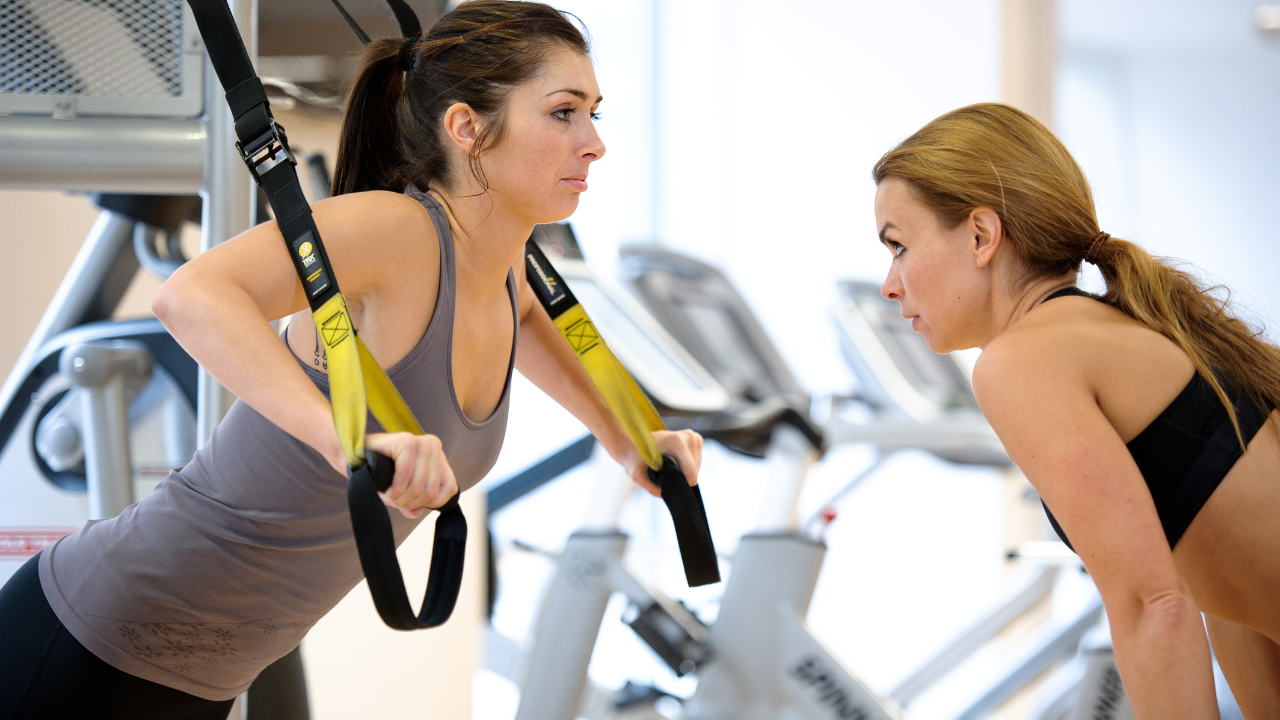
What Muscles Work In A Row, Worked Out Before You've Even Taken A Client
A row works the latissimus dorsi, rhomboids, middle trapezius and posterior deltoid, with the core and glutes holding the body in one line. The four steps that produce that answer are taught on our CIMSPA-recognised personal training course, and they work on any exercise.
What Muscles Work In A Press-Up, And How To Work It Out For Any Exercise
A press-up works the pectoralis major, triceps and anterior deltoids, with the core holding the plank line so the force actually reaches the arms. The four steps that produce that answer are taught on our CIMSPA-recognised personal training course, and they work on any exercise.
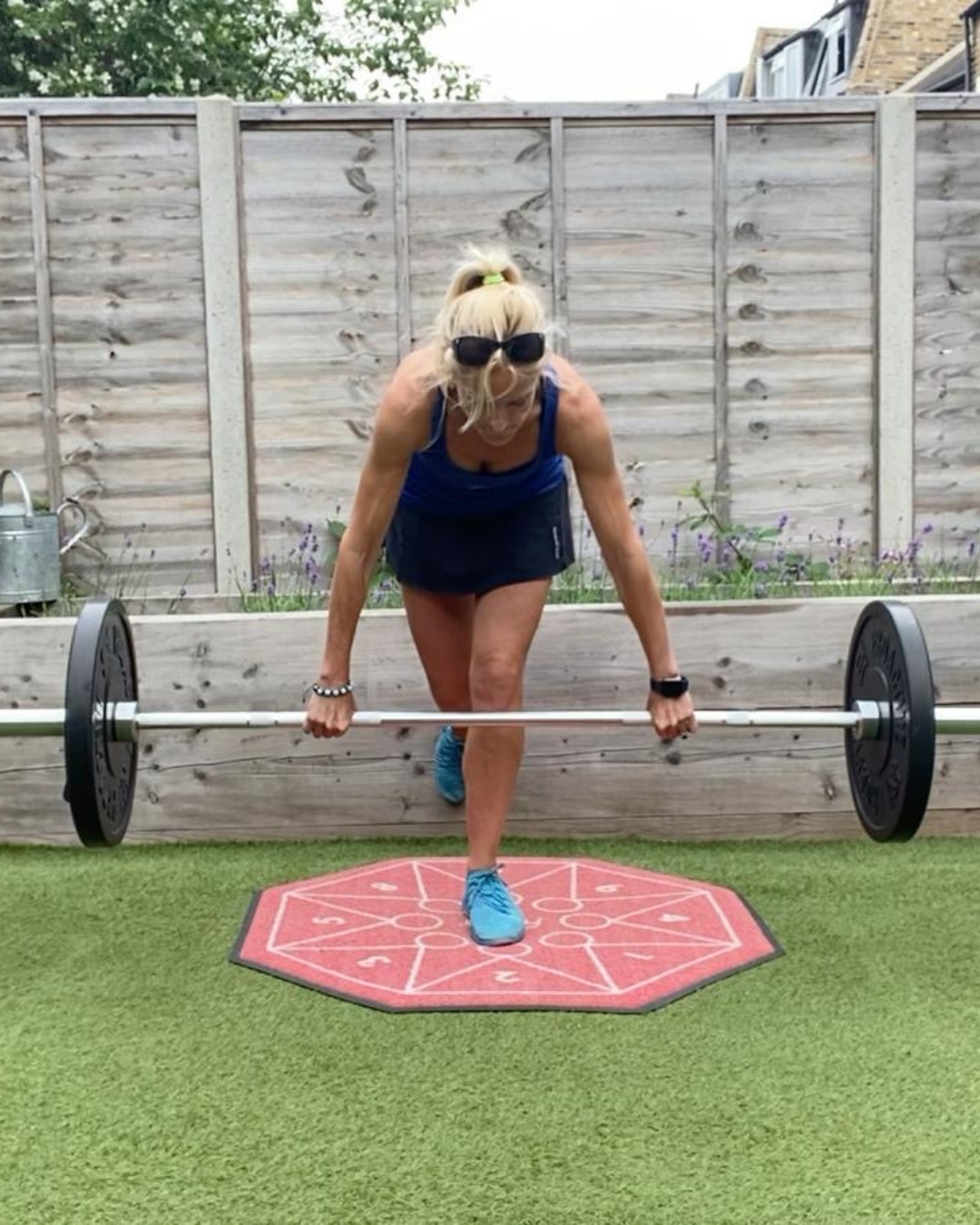
What Muscles Work In A Deadlift, And How To Work It Out For Any Exercise
A deadlift works the hamstrings and glutes at the hip, with the lats and grip holding on for the whole lift. The four steps that produce that answer are taught on our CIMSPA-recognised personal training course, and they work on any exercise.
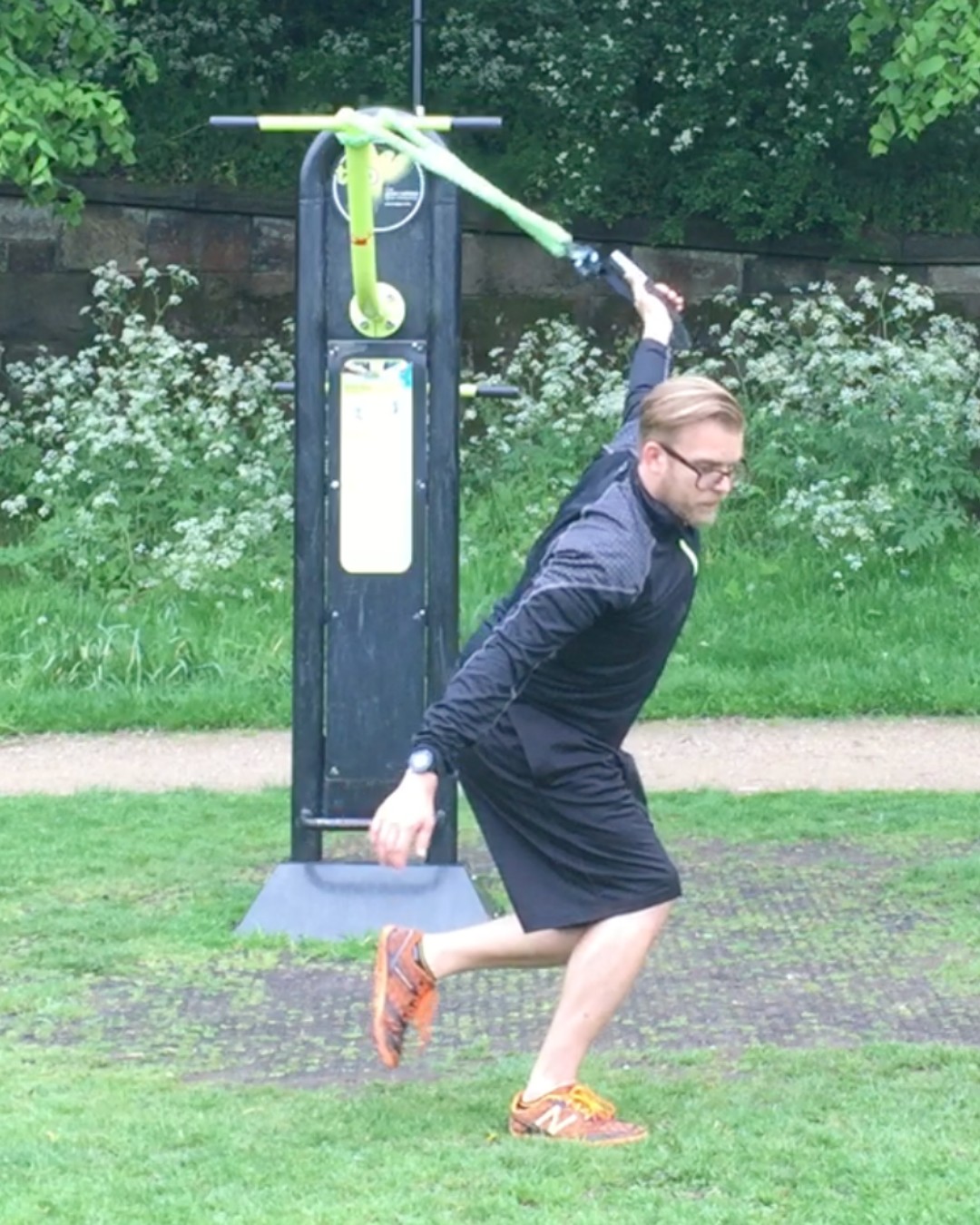
What Muscles Work In A Lunge, And How To Work It Out For Any Exercise
A lunge works the front-leg quadriceps, glutes and hamstrings, plus a hip stabiliser a two-footed squat barely needs. The four steps that produce that answer are taught on our CIMSPA-recognised personal training course, and they work on any exercise.
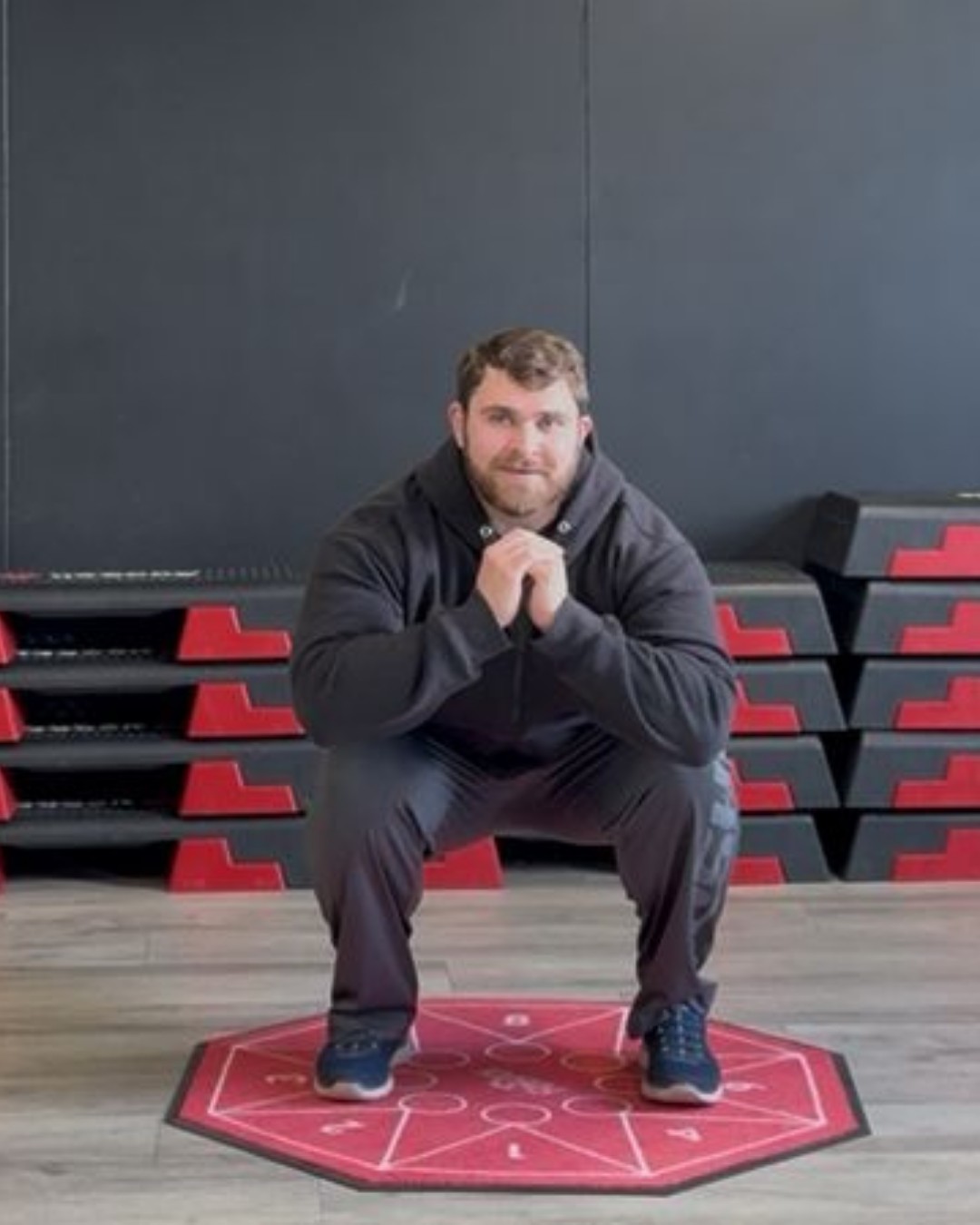
Why A Client Bounces At The Bottom Of A Squat, And What To Call It
The Level 3 Personal Training Certificate names the reflex behind a squat bounce, a jerk or a catch, so a new trainer can explain a normal reaction instead of guessing.
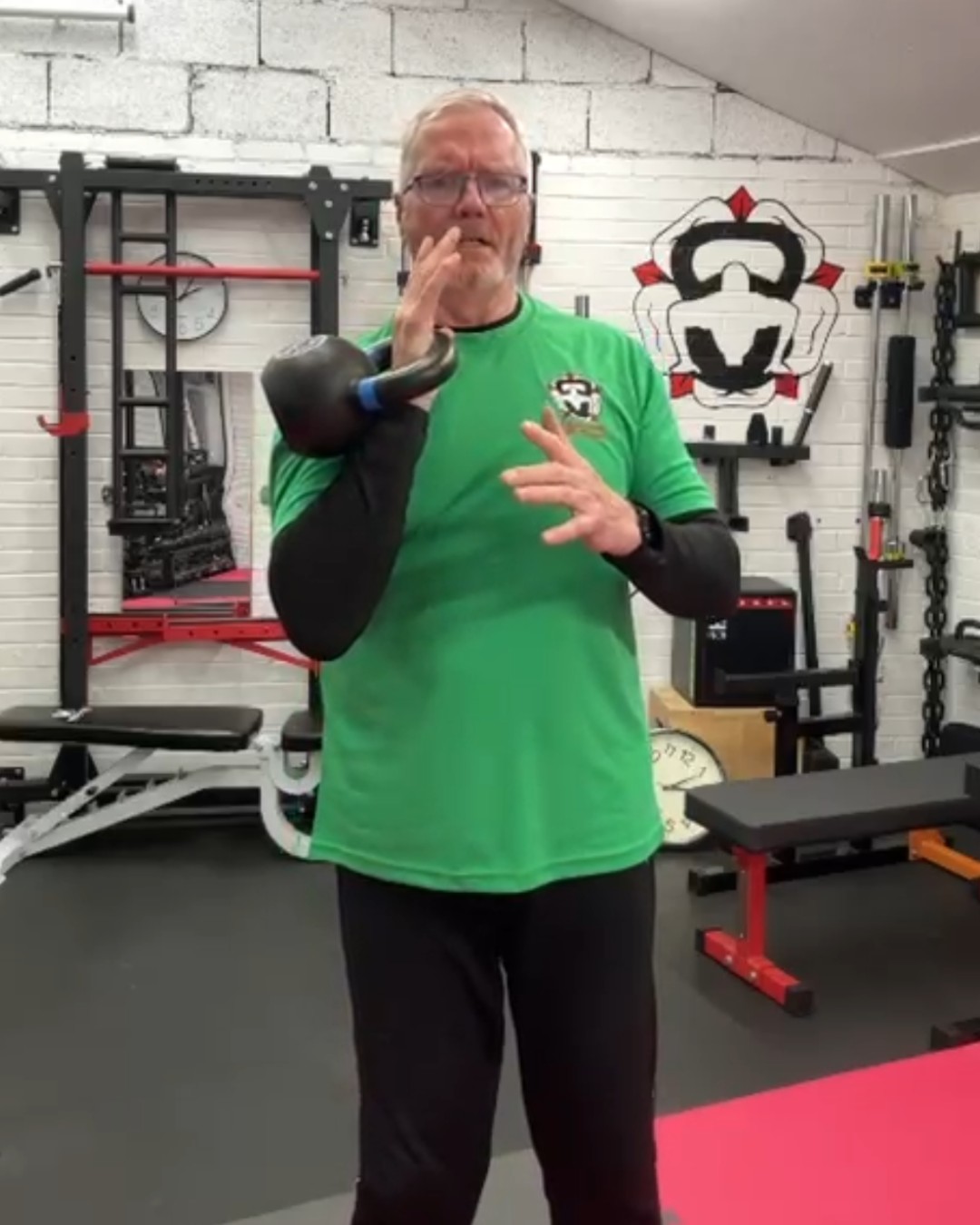
You Can Learn What Keeps A Client Coming Back, Before You Ever Take One
Before you take your first client, the Level 3 Personal Training Certificate teaches the actual list of strategies that keep someone motivated and coming back.
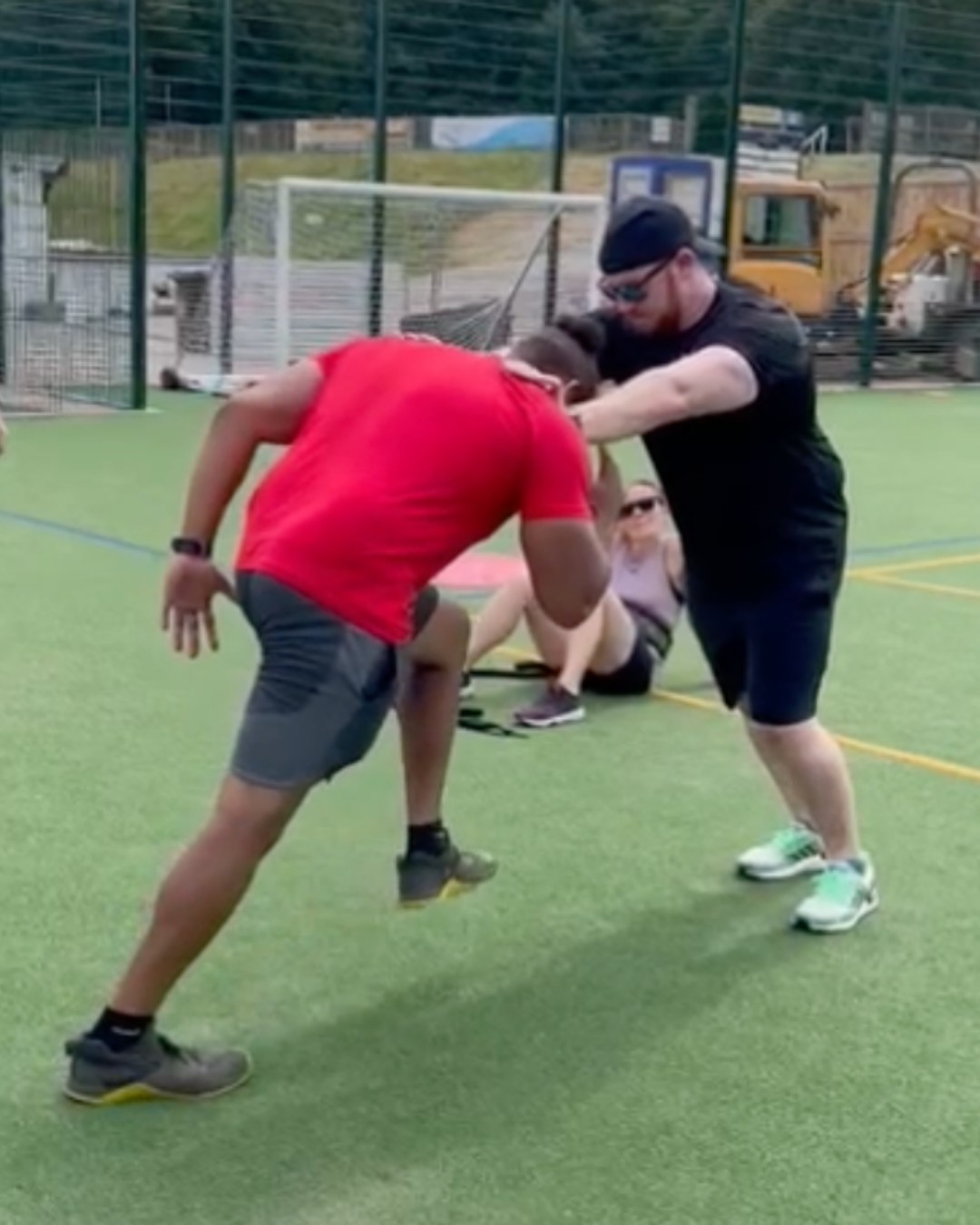
The Eight-Step System For Showing A Client Their First Exercise
Level 2/3 gives you an eight-step system for the first time you show a client an exercise, from the introduction to what you write down afterwards. No guesswork required.
Four Plain Checks Tell You If A Client's Test Result Means Anything
Level 3 names four checks on whether a client's test result can be trusted: retest reliability, inter-rater reliability, measurement error and observer bias. No statistics needed.
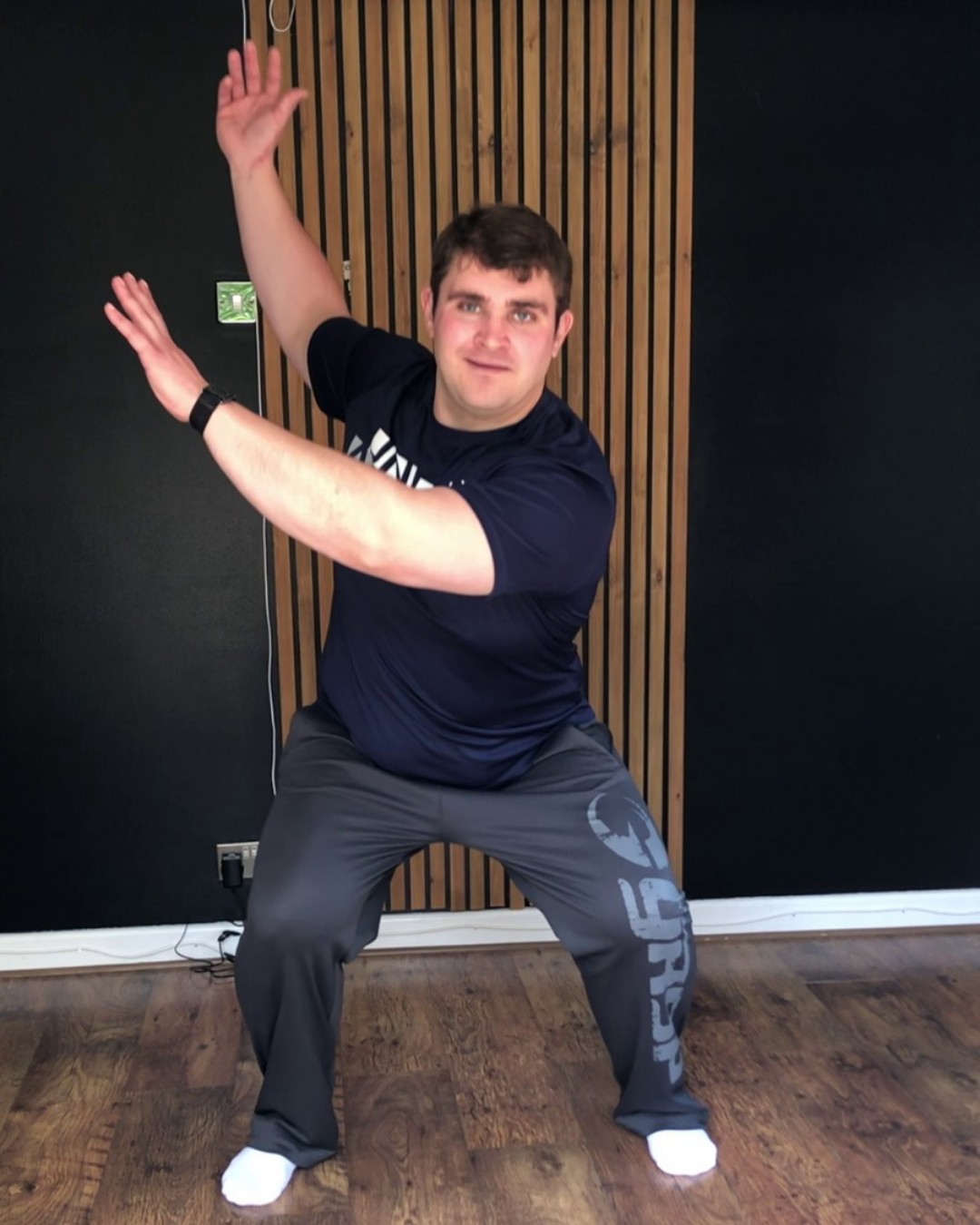
What Muscles Work In A Squat, And The Four Steps That Tell You
A squat works the quadriceps, glutes, hamstrings, adductors, erector spinae and calves. The four steps that produce that answer are taught on our CIMSPA-recognised personal training course, and they work on any exercise.
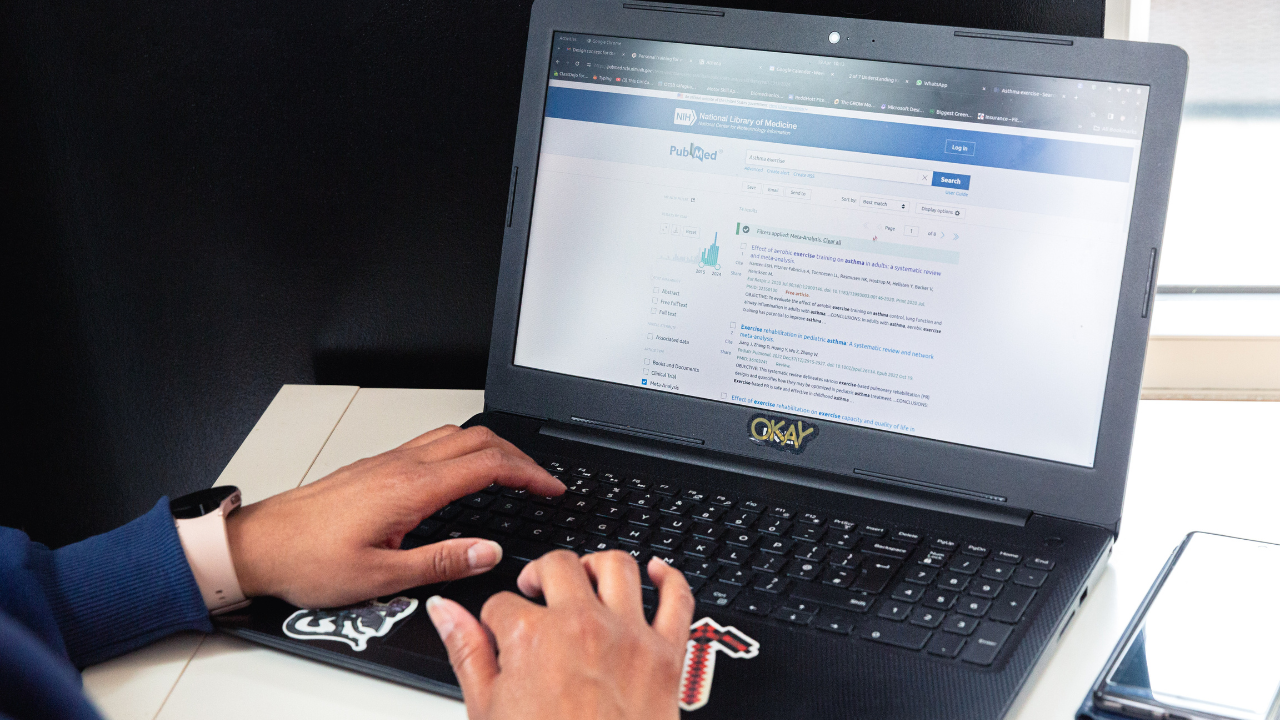
You Can Tell A Real Nutrition Claim From A Sales Pitch, No Degree Needed
Before you take your first client, the Level 3 nutrition unit teaches you to tell real nutrition evidence apart from a supplement company's marketing claim.
You cannot fit a leg press in the boot of your car. Here is how you still train a client properly in a park, a garage or a spare room
Training people outside a gym takes creativity, not a van full of kit. The Level 2 and Level 3 teach how to work in spaces that were never designed for exercise, and FASTER adds an exercise library built for exactly that.
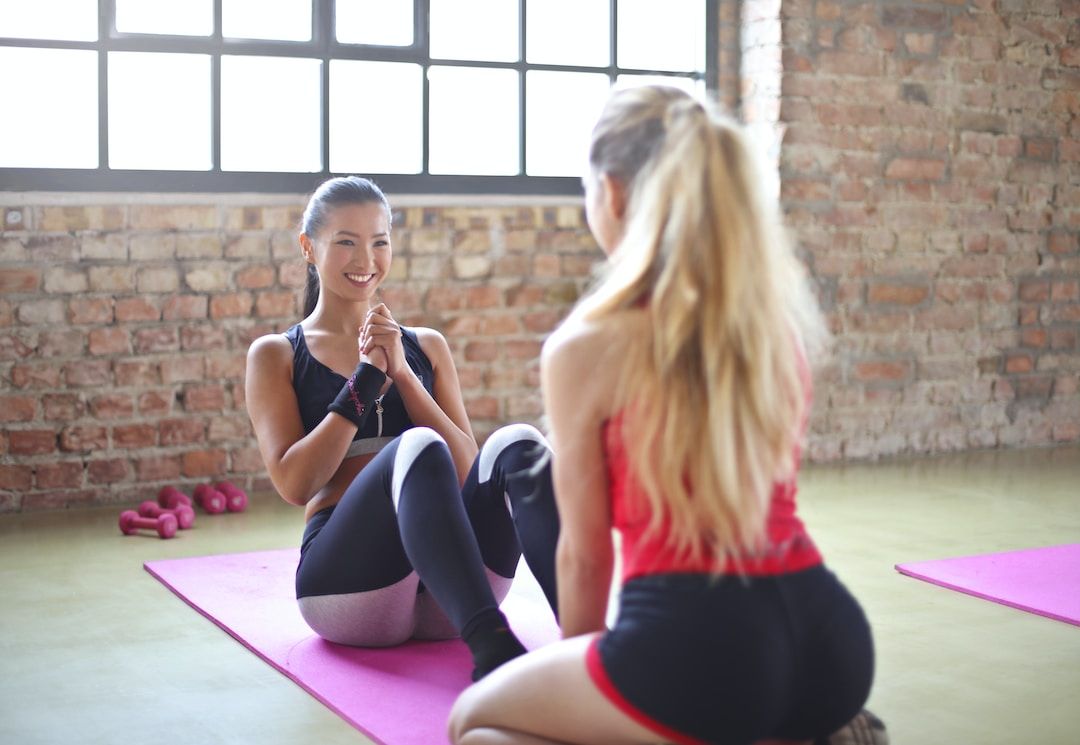
10 No-BS Tips to Become a Successful Personal Trainer
Personal training is not all mirror selfies and motivational quotes. Here are ten honest habits that separate the trainers who last from the ones who quit.
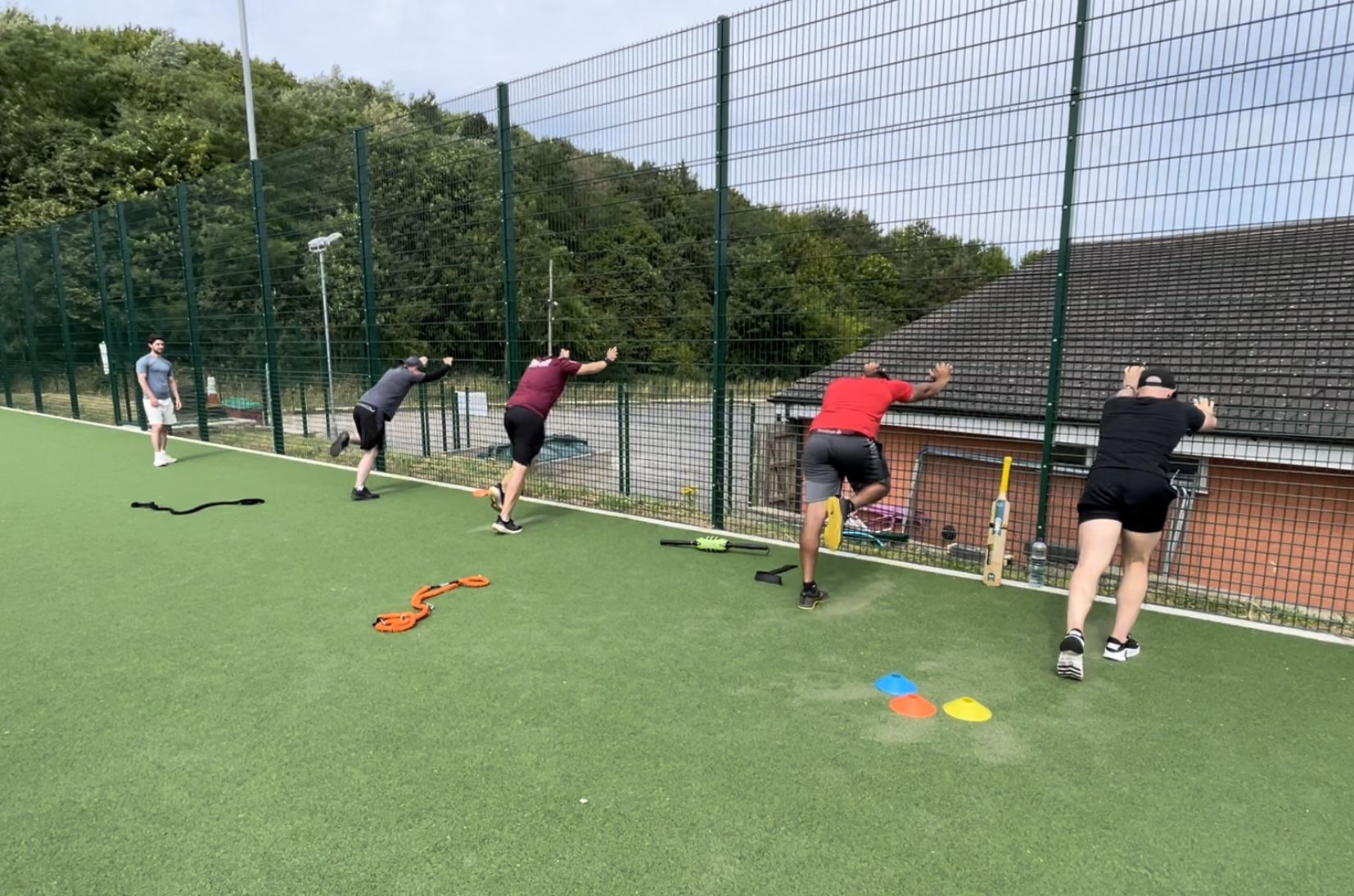
Becoming a Personal Trainer in Canary Wharf
A practical guide to building a personal training career in Canary Wharf — from getting qualified to landing your first clients in one of London's busiest fitness markets.
The Benefits of an Online Level 3 Personal Trainer Course
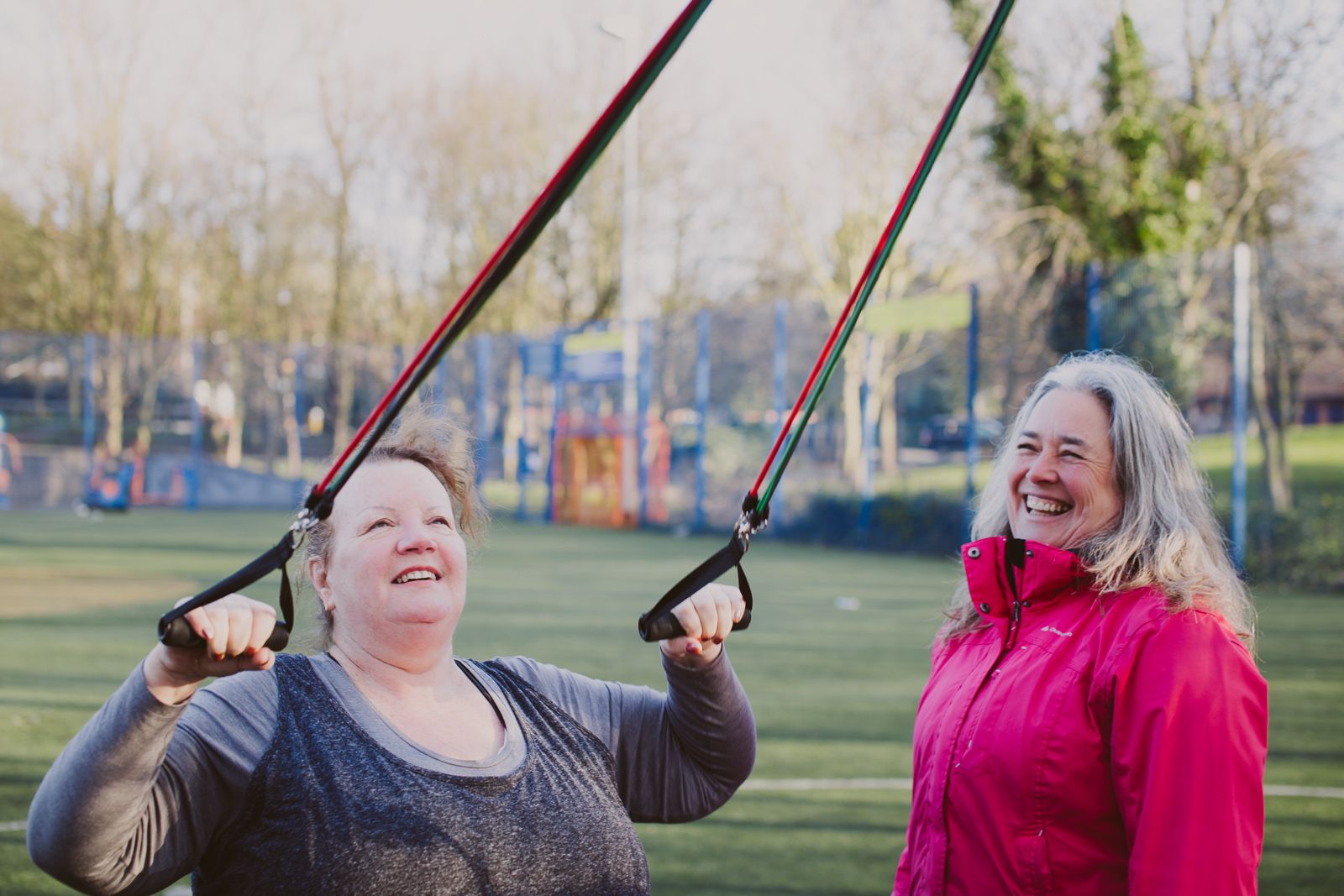
Studying your Level 3 Personal Trainer qualification online means learning around your life, at a lower cost, with the same accredited certificate at the end.
Now Is the Time to Become a Personal Trainer
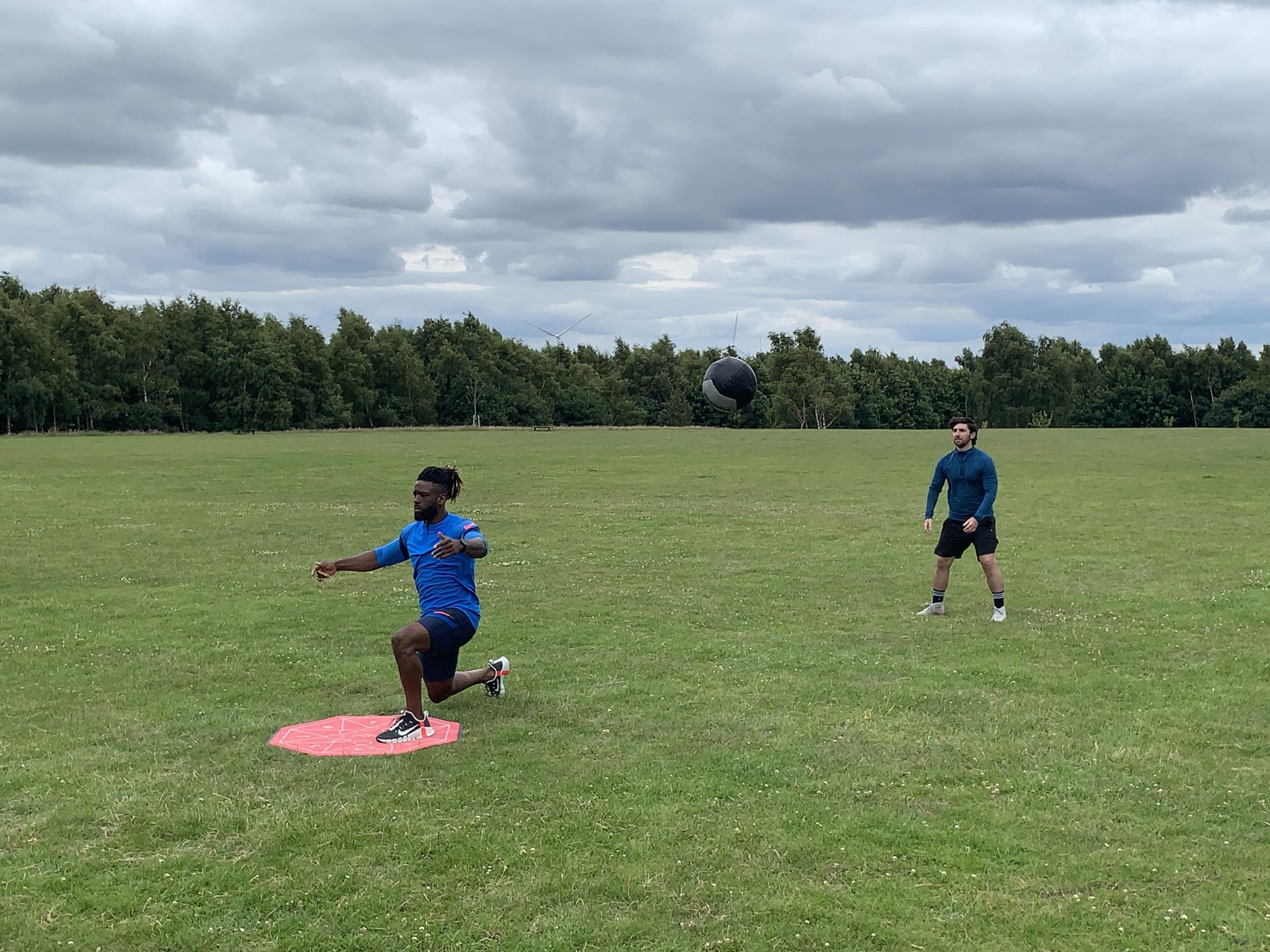
Changing career to personal training gives you a skill that earns a living you control. Here is a four-stage route from qualified to established.
The Importance of Continuing Education in Personal Training
Why continuing education keeps personal trainers competitive, renews certification, widens the clients you can work with, and improves the results you deliver.
Kickstart Your Personal Training Career: The Richmond Guide
A practical roadmap to starting a personal training career in Richmond — from getting certified and finding your niche to building a brand and winning your first clients.
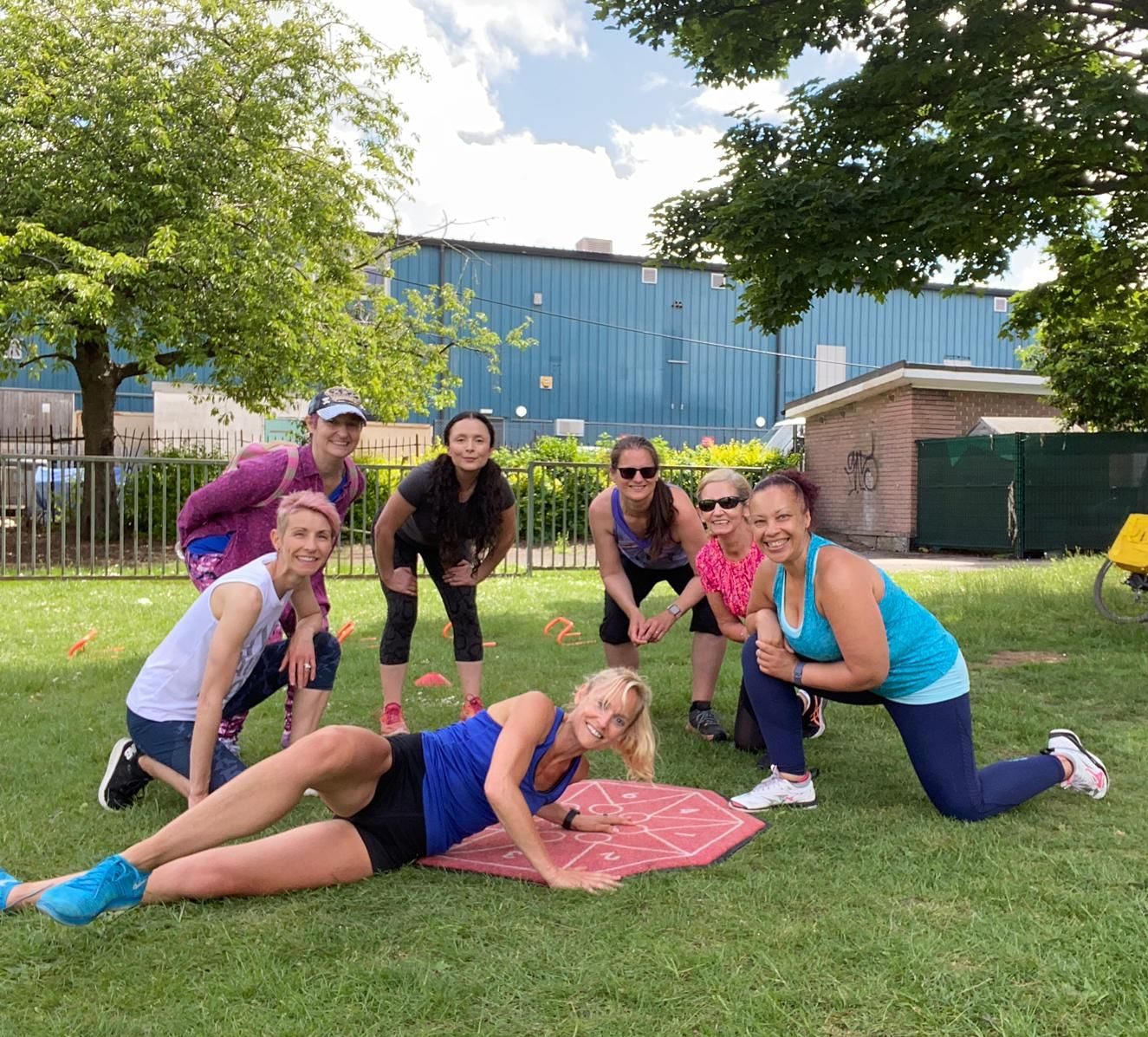
Mastering UK Personal Training: A No-Nonsense Guide
Personal training in the UK is more than knowing your deadlifts from your burpees. Ten practical moves to build a business that actually lasts.
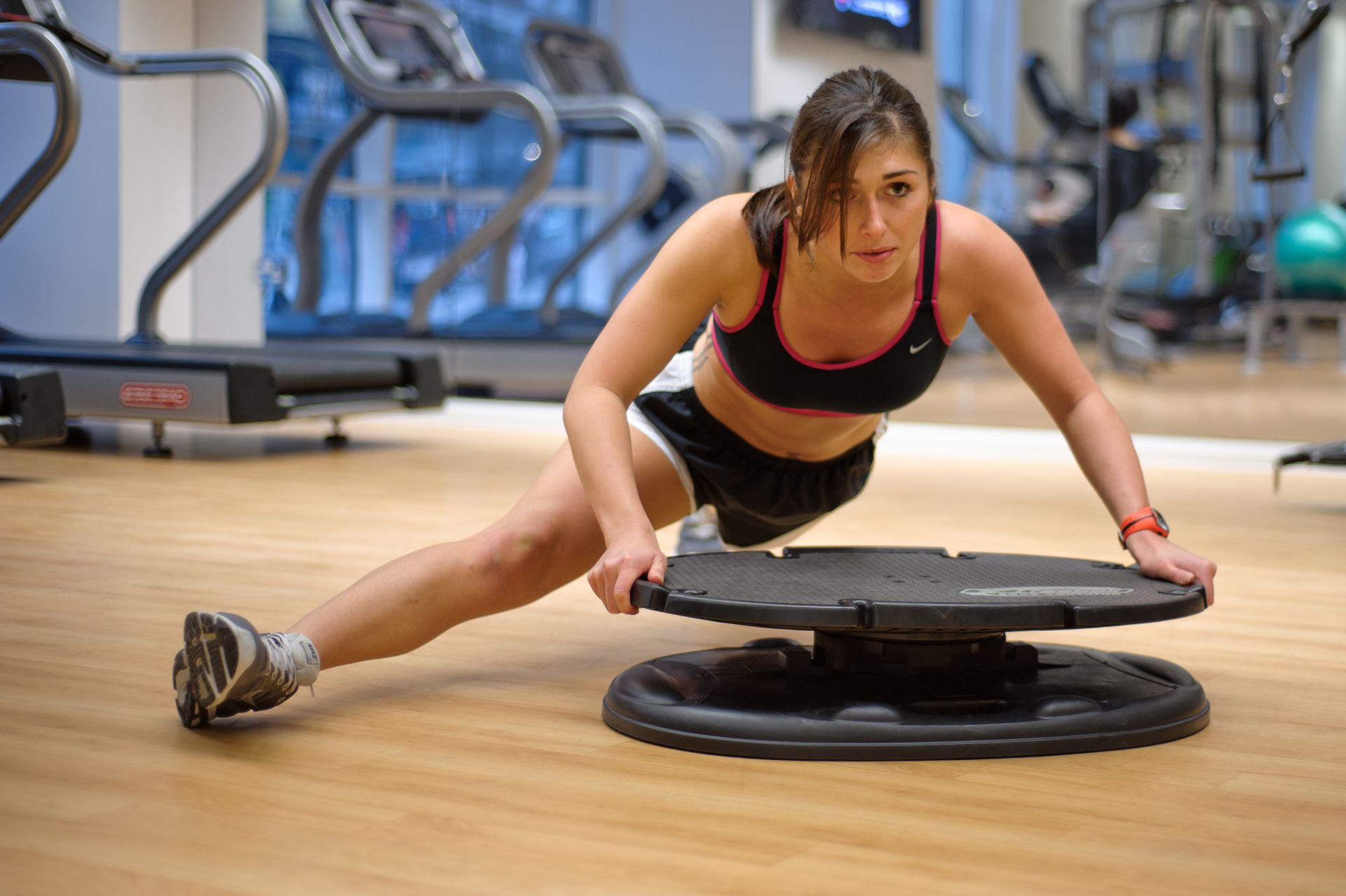
A New Career as a Personal Trainer
What it really takes to start a career as a personal trainer in the UK: the CIMSPA-recognised qualification, where the work is, and how much you can earn.
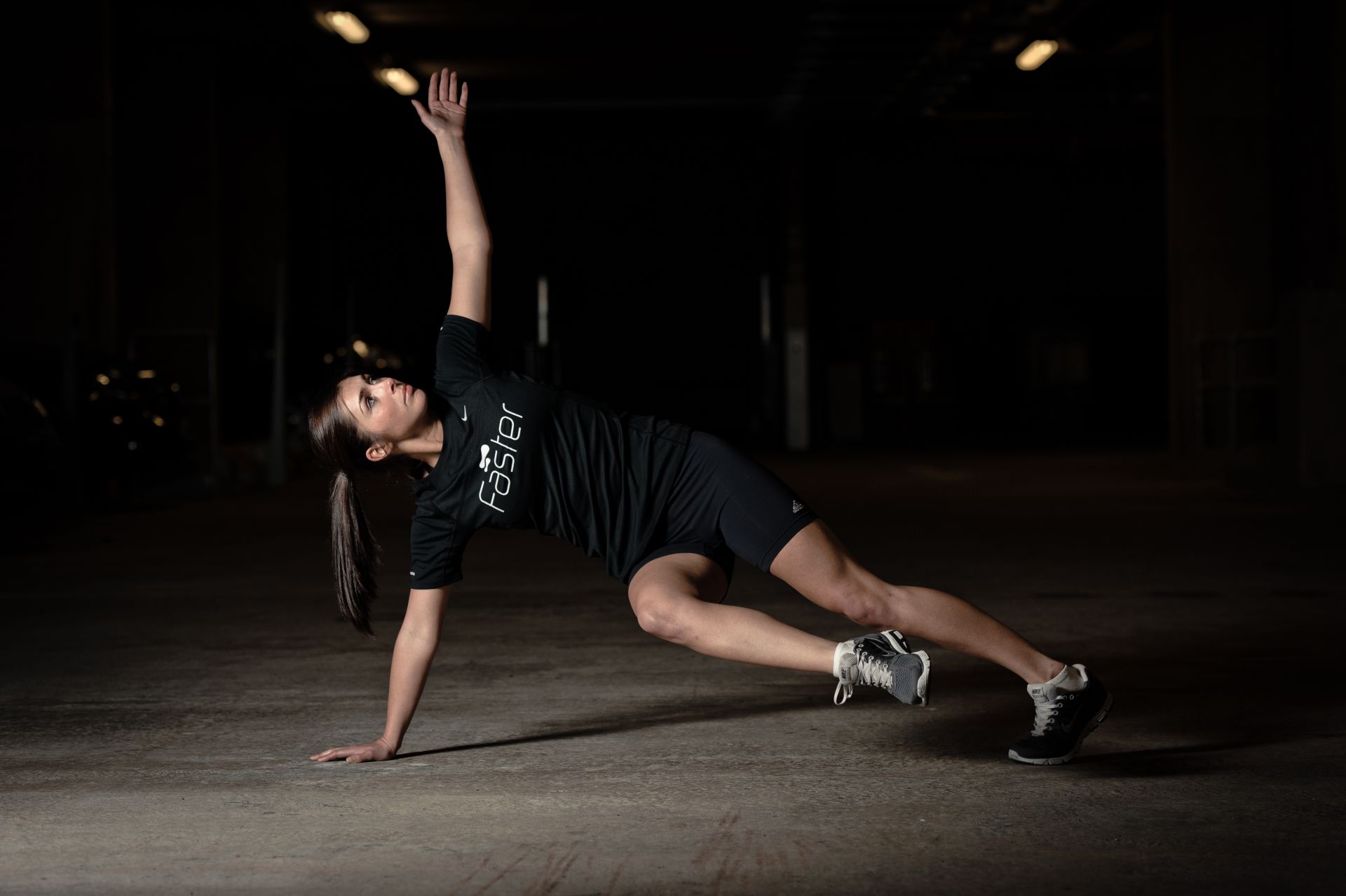
A Guide to UK Personal Training Courses
Thinking of training as a career? Here is a plain guide to UK personal training courses, from Level 2 and Level 3 to specialist and CPD routes.
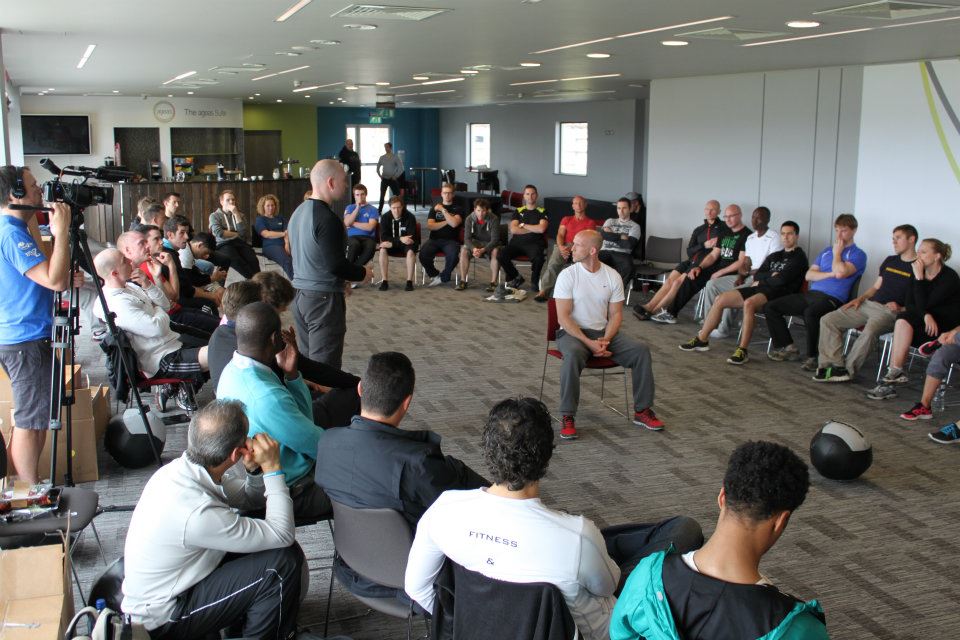
UK Personal Training Courses: A Practical Guide
What a UK personal training course should actually give you, how to judge the accreditation, and which key components to look for before you enrol.
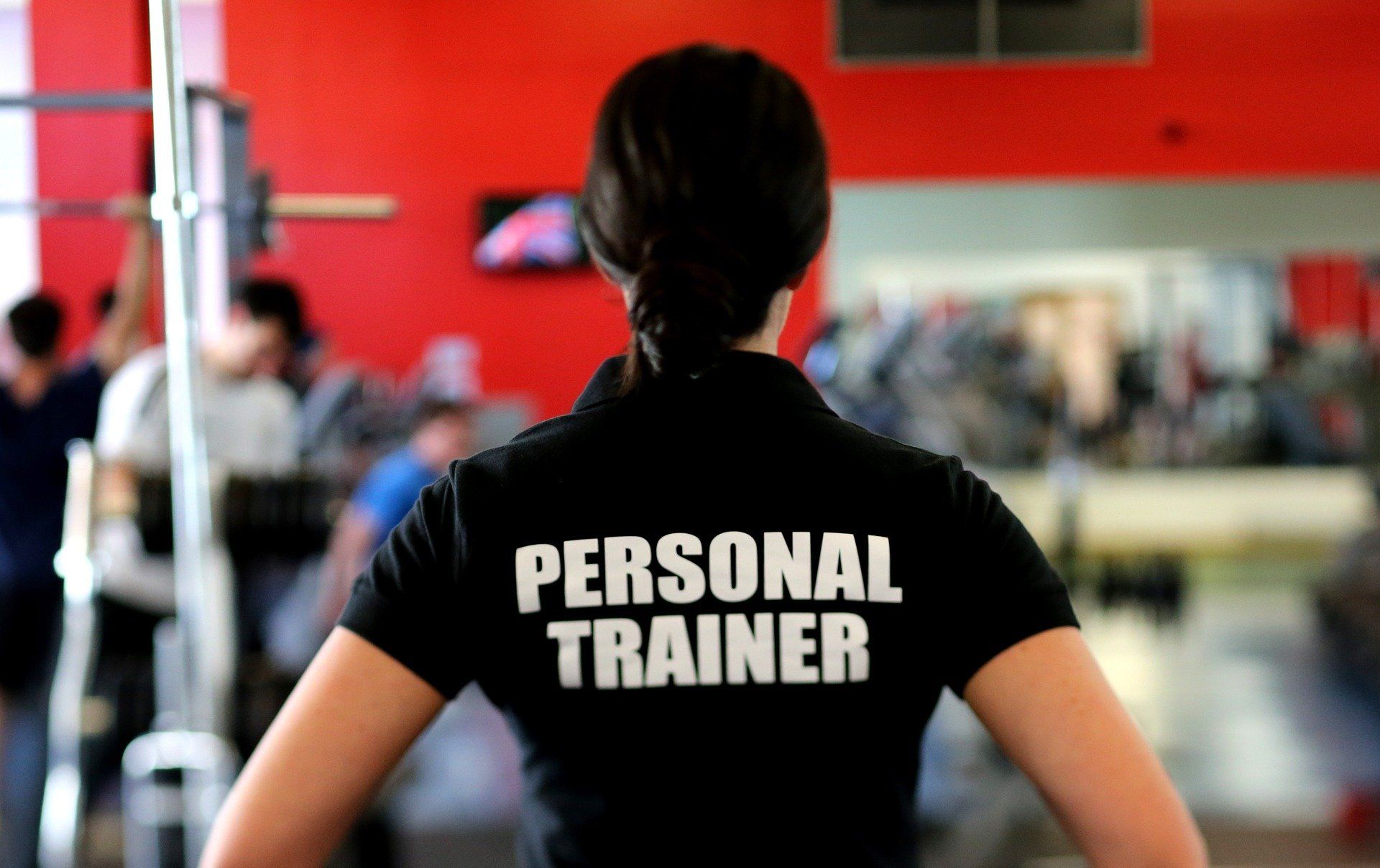
What Does a Personal Trainer Do?
Before you sign up for a course, know what the job actually involves: the different roles, the business side, and what you do once a client is in front of you.

What Do I Need to Do to Be a Personal Trainer?
The honest guide to becoming a personal trainer in the UK — the qualification you actually need, the industry myths to ignore, and what carries you through your first 90 days.
More from the FASTER blog
Grow your brain for free
Let's not pretend. It's a mailing list. Blogs, useful ideas and things we are excited about, in the hope you learn something and get results. No spam, unsubscribe any time.